Source Tea Strainer for Home Hotel Office Cafe Coffee
Find 30 Tea Strainer options from verified Chinese manufacturers. Compare stainless steel and glass models with LFGB, FDA, and ISO certifications for loose leaf tea infusing needs.
Key considerations
Products List


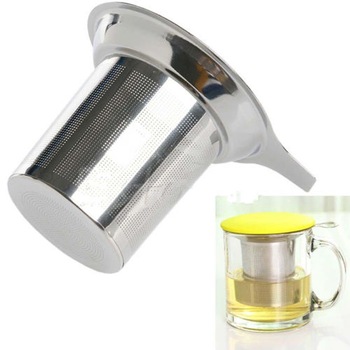
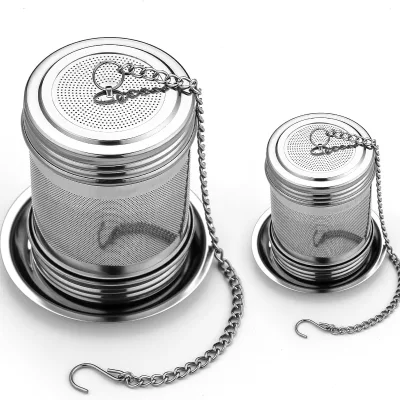
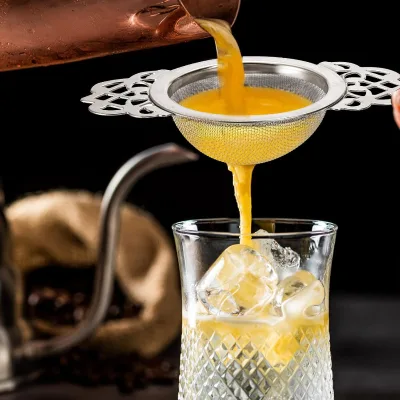


Stainless Steel Heart Shape Tea Infuser Stainless Steel Tea Filter Leaf Tea Strainer
$0.30 - $0.43
MOQ: 1000 Pieces




Comprehensive Sourcing Guide
Strategic Sourcing Guide for Tea Strainers in the Global B2B Market
The global demand for specialized tea preparation tools has driven a robust market for tea strainers, positioning them as essential items for both domestic use and commercial hospitality sectors. For procurement professionals, sourcing these items requires a nuanced understanding of material composition, regulatory compliance, and supply chain logistics. The current market landscape, particularly within the Asian manufacturing hub, offers a diverse array of options ranging from simple mesh filters to complex infuser sets. This guide provides a structured approach to evaluating Tea Strainer suppliers, ensuring that procurement decisions are grounded in verified product attributes and industry standards rather than unverified marketing claims.
Material Composition and Technical Specifications
The foundation of any Tea Strainer procurement strategy lies in the precise identification of materials and technical dimensions. Market observations indicate a bifurcation in material usage, with products frequently categorized under glass, metal, or composite constructions. Specifically, stainless steel is a dominant material choice, often cited with specific alloy grades such as SS 18/8, which denotes a high-grade stainless steel composition suitable for food contact. This material selection is critical for durability and resistance to corrosion, particularly when the strainer is subjected to repeated washing cycles or exposure to hot liquids.
In addition to metal, glass is frequently utilized, often in combination with metal components to create hybrid structures. The presence of glass elements can offer aesthetic appeal and allow for visual monitoring of the steeping process. When evaluating technical specifications, buyers must scrutinize the stated dimensions and weight. Typical product data points include specific size ranges, such as 10.37.34.8 cm, and weight metrics around 50g per unit. However, these figures are not universal; some suppliers offer customized sizes to meet specific branding or functional requirements. The shape of the strainer is another variable, with designs ranging from double-handle configurations to single-handle models, and forms including tea balls, fine mesh strainers, and drip bowl assemblies.
A comparison of common material and design configurations highlights the diversity available in the current market:
| Feature Category | Common Observation | Verification Requirement |
|---|---|---|
| Primary Material | Stainless Steel (SS 18/8), Glass | Confirm alloy grade and glass type (e.g., borosilicate) |
| Secondary Material | Metal (General), Wood (for cases) | Verify metal type (e.g., Stainless Steel) |
| Shape/Design | Double handle, Single handle, Bowl shape | Request CAD drawings or physical samples |
| Mesh Type | Fine mesh, Standard mesh | Inspect mesh density and opening size |
| Volume Capacity | 200 mL (approximate) | Measure actual capacity against requirement |
Buyers should note that while some listings mention "metal & glass" as a standard, others specify "glass and SS 18/8." This distinction is vital for compliance with food safety regulations, as different alloys have varying migration rates for heavy metals. The specification of the product model, such as FH-TI62079 or Ady-Tea Strainer, serves as a unique identifier for the specific design, but the underlying material composition remains the primary factor in performance and longevity.
Compliance and Certification Protocols
Navigating the regulatory landscape is a non-negotiable aspect of sourcing tea strainers, especially for markets with stringent food safety laws. The product data indicates a prevalence of specific certifications that buyers must verify. Key certifications observed in the market include LFGB (German Food and Feed Code), FDA (US Food and Drug Administration), and CE (Conformité Européenne) / EU standards. These certifications are not merely marketing badges; they represent rigorous testing for chemical migration, physical durability, and overall safety.
Furthermore, ISO standards play a significant role in supplier evaluation. Listings frequently reference ISO 9001:2015, which pertains to quality management systems, and general ISO certification for the product itself. The presence of an ISO 9001:2015 certificate suggests that the manufacturer has established processes to ensure consistent quality, which is crucial for large-scale B2B orders. However, the mere presence of a certification claim on a product page does not guarantee validity. Procurement teams must request current, verifiable copies of these certificates directly from the supplier.
For products originating from China, particularly from regions like Yangjiang and Hebei, local manufacturing standards may vary. While the "material: metal & glass" standard is mentioned, the specific compliance with international standards like LFGB or FDA must be explicitly confirmed. Buyers should also be aware that some products are described as "Eco-Friendly," a claim that should be backed by material sourcing policies or specific environmental certifications, though specific environmental standards were not explicitly detailed in the general product attributes. The verification of these certifications should be a prerequisite before placing any order, ensuring that the final product can legally enter the target market without regulatory hurdles.
Cost Drivers and Pricing Dynamics
Understanding the cost structure of tea strainers is essential for budgeting and margin analysis. The observed price range in the market spans from $0.08 to $9.99 USD, a wide variance that reflects differences in material quality, customization levels, and order volume. The lower end of the spectrum typically corresponds to basic, non-customized metal or glass strainers with standard packaging. In contrast, the higher price points are associated with premium materials, intricate designs, custom branding, and specialized packaging solutions.
Several factors drive these cost variations. Customization is a primary cost driver; the availability of custom logos, colors, and sizes directly impacts the unit price. Suppliers offering "Customized" options often charge a premium for the setup and tooling required. Additionally, the packaging method influences cost. While standard packaging involves single cartons, options for wooden cases or specialized white box packaging add to the overall expense. The "Single gross weight" of 2.000 kg per package also impacts shipping costs, which is a significant component of the landed cost for international buyers.
The Minimum Order Quantity (MOQ) is another critical cost determinant. The observed MOQ range spans from 1 to 2000 units. Orders at the lower end of this spectrum, such as single items or small batches, often carry a higher per-unit cost due to the lack of economies of scale. Conversely, orders approaching the 2000-unit threshold benefit from reduced per-unit pricing. Buyers must balance their inventory needs with cash flow constraints to determine the optimal order size. It is also important to note that "Stocked" items may offer immediate availability at standard prices, whereas custom orders may incur additional lead times and costs.
Typical Applications and Market Segmentation
Tea strainers serve a broad spectrum of applications, ranging from personal home use to large-scale commercial operations. The product attributes highlight specific use cases, including "Home," "Hotel," "Office," "Cafe," and "Coffee" environments. This versatility allows suppliers to target multiple market segments simultaneously. In the hospitality sector, the durability and aesthetic appeal of the strainer are paramount. A modern style with a multicolor or silver finish can enhance the dining experience in high-end cafes and hotels.
The functional application is equally important. The primary use is defined as "Filter tea," but the specific type of strainer determines its suitability for different tea varieties. For instance, "Tea Balls" and "Tea Strainers" are designed for loose leaf tea, allowing for optimal water circulation and flavor extraction. The "Fine mesh Tea Strainer" is particularly suited for delicate teas where fine particles need to be filtered out. The inclusion of a "drip bowl" in some models suggests an application where excess liquid drainage is necessary, common in professional tea service settings.
Buyers should align their product selection with their target customer base. For home goods retailers, the focus might be on the "Eco-Friendly" aspect and the aesthetic "Modern" style. For B2B clients in the hospitality industry, the emphasis should be on the "Stocked" availability, robust material construction (SS 18/8), and the ability to handle high-volume usage. The "Application" field explicitly lists "stainless steel loose leaf tea infuser," confirming the primary functional intent. Understanding these segmentation nuances ensures that the sourced products meet the specific operational needs of the end-user.
Supplier Evaluation and Quality Control
Evaluating suppliers requires a systematic approach that goes beyond surface-level product descriptions. The origin of the products, specifically from China (Yangjiang, Hebei), provides context for the manufacturing ecosystem. Yangjiang is known for its cutlery and kitchenware industry, while Hebei has a strong manufacturing base for various metal and glass goods. Buyers should verify the specific factory location to ensure it aligns with their ethical sourcing policies and logistical requirements.
Quality control is paramount, especially given the variation in material grades and finishes. The "Product name" and "Model number" serve as identifiers, but the physical inspection of samples is necessary to verify claims such as "Eco-Friendly" or "Customized." The availability of "Free sample (in stocked)" is a valuable resource for buyers to assess quality firsthand. When evaluating a supplier, procurement teams should request samples of the specific model number (e.g., Ady-Tea Strainer) to check for defects, finish quality, and mesh integrity.
Furthermore, the "Packaging Details" section indicates that packaging can be customized, which is a critical quality control point. Poor packaging can lead to damage during transit, especially for glass components. Buyers should verify that the "single carton" or "wooden case" packaging is robust enough to protect the product. The "Logo" customization option also requires quality checks to ensure that the branding is applied correctly and does not compromise the food safety of the product. A comprehensive supplier evaluation should include a review of their quality assurance processes, their response to defects, and their ability to maintain consistency across large production runs.
Long-Term Procurement and Strategic Considerations
Sourcing tea strainers is not a one-time transaction but a long-term strategic relationship. The "Customization" feature offers significant flexibility for brands looking to differentiate their product lines. However, this flexibility comes with the responsibility of managing complex supply chains. Buyers must consider the lead times associated with custom orders versus the immediate availability of "Stocked" items. The "Selling Units" being listed as "Single item" suggests that the market supports both bulk and individual purchases, but the logistics of managing mixed orders can be challenging.
Long-term success depends on maintaining a reliable supply of high-quality products that meet evolving regulatory standards. As food safety regulations tighten globally, the need for verified certifications like LFGB, FDA, and ISO 9001:2015 will only increase. Buyers should establish a relationship with suppliers who are proactive in maintaining these certifications and can provide updated documentation upon request. Additionally, the "Eco-Friendly" attribute suggests a growing market trend towards sustainability. Suppliers who can demonstrate a commitment to sustainable materials and manufacturing processes will be better positioned to meet future demand.
Finally, the ability to adapt to changing market needs is crucial. The "Customized Size" and "Customized" logo options indicate that the market is responsive to specific client needs. Buyers should maintain open communication with their suppliers to leverage these customization capabilities effectively. By focusing on technical specifications, compliance, cost drivers, and supplier reliability, procurement professionals can build a resilient supply chain for tea strainers that delivers value to their customers and supports their business growth in the competitive B2B market.
FAQs
What certifications do tea strainers typically have?
Tea strainers commonly hold LFGB, FDA, and CE certifications for food safety. Some products also carry ISO 9001:2015 for quality management. Buyers must verify these documents directly from the supplier to ensure compliance with target market regulations.
Which materials are used for tea strainers?
Products are frequently made from stainless steel, specifically SS 18/8, or glass. Some items combine metal and glass components. The material choice impacts durability and corrosion resistance, with stainless steel being a dominant option for food contact applications.
Can buyers request custom logos and packaging?
Yes, customization is available for logos, colors, and packaging requirements. Suppliers offer options like white boxes or wooden cases. Special requirements can be customized, though this may affect the unit price and lead time compared to stocked items.
What is the minimum order quantity for tea strainers?
The minimum order quantity ranges from 1 to 2000 units depending on the supplier. Lower MOQs often result in higher per-unit costs due to a lack of economies of scale. Stocked items may offer immediate availability at standard prices without custom tooling fees.
Where are these tea strainers manufactured?
Products originate from China, with specific manufacturing hubs in Yangjiang and Hebei. Yangjiang is known for cutlery, while Hebei produces various metal and glass goods. Buyers should verify the specific factory location to align with ethical sourcing policies.
How much do tea strainers cost per unit?
The observed price range spans from 0.08 to 9.99 USD per unit. Costs vary based on material quality, customization levels, and order volume. Basic non-customized strainers are cheaper, while premium designs with custom branding command higher prices.
What applications are suitable for tea strainers?
Tea strainers are designed for use in homes, hotels, offices, cafes, and coffee shops. They function as loose leaf tea infusers or fine mesh filters. The specific type, such as tea balls or drip bowls, determines suitability for different tea varieties and service settings.