Source Tea Tinplate Tube for Food, Gifts, and Chemical Storage
Find and compare 30 Tea Tinplate Tube options from Chinese manufacturers. These oval and rectangular containers offer excellent barrier performance, eco-friendly materials, and customizable logo printing for food, gifts, and chemical applications.
Key considerations
Products List


Shrink Mouth Inner Lid Tin Large Tea Round Can Jasmine Tea Tin Can Tinplate Boxes
$1.60 - $1.78
MOQ: 500 Pieces
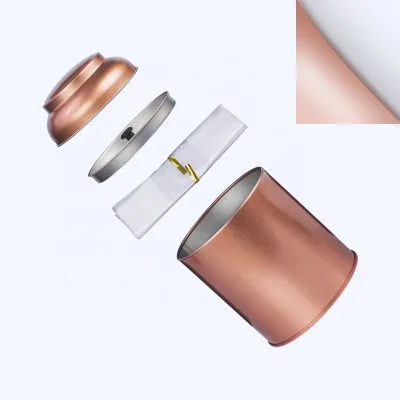


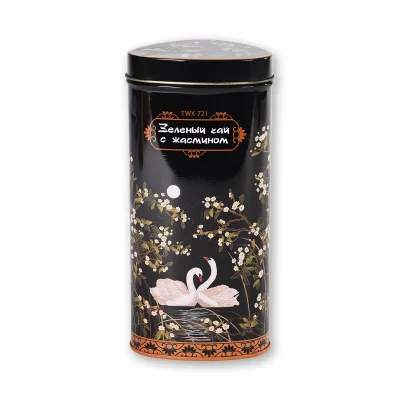

Small Custom Logo Round Metal Tea Cookies Packing Tinplate Tin Box Can
$0.40 - $0.60
MOQ: 50000 Pieces


Comprehensive Sourcing Guide
Tea Tinplate Tube Sourcing Guide
The Tea Tinplate Tube market offers a specialized segment of packaging solutions designed to preserve the freshness and aroma of loose-leaf teas while providing a premium aesthetic for retail presentation. Based on observed product attributes, these containers are frequently categorized as small package tanks or oval and rectangular tin boxes, often featuring air-tight lids to ensure an excellent barrier performance against moisture and oxygen. The material composition is consistently identified as tinplate, which provides the necessary mechanical strength and durability required for shipping and storage, while also supporting the eco-friendly and recyclable claims often associated with metal packaging in the food and beverage sector.
Buyers must navigate a diverse range of customization options, as the observed listings indicate that customization is available for logos, shapes, and surface handling techniques like screen printing. The product scope extends beyond simple storage to include applications for gifts, cosmetics, and health care products, suggesting that the Tea Tinplate Tube serves as a versatile vessel for high-value goods. The observed data highlights specific models such as the 401 and 603# series, which come in various weights ranging from 170g to 1588g, allowing procurement teams to select dimensions that align precisely with their product volume and branding requirements without over-engineering the packaging solution.
Product Scope and Observed Listing Signals
When evaluating the product scope, it is critical to distinguish between the structural design of the container and its intended usage environment. The observed listings reveal a clear segmentation between oval tin boxes without hinges and rectangular tin boxes with flush air-tight lids, indicating that the mechanical performance of the closure is a primary differentiator. For tea products, the presence of a double air-tight lid or a three-part construction is particularly relevant, as these features directly impact the shelf life of the contents by minimizing exposure to ambient humidity and light.
The visual and decorative attributes of the tinplate tube are equally significant for brand positioning, with observed products featuring exquisite decoration and various shapes to suit different market segments. The surface handling processes, such as screen printing, allow for the application of custom logos and intricate designs, which is essential for products marketed as gifts or premium tea blends. Buyers should verify that the "exquisite decoration" claim translates to high-quality printing standards that do not compromise the structural integrity of the tinplate, ensuring the final product maintains its "good mechanical performance" throughout the supply chain.
Technical Specifications to Verify
Technical verification begins with the physical dimensions and weight specifications, which are often listed as standard weights like 170g, 200g, 340g, or 500g, alongside specific model numbers such as WM22-145-1 or BK0652. Procurement teams must confirm that the selected model matches the actual volume requirements of the tea, as the observed data includes specific volume indicators like 150g, which may not align with all product formulations. It is essential to cross-reference the listed standard weights with the actual capacity of the tin to prevent underfilling or overfilling, which can lead to increased shipping costs or compromised product presentation.
The structural integrity of the tinplate tube relies heavily on the quality of the lid mechanism and the sealing process. Buyers should specifically verify the presence of features such as flush air-tight lids or double air-tight lids, as these are critical for maintaining the barrier performance required for food-grade storage. Additionally, the surface handling method, such as screen printing, must be evaluated for its ability to adhere to the metal surface without peeling or fading, ensuring that the "exquisite decoration" remains intact during handling and transport. The material thickness and the specific tinplate grade should also be confirmed to ensure the container can withstand the rigors of export packaging without deformation.
Compliance and Safety Documentation
Compliance and safety documentation are paramount when sourcing packaging for food and beverage applications, as the observed listings cite a range of certifications including ISO, CE, CIQ, BSCI, Sedex, and BRC. These certifications indicate that the supplier adheres to international quality management systems and ethical labor standards, which are essential for maintaining brand reputation and meeting the requirements of global retailers. Buyers must request current, valid certificates for each of these standards to ensure that the supplier's quality control processes are up to date and that the facility has been audited by recognized third-party bodies.
In addition to general certifications, specific food safety testing is required to verify that the tinplate tube is safe for direct or indirect contact with consumable goods. The observed data references testing standards such as FDA, LFGB, En71-3, and BPA, which are critical for ensuring that the packaging does not leach harmful substances into the tea or other food products. Procurement teams should demand test reports that specifically address the migration of heavy metals and the absence of bisphenol A, as these are common concerns in metal packaging. The presence of these test results provides the necessary assurance that the product meets the stringent safety regulations of major markets like the United States and the European Union.
Cost Drivers and Commercial Terms
The cost of tea tinplate tubes is influenced by several key drivers, including the complexity of the customization, the volume of the order, and the specific material specifications. The observed MOQ range spans from 1 to 500,000 pieces, indicating that suppliers offer flexibility for both small-batch prototyping and large-scale production runs. Buyers should be aware that higher customization levels, such as intricate screen printing or unique shapes, may incur additional tooling costs that are amortized over the order quantity, making larger orders more cost-effective per unit.
Commercial terms regarding packaging and logistics also play a significant role in the total landed cost. The observed listings show varied packing methods, ranging from individual polybag packaging to bulk cartons with paper labels, which affects the efficiency of the loading process and the protection of the goods during transit. Buyers must clarify whether the price includes the cost of the export cartons and the specific packing configuration, as this can impact the number of units that fit into a shipping container. Additionally, the origin of the product, whether from Tianjin or Dong Guan, may influence freight costs and lead times, requiring careful calculation of the total cost of ownership.
Supplier Qualification and Quality Control
Supplier qualification involves a rigorous assessment of the manufacturer's production capabilities and their track record in delivering consistent quality. The observed data highlights a mature process and high production efficiency, which suggests that established suppliers can handle large volumes with minimal defects. However, buyers should verify these claims by requesting samples that demonstrate the "good mechanical performance" and "excellent barrier performance" mentioned in the product attributes. It is essential to test the samples for seal integrity, print quality, and structural durability to ensure they meet the specific requirements of the tea product.
Quality control protocols must be clearly defined and agreed upon before production begins to mitigate the risk of receiving substandard goods. Buyers should establish clear acceptance criteria for visual defects, such as scratches or misaligned prints, and define the acceptable tolerance levels for dimensions and weight. The supplier's ability to provide a comprehensive quality control report, including inspection results for the final batch, is a critical factor in the selection process. Furthermore, the supplier's adherence to the observed certifications like ISO and BRC should be validated through recent audit reports to ensure ongoing compliance with international standards.
Long-Term Procurement Checks
Long-term procurement success depends on the ability to maintain consistent quality and supply stability over time. Buyers should implement a system for periodic re-verification of the supplier's certifications and test results, as these documents may expire or require renewal. It is also important to monitor the supplier's production capacity and lead times to ensure they can meet fluctuating demand without compromising on quality or delivery schedules. Regular communication and site visits can help build a strong partnership and allow for early detection of any potential issues in the supply chain.
Sustainability and environmental impact are increasingly important factors in long-term procurement strategies, especially given the eco-friendly and recyclable nature of tinplate. Buyers should assess the supplier's commitment to sustainable practices, such as the use of recycled materials and energy-efficient manufacturing processes. The ability of the tinplate tube to be recycled and reused aligns with global trends toward circular economy principles, which can enhance the brand's image and appeal to environmentally conscious consumers. By prioritizing suppliers who demonstrate a genuine commitment to sustainability, buyers can future-proof their procurement strategy and contribute to a more responsible supply chain.
FAQs
What certifications do the tea tinplate tubes have?
The products hold ISO, CE, CIQ, BSCI, Sedex, and Brc certifications. These credentials ensure compliance with international safety and quality standards for food and chemical packaging applications.
Can I request custom designs for these tin containers?
Yes, customization is available for these tinplate tubes. Buyers can specify shapes, sizes, and logo printing options to meet unique branding or functional requirements for their specific products.
Which materials are used to manufacture these tea tins?
These containers are made from tinplate, offering excellent barrier performance and durability. The material ensures the contents remain fresh while providing a recyclable and reusable solution for various industries.
What are the standard weight specifications for these packages?
Standard weights include 170G, 200G, 340G, 397G, 500G, and 1588G options. These specifications cater to different product volumes, ranging from small tea portions to larger bulk packaging needs.
How are these tin boxes packed for export?
Products are packed in paper labels and cartons or individually in polybags within export cartons. This packaging method ensures protection during transit and maintains the exquisite decoration of the containers.
Where are these tea tinplate tubes manufactured?
Manufacturing takes place in Tianjin and Dong Guan, China. These locations provide mature production processes with high efficiency to meet diverse order volumes and delivery schedules for global buyers.
What shapes are available for these tin containers?
Available shapes include oval, rectangle, and small package tank designs. Buyers can choose from various forms to suit specific product aesthetics, such as jewelry, cosmetics, or general food storage needs.