Source Teddy Candy Makeup Bags for Travel, Home, and Camping
Find 30 options for teddy candy makeup bags designed for travel, home organization, and camping. Compare features like waterproof polyester material, medium soft hardness, and customization options including logo printing and size variations to find the right fit for your needs.
Key considerations
Products List


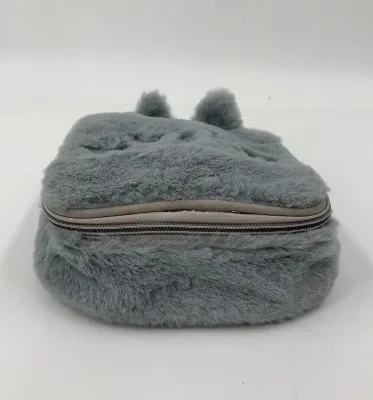


Large Capacity Waterproof Makeup Organizer Candy Color Toiletry Bag PU Cosmetic Bag
$0.99 - $1.99
MOQ: 100 Pieces

Candy Color Waterproof Zipper Travel Storage Bag Girls Portable Cosmetic Makeup Bag
$1.15 - $1.50
MOQ: 100 Pieces

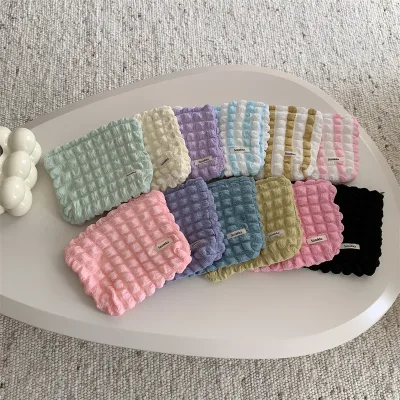
Candy Color Cosmetic Bag Customized Logo Quilted Polyester Cotton Makeup Bag
$1.35 - $1.64
MOQ: 100 Pieces




Comprehensive Sourcing Guide
Teddy Candy Makeup Bag Sourcing Guide
The Teddy Candy Makeup Bag represents a specialized niche within the cosmetic storage market, blending playful aesthetics with functional utility for both household and professional use. Based on observed market data, these products are characterized by a distinct "dumpling type" or "horizontal square" shape, often featuring a "candy color" palette and "cartoon" patterns that appeal to a unisex or female demographic. The design philosophy centers on "fashion" elements, utilizing materials like polyester to ensure durability while maintaining a soft, medium-soft hardness that is comfortable to handle. These bags are engineered for versatility, serving as essential accessories for traveling, camping, and daily household organization, with specific models designed to accommodate medium capacity needs.
Procurement of these items requires a focus on customization capabilities, as the market data indicates a strong prevalence of "customized" attributes ranging from size and design to logo printing. Buyers will encounter products offering "single open" or "double open" zipper configurations, with some models featuring specific handles for easier transport. The supply chain for these goods is anchored in regions like Anhui, China, where manufacturers provide options for "individual OPP bag packing" or bulk "carton" and "brown box" shipping. Understanding these structural and aesthetic variations is critical for aligning product selection with specific brand identities or target consumer preferences, ensuring the final inventory matches the intended "all-season" usage profile.
Product Scope and Observed Listing Signals
When evaluating the product scope, buyers must distinguish between the various functional types listed, such as "pouch," "bag," and specific model identifiers like "SU-CMT-198" or "RH437." The observed listings reveal a wide spectrum of physical dimensions, with sizes ranging from compact 191010cm units to larger 241615cm configurations, alongside standardized dimensions like 25124 cm. This variability suggests that the "teddy candy" descriptor often refers to a stylistic theme rather than a rigid dimensional standard, requiring buyers to verify the exact capacity and shape against their specific storage requirements. The presence of "customized size" as a standard attribute further emphasizes that off-the-shelf dimensions may not fit all use cases, necessitating a clear definition of needs before ordering.
The commercial signals in the market highlight a high degree of flexibility in production and packaging, with suppliers offering "customized design" and "pms printing" for logos. Buyers should note that while some products are listed with specific features like "waterproof" capabilities and "silkscreen" or "digital printing" options, these attributes are not universal across all SKUs. The observed price range of 0.01 to 4.64 USD and MOQs between 2 and 1000 units indicate a market that accommodates both small-scale sampling and large-volume commercial orders. However, the variation in packing methods, from individual OPP bags to brown boxes and cartons, means that logistics planning must account for different packaging standards depending on the specific supplier and order volume.
Technical Specifications to Verify
Technical verification begins with the material composition and construction quality, specifically confirming the use of polyester and the nature of the handle material, which is often listed as "customized." Buyers should request physical samples to assess the "medium soft" or "soft" hardness levels, ensuring the bag maintains its shape without being too rigid or too flimsy for the intended "traveling" or "camping" applications. The zipper mechanism is a critical component, with listings specifying "single open" or "double open" features; verifying the smoothness of the zipper operation and its durability under repeated use is essential to prevent product failure during the product's lifecycle. Additionally, the "waterproof" claim should be validated through testing, as this feature is vital for protecting cosmetics and toiletries in varied environmental conditions.
Dimensional accuracy and printing quality are equally critical technical parameters that require strict verification against the provided specifications. While models like "SU-CMT-202" and "makeup bag" generic types are listed, the actual size must be measured to ensure it matches the claimed 191010cm or 241615cm dimensions, as "customized size" can lead to significant variance if not tightly controlled. The printing methods, including "silk screen," "digital printing," and "heat transfer print," must be evaluated for color fastness and adhesion, particularly for "cartoon" patterns and "pms printing" logos that define the product's visual identity. Buyers should also confirm the "sample time" of 5-7 days to ensure that the production timeline aligns with their launch schedules, as delays in sample approval can cascade into significant delays in mass production.
Compliance and Safety Documentation
While the supplied data does not explicitly confirm specific certification statuses, buyers in the cosmetic accessory sector must proactively request documentation regarding chemical safety and material compliance. Trusted category knowledge suggests that products intended for personal care and travel should adhere to standards such as REACH and RoHS, which regulate the use of hazardous substances in textiles and accessories. Although these certifications are listed as low-confidence background information, they represent a critical verification step for any supplier claiming to produce "fashion" items for a global market. Procurement teams should require a Declaration of Conformity or test reports from accredited laboratories to ensure that the polyester materials and printing inks do not contain prohibited phthalates or heavy metals.
Safety documentation also extends to the physical integrity of the product, particularly regarding the zipper and handle construction. For items marketed as "waterproof" and suitable for "camping & traveling," buyers should verify that the seams and stitching meet durability standards that prevent leakage or structural failure. The "customized" nature of many products means that standard compliance certificates may not automatically apply to every design iteration; therefore, each custom design should be subject to a specific safety review. Buyers must ensure that the supplier has a robust quality management system in place to maintain consistency in safety standards across different production batches, especially when dealing with "customized logo" or "blank bag" options that may involve different material sourcing.
Cost Drivers and Commercial Terms
The cost structure for teddy candy makeup bags is heavily influenced by the level of customization required, with "customized design," "customized size," and "customized logo" serving as primary cost drivers. While the observed price range starts as low as 0.01 USD, this likely reflects base unit costs for simple, non-customized items or bulk orders with minimal specifications. As buyers introduce specific requirements such as "pms printing," "heat transfer print," or unique "dumpling type" shapes, the unit cost will inevitably rise due to the additional setup fees and specialized labor involved. Understanding this correlation is essential for budgeting, as the final price is a function of the complexity of the design and the volume of the order, which ranges from an MOQ of 2 to 1000 units.
Commercial terms regarding lead times and packaging must be clearly defined to avoid supply chain disruptions. The observed "sample time" of 5-7 days provides a baseline for the initial prototyping phase, but mass production lead times will vary based on the "customized" nature of the order and the supplier's capacity. Buyers should negotiate clear terms for "individual OPP bag packing" versus bulk "carton" or "brown box" shipping, as these packaging choices impact both the unit cost and the logistics expenses. Furthermore, the "customized" standard implies that production schedules may be flexible but require precise communication; establishing a firm timeline for sample approval and mass production delivery is crucial to ensure that the "all-season" products are available when market demand peaks.
Supplier Qualification and Quality Control
Supplier qualification for this product category requires a deep dive into their manufacturing capabilities and their ability to handle "customized" orders with precision. Buyers should verify the supplier's location, with Anhui, China being a noted origin, and assess their experience in producing "fashion" items with specific aesthetic requirements like "candy color" and "cartoon" patterns. The ability to offer "customized design" and "customized size" indicates a flexible production line, but this flexibility must be balanced with rigorous quality control processes to ensure that every batch meets the specified "medium soft" hardness and "waterproof" standards. Requesting a factory audit or detailed video tour can provide insight into their equipment and workflow, ensuring they can consistently deliver on the "single open" or "double open" zipper specifications.
Quality control protocols must be established to monitor the consistency of printing and material quality across different production runs. Given the variety of printing methods available, such as "silk screen," "digital printing," and "heat transfer print," buyers should implement a sampling plan that tests color accuracy, adhesion, and durability. The "customized" nature of the product means that even minor deviations in the "cartoon" pattern or logo placement can affect the final product's appeal, making pre-shipment inspections essential. Buyers should also verify the supplier's ability to handle "blank bag" options alongside customized designs, ensuring that the quality control standards remain consistent regardless of the level of personalization. Establishing a clear defect rate threshold and a process for handling non-conforming goods is vital for maintaining brand reputation.
Long-Term Procurement Checks
Long-term procurement success depends on the supplier's ability to maintain consistency in product attributes and adapt to changing market trends. Buyers should regularly review the supplier's performance against key metrics such as sample turnaround time, defect rates, and adherence to the agreed-upon "customized" specifications. The "all-season" nature of the product suggests a need for steady inventory levels, requiring the supplier to demonstrate reliability in meeting demand fluctuations without compromising on the "fashion" elements or material quality. Establishing a long-term partnership involves regular communication and joint reviews of product performance, ensuring that the "teddy candy" aesthetic remains relevant and that the functional aspects like "waterproof" capabilities continue to meet user expectations.
Sustainability and supply chain resilience are increasingly important factors for long-term procurement in the cosmetic accessory sector. Buyers should inquire about the supplier's practices regarding material sourcing, particularly for the polyester used in these bags, and their commitment to environmental standards. While specific certifications like BSCI are noted as low-confidence background information, verifying the supplier's adherence to ethical labor practices and environmental regulations can mitigate reputational risks. Additionally, buyers should assess the supplier's capacity to innovate, ensuring they can introduce new "fashion elements" or "pattern types" as consumer preferences evolve. A proactive approach to supply chain management, including regular audits and performance reviews, will help secure a stable and high-quality supply of teddy candy makeup bags for the long term.
FAQs
What materials are used for teddy candy makeup bags?
Teddy candy makeup bags are typically crafted from durable polyester fabric. This material choice ensures the pouches are waterproof and suitable for various uses including household, professional, and camping travel. The medium soft or soft hardness provides a comfortable feel while maintaining structural integrity for daily carry.
Can I customize the logo on these makeup bags?
Yes, customization is available for these products. Buyers can opt for PMS printing to apply specific logos or designs. The supplier accepts customized designs or blank bags, allowing for flexible branding options. This service supports both individual and bulk orders for personalized marketing or personal use.
What are the standard sizes for these pouches?
Sizes vary by model but often include dimensions like 19x10x10cm or 24x16x15cm. Some models offer customized sizes to meet specific storage needs. The capacity is generally medium, making them ideal for organizing cosmetics, travel essentials, or small accessories while remaining compact enough for easy portability.
How long does it take to get a sample?
The sample time is typically 5-7 days. This allows buyers to verify quality, material, and printing accuracy before committing to larger orders. The product origin is China, with specific production in Anhui, ensuring efficient logistics for international sourcing. Samples help confirm the candy color and cartoon pattern details.
Are these bags suitable for unisex use?
Yes, these makeup bags are designed for unisex use. While some styles feature feminine elements like candy colors or cartoon patterns, the functional design supports all genders. They are suitable for traveling, camping, and professional use, offering a versatile storage solution for various personal items regardless of gender preference.
What packaging is used for shipping these items?
Items are packed in individual OPP bags for retail readiness. Bulk shipments may use brown boxes or cartons for protection during transit. This packaging ensures the products remain clean and undamaged. The individual OPP bag packing also facilitates easy display and handling for retailers or direct consumers receiving the goods.