Source Teenager Friendship Bracelet Making Kit for Gifts
Explore 30 verified listings for a Teenager Friendship Bracelet Making Kit. Compare materials such as plastic, acrylic, and polymer clay. Review MOQs, packaging options, and customization features to find the best bulk supply for your business needs; compare the available evidence and request quotations based on your requirements.
Key considerations
Products List
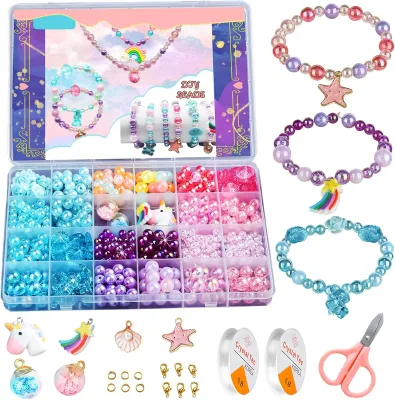


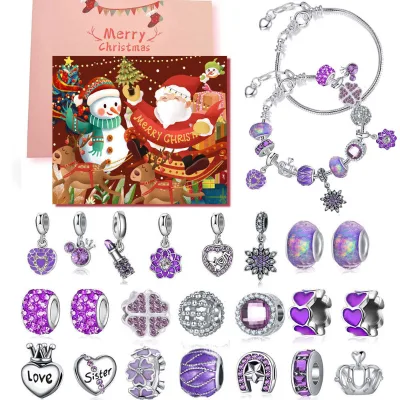


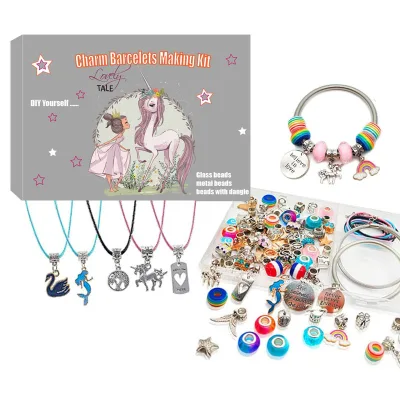

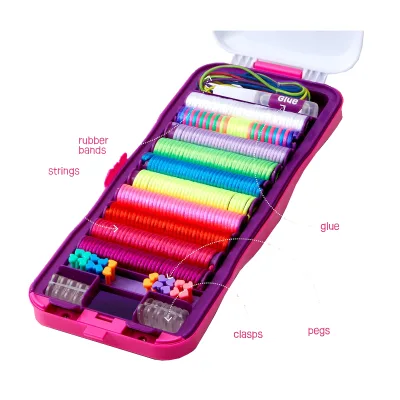
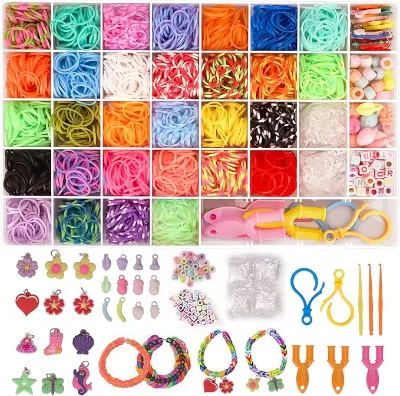
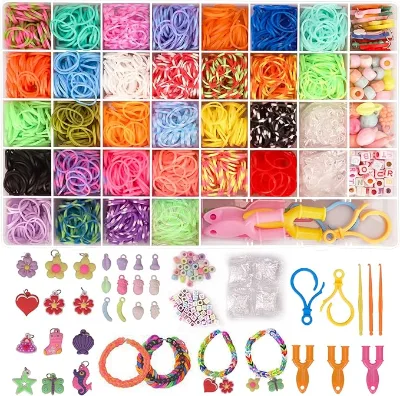

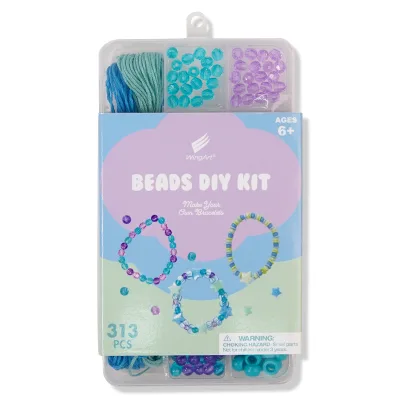
Hot Selling Bracelet Making Kit Charm Pendant Diy Bracelet Making Bracelet Making Kit for Girls
$0.72 - $0.77
MOQ: 30000 pieces
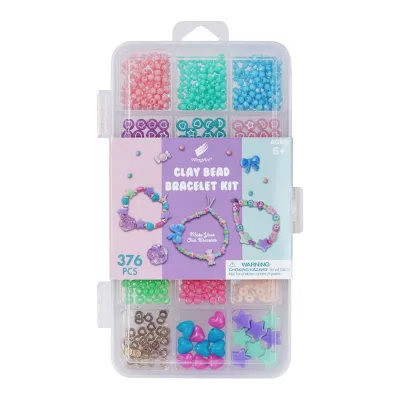


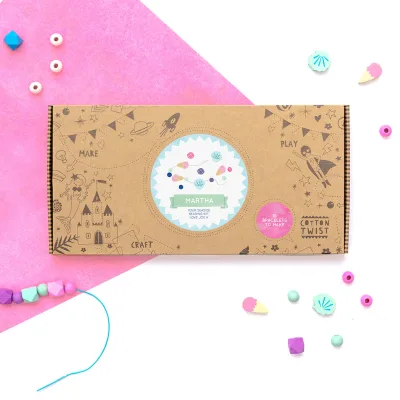


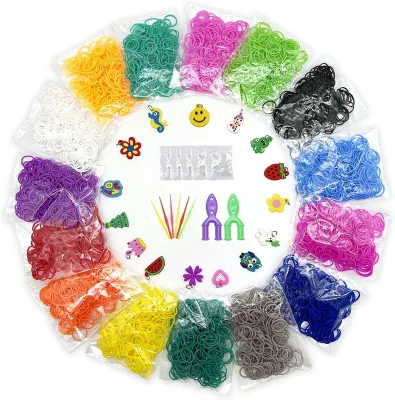


Loom Bands Kit Rubber Bands for Bracelet Making Kit DIY Art and Craft Mega Refill Kit
$4.24 - $4.28
MOQ: 1000 Pieces


Wholesale DIY Bracelet Craft Kit Colorful Threads Gift Jewelry Making Toys
$3.98 - $4.00
MOQ: 250 Pieces

Wholesale Friendship Bracelet Kit Beads Kids Bracelets Crafts Gift Jewelry Making Toys
$3.98 - $4.00
MOQ: 250 Pieces

Comprehensive Sourcing Guide
Teenager Friendship Bracelet Making Kit Sourcing Guide
The market for teenager friendship bracelet making kits presents a diverse array of options tailored to specific creative needs and age groups. Based on observed listings, these kits typically include components like plastic, acrylic, or polymer clay beads ranging from 6mm to 10mm, often paired with nylon cords for assembly. The product themes vary significantly, covering animals, nature, transportation, and fantasy concepts, which allows buyers to target distinct sub-segments within the teenage demographic.
Procurement decisions must account for the wide variance in packaging and minimum order quantities found in current listings. Some suppliers offer color box packing with a minimum order of just ten sets, while others require bulk purchases of up to 30,000 units with single-item selling units. Understanding these commercial thresholds is essential for aligning inventory investment with projected sales volume and ensuring the selected kit matches the intended retail strategy.
Product Scope and Observed Listing Signals
Buyers should verify that the product scope aligns with the specific age ranges identified in the supply data, which span from toddlers to older teenagers. The observed listings explicitly mention age groups such as 4-6 years, 7-12 years, and 12 years and up, indicating that a single supplier may offer kits suitable for different developmental stages. This variation requires careful selection to ensure the complexity of the bracelet-making process matches the motor skills and attention span of the target teenage customer.
The material composition of the kits is another critical signal that influences both safety and the final aesthetic of the finished product. Current market observations show a mix of materials including plastic, acrylic, and polymer clay, often combined with nylon cords. Sourcing teams must confirm that the specific material mix supports the desired durability and visual appeal, as the choice between rigid acrylic beads and softer polymer clay will dictate the type of jewelry the teenager can successfully create.
Technical Specifications to Verify
Technical verification must begin with the physical dimensions of the single package and the weight of the individual unit. Listings indicate package sizes ranging from 15x10x5 cm to 20x20x3 cm, with single gross weights varying between 0.200 kg and 0.300 kg. These specifications are vital for calculating shipping costs and determining the most efficient storage solutions for warehouse operations, as even small differences in volume can significantly impact logistics expenses for bulk orders.
The bead size and model number consistency are equally important technical parameters that define the product's identity and functionality. Observed data highlights specific model numbers like J.M.R.D-1002 and J.M.R.D-331, with bead sizes generally falling between 8mm and 10mm, though some variations exist. Buyers should ensure that the model number corresponds to the exact bead size and theme required, as mixing incompatible components from different models could result in a kit that is difficult for the end-user to assemble.
Compliance and Safety Documentation
Safety compliance is paramount when sourcing products intended for children and teenagers, particularly those involving small beads and cords. While the supplied facts do not list specific certification numbers, the presence of age ranges starting from 25 months implies a need for rigorous testing against choking hazard standards. Procurement teams must request documentation confirming that the plastic, acrylic, and polymer clay materials meet relevant safety regulations for toys and jewelry intended for younger demographics.
Documentation regarding the packaging and material safety should also be scrutinized to ensure there are no hidden risks. The observed use of color boxes, plastic boxes, and OPP bags suggests that the outer packaging must be durable enough to protect the contents during transit without introducing sharp edges or toxic inks. Buyers should verify that the supplier provides evidence of material safety for all components, including the nylon cords and any metal accents, to prevent liability issues related to skin irritation or ingestion hazards.
Cost Drivers and Commercial Terms
Cost drivers in this category are heavily influenced by the minimum order quantity and the complexity of the packaging design. The observed MOQ range is vast, stretching from 10 pieces to 30,000 units, which directly impacts the unit price and cash flow requirements. Suppliers offering lower MOQs may charge a premium per unit, whereas larger orders often benefit from economies of scale, but the buyer must balance this against the risk of overstocking if the product does not sell as expected.
Commercial terms regarding delivery time and customization options also play a significant role in the total cost of ownership. Lead times observed in the market range from 3 to 5 days, which is relatively short, but customization requests such as OEM logos or specific color themes may extend these timelines. Buyers need to negotiate clear terms that account for potential delays in custom branding while ensuring that the competitive pricing structure remains viable for their target retail price point.
Supplier Qualification and Quality Control
Supplier qualification should focus on their ability to handle OEM and ODM requests while maintaining consistent product quality. The data indicates that many suppliers accept customized logos and offer OEM services, which suggests a flexible manufacturing base. However, buyers must verify the supplier's track record in managing these customizations to ensure that the final product matches the approved samples, particularly regarding the accuracy of the theme and the quality of the printed packaging.
Quality control protocols must be established to monitor the consistency of the bead sizes and the integrity of the cords. Since the kits involve multiple small components, there is a risk of missing items or defective beads in the final package. Buyers should implement a pre-shipment inspection process that checks the single package size, gross weight, and the completeness of the kit contents to ensure that every unit meets the specified standards before it leaves the factory.
Long-Term Procurement Checks
Long-term procurement success depends on the supplier's ability to maintain consistent lead times and inventory availability over multiple seasons. The observed delivery times of 3 to 5 days are promising, but buyers must confirm that these timelines remain stable during peak production periods. Establishing a reliable supply chain requires regular communication with the supplier to anticipate any potential disruptions that could affect the timely delivery of orders to retailers.
Continuous evaluation of product performance and customer feedback is essential for refining future procurement strategies. As the market for friendship bracelet kits evolves, buyers should monitor how well the current themes and materials resonate with teenage customers. Regularly reviewing sales data and return rates will help identify which models and material combinations are most successful, allowing for data-driven decisions when placing subsequent orders with the supplier.
FAQs
What materials are used in the J.M fashion bracelet making kits?
The kits primarily utilize plastic, acrylic, and polymer clay beads, often paired with nylon cord for assembly. Some variations include metal accents to enhance durability and aesthetic appeal. These materials are selected for their safety and ease of use, ensuring a smooth crafting experience for users of various ages without compromising on quality or design flexibility.
Can I customize the logo on these jewelry making kits?
Yes, the supplier accepts OEM and ODM requests, allowing for customized logos on the packaging or products. This service is available for bulk orders, enabling brands to personalize their offerings. Buyers should confirm specific customization requirements and minimum order quantities directly with the manufacturer to ensure the design meets their branding standards and production capabilities.
What is the typical delivery time for these bracelet kits?
The standard delivery time ranges from 3 to 5 days after order confirmation. This quick turnaround supports efficient inventory management for retailers. However, lead times may vary based on order volume and customization needs. Buyers are advised to confirm exact schedules with the supplier in Zhejiang, China, to align with their supply chain requirements and avoid potential delays.
Which age groups are these friendship bracelet kits suitable for?
The kits are designed for a wide age range, including children aged 4-6, 7-12, and teenagers aged 12 and above. Some sets are also suitable for toddlers aged 25-36 months. The mixed bead sizes and themes cater to different skill levels, making them versatile gifts for birthdays, parties, or educational activities across multiple demographics.
What are the packaging options for these fashion jewelry kits?
Packaging options include color box packing, plastic box packing, and OPP bag packing. Each kit is individually packaged to protect the contents during shipping. The single gross weight ranges from 0.200 kg to 0.300 kg, with package dimensions varying slightly based on the specific model. Buyers can choose packaging that best fits their retail display or shipping needs.
What is the minimum order quantity for these bracelet making kits?
The minimum order quantity varies by product model, ranging from 10 sets to 30,000 pieces. Specific models like J.M.R.D-1002 have an MOQ of 30 pcs, while others may require 50 or 1000 sets. Buyers should check the specific model details to determine the applicable MOQ, as bulk orders often benefit from more competitive pricing structures.