Source Thin Portable Gaming Monitor with Three Screens Extension for Gaming, Design, Surveillance
Find a Thin Portable Gaming Monitor with Three Screens Extension among 30 listings from Guangzhou suppliers. Compare models like AE-LED22-QL and AE-LED24-QX featuring HDMI interfaces, TFT or VA panels, and resolutions up to 1920x1080 for indoor advertising, computer use, and surveillance applications.
Key considerations
Products List


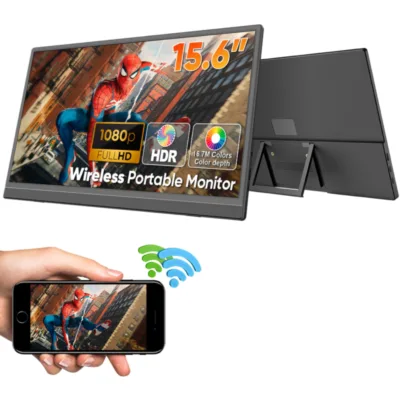
15.6 Inch Portable Multifunctional Monitor with HD and Type-C Gaming Monitor
$135.00 - $139.00
MOQ: 1 piece


Comprehensive Sourcing Guide
Sourcing Guide for Thin Portable Gaming Monitors with Three-Screen Extension
Understanding the Technical Landscape for Multi-Screen Gaming Setups
Procuring a thin portable gaming monitor capable of supporting a three-screen extension requires a precise understanding of the underlying display technologies and interface capabilities. The market for such devices is defined by the need for high refresh rates, low response times, and robust connectivity to ensure seamless multi-monitor performance. Based on the available product data, the core display technology often relies on TFT LCD glass, which serves as the fundamental layer for image generation. These units are frequently categorized as LCD monitors with specific panel types, including VA (Vertical Alignment) and standard TFT configurations.
For a three-screen extension setup, the aspect ratio and resolution are critical determinants of usability. While some units in the observed inventory feature a 16:9 aspect ratio, which is standard for modern gaming and computer applications, others are noted with a 4:3 ratio. This variation is significant for procurement because a 4:3 screen may introduce layout challenges when attempting to align three monitors for a unified gaming experience. The optimal resolution observed in the data is 1920 pixels across the horizontal axis, paired with specific response times ranging from 4ms to 5ms. In a gaming context, a 4ms response time is generally preferred to minimize motion blur, whereas a 5ms response time may be acceptable for less competitive scenarios.
The refresh frequency is another pivotal technical specification. Data indicates a refresh rate of 75Hz for certain models. For a high-performance gaming setup, buyers must verify if the specific unit supports higher refresh rates, as 75Hz is a baseline that may not satisfy the demands of fast-paced competitive gaming. The interface type is consistently listed as HDMI, which is the standard for digital video transmission. However, for a three-screen configuration, the availability of multiple input ports, such as HDMI, VGA, and USB, becomes a logistical necessity to manage signal distribution and power. The brightness levels observed vary, with some units rated at 200 Nits and others at 180 CD/M2. In a portable gaming environment, higher brightness is often required to combat ambient light, so verifying the specific nit rating of the chosen model is essential.
Compliance and Certification Verification Protocols
When sourcing industrial or consumer electronics for B2B applications, verifying compliance with international standards is non-negotiable. The supply chain for these monitors often includes certifications such as CE, CCC, RoHS, and ISO9001. These certifications indicate that the manufacturer adheres to specific safety, environmental, and quality management protocols. The CE mark suggests conformity with health, safety, and environmental protection standards for products sold within the European Economic Area. The CCC (China Compulsory Certification) is a mandatory requirement for products sold in China, ensuring they meet local safety standards. RoHS compliance indicates that the product is manufactured without specific hazardous materials, which is increasingly important for global supply chains. ISO9001 certification demonstrates that the supplier maintains a quality management system that meets international standards.
Buyers must treat these certifications as observations that require validation rather than automatic guarantees for every listed product. The presence of these marks in a product listing should trigger a request for the actual certificate documents from the supplier. It is crucial to verify that the specific model number, such as the AE-LED22-QL or AE-LED24-QX, is covered under the provided certification. Sometimes, a supplier may hold a general certification for a product line, but specific sub-models might have different manufacturing origins or component sources that could affect compliance status. Additionally, the physical dimensions and packaging standards, such as the 585x585x393mm standard or the 540x321x40mm standard, must align with the logistical requirements of the buyer's distribution network.
Cost Drivers and Pricing Structure Analysis
The pricing structure for thin portable gaming monitors is influenced by several key factors, including screen size, panel technology, and the complexity of the multi-screen extension capabilities. The observed price range in the market spans from $15.5 to $960 USD. This wide variance suggests that the cost is heavily dependent on the specific configuration and the intended application. Lower-priced units may be designed for basic computer applications or surveillance, while higher-priced units likely incorporate advanced features such as higher brightness, better contrast ratios, or specialized gaming panels.
The Minimum Order Quantity (MOQ) is another significant cost driver. The observed MOQ range is between 1 and 500 units. For buyers looking to test the market or fulfill small-scale projects, an MOQ of 1 is advantageous, allowing for low-risk procurement. However, for large-scale deployments requiring three-screen extensions, negotiating an MOQ closer to the higher end of the range might yield better unit economics. The power consumption, listed as 12V/3A or 25W, also impacts the total cost of ownership, particularly for installations where power efficiency is a priority.
Furthermore, the packing and shipping costs contribute to the overall landed cost. Products are typically packed in cartons with foam or transport packages, with dimensions such as 595x120x385mm and a weight of 3.6kg. The shipping method, whether sea or air, will significantly affect the final price. Air freight is faster but more expensive, while sea freight is cost-effective for large volumes but involves longer lead times. Buyers should calculate the total cost of ownership, including the unit price, shipping, and any potential customs duties, to ensure the project remains within budget.
Typical Applications and Use Case Scenarios
The versatility of these monitors allows them to serve a wide range of applications beyond traditional gaming. The data indicates that these units are suitable for indoor environments, advertising displays, computer workstations, and surveillance systems. For gaming, the thin portable form factor and HDMI connectivity make them ideal for creating immersive three-screen setups that provide a wider field of view. The 16:9 aspect ratio is particularly well-suited for modern gaming titles, while the 4:3 ratio might be more appropriate for legacy applications or specific surveillance monitoring tasks.
In the advertising sector, the LED backlight display feature ensures that content remains vibrant and visible even in well-lit environments. The brightness levels of 180-200 Nits are adequate for indoor advertising, but buyers should verify if higher brightness options are available for semi-outdoor or high-ambient-light applications. For surveillance, the 24-inch and 27-inch screen sizes offer a balance between detail visibility and space efficiency. The ability to mount these units on a desktop or wall adds to their flexibility, allowing for custom installation configurations in control rooms or gaming lounges.
The application list also includes graphic design and big-screen projects, suggesting that these monitors can handle high-resolution content with good color reproduction. The contrast ratios, ranging from 1000:1 to 3000:1, play a crucial role in image quality, with higher ratios providing deeper blacks and more vivid colors. Buyers should match the monitor's specifications to the specific demands of their use case, ensuring that the refresh rate and response time meet the performance requirements of the intended application.
Supplier Evaluation and Quality Assurance Strategies
Evaluating suppliers for thin portable gaming monitors requires a rigorous approach to ensure quality and reliability. The origin of the products is primarily Guangzhou, China, a major hub for electronics manufacturing. Buyers should verify the supplier's production capabilities and their ability to maintain consistent quality across batches. The presence of certifications like CE, CCC, RoHS, and ISO9001 is a positive indicator, but it should be complemented by on-site audits or third-party quality inspections.
Quality control should focus on critical performance metrics such as response time, refresh rate, and brightness consistency. For a three-screen extension, the synchronization of the displays is paramount. Buyers should request sample units to test the synchronization capabilities and ensure that there are no visible seams or color mismatches between the screens. The packing standards, such as the use of foam and specific carton dimensions, are also indicators of the supplier's attention to detail in protecting the product during transit.
When evaluating suppliers, buyers should also consider the customization options available. The data indicates that customization is available, which can be a significant advantage for buyers with specific branding or technical requirements. However, customization often comes with higher MOQs and longer lead times, so it is essential to balance these factors against the project timeline and budget. The supplier's ability to provide technical support and after-sales service is also a critical factor in the selection process.
Long-Term Procurement and Operational Considerations
Sourcing thin portable gaming monitors for a three-screen extension is not just a one-time transaction but a long-term commitment that requires careful planning. The lead times and shipping methods, such as sea or air, must be factored into the procurement schedule to avoid delays. The observed shipping options suggest that buyers have flexibility in choosing the method that best suits their urgency and budget constraints.
Long-term considerations also include the availability of spare parts and the potential for future upgrades. As technology evolves, the demand for higher refresh rates and lower response times may increase. Buyers should ensure that the supplier has a roadmap for product development and can provide updates or replacements as needed. The power requirements, such as the 12V/3A specification, should be compatible with the buyer's existing infrastructure to avoid the need for additional power adapters or converters.
Finally, the environmental impact of the procurement should be considered. The RoHS certification ensures that the products are manufactured without hazardous materials, aligning with sustainability goals. Buyers should also evaluate the packaging materials to ensure they are recyclable or environmentally friendly. By taking a holistic approach to procurement, buyers can ensure that their investment in thin portable gaming monitors delivers value over the long term while meeting technical, financial, and environmental objectives.
Comparative Analysis of Key Specifications
To facilitate a clear comparison of the available options, the following table summarizes the key specifications observed in the product data. This comparison highlights the variations in screen size, resolution, and other critical attributes that buyers should consider when selecting a monitor for a three-screen extension.
| Specification | Model AE-LED22-QL | Model AE-LED24-QX | Model AE-LED27-QX | Model AE-LED22-HS |
|---|---|---|---|---|
| Screen Size | 24" | 24" | 27" | 22" |
| Panel Type | TFT LCD | VA | TFT | TFT |
| Aspect Ratio | 16:9 | 16:9 | 4:3 | 16:9 |
| Optimum Resolution | 1920x | 1920x | 1920x | 1920x |
| Response Time | 4ms | 4ms | 5ms | 5ms |
| Refresh Frequency | 75Hz | Not Listed | Not Listed | Not Listed |
| Brightness | 200 Nit | 180 CD/M2 | Not Listed | Not Listed |
| Contrast Ratio | 3000:1 | 1000:1 | Not Listed | Not Listed |
| Interface | HDMI | HDMI | HDMI, VGA, USB | HDMI, VGA, USB |
| Certification | Not Listed | CE, CCC, RoHS, ISO9001 | Not Listed | Not Listed |
| Origin | Guangzhou, China | China | China | Not Listed |
| Packing Standard | Transport Package | Carton with Foam | Carton Packing | 494 x 282 x 42 mm |
This table provides a snapshot of the differences between the models, aiding buyers in making an informed decision based on their specific needs. While the data offers a solid foundation, buyers should always verify the latest specifications with the supplier to ensure accuracy and relevance to their project requirements.
FAQs
What panel types are available for thin portable gaming monitors?
Available panel types include TFT LCD Glass and VA configurations. These options support various applications like computer use and surveillance, with response times ranging from 4ms to 5ms depending on the specific model selected.
Which resolution and refresh rates do these monitors support?
The monitors support an optimum resolution of 1920 pixels with a 16:9 aspect ratio. Refresh frequencies observed are 75Hz, which serves as a baseline for gaming and computer applications requiring stable display performance.
Can I find models with HDMI and VGA connectivity options?
Yes, input interfaces consistently include HDMI, while some models also support VGA and USB. This connectivity allows for versatile signal distribution required for multi-screen setups in indoor environments.
How do brightness levels vary across different monitor models?
Brightness levels observed range from 180 CD/M2 to 200 Nits. These specifications are suitable for indoor advertising and computer applications, though higher brightness may be needed for high-ambient-light scenarios.
What certifications are commonly associated with these LCD monitors?
Common certifications include CE, CCC, RoHS, and ISO9001. These marks indicate compliance with safety, environmental, and quality management standards, though buyers should verify specific model coverage for each certificate.
Which screen sizes are available for three-screen extension setups?
Screen sizes range from 22 inches up to 40 inches, with specific models available at 24 and 27 inches. These dimensions offer flexibility for desktop or wall-mounted installations in various indoor settings.
What are the typical power consumption and packing dimensions?
Power consumption is typically 12V/3A or 25W. Packing dimensions vary by model, such as 595x120x385mm, with weights around 3.6kg, ensuring secure transport via sea or air freight methods.