Source Third Party Appraisal Stackable Rings for machinery, electronics, and automotive
Compare 30 listings for Third Party Appraisal Stackable Rings featuring stainless steel, electroplating, and custom dimensions. Buyers can evaluate specifications like sealing rings, electric slip rings, and flat gaskets from verified Chinese manufacturers.
Key considerations
Products List


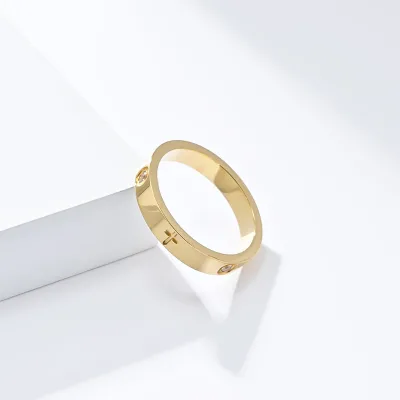


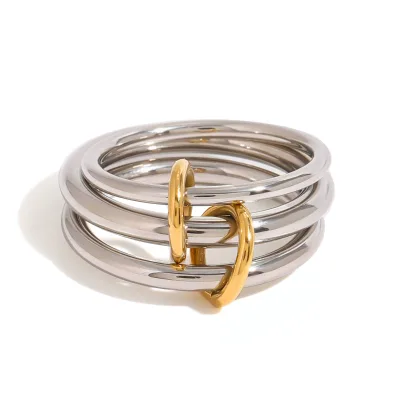

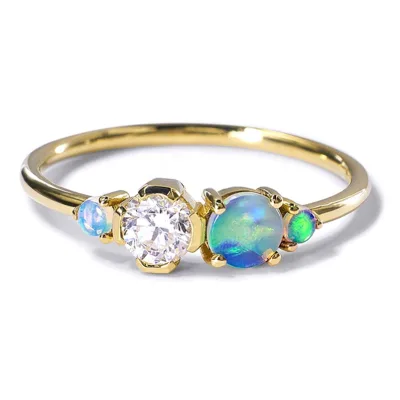


Comprehensive Sourcing Guide
Strategic Sourcing Guide for Third-Party Appraisal Stackable Rings
Understanding Product Variability and Technical Definitions
The procurement of third-party appraisal stackable rings requires a precise understanding that the market does not offer a single, monolithic product. Instead, the category encompasses a diverse array of components ranging from industrial sealing rings to electrical slip rings and mechanical fasteners. When buyers search for "stackable rings," they often encounter items with vastly different functional requirements, material compositions, and manufacturing processes. For instance, the supplied data indicates the existence of products explicitly categorized as "Intake Valve" components alongside items defined as "Electric Slip Ring" transmission mediums. This divergence highlights the necessity for buyers to first define the specific application context before initiating a search.
A critical observation in the current market is the prevalence of "Customized" attributes. Many suppliers list products where the standard component is marked as "Non-Standard Component," implying that off-the-shelf solutions may not meet specific engineering requirements. The product models observed in the market, such as "Sealing rings of various specifications" and "Metal Ring-071O," suggest that dimensions and tolerances are often variable. Furthermore, the shape is consistently described as "Round," yet the structural application varies significantly. Some items are identified as "Prime Ring" types, while others are classified as "Flat Gasket" or "Combination Washer Structure: A Type."
Buyers must also distinguish between the material properties of these rings. The market data shows a strong presence of "Stainless Steel" as a primary material, which is essential for applications requiring corrosion resistance. However, for electrical applications, the contact material is specified as "Gold or Silver," indicating a need for high conductivity and low resistance. The fabrication process also varies, with "Electroplating" and "Passivated" surface treatments being common. These processes are not merely aesthetic; they directly influence the longevity and performance of the ring in harsh environments. The "Plating Color" technology mentioned in the data further suggests that visual identification or specific coating requirements may be part of the customization process.
Compliance, Certification, and Quality Verification
When sourcing third-party appraisal stackable rings, verifying compliance and certification is paramount, particularly when the components are intended for critical industrial or electrical systems. The market data reveals that suppliers often claim certifications such as "CE" and "ISO," which are standard indicators of adherence to international safety and quality management systems. However, the presence of these certifications in a product listing does not guarantee that every unit in a specific order meets the same rigorous standards. Buyers must treat these as supplier-level claims that require validation through third-party testing or audit reports.
Quality assurance is another critical pillar of the procurement process. The data indicates that "100%" inspection is a common practice among suppliers, suggesting a commitment to screening out defective units before shipment. Additionally, specific quality attributes like "Best" and "High Strength" are listed, but these are subjective descriptors. To ensure reliability, buyers should request objective test data, such as tensile strength reports or electrical resistance measurements. For electrical slip rings, the "Electric Noise" specification is a vital metric, with observed values as low as "0.007ohm." This level of precision is necessary for high-signal integrity applications, and buyers should verify if their specific requirements align with these observed performance levels.
The "Guaranteed" period of "1 Year" mentioned in the data provides a baseline for warranty expectations, but this should be explicitly defined in the purchase agreement. It is crucial to understand what this guarantee covers, whether it applies to material defects, workmanship, or performance degradation under specific operating conditions. Furthermore, the "OEM: Yes" attribute indicates that suppliers are capable of producing goods under a buyer's brand, but this requires clear communication regarding intellectual property and design ownership. Buyers should also note that while "CE" and "ISO" are listed, the specific standards (e.g., ISO 9001:2015) are not always detailed in the initial product description, necessitating a deeper inquiry into the scope of the certification.
Cost Drivers and Pricing Dynamics
The pricing structure for stackable rings is highly variable, influenced by a complex interplay of customization, material costs, and order volume. The observed price range in the market spans from $0.02 to $1999 USD, a disparity that reflects the difference between simple, mass-produced washers and complex, custom-engineered electrical assemblies. The "Reasonable Price" attribute is frequently cited by suppliers, yet this is a relative term that depends heavily on the buyer's specific budget and the complexity of the required specifications.
Material costs are a primary driver of price variation. While "Stainless Steel" is a common and relatively cost-effective material, the inclusion of "Gold or Silver" contact materials for electrical applications will significantly increase the unit cost. The "Electroplating" and "Passivated" surface treatments also add to the manufacturing expense, as these processes require specialized equipment and chemical treatments. Additionally, the "Customized" nature of many products means that tooling and setup costs may be amortized over the order quantity, affecting the per-unit price.
Order volume plays a decisive role in cost optimization. The observed Minimum Order Quantity (MOQ) ranges from 1 to 300,000 units. For buyers requiring small quantities, the per-unit cost will be higher due to the lack of economies of scale. Conversely, large-volume orders can leverage the lower end of the price spectrum. The "Selling Units: Single Item" attribute suggests that some suppliers offer flexibility for prototyping or low-volume needs, though this may come with a premium. Buyers should also consider the "Sample: Availabile" option, which allows for cost-effective testing of product quality before committing to a large production run.
Packaging and logistics are secondary but significant cost factors. The data lists various packaging methods, including "Wooden Crate," "Bubble + Carton Box," and "Small Box, Color Box, PE Bag." The choice of packaging affects shipping costs and product protection. For heavy or delicate items, "Wooden Crate" packaging is essential but more expensive. The "Single Package Size" of 20x10x10 cm and the "Unit Weight(G): Standard" are critical for calculating freight charges, especially for international shipments from "China" or "Shen Zhen." Buyers should factor these logistical costs into their total cost of ownership calculations.
Typical Applications and Functional Requirements
The versatility of stackable rings allows them to serve a wide range of industrial applications, from automotive intake systems to electrical transmission and mechanical sealing. Understanding the specific application is essential for selecting the correct product specifications. In the automotive sector, "Intake Valve" components and "Sealing rings" are critical for maintaining engine efficiency and preventing fluid leaks. The "Non-Standard Component" status of many items suggests that these rings are often designed to fit unique engine configurations or custom machinery.
In the electrical domain, "Electric Slip Ring" applications are prominent. These components facilitate the transmission of power and data signals between stationary and rotating structures. The "Circuits: as Per Requested" and "Dimension: as Per Requested" attributes indicate that these rings are highly customizable to fit specific rotational assemblies. The "Gold or Silver" contact materials are chosen for their superior conductivity and resistance to oxidation, ensuring reliable signal transmission with minimal "Electric Noise." The "1 Year" guarantee and "100%" inspection are particularly important in this context, as electrical failures can lead to significant downtime or safety hazards.
Mechanical applications also rely heavily on stackable rings, particularly in the form of "Flat Gasket" and "Combination Washer Structure." These components are used to distribute load, prevent leakage, and maintain structural integrity in bolted joints. The "High Strength" quality attribute is crucial for applications involving high pressure or vibration. The "Passivated" surface treatment helps prevent corrosion, extending the service life of the assembly. Additionally, the "Eco-Friendly" feature suggests that some suppliers are adopting sustainable manufacturing practices, which may be a requirement for buyers with environmental compliance mandates.
The "Hook" type and "Plating Color" technology indicate specialized uses in consumer goods or decorative applications, where aesthetics and specific mechanical functions are equally important. The "Brand Name: Kongsun" and "Place of Origin: Guangdong, China" provide context for the supply chain, suggesting that many of these products are manufactured in a major industrial hub known for its diverse manufacturing capabilities. Buyers should align their application requirements with the specific product models and standards observed in the market to ensure optimal performance.
Supplier Evaluation and Selection Criteria
Selecting the right supplier for third-party appraisal stackable rings requires a rigorous evaluation process that goes beyond simple price comparisons. The "OEM: Yes" and "Customization: Available" attributes indicate that suppliers must have the technical capability to adapt their production lines to meet specific buyer needs. Buyers should assess the supplier's engineering support, including their ability to interpret "as Per Requested" specifications and provide design feedback. The "Reply: Within 48hours" attribute is a useful indicator of communication responsiveness, which is critical for resolving technical queries and managing order changes.
Lead time is another critical factor in supplier selection. The observed "Lead Time: 2~3 Weeks" and "Delivery: Quicky Production Time" suggest that suppliers can generally meet standard delivery schedules. However, for customized orders, lead times may extend due to the need for tooling or special material sourcing. Buyers should verify the supplier's capacity to handle rush orders and their track record for on-time delivery. The "Sample: Availabile" option allows buyers to evaluate the supplier's quality control processes before placing a large order, reducing the risk of receiving non-conforming products.
Geographic location and logistics capabilities are also important considerations. With "prod_origin: China" and "Place of Origin: Guangdong, China" being common, buyers should be aware of potential shipping delays, customs procedures, and import regulations. The "Wooden Crate" and "Bubble + Carton Box" packaging options suggest that suppliers are experienced in international shipping, but buyers should confirm the supplier's experience with their specific destination markets. Additionally, the "100%" inspection claim should be backed by a robust quality management system, such as the mentioned "ISO" certification, to ensure consistent product quality.
Quality Control and Long-Term Procurement Strategies
Implementing a robust quality control strategy is essential for mitigating risks associated with third-party appraisal stackable rings. The "100%" inspection claim is a strong starting point, but buyers should request detailed inspection reports that include specific test results, such as dimensional accuracy, material composition analysis, and electrical resistance measurements. For electrical slip rings, verifying the "Electric Noise: 0.007ohm" specification is critical, as even minor deviations can impact system performance. Buyers should also consider conducting their own third-party testing on a sample basis to validate the supplier's claims.
Long-term procurement strategies should focus on building a sustainable supply chain relationship. The "Guaranteed: 1 Year" warranty provides a baseline for post-purchase support, but buyers should negotiate terms that extend beyond this period for critical applications. Regular performance reviews, including feedback on product quality, delivery timeliness, and responsiveness, can help identify areas for improvement. The "Customized" nature of many products means that the supplier should be willing to engage in continuous improvement initiatives, adapting to changing design requirements or material standards.
Buyers should also monitor market trends and technological advancements that may impact the availability or performance of stackable rings. The "Eco-Friendly" feature suggests a growing demand for sustainable products, and suppliers who invest in green manufacturing practices may offer a competitive advantage. Additionally, the "Plating Color" and "Passivated" surface treatments indicate that aesthetic and protective coatings are evolving, and buyers should stay informed about new technologies that could enhance product durability or appearance.
Finally, maintaining a diversified supplier base can mitigate supply chain disruptions. While the "Brand Name: Kongsun" and other specific names may be prominent, relying on a single source can be risky. Buyers should evaluate multiple suppliers with similar capabilities to ensure continuity of supply. By combining rigorous quality control, strategic supplier evaluation, and a focus on long-term relationships, buyers can secure a reliable supply of high-quality stackable rings that meet their specific technical and operational requirements.
FAQs
Can I get custom Third Party Appraisal Stackable Rings with specific dimensions?
Yes, suppliers offer customized Third Party Appraisal Stackable Rings with dimensions as per your requested specifications. Many items are classified as non-standard components, allowing for unique rod diameters and sizes like M6 to M30 to be manufactured according to your exact engineering needs.
What materials are used for Third Party Appraisal Stackable Rings in electrical applications?
Electrical Third Party Appraisal Stackable Rings often use gold or silver contact materials to ensure high conductivity and low resistance. While stainless steel is common for structural parts, the contact surfaces require precious metals to maintain signal integrity with minimal electric noise during operation.
Which certifications do Third Party Appraisal Stackable Rings suppliers typically hold?
Suppliers frequently list CE and ISO certifications for their Third Party Appraisal Stackable Rings to demonstrate compliance with international standards. These certifications indicate adherence to safety and quality management systems, though buyers should verify specific standard versions like ISO 9001 during the sourcing process.
How long is the lead time for custom Third Party Appraisal Stackable Rings?
The standard lead time for custom Third Party Appraisal Stackable Rings is typically between two to three weeks. This duration applies to production after specifications are confirmed, though complex customizations or large order volumes may require additional time for tooling and manufacturing setup.
What is the minimum order quantity for Third Party Appraisal Stackable Rings?
Minimum order quantities for Third Party Appraisal Stackable Rings range widely from one unit to three hundred thousand units depending on the supplier. Single item sales are available for prototyping, while bulk orders benefit from lower per-unit pricing and established production economies of scale.
Can Third Party Appraisal Stackable Rings be sourced from specific locations in China?
Yes, Third Party Appraisal Stackable Rings are commonly sourced from China, with specific origins noted in Guangdong and Shen Zhen. These regions are major manufacturing hubs offering diverse capabilities for producing stainless steel rings with various surface treatments like electroplating and passivation.
What packaging options are available for Third Party Appraisal Stackable Rings?
Packaging for Third Party Appraisal Stackable Rings varies from wooden crates for heavy items to bubble and carton boxes for smaller units. Some suppliers also offer small boxes, color boxes, or PE bags depending on the product type, ensuring protection during international shipping from the factory.