Source Throat Lozenge Sugar Free Mints for Travel Health and Fresh Breath
Compare 30 listings for Throat Lozenge Sugar Free Mints from verified Chinese manufacturers. Buyers can evaluate specifications like Eucalyptus and Mint flavors, packaging options, and MOQs to find suitable suppliers for bulk orders.
Key considerations
Products List


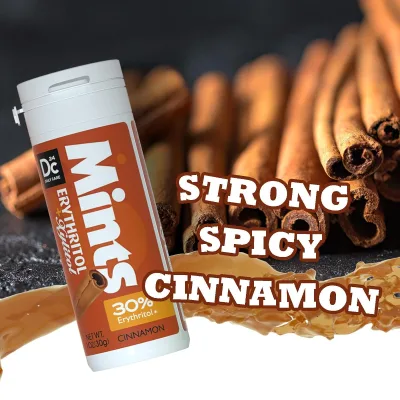
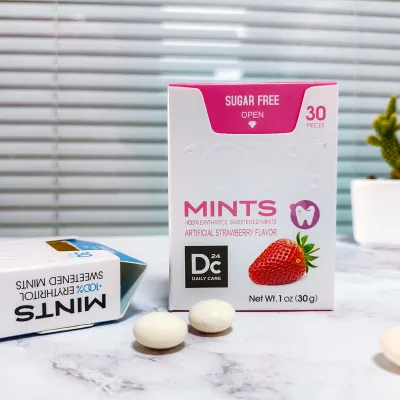
Mints Candy Dry Mouth Drops Sugar Free Mints Aspartame Free Cooling Mints Refreshing
$0.61 - $0.76
MOQ: 36 Minimum
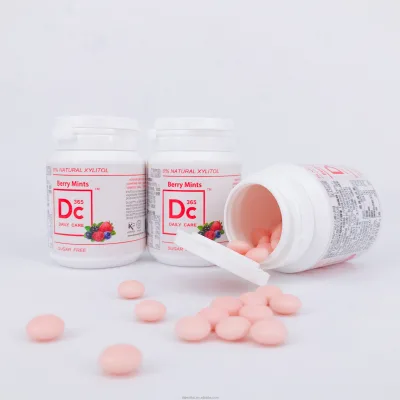
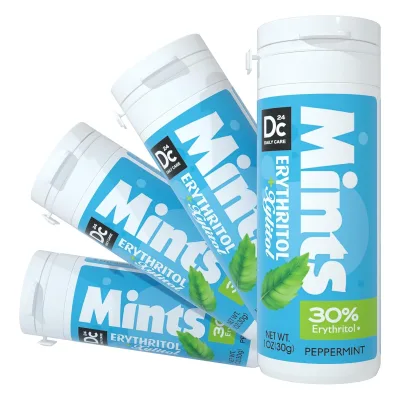
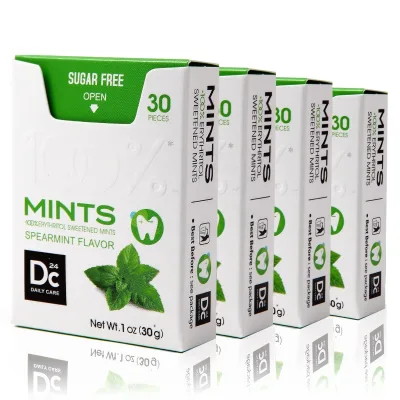
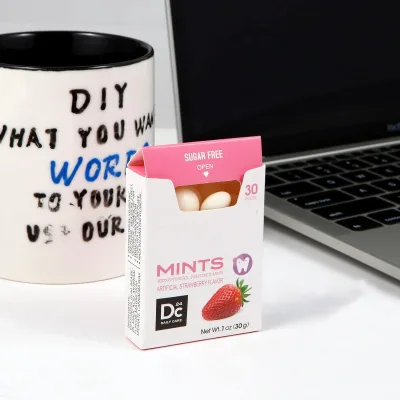
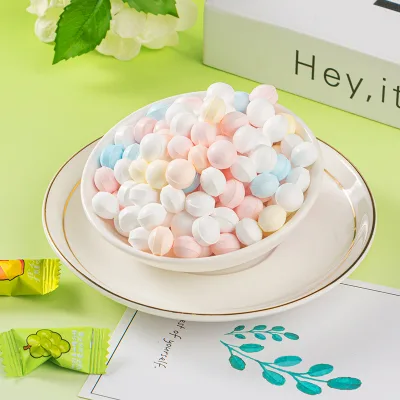

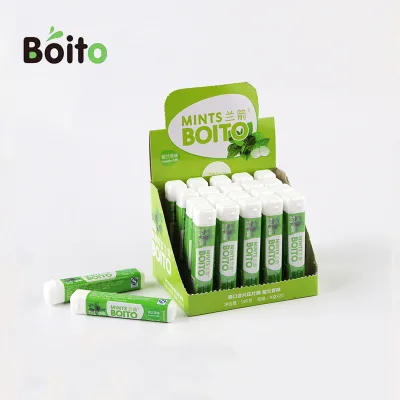


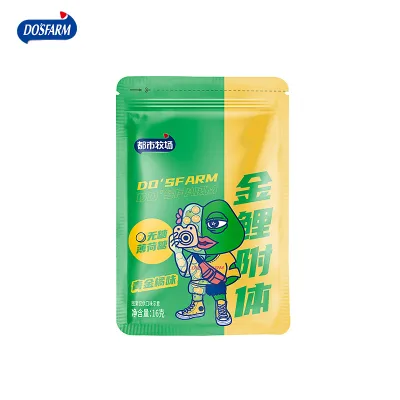
DOSFARM Custom Mints the Frog Sugar-Free Mints Candy Mints Bulk Trader
$0.15 - $0.16
MOQ: 10000 pieces
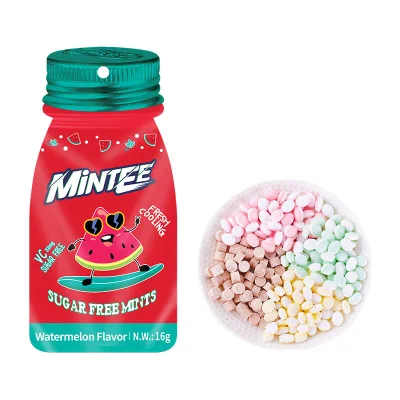
Fresh Vital Peppermint Lozenges Sugar Free Indulgence with a Functional Twist
$0.19 - $0.20
MOQ: 10000 pieces
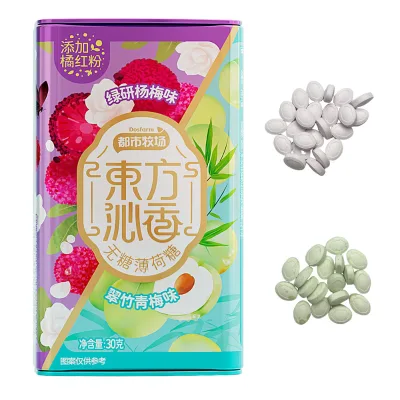
Bayberry and Green Plum Mints Orange-red Powder Sugar Free Mint Candy Lozenge Manufacturer
$0.56 - $0.65
MOQ: 10000 pieces
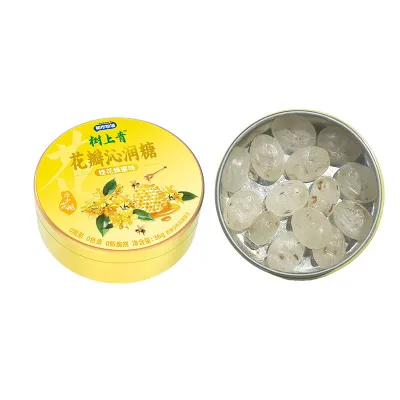
Vitamin Healthy Mints Osmanthus Honey Throat Lozenges Mint Candy Manufacturer
$0.52 - $0.59
MOQ: 10 pieces

Comprehensive Sourcing Guide
Strategic Sourcing Guide for Sugar-Free Throat Lozenges and Mints
Understanding Product Variations and Technical Specifications
When sourcing sugar-free throat lozenges and mints, buyers must first navigate the diverse technical landscape presented by manufacturers. The core product category encompasses solid confectionery items designed primarily for oral health, breath freshening, and throat soothing. Based on available market data, these products exhibit significant variation in physical form, flavor profiles, and packaging configurations. The physical shape of the lozenge is a critical differentiator; observed inventory includes ring or lifesaver-shaped candies as well as standard piece or tablet forms. This variation often dictates the dissolution rate and the specific user experience, with ring shapes typically offering a longer duration of flavor release compared to compact tablets.
The flavor spectrum is equally diverse, ranging from traditional mint and eucalyptus profiles to fruity and lemon variations. For buyers targeting health-conscious segments, the sugar-free attribute is a non-negotiable specification. The sweetening agents identified in current product listings include sorbitol and xylitol, which serve as functional alternatives to sucrose. These ingredients not only provide the necessary sweetness but also contribute to the functional benefits of the lozenge, such as moisture retention in the oral cavity. The ingredient profile often extends to include specific colors and flavors to enhance visual appeal and sensory experience.
Packaging specifications vary widely depending on the intended distribution channel. Bulk industrial packaging may consist of large cartons containing thousands of units, such as configurations of 192 cartons per pallet or 80 bags per carton. Conversely, retail-ready packaging often utilizes display boxes with specific unit counts, such as 10 bags per display box or 18 display boxes per carton. The primary packaging material for the product itself can be metal tins or paper-based cartons, each offering distinct protection levels against moisture and physical damage. Buyers must align their packaging requirements with their logistics capabilities, as the weight and volume of the product, ranging from standard 25g units to 10kg bulk bags, significantly impact shipping costs.
Compliance, Certification, and Regulatory Standards
Navigating the regulatory landscape is paramount when importing sugar-free confectionery products. The food industry is subject to stringent safety and quality standards that vary by destination market. In the context of sourcing from major manufacturing hubs, buyers should verify that suppliers hold recognized international certifications. Data indicates that compliant manufacturers often possess FDA, ISO, and BRC certifications. These certifications are not merely marketing claims but serve as evidence of a supplier's adherence to rigorous quality management systems and food safety protocols.
The FDA certification suggests compliance with United States Food and Drug Administration regulations, which is critical for entering the North American market. ISO certification, typically referring to the ISO 22000 or ISO 9001 standards, indicates a systematic approach to managing food safety and quality processes. The BRC (British Retail Consortium) certification is a globally recognized standard that is often a prerequisite for supplying major retailers in Europe and other international markets. Buyers must treat these certifications as mandatory verification points rather than optional features.
Beyond general certifications, specific product standards must be scrutinized. The "standard" field in product listings often refers to weight specifications or batch consistency metrics. Observed standards include unit weights of 25g, 9.6g, and 100g, as well as bulk packaging standards like 10kg. It is essential to confirm that the declared standard matches the actual product specifications to avoid discrepancies in customs clearance or retail shelving. Furthermore, the storage method is a critical compliance factor. Products containing sugar alcohols like sorbitol and xylitol are hygroscopic and require storage in cool and dry places to prevent clumping or texture degradation. Suppliers must demonstrate their ability to maintain these conditions throughout the supply chain, from the factory floor to the final destination.
Cost Drivers and Pricing Dynamics
The pricing structure for sugar-free throat lozenges is influenced by a complex interplay of factors, including raw material costs, customization levels, and order volume. The observed price range in the market spans from $0.05 to $26 per unit, a variance that reflects differences in product complexity, packaging quality, and order quantity. The lower end of the spectrum typically corresponds to bulk, unbranded, or standard flavor products with minimal customization. The higher end often encompasses premium packaging, private label services, or specialized formulations.
Customization is a primary cost driver. The availability of OEM (Original Equipment Manufacturer) and ODM (Original Design Manufacturer) services allows buyers to create unique products, but this comes with associated costs. One specific cost factor identified is the printing plate cost, which is necessary for custom branding on packaging or the product itself. This is a one-time or setup fee that can significantly impact the unit cost for smaller orders. Buyers must balance the desire for unique branding against the economic reality of setup costs.
Order volume, defined by the Minimum Order Quantity (MOQ), is another critical determinant of unit price. The market data shows an MOQ range from 5,000 pieces to 100,000 pieces, with some suppliers requiring even higher volumes. Suppliers with lower MOQs, such as 5,000 pieces, may charge a premium per unit to cover the fixed costs of production setup. Conversely, suppliers requiring 100,000 pieces or more often offer significantly lower unit prices due to economies of scale. Buyers should calculate the total landed cost, including the MOQ requirement, to determine the most cost-effective strategy for their specific market needs.
Supplier Evaluation and Manufacturing Capabilities
Evaluating potential suppliers requires a deep dive into their manufacturing capabilities, location, and service offerings. The primary manufacturing hubs for these products are located in Guangdong and Shantou, China, regions known for their robust confectionery industries. When assessing suppliers, buyers should verify the manufacturer's identity and track record. For instance, some listings explicitly name manufacturers such as Suntak, providing a level of transparency that can aid in due diligence.
Service capabilities are a key differentiator among suppliers. The ability to offer OEM, ODM, and private label services is a standard expectation for B2B buyers in this sector. This capability allows retailers to launch their own branded products without investing in their own manufacturing facilities. Buyers should inquire about the supplier's flexibility in handling custom requests, including flavor modifications, packaging design, and branding. The requirement for printing plates indicates that the supplier has the necessary infrastructure for custom packaging, but buyers must confirm the lead time and cost implications of these services.
Location is also a strategic consideration. Suppliers in Shantou and Guangdong benefit from established supply chains and logistics networks. However, buyers must verify the specific address and operational capacity of the supplier to ensure they can meet delivery schedules. The "Instruction for Use" and "Function" attributes, such as "Fresh Breath Colours" or "for Eat," should be clearly documented to ensure the product meets the intended use case. A supplier that can provide clear, compliant instructions and functional claims is better positioned to support the buyer's market entry.
Quality Control and Ingredient Verification
Quality control (QC) is the backbone of a successful procurement strategy for food products. Given the functional nature of sugar-free lozenges, the integrity of the ingredients is paramount. The primary sweetening agents, sorbitol and xylitol, must be verified for purity and compliance with food safety standards. Buyers should request certificates of analysis (CoA) for these ingredients to ensure they meet the required specifications. The presence of colors and flavors must also be verified to ensure they are safe for consumption and compliant with local regulations.
The physical quality of the product, including its shape, color, and texture, must be consistent. The observed product attributes, such as "Green" color and "Ring/Lifesavers Shaped" form, must be maintained across all production batches. Any deviation in color or shape could indicate issues with the manufacturing process or raw material quality. Buyers should establish clear quality acceptance criteria based on these observable attributes.
Storage conditions play a vital role in maintaining product quality. The "Storage Method" and "Storage Type" attributes emphasize the need for cool and dry places. This is particularly important for products containing sugar alcohols, which can absorb moisture from the air. Buyers must ensure that their logistics partners and the supplier's warehousing facilities adhere to these storage requirements. Failure to maintain proper storage conditions can lead to product degradation, affecting both the taste and the structural integrity of the lozenge.
Long-Term Procurement Considerations and Market Strategy
Sourcing sugar-free throat lozenges is not just a transactional activity but a strategic long-term endeavor. Buyers must consider the scalability of their supply chain and the potential for market expansion. The high MOQs observed in the market, such as 50,000 or 100,000 pieces, suggest that this product category is best suited for established retailers or brands with significant market presence. For smaller buyers, finding suppliers with lower MOQs or negotiating flexible terms is essential to manage inventory risk.
The trend toward health-conscious consumption supports the long-term viability of sugar-free products. As consumers increasingly seek alternatives to sugar, the demand for lozenges sweetened with sorbitol and xylitol is likely to grow. Buyers should position their procurement strategy to capitalize on this trend by focusing on high-quality, certified products that offer clear health benefits. The "Feature" attribute of being "Sugar-Free" is a powerful marketing tool that should be leveraged in product positioning.
Furthermore, the diversity of flavors and packaging options allows for market segmentation. Buyers can target different consumer segments with specific flavor profiles, such as eucalyptus for medicinal appeal or fruity flavors for a more casual, everyday product. The ability to customize packaging, including gift packing options, opens up opportunities for seasonal promotions and corporate gifting. By maintaining a flexible and responsive supply chain, buyers can adapt to changing market demands and consumer preferences over time.
Comparative Analysis of Product Attributes
To facilitate decision-making, buyers should compare key product attributes across potential suppliers. The following table summarizes the critical differences observed in the market data, highlighting the variability in specifications, packaging, and certifications.
| Attribute | Option A (Standard Bulk) | Option B (Premium Retail) | Option C (Custom/Private Label) |
|---|---|---|---|
| Shape | Piece / Tablet | Ring / Lifesaver | Customizable |
| Flavor | Mint / Eucalyptus | Fruity / Lemon | Customizable |
| Sweetener | Sorbitol | Sorbitol / Xylitol | Customizable |
| Packaging | 10kg Bulk Bag | Display Box / Tin | Custom Branding |
| Certification | FDA / ISO / BRC | FDA / ISO / BRC | FDA / ISO / BRC |
| MOQ | 100,000 PCS | 50,000 PCS | 5,000 - 50,000 PCS |
| Unit Weight | 100g / Bag | 25g / Piece | Customizable |
| Origin | Guangdong / China | Shantou / China | Guangdong / China |
This comparison illustrates that while core attributes like certification and origin remain consistent, the flexibility in shape, flavor, and packaging varies significantly. Buyers must weigh the benefits of customization against the potential increase in cost and lead time. The table serves as a framework for evaluating suppliers based on their ability to meet specific buyer requirements.
Finalizing the Procurement Strategy
In conclusion, sourcing sugar-free throat lozenges and mints requires a meticulous approach that balances technical specifications, regulatory compliance, and cost efficiency. Buyers must verify certifications such as FDA, ISO, and BRC to ensure product safety and market access. Understanding the cost drivers, including customization fees and MOQs, is essential for budgeting and pricing strategies. By carefully evaluating supplier capabilities and maintaining rigorous quality control measures, buyers can secure a reliable supply of high-quality products that meet the growing demand for healthy confectionery options. The long-term success of this procurement strategy depends on building strong relationships with suppliers who can adapt to market changes and deliver consistent value.
FAQs
What certifications do Throat Lozenge Sugar Free Mints suppliers hold?
Suppliers typically hold FDA, ISO, and BRC certifications. These credentials verify adherence to food safety protocols and quality management systems required for international trade and regulatory compliance in major markets.
Which flavors are available for sugar-free throat lozenges?
Common flavors include mint, eucalyptus, lemon, and fruity profiles. Manufacturers often use sorbitol and xylitol as sweetening agents to maintain the sugar-free attribute while delivering distinct taste experiences.
How are Throat Lozenge Sugar Free Mints packaged for bulk orders?
Packaging varies from metal tins to paper cartons with specific unit counts. Bulk configurations often include 192 cartons per pallet or 80 bags per carton depending on the supplier and order volume.
Can I customize packaging and branding for these lozenges?
Yes, customization is available through OEM and ODM services. Buyers should note that printing plate costs are required for custom branding, and minimum order quantities often apply to these tailored requests.
What is the typical minimum order quantity for these mints?
Minimum order quantities range from 5,000 to 100,000 pieces. Higher volumes generally yield lower unit prices, while smaller orders may incur setup fees or higher per-unit costs due to production constraints.
Where are these sugar-free lozenges manufactured?
Manufacturing hubs are located in Guangdong and Shantou, China. These regions offer established supply chains and logistics networks, with specific suppliers like Suntak operating within these locations.
How should Throat Lozenge Sugar Free Mints be stored?
Products must be stored in cool and dry places to prevent moisture absorption. This is critical for items containing sorbitol and xylitol, which are hygroscopic and can degrade if exposed to humidity.