Source Throw Blanket for Travel, Hotel, and Home Use
Find 30 options for a Throw Blanket suitable for travel, hotel, and home settings. Buyers can compare features like waterproofing, material composition, and customization availability to select the right product for their needs.
Key considerations
Products List


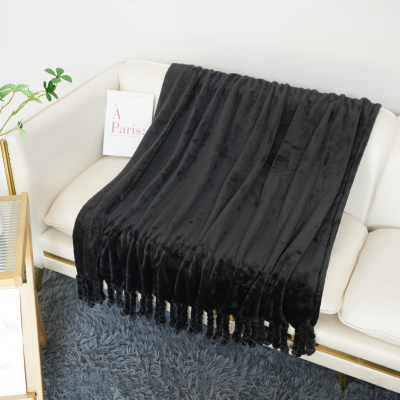


Sherpa Fleece Blanket Throw Size Grey Plush Throw Blanket Fuzzy Soft Blanket
$6.50 - $11.00
MOQ: 100 Pieces


Comprehensive Sourcing Guide
Throw Blanket Sourcing Guide
Sourcing throw blankets for B2B distribution requires a nuanced understanding of material composition, intended usage environments, and customization capabilities. The market offers a diverse range of products, from lightweight, portable options suitable for travel and airline use to heavier, insulated variants designed for home and hotel hospitality settings. Buyers must navigate a landscape where product attributes such as knitting methods, pattern styles, and functional features vary significantly across suppliers. This guide provides a structured approach to evaluating these variables, ensuring that procurement decisions align with specific operational needs, whether for retail resale, corporate gifting, or institutional supply.
The following sections detail the critical factors influencing Throw Blanket procurement, including technical specifications, compliance requirements, and commercial terms. By focusing on verified product signals and established industry practices, buyers can mitigate risks associated with quality inconsistencies and supply chain disruptions. The guidance emphasizes due diligence in supplier qualification and quality control, providing a framework for building long-term, reliable sourcing relationships. This approach ensures that the final products meet both functional expectations and aesthetic standards required by end-users in competitive markets.
Product Scope and Observed Listing Signals
The observed product landscape for throw blankets reveals a wide spectrum of material compositions and functional attributes. Listings indicate that materials primarily consist of polyester, cotton, or blended polycotton fabrics, with some entries specifying chemical fiber constructions. These materials are selected for their durability, ease of care, and cost-effectiveness. Functional features frequently highlighted include waterproofing, fireproofing, anti-pilling properties, and portability. Some products are explicitly marketed as disposable or wearable, suggesting specialized use cases such as single-use hospitality services or active outdoor scenarios. The presence of electric heating features in certain listings points to a niche segment of smart textiles, although this is less common than standard thermal blankets.
Visual and stylistic variations are equally diverse, catering to different aesthetic preferences and branding needs. Patterns range from plain colors and solid designs to plaid, dot, and racking patterns, with printing options available for custom branding. The knitting methods observed include stitch knitting and machine weaving, which influence the texture, weight, and drape of the final product. Seasonal suitability is also a key differentiator, with products categorized for winter, spring, and autumn use. Customization is a prevalent theme, with many suppliers offering logo embroidery, printed logos, and OEM support for sizes and designs. This flexibility allows buyers to tailor products to specific brand identities or target demographics, enhancing market appeal.
Technical Specifications to Verify
When evaluating throw blankets, verifying the precise technical specifications is crucial to ensure product performance and suitability. Buyers should confirm the exact material composition, as blends of polyester and cotton offer different breathability and warmth characteristics compared to pure polyester or chemical fiber constructions. The knitting method, whether stitch knitting or machine weaving, directly impacts the fabric’s integrity and longevity. Additionally, the size specifications must be clearly defined, with some products adhering to standard dimensions like 120*220cm, while others offer fully customizable sizing to meet specific requirements. Understanding these technical details helps in selecting the right product for its intended application, whether it be for travel, hospital use, or home comfort.
Packaging and branding specifications are equally important for logistics and retail readiness. Observations indicate various packing methods, including carton, export carton, PE bags, vacuum bags, and OPP bags, each offering different levels of protection and space efficiency. Customization options for logos, such as embroidery or printing, should be verified for quality and durability. Furthermore, the product model numbers and standards, such as customized standards or specific OEM supports, provide a reference for consistency across orders. Buyers should request detailed product datasheets that outline these specifications, ensuring that the supplied goods match the agreed-upon technical requirements and quality benchmarks.
Compliance and Safety Documentation
Compliance and safety are paramount in the textile industry, particularly for products used in hospitality, healthcare, and travel sectors. Buyers must ensure that suppliers provide relevant certifications and documentation to verify that the throw blankets meet international safety and environmental standards. While specific certifications like CE or OEKO-TEX are mentioned in background contexts, buyers should actively request and verify these documents to confirm that the materials are free from harmful substances and meet flammability and hygiene requirements. This is especially critical for products marketed as fireproof or intended for use in public spaces like airplanes and hotels.
In addition to material safety, buyers should inquire about the manufacturing standards and quality control processes employed by suppliers. Documentation should include test reports for features such as anti-pilling, waterproofing, and durability. For products with specific claims, such as electric heating capabilities, additional electrical safety certifications may be required. Buyers should also verify that the suppliers adhere to ethical manufacturing practices and labor standards, which can impact brand reputation and market access. By prioritizing compliance and safety documentation, buyers can mitigate risks and ensure that their products meet regulatory requirements in target markets.
Cost Drivers and Commercial Terms
The cost of throw blankets is influenced by several key factors, including material composition, customization complexity, and order volume. Materials such as polycotton blends or specialized chemical fibers may carry different price points compared to standard polyester. Customization options, such as logo embroidery, printing, and unique pattern designs, add to the production costs. Additionally, the knitting method and finishing processes, such as waterproofing or fireproofing treatments, contribute to the overall price. Buyers should request detailed quotations that break down these cost components to understand the value proposition and identify areas for potential cost optimization.
Commercial terms, including minimum order quantities (MOQ) and payment terms, also play a significant role in procurement planning. Observed MOQs range from low quantities suitable for sampling to larger volumes for bulk orders, with some suppliers setting MOQs at 100 pieces or higher. Buyers should negotiate terms that align with their inventory management strategies and cash flow requirements. Packaging options, such as export cartons or individual PE bags, can affect shipping costs and storage efficiency. Clear communication regarding lead times, shipping methods, and return policies is essential to avoid misunderstandings and ensure a smooth transaction process.
Supplier Qualification and Quality Control
Selecting the right supplier is critical to ensuring consistent product quality and reliable supply. Buyers should conduct thorough due diligence to verify the supplier’s manufacturing capabilities, quality control processes, and track record. This includes assessing their production facilities, equipment, and workforce expertise in knitting and weaving techniques. Suppliers should have robust quality control measures in place, including pre-production sampling, in-process inspections, and final random inspections. Buyers should request samples to evaluate the product’s texture, durability, and adherence to specifications before placing large orders.
Communication and responsiveness are also key indicators of a reliable supplier. Buyers should assess the supplier’s ability to provide timely updates, address concerns, and accommodate customization requests. Establishing a clear quality assurance agreement that outlines defect rates, replacement policies, and dispute resolution mechanisms is essential. Regular audits and performance reviews can help maintain high standards and identify areas for improvement. By building strong relationships with qualified suppliers, buyers can ensure a steady supply of high-quality throw blankets that meet their business objectives and customer expectations.
Long-Term Procurement Checks
Long-term procurement success depends on continuous monitoring and evaluation of supplier performance and market trends. Buyers should establish key performance indicators (KPIs) to track metrics such as on-time delivery, product quality, and responsiveness to issues. Regular feedback loops with suppliers can facilitate continuous improvement and address any emerging challenges proactively. Additionally, staying informed about industry trends, such as new material innovations or sustainability initiatives, can help buyers adapt their sourcing strategies to remain competitive.
Risk management is another critical aspect of long-term procurement. Buyers should diversify their supplier base to mitigate the impact of supply chain disruptions or geopolitical factors. Developing contingency plans for potential shortages or quality issues ensures business continuity. Furthermore, fostering a collaborative relationship with suppliers, based on mutual trust and shared goals, can lead to better pricing, priority service, and joint innovation opportunities. By implementing these long-term checks, buyers can build a resilient and efficient sourcing ecosystem that supports sustainable growth and market success.
FAQs
What materials are used for these throw blankets?
The throw blankets are primarily made from Polyester or Cotton blends. Some specific models utilize Polyester as the main material. These materials ensure durability and comfort for various uses including travel and home settings.
Can I customize the logo on the Throw Blanket?
Yes, customization is available for the throw blankets. Buyers can choose between embroidery or printed logos based on their specific requirements. The design can also be tailored as per customer requests to meet unique branding needs.
What are the available sizes for the Throw Blanket?
The throw blankets come in full sizes with specific dimensions like 120 by 220 cm. Custom sizes are also supported through OEM options. This flexibility allows buyers to select the perfect fit for different applications.
Which features make these blankets suitable for travel?
These blankets feature waterproof and portable designs ideal for travel. They are also lightweight and wearable, making them convenient for use in airplanes, hotels, or outdoor picnics. The anti-pilling feature ensures long-lasting quality during transit.
What is the minimum order quantity for these blankets?
The minimum order quantity varies by supplier but can start as low as one piece. Some specific models require a minimum of 100 pieces. Buyers should check individual listings to confirm the exact MOQ for their selected product model.
How are the throw blankets packed for shipment?
Packaging options include export cartons, custom cartons, or individual bags like PE or OPP bags. Some items may also be vacuum packed to save space. The specific packing method depends on the product model and supplier capabilities.
Are these blankets suitable for winter use?
Yes, certain throw blankets are specifically designed for winter seasons. They provide warmth and comfort in cold environments. Other models are suitable for spring and autumn, offering versatility across different weather conditions and usage scenarios.