Source Throw Catch Ball Toys for Outdoor Sports and Kids Play
Find 30 Throw Catch Ball options from Chinese manufacturers. Compare OEM services, plastic and PP+rubber materials, and age ranges from 2 to 14+ years. Review supply abilities and packaging details for bulk sourcing; compare the available evidence and request quotations based on your requirements.
Key considerations
Products List
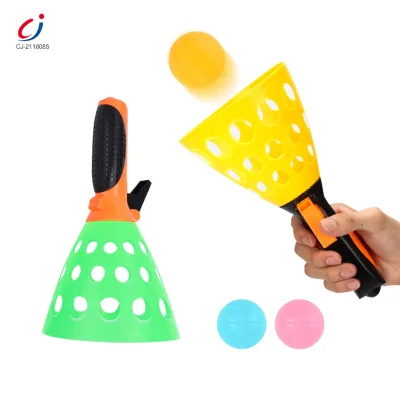
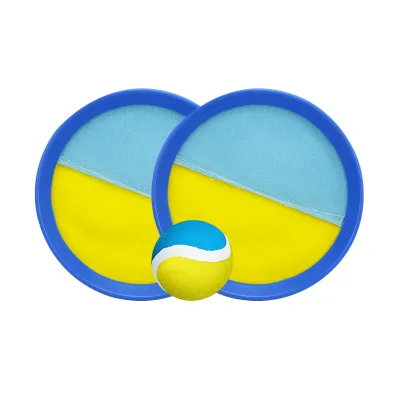
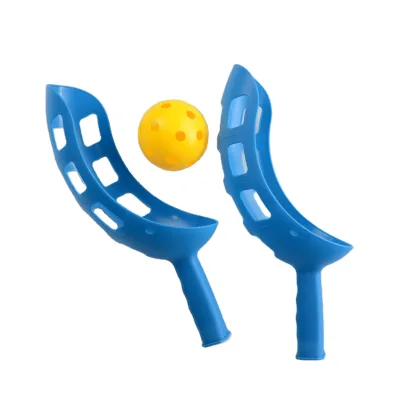
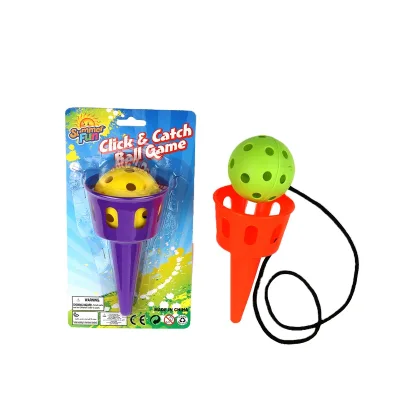


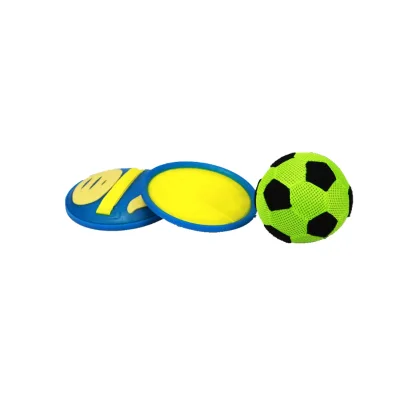
Family Sport Game with Good Stickiness Throw Catch Hand Catch Ball Pad Set
$2.70 - $3.00
MOQ: 2000 Pieces


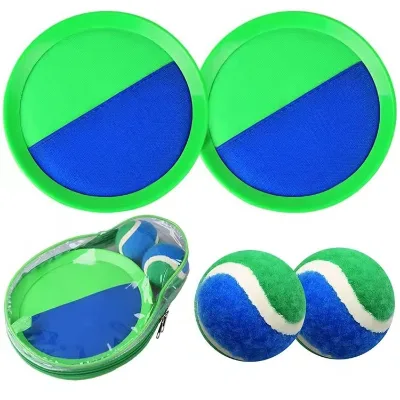
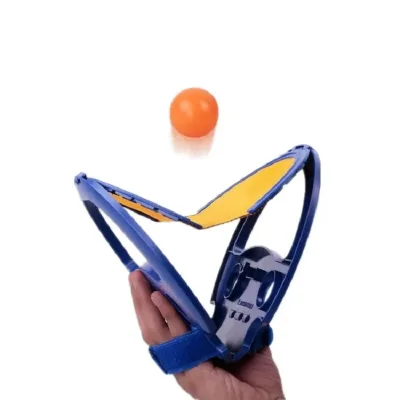


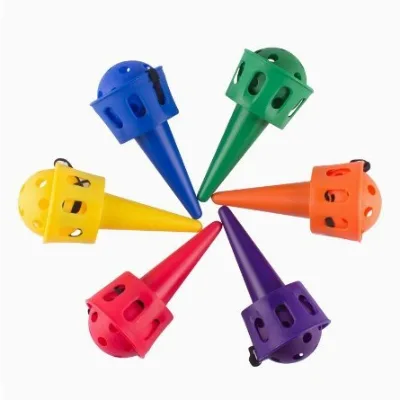


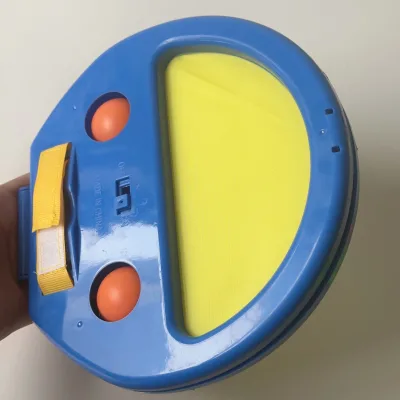



Comprehensive Sourcing Guide
Throw Catch Ball Sourcing Guide
Sourcing throw and catch ball toys requires careful attention to material composition and target age demographics, as these factors directly influence safety compliance and product durability. The market offers a diverse range of options, from simple plastic variants designed for younger children to specialized sticky ball sets intended for older kids and outdoor sports activities. Buyers must distinguish between products marketed for casual play and those engineered for structured physical education or competitive games. Understanding the specific functional requirements, such as the need for soft impact or high visibility, is essential for selecting the right supplier and product configuration.
Procurement decisions should also account for the variability in packaging and branding options available from manufacturers. Many suppliers provide OEM services, allowing buyers to customize logos, colors, and packaging materials to align with their brand identity. This flexibility is particularly valuable for retailers looking to create unique product lines or private-label offerings. However, customization often introduces additional complexity in terms of minimum order quantities and production lead times. Buyers need to balance their desire for bespoke branding with the operational efficiency of standardizing on proven, high-volume product designs to maintain healthy margins and consistent supply.
Product Scope and Observed Listing Signals
The observed product landscape includes a variety of throw and catch ball toys, ranging from basic plastic balls to more complex sets featuring sticky surfaces or rubber components. Listings indicate that materials commonly include plastic, polypropylene, rubber, and eco-friendly composites, catering to different performance needs and environmental preferences. Age ranges span from toddlers aged two to teenagers and adults, suggesting that product design varies significantly to accommodate developmental stages and skill levels. This diversity allows buyers to target specific market segments, from early childhood education to recreational adult sports, ensuring that the product mix aligns with their customer base.
Packaging methods also vary widely, with options including net bags, mesh bags, carton boxes, and PVC cards. These packaging choices impact both the perceived value of the product and the logistical costs associated with shipping and storage. For instance, bulk packaging in cartons may be more cost-effective for large orders, while individual PVC card packaging might be preferred for retail display. Additionally, some suppliers offer customized packaging solutions, which can enhance brand visibility but may require higher minimum order quantities. Buyers should evaluate these packaging options in the context of their distribution channels to optimize both presentation and operational efficiency.
Technical Specifications to Verify
When evaluating technical specifications, buyers should prioritize the material composition and structural integrity of the throw and catch balls. Products made from plastic, PP, rubber, or sticky materials each offer distinct advantages in terms of durability, grip, and safety. It is crucial to verify that the materials used are non-toxic and suitable for the intended age group, especially for younger children who may put toys in their mouths. Additionally, the size and weight of the balls should be appropriate for the target demographic to ensure ease of use and prevent injury. Suppliers often provide customizable sizes, so clear communication of specific requirements is necessary to avoid mismatches between product expectations and actual delivery.
Functional attributes such as color, style, and intended usage also play a significant role in product selection. Multi-colored options are common, enhancing visual appeal and aiding in game organization, while specific styles like beach balls or sports toys cater to different recreational contexts. Buyers should confirm whether the products are designed for indoor or outdoor use, as this affects material resilience against weather conditions. Furthermore, verifying the supply ability and production capacity of suppliers ensures that they can meet demand fluctuations without compromising quality. Clear documentation of these technical details helps in making informed purchasing decisions and reduces the risk of post-purchase issues.
Compliance and Safety Documentation
Safety compliance is paramount when sourcing toys for children, as regulatory standards vary by region and age group. Buyers must ensure that products meet relevant safety certifications, such as EN71, ASTM, CE, HR4040, and 7P, which indicate adherence to strict chemical and mechanical safety requirements. These certifications are particularly important for products targeting younger age ranges, where the risk of ingestion or injury is higher. Suppliers should provide valid test reports and certificates to verify compliance, and buyers should independently validate these documents to ensure they are current and issued by accredited laboratories. Failure to verify compliance can result in legal liabilities and damage to brand reputation.
In addition to safety certifications, buyers should inquire about third-party inspection services to ensure ongoing quality control. Many suppliers accept third-party inspections, which provide an objective assessment of product quality before shipment. This step is crucial for identifying defects, verifying material specifications, and ensuring that packaging meets agreed-upon standards. Buyers should also confirm that suppliers follow good manufacturing practices and maintain consistent quality across production batches. By prioritizing compliance and quality assurance, buyers can mitigate risks associated with product recalls, customer complaints, and regulatory penalties, thereby protecting their business interests and consumer safety.
Cost Drivers and Commercial Terms
Cost drivers for throw and catch ball toys include material costs, manufacturing complexity, packaging requirements, and order volume. Products made from specialized materials like eco-friendly composites or those with custom designs typically command higher prices due to increased production costs. Packaging also significantly impacts cost, with customized options like branded PVC cards or mesh bags adding to the overall expense. Buyers should negotiate based on volume discounts and clearly define the scope of customization to avoid unexpected charges. Understanding these cost drivers helps in budgeting accurately and identifying opportunities for cost savings without compromising quality.
Commercial terms such as minimum order quantities (MOQ), lead times, and payment terms are critical factors in procurement planning. MOQs can range from small orders suitable for testing the market to large volumes required for cost-effective production. Lead times vary depending on the complexity of the order and the supplier's production capacity, with some suppliers offering faster turnaround for standard items. Buyers should align their ordering schedules with these lead times to ensure timely delivery and avoid stockouts. Additionally, negotiating favorable payment terms can improve cash flow management. Clear communication of commercial terms with suppliers ensures mutual understanding and reduces the risk of disputes.
Supplier Qualification and Quality Control
Supplier qualification involves assessing the manufacturer's production capabilities, quality management systems, and track record. Buyers should verify that suppliers have the necessary equipment and expertise to produce high-quality throw and catch balls consistently. This includes evaluating their production lines, quality control processes, and ability to handle custom orders. Suppliers with OEM and ODM services offer greater flexibility, but buyers must ensure that these services are managed effectively to maintain product integrity. Additionally, checking the supplier's place of origin and port of dispatch can provide insights into their logistical efficiency and access to global markets.
Quality control measures should be integrated into the procurement process to ensure that products meet specified standards. Buyers should implement pre-shipment inspections to verify product quality, packaging accuracy, and compliance with safety regulations. Establishing clear quality benchmarks and communication channels with suppliers helps in addressing issues promptly and maintaining consistent product quality. Furthermore, building long-term relationships with reliable suppliers can lead to better pricing, priority production, and improved service levels. By prioritizing supplier qualification and rigorous quality control, buyers can secure a stable supply of high-quality throw and catch balls that meet their business and customer expectations.
Long-Term Procurement Checks
Long-term procurement success depends on continuous monitoring of supplier performance and market trends. Buyers should regularly review supplier metrics such as on-time delivery rates, defect rates, and responsiveness to issues. This data-driven approach helps in identifying potential risks and making informed decisions about supplier relationships. Additionally, staying updated on changes in safety regulations and consumer preferences ensures that products remain compliant and relevant in the market. Buyers should also explore opportunities for product innovation and diversification to meet evolving customer demands and maintain competitive advantage.
Sustainability and ethical sourcing are increasingly important considerations in long-term procurement strategies. Buyers should assess suppliers' commitment to environmental responsibility, such as using eco-friendly materials and reducing waste. This not only aligns with growing consumer demand for sustainable products but also mitigates risks associated with regulatory changes and reputational damage. By integrating sustainability into their procurement practices, buyers can enhance brand value and build stronger relationships with environmentally conscious customers. Regularly revisiting and updating procurement policies ensures that they remain aligned with business goals and market realities, fostering long-term growth and resilience.
FAQs
What materials are used for these throw and catch ball toys?
These toys are primarily made from plastic, with some variants using PP, rubber, and sticky materials. The product listings confirm plastic as the main component, while specific models incorporate rubber and sticky elements for enhanced play functionality and durability during outdoor games.
Can I request a customized logo on these sports toys?
Yes, you can request a customized logo on these toys as the suppliers accept this service. The product details explicitly state that customized logos are available, allowing buyers to brand the items for their specific needs or corporate events while maintaining the original toy functionality.
Which certifications do these catch ball toys hold for safety?
These toys hold EN71, HR4040, 7P, ENASTM, and CE certifications to ensure safety compliance. The product facts confirm these specific standards are accepted, providing assurance that the items meet international safety requirements for children's toys used in various outdoor and indoor sports activities.
How many pieces are included in one carton for shipping?
One carton typically contains 144 pieces of the throw and catch ball toys. The packaging details specify that 144 package boxes are packed into a single carton, which helps in calculating shipping costs and storage requirements for bulk orders placed by international buyers.
What is the minimum order quantity for these plastic ball toys?
The minimum order quantity is 500 pieces, though some suppliers accept smaller orders upon request. The listed facts indicate an MOQ of 500 pieces, but buyers should contact sales to confirm exact requirements as some vendors may accommodate smaller quantities for trial runs or specific projects.
Can I get these toys with a specific color like blue or orange?
Yes, you can order these toys in customized colors including blue, orange, and purple. The product attributes list multiple color options and explicitly state that customized colors are available, allowing buyers to select specific hues that match their branding or customer preferences for the sports toys.
What is the typical delivery time for these outdoor sports toys?
The typical delivery time is 30 days after order confirmation. The product facts state a delivery time of 30 days, which serves as a standard lead time for manufacturing and shipping, though actual times may vary based on order volume and specific supplier capacity or logistics arrangements.