Source Kawaii Unisex Stuffed Animal for Gifts, Decor, and Play
Compare 30 Kawaii Unisex Stuffed Animal options featuring soft plush fabric, custom designs, and safety certifications like CE and ASTM. These items serve as gifts, decorations, and toys for children and adults with customizable features and lead times.
Key considerations
Products List


Factory Wholesale Kwaii Plush Toy Animal Custom Cute Soft Plush Stuffed Toy
$1.50 - $3.00
MOQ: 100 Pieces


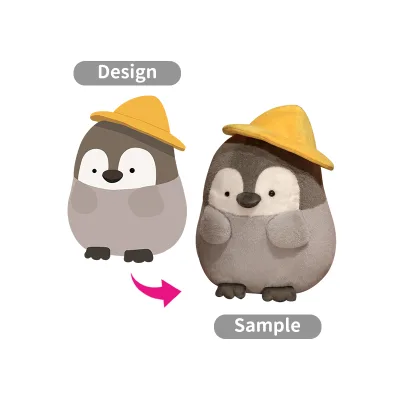


Stuffed & Plush Toys Animals Pet Toys Wholesale Anime Plush Dolls Custom Plush Toys
$3.99 - $6.99
MOQ: 100 Pieces


Custom Stuffed Animals Plush Cartoon Design Soft Animal Stuffed Doll Custom
$1.15 - $1.22
MOQ: 288 Pieces


Custom Animal Design Plush Toy Stuffed Animals Super Soft Custom Plush Backpack
$2.85 - $3.65
MOQ: 500 Pieces


Comprehensive Sourcing Guide
Strategic Sourcing Guide for Kawaii Unisex Stuffed Animals
Understanding Product Specifications and Design Variations
When sourcing kawaii unisex stuffed animals, buyers must first navigate the diverse landscape of product specifications that define the category. The term "kawaii" implies a specific aesthetic of cuteness, often characterized by soft textures, large eyes, and simplified features, while "unisex" indicates designs that avoid gendered color palettes or thematic elements, appealing to a broad demographic. Based on available market data, these products frequently originate from manufacturing hubs in Shandong, China, with Qingdao serving as a primary loading port for international shipments.
The physical attributes of these plush toys vary significantly across different product lines. Some models are designed as standing animals, while others are crafted in sitting positions, offering different display and play dynamics. The modeling source can be either specific animals, such as deer, elephants, or unicorns, or fully custom designs tailored to the buyer's brand. This flexibility allows for a wide range of styles, from short plush toys with a compact profile to larger, more substantial plush dolls. The fabric composition is a critical technical specification; high-quality options utilize soft plush fabric that ensures a huggable and comfortable feel, which is essential for meeting the expectations of both children and adult collectors.
Weight is another variable specification that buyers must consider. While some standard models have fixed weights, many suppliers offer customization options where the weight can be adjusted to meet specific design requirements or shipping cost constraints. The production method is often hand-made, which can influence the consistency of the final product and the overall cost structure. Additionally, the product model numbers, such as "unicorn," "deer," "elephant," or generic codes like "HW000000," serve as unique identifiers for inventory management and quality tracking. Understanding these variations is the first step in defining a precise procurement requirement that aligns with the intended market segment.
Compliance and Certification Verification
Safety and regulatory compliance are paramount when importing stuffed animals, particularly those intended for children. The market data indicates that reputable manufacturers often adhere to a robust set of international safety standards. Common certifications observed in this sector include CE, EN71, ASTM, CPSIA, and REACH. These standards are not merely marketing labels but represent rigorous testing protocols regarding mechanical safety, flammability, and chemical composition.
For buyers targeting the European market, the EN71 standard is a critical benchmark, often accompanied by the CE mark. In the United States, compliance with ASTM F963 and the Consumer Product Safety Improvement Act (CPSIA) is mandatory. The data also highlights the presence of ISO9001 and BSCI certifications, which speak to the manufacturer's quality management systems and social compliance practices, respectively. It is important to note that while some product listings explicitly state these certifications, buyers must verify the validity of these claims through independent third-party testing reports before placing large orders.
The "Safety for Baby" attribute suggests that these products are designed with infants in mind, which necessitates stricter adherence to small parts regulations and choking hazard tests. The "Test" attribute often references ASTM/EN71, reinforcing the need for physical durability and safety checks. Buyers should request current test reports that specifically cover the product model they intend to purchase, as certification status can vary between product lines even within the same factory. Relying solely on a general "CE" claim without supporting documentation is insufficient for B2B procurement in the regulated toy industry.
Cost Drivers and Pricing Structures
The pricing of kawaii unisex stuffed animals is influenced by a complex interplay of factors, including customization levels, order volume, and material quality. The observed price range in the market spans from $0.35 to $6.99 USD, a wide spectrum that reflects the diversity of product complexity and order sizes. Several key cost drivers determine where a specific product falls within this range.
First, the level of customization is a primary cost factor. Products that require custom logos, unique labeling, or hang tags incur additional setup and production costs compared to standard stock items. The "OEM/ODM" capability of a supplier directly impacts the unit price; custom designs often command a premium due to the engineering and pattern-making involved. Second, the packing method affects costs. Options range from simple 1PC/PP Bag packaging to more elaborate gift packing or boxed configurations. The latter adds material and labor costs but enhances the product's retail appeal.
Order volume is another significant driver. The Minimum Order Quantity (MOQ) can vary from as low as 1 piece for samples to 3,000 pieces for bulk production. Higher volumes typically leverage economies of scale, reducing the per-unit cost. However, buyers must balance volume discounts against inventory holding costs. Additionally, the production time influences pricing; rush orders or those requiring expedited shipping may carry surcharges. The "Production Time" of about 20 days or longer, depending on quantity, suggests that lead time management is a crucial element of the total cost of ownership. Buyers should request detailed quotations that break down material, labor, and packaging costs to understand the true cost structure.
Typical Applications and Market Segments
Kawaii unisex stuffed animals serve a versatile range of applications, making them suitable for various market segments. The primary usage is as a gift, catering to both children and adults. The "Gift" attribute is frequently highlighted, with products marketed as birthday gifts, decorations, or presents. The "Purpose" of these items is to bring joy, fun, entertainment, and happiness to the recipient, which is a universal value proposition.
For the pediatric market, these toys are designed to be safe for babies, offering soft, huggable textures that support sensory development. The "Safety for Baby" designation makes them ideal for nurseries and early childhood education settings. For the adult market, the kawaii aesthetic appeals to collectors and those seeking comfort items or decorative accents for home and office environments. The "Appliance" category includes birthday gifts and decorations, indicating their role in celebratory and lifestyle contexts.
The unisex nature of the design broadens the target audience, allowing these products to be sold in general merchandise stores, toy retailers, and online marketplaces without the need for gender-specific marketing. Whether the product is a standing animal, a sitting deer, or a custom unicorn, the application remains consistent: providing a tangible source of comfort and joy. Buyers should consider the end-user's age range, which is often cited as 3-8 years, but also recognize the growing market for adult plush collectors who may have different size and quality expectations.
Supplier Evaluation and Operational Capabilities
Selecting the right supplier is critical for ensuring product consistency and timely delivery. When evaluating potential partners, buyers should look for specific operational capabilities that align with their procurement needs. A key indicator of a reliable supplier is the availability of factory visits, which allows for direct assessment of production facilities, working conditions, and quality control processes. The "Factory Visit: Welcomed" attribute suggests a level of transparency that is beneficial for building trust.
Sample availability and turnaround time are also vital metrics. The data indicates that samples can be produced within 3-5 days or up to 7 working days, with some suppliers offering free samples while others charge a fee. This flexibility allows buyers to evaluate product quality before committing to large orders. The "Sample Time" and "Production Time" of about 20 days or according to order quantity provide a baseline for planning supply chain timelines. Buyers should verify if the supplier can meet specific deadlines, especially for seasonal products.
Furthermore, the supplier's ability to handle customization is a differentiator. Features such as "Customers Logo" printing, customizable labels or hang tags, and the ability to modify weight or design indicate a high level of adaptability. The "OEM/ODM: Available" status confirms that the supplier can work with buyers to create unique products. However, buyers must ensure that the supplier's capacity matches their order volume, as the "Packing" specifications (e.g., 30-40PC/Carton) and "Loading Port" logistics need to be coordinated efficiently to avoid delays.
Quality Control and Long-Term Procurement Strategy
Maintaining high quality standards requires a proactive approach to quality control (QC) throughout the procurement lifecycle. Given the "Hand-made" nature of many plush toys, consistency can be a challenge. Buyers should implement a rigorous QC plan that includes pre-production sample approval, in-process inspections, and final random inspections before shipment. The "Feature: High Quality Soft Fabric with Cute Design" claim should be validated against physical samples to ensure the fabric meets the desired softness and durability standards.
Long-term procurement considerations involve building a sustainable relationship with suppliers who can scale with the buyer's growth. The "Customization: Available" attribute suggests that suppliers are open to evolving product lines, which is essential for maintaining a competitive edge. Buyers should also consider the environmental and social implications of their sourcing decisions, looking for suppliers with BSCI or ISO9001 certifications that demonstrate a commitment to ethical manufacturing practices.
Finally, buyers must plan for the logistics of their supply chain. With the "Loading Port" typically being Qingdao and the "prod_origin" in Shandong, China, freight costs and transit times will be significant factors. Understanding the "Lead Time" of 4-6 weeks for production, combined with shipping durations, is crucial for inventory planning. By establishing clear communication channels and setting realistic expectations regarding production and delivery, buyers can mitigate risks and ensure a steady supply of high-quality kawaii unisex stuffed animals.
Comparative Analysis of Product Attributes
To assist buyers in making informed decisions, the following table summarizes key product attributes observed in the market, highlighting the variations that influence sourcing strategies.
| Attribute Category | Standard Option | Customizable Option | Key Consideration |
|---|---|---|---|
| Model Type | Unicorn, Deer, Elephant | Custom Design | Ensure design feasibility for mass production. |
| Style | Standing or Sitting Animal | Custom Pose | Affects display requirements and packaging. |
| Fabric | Soft Plush Fabric | Custom Fabric | Verify softness and safety for intended age group. |
| Packing | 1PC/PP Bag or Gift Packing | Boxed or Custom | Impacts retail presentation and shipping volume. |
| Certification | CE, EN71, ASTM | BSCI, ISO9001 | Verify specific test reports for target markets. |
| Sample Time | 3-5 Days | 3-7 Working Days | Plan for sample approval before bulk production. |
| Lead Time | 4-6 Weeks | ~20 Days + Quantity | Coordinate with shipping schedules for market launch. |
This comparison underscores the importance of defining clear requirements before engaging with suppliers. By understanding the nuances of these attributes, buyers can effectively navigate the sourcing process and secure products that meet both quality standards and business objectives.
FAQs
What certifications do these stuffed animals hold?
These products hold CE, EN71, ASTM, CPSIA, and REACH certifications. Some listings also include BSCI and ISO9001 certificates to ensure safety and quality management standards are met for international markets.
Can I customize the logo and packaging?
Yes, customization is available for customer logos, labels, and hang tags. Buyers can choose between standard PP bag packing or gift packing options to suit their specific branding and retail requirements.
How long does production take for bulk orders?
The lead time is typically 4 to 6 weeks for production. Specific production time is about 20 days or depends on the order quantity, so planning ahead is essential for timely delivery.
What is the minimum order quantity for these toys?
The minimum order quantity ranges from 1 piece for samples up to 3000 pieces for bulk production. This flexibility allows buyers to test the market with small orders before committing to larger volumes.
Are these toys safe for babies and young children?
Yes, the products are designed to be safe for babies and children aged 3 to 8 years. They feature soft, huggable fabric and comply with strict safety standards like ASTM and EN71 to prevent hazards.
Where are these stuffed animals manufactured and shipped from?
These items originate from Shandong, China, with Qingdao serving as the primary loading port. Buyers should account for this location when calculating shipping costs and transit times to their destination.
What styles and animal types are available in this category?
Available styles include standing and sitting animals such as unicorns, deer, and elephants. The modeling source can be specific animals or fully custom designs tailored to the buyer's unique product requirements.