Source Tire Valve Stem Caps for Cars, Bikes, and Trucks
Find 30 tire valve stem caps made from aluminum, ABS, and chrome-plated materials. Compare options for cars, motorcycles, and agricultural vehicles with customizable colors and OEM services available from Chinese suppliers; compare the available evidence and request quotations based on your requirements.
Key considerations
Products List






Comprehensive Sourcing Guide
Tire Valve Stem Caps Sourcing Guide
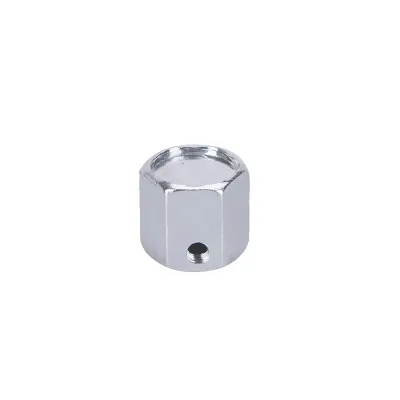
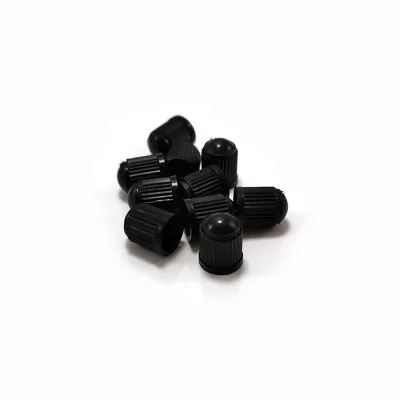
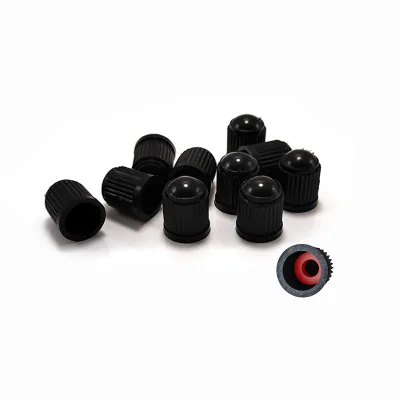
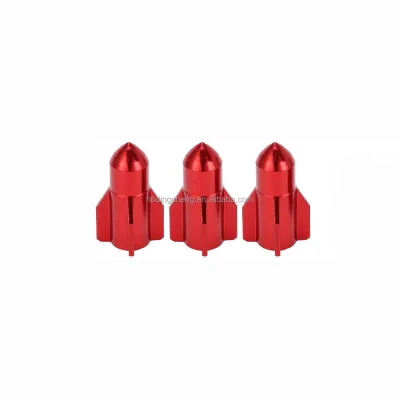
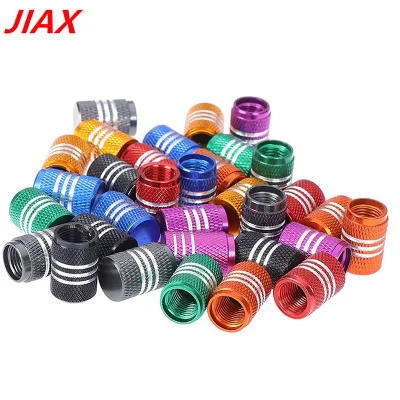
Buyers must first distinguish between the diverse material compositions observed in the market, ranging from pure aluminum and ABS plastic to chrome-plated ABS with brass inserts. The product listings indicate that material selection directly influences durability and aesthetic finish, with options available in single colors like black or silver, as well as multi-color assortments including pink, red, green, and yellow. Procurement decisions should prioritize the specific environmental exposure of the end-use vehicle, as aluminum offers distinct corrosion resistance compared to standard plastic variants.
The observed product scope also reveals significant variation in packaging and customization capabilities, which affects logistics planning and branding opportunities. Suppliers offer flexible packaging solutions such as standard cartons, blister cards, and specialized snake leather bags, with some accepting custom OEM requests for branding. Buyers should verify if the supplier can accommodate specific packing quantities, such as 100 pieces per bag or bulk arrangements, to align with their distribution channel requirements and minimize handling costs during transit.
Product Scope and Observed Listing Signals
The market data indicates a wide range of minimum order quantities, spanning from single-piece trials to massive orders of ten million units, suggesting a highly flexible supply chain structure. This variability allows buyers to test market demand with low-risk initial orders while retaining the capacity to scale production rapidly if the product gains traction. However, the sheer breadth of MOQ options requires careful negotiation to ensure that the chosen volume aligns with the supplier's production capacity and the buyer's inventory turnover goals.
Listing signals also highlight specific model identifiers like PV02, BV02, and PV12, which correspond to distinct dimensional standards and application types. These models are designed to fit various vehicle categories, including cars, motorcycles, bicycles, and agricultural engineering vehicles, indicating a universal fit for many tire valve stems. Buyers should cross-reference these model numbers with their specific vehicle fleet requirements to ensure compatibility, as the internal dimensions and thread standards may vary between US and other international specifications.
Technical Specifications to Verify
Dimensional accuracy is a critical verification step, as observed listings specify precise measurements such as 10.5xh15mm or 12.10*H16.8mm for different models. The internal dimensions are often cited as 8V1, which aligns with US standards, but buyers must confirm that these specifications match the valve stems of their target vehicles to prevent fitment issues. Relying on generic descriptions without verifying exact millimeter measurements can lead to product returns or installation failures in the field.
Weight and material density are also essential technical parameters, with some listings noting a weight of 2.5g for specific units. The combination of materials, such as chrome-plated ABS with a brass insert, suggests a focus on structural integrity and resistance to vibration or impact. Procurement teams should request physical samples to verify these weight and material claims, ensuring that the caps can withstand the operational stresses of their intended application without degrading or becoming loose.
Compliance and Safety Documentation
While some listings mention certifications like CCC and ISO9001:2000, buyers must treat these as potential attributes rather than guaranteed standards for every unit in a batch. It is imperative to request current, valid certification documents directly from the supplier before finalizing any purchase agreement, as these documents verify that the manufacturing process adheres to recognized quality management systems. Relying on unverified claims can expose the buyer to regulatory risks, particularly if the products are destined for markets with strict safety requirements.
Safety documentation should also include material safety data sheets and any relevant testing reports that confirm the caps do not release harmful substances under normal operating conditions. The application of these caps in tire repair centers and garages implies a need for reliable performance under pressure and temperature fluctuations. Buyers should ensure that the supplier can provide evidence of testing for durability and chemical resistance, especially for products intended for heavy-duty vehicles or extreme weather environments.
Cost Drivers and Commercial Terms
The observed price range of 0.01 to 10 USD per unit indicates that cost is heavily influenced by material choice, customization level, and order volume. Premium materials like chrome-plated ABS with brass inserts or custom color finishes will naturally command higher prices compared to standard black or silver plastic options. Buyers should analyze the cost structure to understand how much of the price is attributed to raw materials versus value-added services like OEM branding or specialized packaging.
Commercial terms such as lead time and supply ability are equally critical for supply chain stability, with some suppliers claiming a supply ability of 10,000 pieces per week and a lead time within five working days. These figures suggest a robust production capacity, but buyers must verify if these timelines are consistent during peak seasons or when custom orders are involved. Negotiating clear terms regarding payment schedules, shipping ports like Guangzhou, and penalties for delays will help mitigate risks associated with supply chain disruptions.
Supplier Qualification and Quality Control
Supplier qualification should focus on verifying the consistency of their "A class" quality claims through rigorous on-site audits or third-party inspections. The presence of multiple product models and customization options suggests a mature manufacturing process, but buyers must ensure that quality control protocols are strictly enforced across all production lines. A supplier capable of handling large volumes must demonstrate the ability to maintain consistent quality standards without compromising on material integrity or dimensional accuracy.
Quality control procedures should also include checks for packaging integrity, as the listings mention various packing methods from bulk to snake leather bags. Ensuring that the packaging protects the caps from damage during transit is essential, especially for colorful or chrome-plated items that may be prone to scratching. Buyers should require a detailed quality control plan from the supplier that outlines inspection points, defect rates, and corrective actions to ensure that the delivered goods meet the agreed-upon specifications.
Long-Term Procurement Checks
Establishing a long-term partnership requires regular performance reviews that track the supplier's ability to meet delivery schedules and maintain quality standards over time. Buyers should implement a system for monitoring key performance indicators such as on-time delivery rates, defect rates, and responsiveness to custom requests. This data-driven approach helps identify potential issues early and allows for proactive adjustments to the procurement strategy before they impact the buyer's operations.
Continuous improvement should also involve periodic re-evaluation of the product specifications and market trends to ensure the sourced caps remain competitive. As vehicle designs evolve, the requirements for tire valve stem caps may change, necessitating updates to the product models or materials used. Buyers should maintain open communication with their suppliers to stay informed about new developments and ensure that their procurement strategy remains aligned with the latest industry standards and customer expectations.
FAQs
What materials are used for universal tire valve caps?
Universal tire valve caps are manufactured from aluminum, ABS plastic, and chrome-plated ABS with brass inserts. These materials ensure durability and resistance to corrosion. The aluminum and ABS options provide lightweight protection, while the chrome-plated variant offers enhanced aesthetic appeal and structural integrity for various vehicle types.
Which standards do these valve caps fit?
These valve caps are designed to fit the 8V1 US standard and the 11.8x16.5mm specification. They are compatible with car, motorcycle, and bicycle tire valves. The universal design ensures a secure fit for most standard tire stems, making them suitable for diverse applications including agricultural vehicles and electric bicycles.
Can I customize the color and packaging?
Yes, customization is available for both color and packaging. Buyers can choose from black, silver, red, blue, green, yellow, or pink options. Packaging varies by model, including standard cartons, blister cards, bulk packing, and premium snake leather bags. OEM services allow for tailored branding and specific quantity requirements.
What is the minimum order quantity for these caps?
The minimum order quantity starts at just one piece for sample or small batch orders. Larger wholesale orders can scale up to ten million pieces. This flexible MOQ supports both individual buyers seeking single items and large distributors requiring bulk shipments, ensuring accessibility for various business sizes and inventory needs.
How quickly can orders be dispatched from China?
Orders can be dispatched within five working days from Guangzhou, Zhejiang, China. The supply ability supports up to ten thousand pieces per week. This rapid lead time ensures timely delivery for urgent restocking needs. Standard cartons are used for secure packaging during transit to protect the valve caps from damage.
Are these valve caps suitable for heavy vehicles?
Yes, these valve caps are suitable for heavy vehicles including trucks, buses, and agricultural engineering vehicles. They are also compatible with motorcycles, electric bicycles, and standard cars. The robust construction ensures reliable performance across diverse applications, from tire shops and repair centers to general garage use for various vehicle types.