Source Tire Pressure Sensor for Industrial, Automotive, and Fleet Use
Find and compare 30 Tire Pressure Sensor options from verified Chinese manufacturers. Evaluate specifications such as ISO certification, material composition, and customization availability to select the right solution for your procurement needs; compare the available evidence and request quotations based on your requirements.
Key considerations
Products List


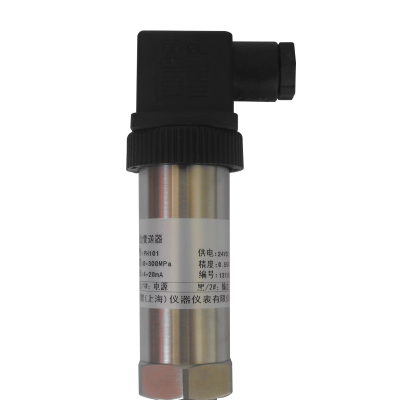

Tire Pressure and Temperature Monitoring Sensor for Truck Trailer (03)
$100.00 - $1000.00
MOQ: 1 Pieces


$3.50 - $4.00
MOQ: 10 Pieces


Comprehensive Sourcing Guide
Tire Pressure Sensor Sourcing Guide
Sourcing tire pressure sensors requires a nuanced understanding of both electronic integration and mechanical durability. Buyers must distinguish between direct and indirect systems, as the hardware specifications vary significantly. Direct sensors contain physical pressure transmitters and radio frequency modules, while indirect systems rely on wheel speed data. Understanding this distinction is critical before initiating supplier outreach, as it dictates the required technical documentation and compatibility checks.
The procurement landscape for these components is diverse, with manufacturers offering various customization options. Many suppliers provide OEM services, allowing for branded packaging and specific model configurations. Buyers should verify if the supplier supports custom branding and packaging, as this impacts logistics and retail readiness. Additionally, confirming the condition of the goods as new is essential to avoid refurbished or defective inventory entering the supply chain.
Product Scope and Observed Listing Signals
The observed market signals indicate a wide range of product attributes, from aluminum alloy construction to steel variants. Some listings highlight precision gauges and limit gauge types, which may refer to testing equipment rather than the sensors themselves. Buyers must carefully parse these descriptions to ensure they are sourcing actual tire pressure monitoring units. The presence of round shapes and specific models like BN-OTS068 suggests a variety of form factors available for different vehicle types.
Packaging and logistics details also vary, with options ranging from color boxes to bulk cartons and container loads. This flexibility allows buyers to choose packaging that aligns with their distribution strategy. However, the gross weight per batch and package size per unit provide crucial data for freight calculation. Buyers should use these metrics to estimate landed costs accurately, ensuring that shipping expenses do not erode profit margins.
Technical Specifications to Verify
Technical verification is paramount when sourcing tire pressure sensors. Buyers must confirm the measurement accuracy, which can range from 0.3% to 0.5% in some industrial transmitters. While these figures may apply to pressure transmitters, they serve as a benchmark for sensor precision. The measuring range, potentially spanning 0.1 to 60 MPa, indicates the operational limits of the device. Ensuring the sensor can handle the specific pressure requirements of the target vehicle fleet is essential for performance.
Connection types and detection methods also require scrutiny. Options include wire, thread, copper pipe, plug, and capillary tube connections. The detection method, such as retro-reflective mode, may apply to related industrial sensors. Buyers should verify that the sensor’s interface matches their vehicle’s existing infrastructure. Additionally, confirming the explosion-proof type, such as flameproof, is crucial for applications in hazardous environments, ensuring safety and reliability.
Compliance and Safety Documentation
Compliance documentation is a non-negotiable aspect of sourcing electronic components. Buyers must request certificates such as ISO and ISO/TS to verify the supplier’s quality management systems. These certifications indicate that the manufacturer adheres to international standards for production and quality control. Without these documents, buyers risk sourcing products that may not meet regulatory requirements in their target markets.
Safety standards, including RoHS, are also critical for electronic devices. Buyers should verify if the sensors comply with environmental regulations regarding hazardous substances. This is particularly important for markets with strict environmental laws. Additionally, confirming the warranty period, often listed as 12 months, provides a safety net against early failures. Buyers should ensure that the warranty terms are clearly defined and enforceable.
Cost Drivers and Commercial Terms
Cost drivers for tire pressure sensors include material composition, electronic complexity, and customization levels. Aluminum alloy and steel materials affect durability and cost. Customization options, such as branded packaging or specific model configurations, can increase unit prices. Buyers should negotiate based on volume, as the observed MOQ ranges from 1 to 10,000 units. Higher volumes typically yield better pricing, but buyers must balance this with inventory holding costs.
Commercial terms also influence the total cost of ownership. Buyers should clarify payment terms, lead times, and shipping responsibilities. The availability of samples allows buyers to test product quality before committing to large orders. Contacting suppliers for sample requests is a recommended step to validate performance. Additionally, understanding the business type, whether manufacture or trade, helps in negotiating directly with factories for better rates.
Supplier Qualification and Quality Control
Supplier qualification involves assessing the manufacturer’s production capabilities and quality control processes. Buyers should verify the business type, ensuring they are dealing with a direct manufacturer or a reputable agent. The presence of a warranty and specific test methods, such as the through check method, indicates a structured quality assurance process. Buyers should request evidence of these tests to ensure product reliability.
Quality control extends to packaging and labeling. Buyers should confirm that the packaging protects the sensors during transit. Options like carton packages or customized buyer packaging can enhance protection. Additionally, verifying the place of origin, such as Zhejiang or Changzhou in China, helps in assessing the supplier’s regional expertise. Buyers should also check for any additional certifications or standards that may apply to their specific market requirements.
Long-Term Procurement Checks
Long-term procurement success depends on continuous supplier performance monitoring. Buyers should track defect rates and warranty claims to assess product reliability over time. Regular audits of the supplier’s quality management systems can prevent issues before they escalate. Maintaining open communication with the supplier ensures that any changes in production or materials are communicated promptly.
Strategic planning for future needs is also essential. Buyers should anticipate changes in vehicle technology and sensor requirements. Building a relationship with a flexible supplier who offers customization and OEM services can provide a competitive advantage. Additionally, staying informed about market trends and regulatory changes ensures that the sourced products remain compliant and relevant. This proactive approach minimizes risk and maximizes value in the long run.
FAQs
What materials are used for tire pressure sensors?
Tire pressure sensors are typically constructed from durable materials such as aluminum alloy and steel to withstand harsh environments. These materials ensure longevity and resistance to corrosion. The specific material choice depends on the sensor type and application requirements, providing a robust solution for industrial and automotive use cases.
Can tire pressure sensors be customized for specific needs?
Yes, tire pressure sensors can be customized to meet specific operational requirements. Manufacturers offer customization options for shape, precision, and measurement objects. This flexibility allows buyers to tailor the sensors to their exact specifications, ensuring optimal performance and integration within their existing systems or production lines.
What certifications do tire pressure sensors typically hold?
Tire pressure sensors often hold ISO and ISO/TS certifications, indicating compliance with international quality management standards. These certifications ensure that the manufacturing processes and product quality meet rigorous industry benchmarks. Buyers can rely on these credentials to verify the reliability and consistency of the sensors for their procurement needs.
What is the typical warranty period for tire pressure sensors?
The typical warranty period for tire pressure sensors is 12 months. This warranty covers defects in materials and workmanship under normal use. It provides buyers with assurance regarding the product's durability and performance. Buyers should contact the supplier for specific warranty terms and conditions applicable to their order.
How are tire pressure sensors packaged for shipment?
Tire pressure sensors are packaged in various formats including color boxes, cartons, or by container. The packaging is designed to protect the sensors during transit. Some suppliers offer customized packaging solutions based on buyer requirements. The gross weight per batch is approximately 0.600kg, ensuring efficient logistics and handling.
What is the minimum order quantity for tire pressure sensors?
The minimum order quantity for tire pressure sensors can start as low as 1 unit. This low MOQ allows buyers to test samples or order small batches. For larger orders, quantities can scale up to 10,000 units. Buyers should contact the supplier directly to discuss specific MOQ requirements and pricing tiers.