Source Tire Killer Speed Bump for Railway, Parking, and Tunnel
Find and compare 30 Tire Killer Speed Bump options for roadway safety and traffic deceleration. Evaluate rubber and steel models with varying dimensions, weights, and certifications to select the right solution for your infrastructure project.
Key considerations
Products List


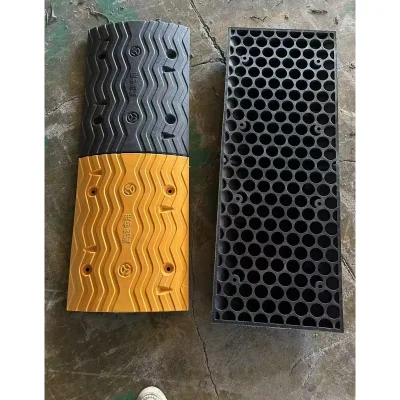
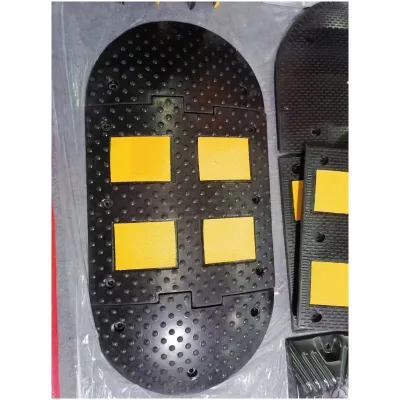


Rubber Speed Bump / Speed Bump Road / Traffic Speed Bump / Rubber Car Speed Hump
$8.00 - $15.00
MOQ: 100 Pieces


Comprehensive Sourcing Guide
Tire Killer Speed Bump Sourcing Guide
Procuring tire killer speed bumps requires a nuanced understanding of their dual function as both traffic calming devices and security barriers. Unlike standard speed humps designed primarily for vehicle deceleration, tire killers are engineered to puncture or deflate tires, serving as a robust deterrent against unauthorized vehicle access. Buyers must distinguish between these specialized units and general-purpose rubber speed bumps, as the structural integrity and material composition differ significantly to withstand the shear forces involved in tire destruction. This guide outlines the critical verification steps for sourcing these high-security traffic control products, ensuring that procurement teams select equipment that meets specific operational and safety requirements.
The sourcing landscape for tire killers is characterized by a mix of rubber and steel constructions, each offering distinct advantages in terms of durability, installation complexity, and cost. While rubber variants are common for general roadway safety and parking applications, steel-based models are often preferred for high-security zones such as tunnels, railway perimeters, and central isolation barriers. Understanding the specific application environment is the first step in defining technical requirements, as the choice of material directly impacts the device’s lifespan, maintenance needs, and compatibility with existing road infrastructure.
Product Scope and Observed Listing Signals
The market for tire killer speed bumps presents a diverse range of product configurations, with observed listings indicating a wide variation in dimensions, weights, and material compositions. Buyers will encounter models with middle sections weighing between 17kg and 19kg, paired with end caps ranging from 5kg to 7.5kg, reflecting the modular nature of these installations. Sizes vary significantly, with common middle section dimensions including 90050050mm and 50050075mm, while end cap sizes are tailored to fit specific middle section profiles. This variability necessitates careful attention to dimensional specifications to ensure seamless integration into existing roadways or parking lots.
Color and packaging options also play a crucial role in the selection process, with yellow and black being the standard color scheme for high visibility and safety compliance. Packaging methods range from woven bags to cartons, depending on the product model and supplier logistics, which can influence shipping costs and handling requirements during delivery. Some listings indicate origins in regions such as Sichuan and Zhejiang in China, highlighting the geographic concentration of manufacturing hubs for these specialized traffic control devices. Buyers should verify these origin details to assess supply chain reliability and potential import duties.
Technical Specifications to Verify
When evaluating technical specifications, the primary focus should be on the dimensional accuracy and weight distribution of the speed bump modules. The middle section and end cap sizes must be compatible to ensure a stable and continuous barrier, with precise measurements such as 90050050mm for the middle and 90025050mm for the end being common configurations. Buyers must verify that the listed dimensions match the actual product specifications, as discrepancies can lead to installation challenges and compromised safety performance. Additionally, the weight of each component, such as a 4.5kg unit or a 22kg gross weight per piece, is critical for assessing the stability and resistance to displacement under vehicle load.
Material composition is another key technical factor, with rubber and steel being the predominant materials used in tire killer construction. Rubber models, often certified under ISO standards, offer flexibility and noise reduction, making them suitable for residential or commercial parking areas. In contrast, steel models, which may carry CE, ISO, and ASTM certifications, provide superior durability and security for high-traffic or high-risk environments. Buyers should request detailed material specifications to confirm the grade of rubber or steel used, as this directly impacts the product’s resistance to weathering, UV exposure, and mechanical stress.
Compliance and Safety Documentation
Compliance with international and regional safety standards is essential for tire killer speed bumps, particularly when deployed in public roads or high-security zones. Certifications such as CE, ISO, and ASTM serve as indicators of adherence to quality and safety benchmarks, ensuring that the products have undergone rigorous testing for structural integrity and performance. Buyers should verify the validity of these certifications and request copies of the test reports to confirm that the products meet the specific regulatory requirements of their target market. This due diligence is crucial for mitigating liability risks and ensuring that the installed speed bumps provide the intended safety benefits.
Safety documentation should also include detailed installation guidelines and maintenance instructions, which are vital for ensuring the long-term effectiveness of the tire killers. Proper installation techniques, such as anchoring methods and surface preparation, must be clearly specified to prevent movement or failure under vehicle load. Additionally, buyers should inquire about the product’s visibility features, such as reflective strips or high-contrast coloring, to ensure that the speed bumps are easily identifiable by drivers, thereby reducing the risk of accidents or damage to vehicles.
Cost Drivers and Commercial Terms
The cost of tire killer speed bumps is influenced by several factors, including material type, dimensions, certification requirements, and order volume. Observed price ranges in the market vary from $1.5 to $80 per unit, reflecting the diversity of product configurations and quality levels. Buyers should consider the total cost of ownership, which includes not only the purchase price but also shipping, installation, and maintenance costs. Higher-priced models with robust certifications and durable materials may offer better long-term value by reducing replacement frequency and maintenance expenses.
Minimum order quantities (MOQs) and payment terms are also significant commercial considerations, with MOQs ranging from 1 to 500 units depending on the supplier and product type. Buyers should negotiate favorable terms based on their projected demand and storage capacity, while also considering the impact of bulk purchasing on unit costs. Additionally, lead times and shipping methods, such as carton or ship packing, should be clarified to ensure timely delivery and avoid project delays. Understanding these commercial terms is essential for effective budgeting and supply chain planning.
Supplier Qualification and Quality Control
Supplier qualification is a critical step in the sourcing process, requiring a thorough assessment of the manufacturer’s capabilities, reputation, and quality control systems. Buyers should verify the supplier’s production capacity, technical expertise, and ability to meet specific customization requirements, such as unique dimensions or color schemes. Requesting references from previous clients and conducting site visits, if possible, can provide valuable insights into the supplier’s operational standards and reliability. Additionally, buyers should evaluate the supplier’s response to quality issues and their commitment to continuous improvement.
Quality control measures should be clearly defined and agreed upon before placing orders, including inspection protocols, testing procedures, and acceptance criteria. Buyers should specify the required certifications and documentation, ensuring that the supplier can provide evidence of compliance with relevant standards. Implementing a robust quality control process, such as pre-shipment inspections or third-party testing, can help identify and rectify potential defects before the products are delivered. This proactive approach minimizes the risk of receiving substandard products and ensures that the tire killers meet the specified performance and safety requirements.
Long-Term Procurement Checks
Long-term procurement success depends on establishing a sustainable relationship with suppliers and implementing regular performance reviews. Buyers should monitor the performance of the installed tire killers, tracking metrics such as durability, maintenance frequency, and user feedback to assess their effectiveness. Regular communication with suppliers can facilitate continuous improvement and address any emerging issues promptly. Additionally, buyers should stay informed about industry trends and technological advancements, ensuring that their procurement strategies remain aligned with evolving safety standards and operational needs.
Periodic audits of supplier performance and product quality are essential for maintaining high standards and mitigating risks. Buyers should conduct regular reviews of supplier compliance with contractual obligations, including delivery times, quality specifications, and after-sales support. Establishing clear performance indicators and accountability mechanisms can help drive supplier performance and ensure that the procurement process remains efficient and effective. By focusing on long-term relationship management and continuous improvement, buyers can secure a reliable supply of high-quality tire killer speed bumps that meet their operational and safety requirements.
FAQs
What certifications do tire killer speed bumps have?
Available tire killer speed bumps hold ISO and CE certifications. Some models also meet ASTM standards. These certifications ensure the rubber or steel products comply with international safety and quality requirements for railway, parking, and road applications.
How much does a Tire Killer Speed Bump weigh?
Weights vary by model, ranging from 4.5kg to 22kg per piece. Specific units like the RX-JSD-9R-01 have a middle weight of 19kg. Other models may weigh as little as 4.80kg or up to 22kg depending on the size and material composition.
Can I customize the dimensions of these speed bumps?
Customization is available for tire killer speed bumps to meet specific project needs. Standard sizes include 900*500*50mm and 500*300*40mm. Buyers can request variations while maintaining the core function of decelerating speed on roadways or tunnels.
Which materials are used for tire killer speed bumps?
These products are primarily manufactured from rubber or steel. Rubber models often feature yellow and black colors for high visibility. Steel variants serve as central isolation barriers. Both materials are selected for durability in railway, parking, and tunnel environments.
What is the typical packaging for these products?
Packaging options include woven bags, cartons, or ship containers depending on the order size. Smaller units often come in cartons, while larger batches may use woven bags. This ensures safe transport from origins in Sichuan or Zhejiang, China, to the destination.
How do I find suppliers with low MOQ requirements?
Suppliers offer minimum order quantities ranging from 1 to 500 pieces. Buyers can source units starting at just one piece for testing. This flexibility allows small projects to procure speed bumps without committing to large initial inventory volumes.
Where are these speed bumps manufactured?
Manufacturing origins include Sichuan and Zhejiang provinces in China. These regions produce various models like the RX-JSD series and TSH series. Products are exported globally while adhering to standards such as ISO, CE, and ASTM for international markets.