Source Titanium Sheets and Plates for Industrial and Medical Use
Source Titanium Sheets and Plates from 30 verified listings. Compare specifications including ASTM standards, cold-rolled and hot-rolled techniques, and grades like Gr1 and Gr2. Options range from 0.2mm to 80mm thickness with customization available for industrial and medical applications.
Updated
Key considerations
Products List


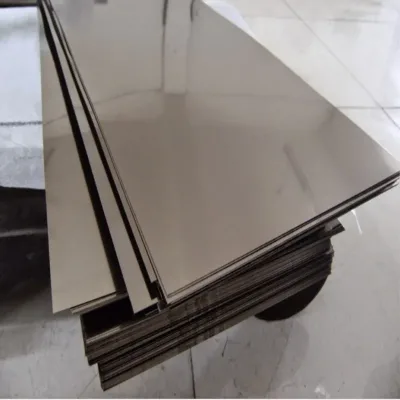
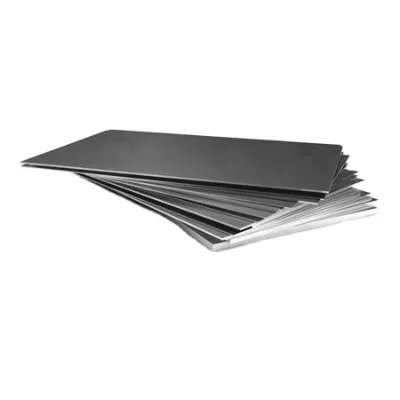
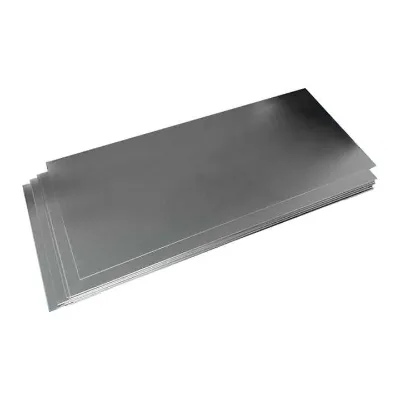
$15.4133 - $20.5506
MOQ: 5 kilograms
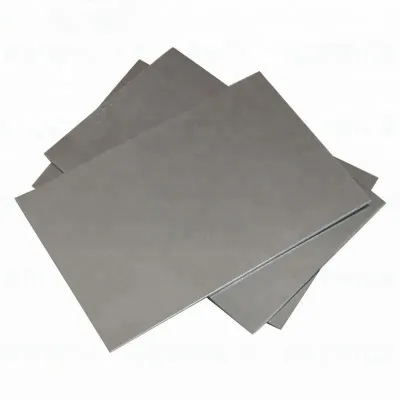
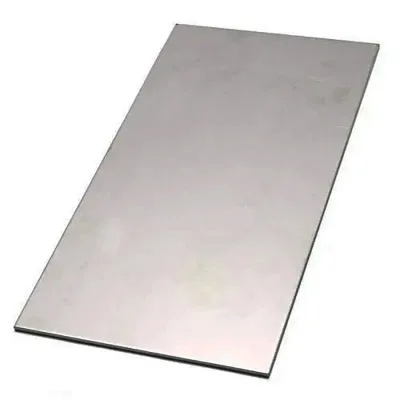
Hot Rolled Pure Titanium Plate Grade 5 Titanium Alloy Sheet Tc4 Titanium Plata Stock Gr1 G2
$12.00 - $15.00
MOQ: 5 kilograms
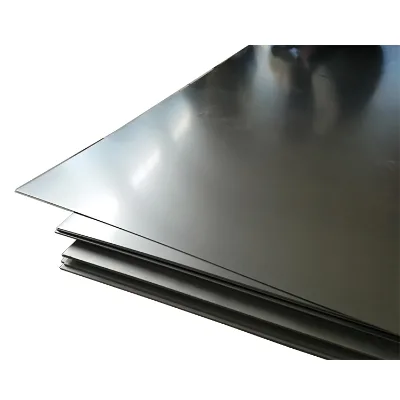
Ready to ship 0.5mm 0.8mm 1mm thin Grade 1 titanium sheet for plate heat exchanger
$25.00 - $28.00
MOQ: 5 kilograms


Comprehensive Sourcing Guide
Titanium Sheets and Plates Sourcing Guide
Product Scope and Observed Listing Signals
The current market for Titanium Sheets and Plates presents a diverse array of options, primarily characterized by their origin in China and their classification under industrial and medical applications. Buyers will observe that these products are predominantly manufactured from metal casting forms, with a specific emphasis on permanent usage molds, indicating a focus on durability and repeatability in production. The listings reveal a wide spectrum of physical dimensions, with thicknesses ranging from thin foils at 0.2mm up to substantial plates at 80mm, catering to varied structural and precision engineering needs. This breadth allows procurement teams to source single-supplier solutions for projects requiring both delicate components and heavy-duty structural elements.
Pricing signals in the observed listings span from 12 to 1000 USD, reflecting the significant variance in material grade, thickness, and processing techniques such as cold rolling or hot rolling. Minimum order quantities (MOQ) are similarly flexible, ranging from small batches of 1 unit to larger industrial orders of 500 units, with some suppliers specifying weight-based MOQs like 50kg. This variability suggests that buyers can negotiate terms suitable for both prototyping phases and large-scale manufacturing runs. The availability of customization options further enhances the scope, allowing for tailored solutions that align with specific project requirements rather than forcing adherence to rigid standard catalogs.
Technical Specifications to Verify
When evaluating Titanium Sheets and Plates, verifying the specific grade and model is paramount, as the supplied data indicates a range including Gr.1, Gr.2, Gr.3, Gr.4, TA1, TA2, and TC1, among others. Each grade offers distinct mechanical properties, so buyers must cross-reference their engineering requirements with the supplier’s specific model numbers, such as Gr5 or Gr7, to ensure material suitability. Additionally, the technique used, whether cold rolled or hot rolled, significantly impacts the final product’s surface finish and mechanical strength. Cold rolled options often provide tighter tolerances and smoother surfaces, while hot rolled variants may be more suitable for thicker sections, requiring careful selection based on the intended application’s stress and precision demands.
Dimensional accuracy and tolerance levels are critical verification points, with observed specifications noting widths up to 3000mm and lengths customizable to 1m, 2m, 3m, or 6m, or as required. Thickness tolerances are specified as tight as +/-0.02mm for certain foil products, highlighting the precision available in the market. Buyers should also confirm the wall thickness ranges, which can vary from 0.3mm to 3.0mm for specific applications, and ensure that the width and length specifications align with their manufacturing capabilities. The ability to request custom cutting to length and specific width requirements adds flexibility, but it is essential to validate these capabilities with the supplier to avoid discrepancies in final product dimensions.
Compliance and Safety Documentation
Compliance with international standards is a non-negotiable aspect of sourcing Titanium Sheets and Plates, particularly for medical and industrial applications. The observed listings frequently cite ASTM standards, including ASTM B265 and ASTM F67, as well as other related standards like JIS, DIN, EN, KS, GB, and AS/NZS. Buyers must verify that the supplier’s documentation explicitly references the specific ASTM or ISO standard relevant to their project, such as ISO 5832 for medical implants or ISO 13485 for quality management in medical devices. This verification ensures that the material meets the rigorous performance and safety criteria required by regulatory bodies in different regions, preventing potential compliance failures during product certification or deployment.
Certification status further reinforces the supplier’s commitment to quality and safety, with ISO 9001, ISO 9001:2015, ISO 14001:2015, and ISO 45001:2015 being commonly observed certifications. These certifications indicate adherence to quality management, environmental management, and occupational health and safety standards, respectively. Buyers should request copies of these certificates and verify their validity and scope to ensure they cover the specific products being procured. Additionally, the presence of CE certification suggests compliance with European health, safety, and environmental protection standards, which is crucial for suppliers targeting the European market. Ensuring that all documentation is up-to-date and comprehensive is essential for maintaining supply chain integrity and regulatory compliance.
Cost Drivers and Commercial Terms
The cost of Titanium Sheets and Plates is influenced by several key drivers, including the material grade, thickness, and processing technique. Higher grades, such as Gr5 or Gr7, typically command higher prices due to their enhanced mechanical properties and specialized applications. Similarly, thinner sheets and foils may incur higher per-unit costs due to the precision required in their manufacturing process. Buyers should also consider the impact of customization, as custom cutting to length or specific width requirements can add to the overall cost. Understanding these variables allows procurement teams to budget accurately and negotiate effectively, ensuring that they receive the best value for their specific requirements without compromising on quality or performance.
Commercial terms, including payment methods and delivery times, play a significant role in the total cost of ownership. Observed listings indicate payment terms such as T/T and L/C, offering flexibility for different financial arrangements. Delivery times are typically within 25 days after receiving the deposit, which is a standard lead time for many suppliers. However, buyers should confirm these timelines and any potential delays due to custom orders or high demand periods. Additionally, the supply ability, noted as 300 tons per month for some suppliers, indicates the capacity to handle large orders, but it is essential to verify this capacity against your own volume requirements to ensure timely delivery and consistent supply.
Supplier Qualification and Quality Control
Supplier qualification is a critical step in ensuring the reliability and consistency of titanium sheet and plate procurement. Buyers should assess the supplier’s production capabilities, including their use of permanent casting forms and their ability to perform heat treatments such as bright annealing. These processes are essential for achieving the desired material properties and surface finishes. Additionally, verifying the supplier’s quality control processes, including their adherence to observed standards like ASTM and ISO certifications, is vital. Buyers should request detailed quality control plans and inspection reports to ensure that the products meet the specified tolerances and performance criteria, reducing the risk of defects and ensuring consistent quality across batches.
Packaging and shipping methods are also important considerations for supplier qualification, as they impact the condition of the products upon arrival. Observed listings indicate various packaging options, including carton boxes, wooden pallets, and export standard packages with polywood cases or ISPM compliance. These methods are designed to protect the products from damage during transit, but buyers should verify that the packaging is suitable for their specific shipping conditions and storage requirements. Additionally, confirming the supplier’s ability to provide standard export seaworthy packages or customized packaging as required ensures that the products arrive in optimal condition, minimizing the risk of damage and reducing the need for additional handling or rework.
Long-Term Procurement Checks
Long-term procurement success depends on establishing robust relationships with suppliers who can consistently meet quality and delivery expectations. Buyers should implement regular performance reviews, assessing factors such as on-time delivery rates, product quality consistency, and responsiveness to issues. These reviews help identify potential problems early and allow for corrective actions to be taken before they impact production. Additionally, maintaining open communication channels with suppliers ensures that any changes in specifications, standards, or market conditions are promptly addressed. This proactive approach fosters trust and collaboration, leading to more reliable supply chains and better overall procurement outcomes.
Continuous monitoring of market trends and technological advancements is also essential for long-term procurement strategies. Buyers should stay informed about new titanium grades, processing techniques, and compliance requirements that may affect their sourcing decisions. This knowledge enables them to make informed decisions about when to switch suppliers, negotiate better terms, or adopt new materials that offer improved performance or cost efficiency. By staying ahead of industry developments, buyers can ensure that their procurement strategies remain competitive and aligned with their organization’s long-term goals, securing a sustainable and resilient supply of Titanium Sheets and Plates.
FAQs
What grades of Titanium Sheets and Plates are typically available?
Commonly listed grades include Gr1, Gr2, Gr3, Gr4, Gr5, Gr7, and Gr12, along with TA and TC designations such as TA1, TA2, TA3, TA4, TC1, TC2, and TC3. Availability varies by listing, so confirm the specific grade, standard, and thickness range with each supplier before ordering, since not every listed product satisfies every option.
Which thickness ranges can Titanium Sheets and Plates be supplied in?
Listed thickness options span roughly 0.2mm to 80mm, with some products offering cold rolled thickness of 0.3-4.1mm and hot rolled thickness of 4.1-100mm. Wall thickness options of 0.3-3.0mm are also listed. Tolerance can reach +/-0.02mm on certain items, so verify the applicable tolerance for your required thickness before ordering.
How wide can Titanium Sheets and Plates be produced?
The widest listed width is 3000mm, with some listings specifying maximum width of 3000mm and a 20*1220mm option also appearing. Width can often be produced according to your requirements. Because width capability differs between cold rolled and hot rolled production, confirm achievable widths for your chosen thickness and grade before placing an order.
What length options are available for Titanium Sheets and Plates?
Listed length options include 1m, 2m, 3m, and 6m, or as required, plus 500-3000mm or per customer request. Some products offer customed cutting to length. Because cutting and length options vary by product and production technique, state your required lengths clearly when requesting quotes so suppliers can confirm feasibility and pricing.
Which standards and certifications apply to listed Titanium Sheets and Plates?
Listed products reference ASTM and other related standards, with additional standards including JIS, DIN, EN, KS, GB, and AS/NZS. Certifications shown include ISO 9001 with CE, and ISO9001:2015, ISO14001:2015, and ISO45001:2015. Confirm which specific standard and certification documents a supplier can provide for your grade and application before finalizing a purchase.
Can Titanium Sheets and Plates be customized for specific requirements?
Yes, customization is listed as available. Customizable aspects include cutting to length, widths according to your requirements, and grades or dimensions as required. Packing can also be specified, with options such as carton box, pallet, wooden box, wooden pallet, or standard export seaworthy package. Discuss your specifications directly with suppliers to confirm what customization they can deliver.
What is the typical MOQ for Titanium Sheets and Plates?
A listed MOQ is 50kg, though observed MOQ values across listings range from 1 to 500. MOQ depends on the product, grade, and thickness you need, so lighter or thinner items may have different minimums. Confirm the MOQ for your exact specification when requesting quotations, since each listed product sets its own minimum order quantity.
How are Titanium Sheets and Plates packed for export delivery?
Listed packing options include carton box, pallet, wooden box, wooden pallet, standard export seaworthy package, or export standard package with polywood case or ISPM, or as required. One listing states delivery within 25 days after receiving deposit, with payment terms of T/T or L/C. Confirm the packing method, lead time, and payment terms with each supplier for your order.