Source HDTV Digital TV Antenna for TV, Communication, and Radar
Find and compare 30 HDTV Digital TV Antenna options for indoor TV reception, communication systems, and radar applications. Evaluate specifications like VSWR, polarization, and material to select the right antenna for your project needs.
Key considerations
Products List


$0.30 - $1.50
MOQ: 500 Pieces


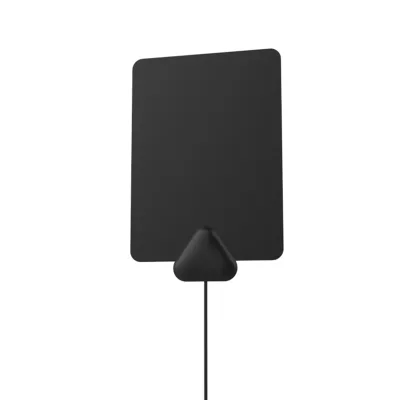
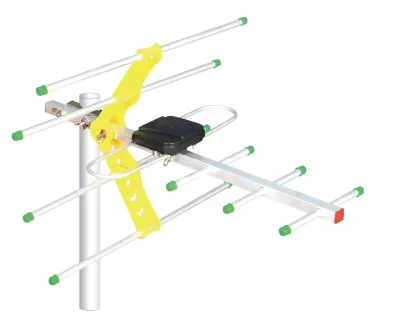


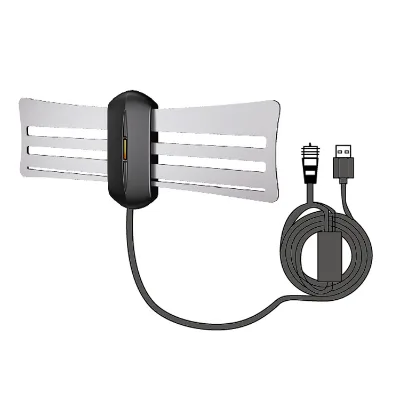


Comprehensive Sourcing Guide
HDTV Digital TV Antenna Sourcing Guide
Sourcing high-definition television (HDTV) digital TV antennas requires a disciplined approach to technical verification and commercial due diligence. The market for these components is diverse, ranging from simple indoor wire antennas to complex surface-mounted units designed for specific frequency bands. Buyers must navigate a landscape where product attributes vary significantly by model, and where generic listings often obscure critical performance metrics. This guide provides a structured framework for evaluating suppliers, verifying technical specifications, and ensuring that the procured antennas meet the functional requirements of the end-user market.
The procurement process begins with a clear definition of the intended application, whether for residential indoor use, base station communication, or specialized broadcasting. The supplied data indicates a wide range of usage occasions, including indoor TV reception, communication base stations, and even automotive or radar applications. Understanding the specific operational context is essential because it dictates the necessary antenna structure, polarization, and directionality. A mismatch between the antenna’s design and its intended environment can lead to poor signal reception, customer returns, and reputational damage. Therefore, the initial sourcing phase must prioritize alignment between the product’s physical characteristics and the target market’s technical needs.
Product Scope and Observed Listing Signals
The current market for HDTV digital TV antennas exhibits a broad spectrum of product types, as evidenced by the observed listing signals. The data reveals a price range from $0.29 to $70 USD, indicating a significant disparity in quality, material composition, and intended performance. This wide variance suggests that buyers will encounter everything from basic, low-cost plastic or copper wire antennas to more sophisticated surface antennas with higher gain and specialized directional properties. The minimum order quantity (MOQ) ranges from 1 to 1000 units, with a specific high-confidence fact noting an MOQ of 500 for certain models. This variability allows for flexibility in procurement strategies, enabling both small-scale prototyping and large-volume manufacturing runs.
Product models identified in the supply data include GL-DYT006, GL-DYT003, GL-DY005, GL-DYT001, GL-1036, GLAV-21, and TX-AP137. Each model corresponds to distinct physical and electrical characteristics. For instance, some units are described as having a surface antenna structure, while others are wire antennas. Materials range from copper (Cu) and aluminum (Al) to plastic and ABS, reflecting different durability and conductivity requirements. The dimensionality of these antennas also varies, with some being one-dimensional and others two-dimensional. Buyers must carefully map these model-specific attributes to their technical requirements, as a generic search term like "HDTV antenna" may yield results that are technically incompatible with specific frequency bands or installation environments.
Technical Specifications to Verify
Technical verification is the most critical phase of sourcing HDTV digital TV antennas, as performance is directly tied to specific electrical parameters. Key attributes to verify include the Voltage Standing Wave Ratio (VSWR), which indicates how efficiently radio power is transmitted from the antenna. The observed data shows VSWR values ranging from less than 1.5 to 2, and in some cases, a range of 1.5 to 2. A lower VSWR generally indicates better impedance matching and higher efficiency. Buyers should request specific VSWR data for the exact model they intend to purchase, as this metric is a primary indicator of signal quality and potential loss. Additionally, the frequency range is crucial; one observed model specifies a range of 470-862 MHz, which is typical for UHF digital TV broadcasting in many regions.
Other essential technical specifications include polarization, directionality, and impedance. The supply data indicates that antennas can be vertically polarized or omnidirectional, while others may be directional with a front-to-back ratio of greater than or equal to 24. Impedance is another critical factor, with 75 Ohms being a standard value for TV antenna applications. Buyers must ensure that the antenna’s impedance matches the receiving equipment to prevent signal reflection and loss. Furthermore, the nature of operation—whether the antenna is designed for receiving or transmitting—must be confirmed. While most HDTV antennas are receiving antennas, some models in the data are listed as transmitting antennas, which are unsuitable for standard TV reception applications.
Compliance and Safety Documentation
Compliance and safety documentation are non-negotiable requirements for importing and selling electronic components, including antennas. While the supplied data mentions CE certification as a low-confidence background fact, buyers must independently verify the current status of all relevant certifications for the specific supplier and product model. CE marking indicates conformity with health, safety, and environmental protection standards for products sold within the European Economic Area. However, the presence of a CE mark does not guarantee compliance; it must be supported by valid test reports from accredited laboratories. Buyers should request copies of these test reports to verify that the antenna meets the specific electromagnetic compatibility (EMC) and radio equipment directives applicable in their target market.
In addition to CE, other regional certifications may be required depending on the destination. For example, FCC certification is mandatory for electronic devices sold in the United States, while other regions may have their own regulatory bodies. Buyers should also inquire about RoHS compliance, which restricts the use of specific hazardous materials in electrical and electronic products. The material composition of the antenna, such as the use of copper, aluminum, plastic, or ABS, should be documented to ensure it meets environmental and safety standards. Furthermore, the packaging specifications, such as carton dimensions and palletization, should be reviewed to ensure they comply with international shipping regulations and do not pose any safety hazards during transit.
Cost Drivers and Commercial Terms
The cost of HDTV digital TV antennas is influenced by several factors, including material costs, manufacturing complexity, and order volume. The observed price range of $0.29 to $70 USD reflects these variations. Higher-priced units may feature more durable materials like aluminum or ABS, higher gain capabilities, or more sophisticated designs such as surface antennas with directional properties. Lower-priced units may be simple wire antennas made from basic copper or plastic. Buyers should analyze the cost structure in relation to the technical specifications to ensure they are not overpaying for unnecessary features or underpaying for substandard quality. The MOQ of 500 units for some models suggests that economies of scale play a significant role in pricing, and buyers may need to commit to larger volumes to secure competitive rates.
Commercial terms, including payment methods and shipping logistics, are also critical components of the procurement process. The supplied data indicates that payment options include TT (Telegraphic Transfer), PayPal, and Western Union. Buyers should assess the security and convenience of these payment methods, considering the risks associated with international transactions. The FOB port of Tianjin is mentioned, which provides insight into the shipping logistics and potential transit times. Buyers should also review the product packing specifications, such as carton dimensions (e.g., 532924 cm) and standard export cartons, to calculate shipping costs and storage requirements. Clear agreement on these commercial terms helps avoid unexpected costs and ensures a smooth supply chain operation.
Supplier Qualification and Quality Control
Supplier qualification is essential to mitigate risks associated with quality inconsistencies and delivery delays. Buyers should conduct thorough due diligence on potential suppliers, verifying their business licenses, manufacturing capabilities, and quality management systems. The fact that the products originate from China is noted, and buyers should be aware of the local manufacturing ecosystem and its strengths and challenges. Requesting samples is a crucial step in the qualification process, allowing buyers to physically inspect the product quality, verify technical specifications, and assess the build quality of materials like copper, aluminum, or plastic. Suppliers should be willing to provide samples and support testing to ensure the product meets the buyer’s requirements.
Quality control measures should be established to ensure consistent product quality throughout the production run. Buyers should inquire about the supplier’s quality control processes, including incoming material inspection, in-process quality checks, and final product testing. The VSWR, frequency response, and physical dimensions should be verified against the agreed-upon specifications. Additionally, buyers should consider implementing third-party inspection services to conduct pre-shipment inspections, ensuring that the products meet the required standards before they are shipped. Clear communication of quality expectations and regular feedback loops with the supplier help maintain high standards and reduce the risk of receiving defective or non-compliant products.
Long-Term Procurement Checks
Long-term procurement success depends on establishing a sustainable and reliable supply chain. Buyers should regularly review supplier performance metrics, including on-time delivery rates, product quality consistency, and responsiveness to issues. Building a strong relationship with the supplier can lead to better pricing, priority production, and improved support for future orders. It is also important to stay updated on changes in technology and market trends, as HDTV Digital TV Antenna technology continues to evolve. Buyers should be prepared to adapt their sourcing strategies to accommodate new product models, such as the GL-DYT006 or GL-DYT003, and to meet changing customer demands for higher performance or different form factors.
Continuous monitoring of regulatory changes and certification requirements is vital to ensure ongoing compliance. As regulations in target markets evolve, buyers must ensure that their suppliers remain compliant with the latest standards. This may involve re-testing products or updating documentation to reflect new regulatory requirements. Additionally, buyers should diversify their supplier base to mitigate risks associated with single-source dependencies. By maintaining a robust supplier qualification process, implementing strict quality control measures, and staying informed about market and regulatory changes, buyers can ensure a stable and efficient procurement process for HDTV digital TV antennas.
FAQs
What customization options are available for these antennas?
Customization is available for these antennas to meet specific buyer requirements. You can request variations in color, including white or black, and other custom specifications depending on the model selected for your project needs.
Which antenna models support indoor usage for TV reception?
Several models support indoor usage specifically designed for TV reception. These include the GL-DYT006 and GL-DYT003, which feature surface antenna structures suitable for indoor environments and operate within the microwave wavelength range.
Can I find antennas with a VSWR below 1.5?
Yes, specific models offer a VSWR below 1.5 for optimal signal performance. The GL-DY005 model is listed with a VSWR of less than 1.5, ensuring efficient signal transmission and reception for your communication or TV antenna needs.
What is the minimum order quantity for these products?
The minimum order quantity is typically 500 units for these antenna products. While some listings show a range from 1 to 1000, the confirmed high-confidence fact indicates a standard MOQ of 500 for bulk procurement.
How are these antennas packaged for shipping?
Packaging varies by model but often includes standard export cartons or specific carton dimensions. For instance, some units are packed in cartons measuring 53 by 29 by 24 centimeters, while others use standard export cartons on pallets.
Which materials are used to construct these antennas?
These antennas are constructed from durable materials such as copper, aluminum, and ABS plastic. The specific material depends on the model, with options like GL-DYT001 using plastic and others utilizing copper or aluminum for structural integrity.