Source Plastic Dye Solvent Orange 60 for Ink Plastics Paints
Compare 30 listings for Plastic Dye Solvent Orange 60 suitable for ink, plastics, and paints. Buyers can review specifications like packaging, origin, and certifications to find the right supplier.
Key considerations
Products List




Comprehensive Sourcing Guide
Strategic Sourcing Guide for Solvent Orange 60 in Plastic Manufacturing
Understanding the Technical Profile of Solvent Orange 60
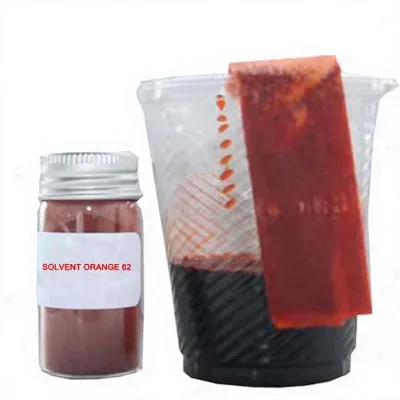
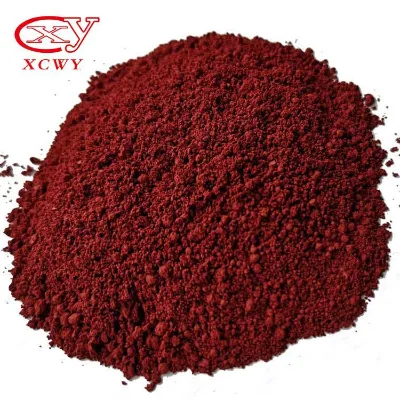
When initiating a procurement strategy for Solvent Orange 60, buyers must first establish a precise understanding of the chemical's technical identity and physical properties. Based on available market data, this product is classified as a synthetic dye, specifically designed for applications requiring high solubility in organic solvents and non-polar media. The primary physical observation for this grade is its appearance as a powder, which facilitates handling and mixing in industrial formulations. The color profile is distinctly orange, often described in specific product listings as having a bright and reddish shade, which is critical for achieving the desired hue in final plastic products.
The chemical identity is further defined by specific identifiers found in supplier documentation. The molecular formula is recorded as C32H23CrN10O8, and the CAS number is 52256-37-8. These identifiers are essential for verifying the authenticity of the material during the sourcing process. The product is frequently associated with the EINECS number 257-789-1, which serves as a regulatory reference for chemical substances in the European market. While some listings may reference alternative model numbers or trade names such as "No. 6" or "C-23," the core specification remains consistent with the Solvent Orange 60 designation.
Stability is a key attribute observed in the product descriptions, indicating that the dye maintains its chemical integrity under standard processing conditions. However, buyers should note that while "Stability" is listed as a general attribute, specific thermal or light stability limits are not universally quantified in the provided data. Therefore, technical validation through internal testing or requesting specific stability data sheets from the supplier is a necessary step before large-scale adoption. The dye is marketed with features such as being non-toxic and odorless, though these claims should be cross-referenced with official safety data sheets rather than accepted as absolute guarantees without verification.
Compliance Verification and Certification Standards
Navigating the regulatory landscape is a critical component of sourcing Solvent Orange 60 for plastic applications. The supply chain for this chemical is heavily influenced by international safety and environmental standards. High-confidence facts indicate that reputable suppliers typically provide documentation including Certificates of Analysis (COA), Material Safety Data Sheets (MSDS), and Technical Data Sheets (TDS). Some listings also mention third-party verification from SGS, which adds a layer of confidence regarding the purity and composition of the dye.
Buyers must be vigilant regarding specific regulatory certifications. While general background knowledge often associates solvent dyes with ROHS, REACH, and EN71-3 compliance, these specific standards are not explicitly confirmed as universal attributes for every listed product in the current data set. Consequently, procurement teams should not assume compliance based on product titles alone. Instead, the verification process must involve a direct request for the specific test reports corresponding to the target market's regulations. For instance, if the end application involves food contact or children's toys, the buyer must explicitly demand evidence of compliance with relevant migration limits and heavy metal restrictions, as the general "Non Toxic" claim requires substantiation through rigorous testing.
The origin of the product is another factor in compliance. The majority of the observed supply originates from China, with specific production hubs noted in Hunan and Hebei provinces. While these regions have a robust chemical manufacturing infrastructure, the variation in local regulatory enforcement can impact the consistency of certification quality. Suppliers from these regions often provide the standard documentation (COA, MSDS), but the buyer's responsibility is to ensure that the specific batch meets the destination country's import requirements. The presence of a "Most Competitive" price point in some listings suggests that cost-saving measures might be employed, which could potentially impact the depth of compliance testing performed. Therefore, a rigorous audit of the supplier's certification history is mandatory.
Cost Drivers and Pricing Dynamics
The pricing structure for Solvent Orange 60 is influenced by a complex interplay of raw material costs, production scale, and logistical factors. The observed market price range for this product spans from 1 to 120 USD, a wide variance that reflects differences in purity, packaging, order volume, and supplier positioning. The term "Competitive" or "Most Competitive" is frequently used in product descriptions, but without specific unit pricing, these terms serve as marketing indicators rather than concrete financial data.
A primary driver of cost variation is the Minimum Order Quantity (MOQ). The market data shows an MOQ range from 1 kg to 500 units. Suppliers offering an MOQ of 1 kg are likely targeting small-scale research and development operations or prototype testing, which often carries a higher unit cost due to the lack of economies of scale. Conversely, bulk orders aligned with the 25 kg packaging standard (often sold in drums or boxes) are expected to yield a lower cost per kilogram. The packaging format itself, whether paper bags, cartons, or drums, also impacts the final price, as specialized packaging for hazardous or sensitive chemicals incurs additional material and handling costs.
Another significant cost factor is the customization availability. Some suppliers list customization as an available service, which can introduce variable costs depending on the complexity of the request, such as specific shade adjustments or custom packaging requirements. The "Output" capacity of the supplier, with some claiming "China No 1" status, suggests that larger manufacturers may offer more favorable pricing due to their production efficiency. However, buyers should be cautious of price points that seem unusually low, as they may correlate with lower quality control standards or the use of inferior raw materials. The "Stability" and "Quality" attributes listed as "Very Good" in some contexts should be weighed against the price; a lower price does not necessarily equate to a lower quality product, but it does require more rigorous incoming quality control to ensure the dye performs as expected in the plastic matrix.
Typical Applications and Performance Requirements
Solvent Orange 60 is a versatile dye with a broad spectrum of applications, primarily driven by its solubility characteristics and colorfastness. The core use cases identified in the market data include Ink, Plastics, Paints, and Leather. The dye is specifically engineered to dissolve in organic solvents, making it ideal for solvent-based ink formulations and plastic coloring processes where water-based systems are not viable. In the plastics industry, it is used to impart color to various polymer types, ensuring that the color remains stable during the extrusion or injection molding processes.
Beyond the primary applications, the dye is also utilized in the paper industry and for cosmetic purposes, although the latter requires strict adherence to safety regulations. Some product listings mention applications in food and biology marking, which necessitates an even higher level of purity and safety verification. The specific application of "smoke" marking suggests use in specialized industrial marking inks. The versatility of the product is further highlighted by its use in textile and leather dyeing, where its bright and reddish shade provides a vibrant finish.
The performance of Solvent Orange 60 in these applications depends heavily on the compatibility with the specific solvent or polymer matrix. Buyers should verify that the dye's solubility parameters match their processing equipment and formulation requirements. The "Gram Negative" attribute listed in some contexts may refer to specific biological testing results, but in the context of general dyeing, it is more likely a reference to specific chemical properties or testing outcomes that require clarification. For plastic applications, the dye must resist migration and bleeding, ensuring that the color remains within the product boundaries and does not contaminate adjacent materials. The "Non Toxic" and "Odorless" features are particularly valuable in applications where the final product comes into contact with humans or sensitive environments, such as food packaging or cosmetic containers.
Supplier Evaluation and Selection Criteria
Selecting the right supplier for Solvent Orange 60 requires a multi-faceted evaluation process that goes beyond price comparison. The first step is to verify the supplier's origin and production capabilities. With the majority of supply coming from China, specifically Hunan and Hebei, buyers should assess the logistical capabilities of these suppliers to ensure they can meet delivery timelines. The "Delivery: on Time" attribute is a common claim, but it should be validated through historical performance data or references from existing clients.
Certification and documentation are critical evaluation criteria. A reliable supplier must provide up-to-date COA, MSDS, and TDS for every batch. The presence of SGS certification is a strong positive indicator, but it should be confirmed that the certification covers the specific product batch being purchased. Buyers should also inquire about the supplier's quality control processes, including how they manage batch-to-batch consistency. The "Quality: Very Good" claim is subjective and should be supported by objective data, such as color strength measurements or purity percentages.
Customization capabilities are another important factor. Suppliers that offer customization can provide tailored solutions for specific shade requirements or packaging needs, which can be crucial for specialized applications. However, this flexibility often comes with a longer lead time and potentially higher costs. The "Sample: Welcomed" attribute indicates that many suppliers are open to providing samples for testing, which is a recommended practice before committing to a large order. Buyers should use this opportunity to test the dye in their own formulations to verify its performance and compatibility.
Finally, the supplier's reputation and market standing should be considered. While some suppliers claim to be "China No 1" in terms of output, buyers should seek independent verification of these claims. The brand name "Jq" and "XCWY" are mentioned in the data, but without specific market share data, these should be treated as identifiers rather than guarantees of quality. A balanced approach involves comparing multiple suppliers based on their documentation, sample quality, and responsiveness to technical inquiries.
Quality Control and Long-Term Procurement Strategy
Implementing a robust quality control (QC) strategy is essential for maintaining the integrity of plastic products colored with Solvent Orange 60. Given the wide range of observed attributes and the potential for variation between suppliers, buyers must establish clear acceptance criteria for incoming materials. This includes verifying the physical appearance (powder, orange color), checking the molecular formula and CAS number against the order specifications, and confirming the packaging integrity. The standard packaging of 25 kg in drums or boxes is common, but buyers should inspect the packaging for damage or contamination upon receipt.
Long-term procurement considerations involve building a sustainable relationship with suppliers who can consistently meet quality and delivery requirements. This includes negotiating contracts that define clear quality benchmarks, such as color strength, purity, and impurity limits. Buyers should also consider the environmental impact of their sourcing decisions, ensuring that suppliers adhere to relevant environmental standards, even if specific certifications like ROHS or REACH are not explicitly listed in the initial product data.
The "Stability" of the dye is a long-term concern, particularly for applications where the product may be exposed to light, heat, or chemical stress. Buyers should request stability data from the supplier and conduct their own accelerated aging tests to ensure the dye performs as expected over the product's lifecycle. Additionally, the "Customization" option should be leveraged to optimize the dye for specific applications, reducing waste and improving efficiency in the production process.
In conclusion, sourcing Solvent Orange 60 requires a careful balance of technical verification, regulatory compliance, and supplier evaluation. By focusing on the specific attributes provided in the market data and maintaining a rigorous QC process, buyers can secure a reliable supply of high-quality dye for their plastic manufacturing needs. The wide range of applications and the competitive nature of the market offer significant opportunities for optimization, provided that the procurement strategy is grounded in evidence and due diligence.
FAQs
What is the physical appearance of Plastic Dye Solvent Orange 60?
The product appears as a powder with a distinct orange color. Some listings describe the shade as bright and reddish, which is critical for achieving the desired hue in final plastic products.
Can I find Plastic Dye Solvent Orange 60 with specific certifications?
Yes, suppliers typically provide Certificates of Analysis, Material Safety Data Sheets, and Technical Data Sheets. Third-party verification from SGS is also available for some batches to ensure purity and composition.
Which packaging formats are available for Plastic Dye Solvent Orange 60?
Common packaging includes cartons, drums, and paper bags. Specific options often feature 25 kg boxes or drums, though some suppliers may offer custom packaging upon request.
How does the minimum order quantity affect Plastic Dye Solvent Orange 60 pricing?
The minimum order quantity ranges from 1 kg to 500 units depending on the supplier. Smaller orders like 1 kg often carry higher unit costs, while bulk orders in 25 kg drums yield lower prices.
What are the primary applications for Plastic Dye Solvent Orange 60?
This dye is primarily used in ink, plastics, paints, and leather. It is also suitable for paper, cosmetic, and food applications, provided strict safety regulations are met for those specific uses.
Can suppliers customize the Plastic Dye Solvent Orange 60 shade or packaging?
Customization is available for specific shade adjustments or packaging requirements. Buyers should note that custom requests may involve variable costs and potentially longer lead times compared to standard orders.
Where are the manufacturers of Plastic Dye Solvent Orange 60 located?
The majority of supply originates from China, with specific production hubs in Hunan and Hebei provinces. Buyers should verify the specific origin to ensure compliance with destination country import requirements.