Source Tobacco Curing Tobacco Leaf Dryer for Fruit, Meat, and Seafood
Compare 26 industrial drying units designed for Tobacco Curing Tobacco Leaf Dryer applications alongside versatile uses for fruits, meats, and seafood. These machines feature customizable heating capacities, precise temperature control, and dehumidification functions to meet diverse processing needs.
Key considerations
Products List


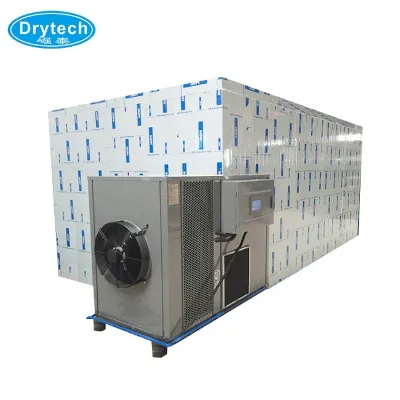
Energy Efficient Tobacco Leaves Curing Heat Pump Dryer Drying Machine
$4999.00 - $19999.00
MOQ: 1 Sets


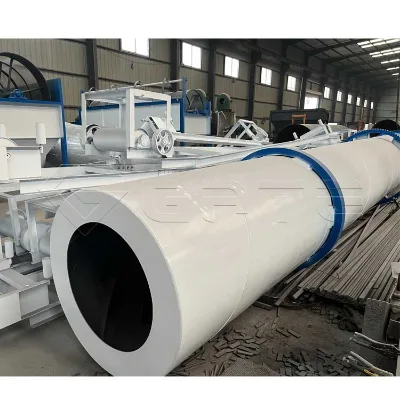


Large Scale Automatic Drying Machine Equipment Tobacco Leaves Flowers Rosehip Dryer
$29000.00 - $31000.00
MOQ: 1 Sets

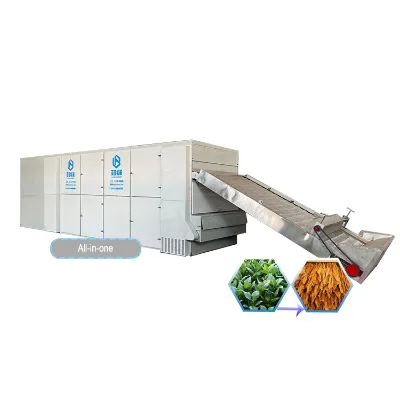
High Quality and Hot Sale Tobacco Leaves Dehydrated Dryer Drying Machine Price
$21097.75 - $23849.63
MOQ: 1 sets


Heat Pump Dryer Hot Air Circulating Drying Oven Dehydrator for Tobacco Leaves
$10000.00 - $60000.00
MOQ: 1 Pieces


Comprehensive Sourcing Guide
Strategic Sourcing Guide for Industrial Tobacco Curing and Leaf Dryers
Understanding the Technical Specifications of Industrial Dryers
When sourcing equipment for tobacco curing and leaf drying, buyers must first distinguish between general-purpose dryers and units specifically engineered for the thermal sensitivity of tobacco leaves. The provided market data indicates a diverse range of industrial heat pump dryers available, characterized by specific voltage, power, and capacity metrics that directly influence their suitability for agricultural processing. A critical observation from the current product landscape is the variation in heating capacity, with documented units ranging from 45kW to 87.5kW. This variance suggests that procurement decisions must be driven by the specific throughput requirements of the curing facility rather than a one-size-fits-all approach.
The electrical infrastructure required to operate these machines is equally critical. The observed product specifications consistently list a voltage requirement of 380V, often paired with a frequency of 50Hz. This standard industrial voltage is prevalent in many manufacturing regions, but it necessitates a rigorous review of the buyer's local power grid compatibility. Furthermore, the rated power consumption varies significantly across models, with documented figures including 10.8kW, 15.4kW, and 22.8kW. The maximum power draw, which is essential for sizing circuit breakers and transformers, has been observed up to 42.8kW in high-capacity units. Buyers should verify that their facility's electrical capacity can handle the peak load, particularly during the initial heating phase where current draw may spike to levels such as 42.9A.
The drying temperature range is a pivotal technical parameter for tobacco curing, as the process requires precise thermal control to preserve the leaf's chemical composition and flavor profile. The available data shows a drying temperature range of 10°C to 75°C, with some specific models offering a range of 20°C to 75°C. This capability allows for the gradual curing process required for tobacco, which often involves distinct stages of drying at different temperatures. The ability to control the environment within this range is often facilitated by advanced control systems, such as touch screen controls, which allow operators to program complex curing curves. Additionally, the drying type is described as a combination of heating, cooling, and dehumidification, indicating that these units function as heat pump systems capable of managing humidity levels while regulating temperature.
Compliance, Certification, and Regulatory Standards
In the global B2B market for agricultural machinery, compliance with international safety and quality standards is non-negotiable. The supplied product information highlights that many available units carry certifications such as CE, ISO, and CCC. These certifications serve as a baseline indicator that the manufacturer adheres to specific safety and quality management protocols. The CE mark, for instance, indicates conformity with health, safety, and environmental protection standards for products sold within the European Economic Area. The ISO certification suggests that the manufacturer operates under a certified quality management system, which is crucial for ensuring consistent product quality. The CCC mark indicates compliance with Chinese compulsory certification standards, which is relevant for products manufactured in China.
However, buyers must exercise caution and verify the specific scope of these certifications. While the data lists "CE, ISO, CCC" as available certifications, it does not guarantee that every unit in a specific batch or model line possesses all three. The presence of a certification on a product page should be treated as an observation of the manufacturer's capabilities rather than a universal guarantee for every transaction. Buyers should request valid, up-to-date certification documents for the specific model they intend to purchase. This includes verifying the validity of the machinery test reports, which are noted as being provided for some units. These reports are essential for validating that the equipment meets the claimed performance metrics and safety standards before installation.
The physical standards and dimensions of the equipment also play a role in compliance, particularly regarding facility layout and safety clearances. The observed product standards list dimensions such as 1600mm x 1000mm x 1500mm and 4000mm x 2000mm x 2200mm. These dimensions are critical for planning the installation site, ensuring adequate ventilation, and maintaining safe working distances around high-voltage components. Buyers must ensure that the chosen unit fits within their facility's spatial constraints and that the installation environment meets the necessary electrical and fire safety codes. The packaging standards, described as "Seaworthy Wooden Packing" or "Plywood," are also important for ensuring the equipment arrives in pristine condition, preventing damage that could compromise safety or performance during transit.
Cost Drivers and Financial Considerations
The pricing structure for industrial tobacco dryers is influenced by a complex interplay of technical specifications, capacity, and customization options. The observed market data indicates a price range from $900 to $60,000 USD. This wide disparity is not arbitrary but reflects the significant differences in capacity, power rating, and feature sets. A unit priced at the lower end of the spectrum likely corresponds to a smaller capacity model with lower power consumption, such as those with a heating capacity of 45kW or a weight of 245kg. Conversely, the higher price points are associated with larger, more powerful units capable of handling greater drying capacities, such as those with a heating capacity of 87.5kW or a weight of 400kg.
Beyond the initial purchase price, buyers must consider the total cost of ownership, which includes energy efficiency, maintenance, and operational longevity. The rated power and maximum power figures are direct indicators of energy consumption. A unit with a rated power of 10.8kW will incur lower operating costs than a unit with a rated power of 22.8kW, assuming similar usage patterns. However, the efficiency of the drying process is also determined by the technology employed. Some models feature "Second Waste Heat Recovery Technology," which can significantly reduce energy costs by reusing heat that would otherwise be lost. This technology is a key cost driver that can justify a higher upfront investment through long-term energy savings.
The Minimum Order Quantity (MOQ) is another financial factor to consider. The observed MOQ range is between 1 and 20 units. For smaller operations or pilot projects, an MOQ of 1 allows for the acquisition of a single unit without the need for a large capital outlay. However, for larger facilities requiring multiple units, the ability to order in bulk may offer negotiating leverage on the unit price. Customization is also listed as an available attribute, which can impact the final cost. Customized units may require additional engineering time and specific component sourcing, potentially increasing the price and lead time. Buyers should clearly define their customization needs early in the procurement process to avoid unexpected cost overruns.
Typical Applications and Process Compatibility
The versatility of the available drying technology makes it suitable for a wide range of agricultural applications beyond just tobacco. The product data explicitly lists applications including fruits, vegetables, seafood, and meat. This broad applicability suggests that the core technology of heat pump drying with dehumidification is highly adaptable to various moisture content and temperature requirements. For tobacco curing specifically, the ability to control the drying temperature between 10°C and 75°C is essential. Tobacco leaves require a specific curing curve that often involves a slow, controlled drying process to prevent cracking and preserve the leaf's color and texture.
The blowing type is another critical factor for process compatibility. The observed "Horizontal Blowing 360°" feature indicates a uniform air distribution system, which is vital for ensuring consistent drying across all layers of the tobacco leaves. Uneven drying can lead to spoilage or inconsistent quality, which is unacceptable in the tobacco industry. The dehumidification amount, ranging from 8 to 40 L/H, further supports the ability to manage the humidity levels within the drying chamber. This is particularly important for tobacco, where high humidity can lead to mold growth, while low humidity can cause the leaves to dry too quickly and become brittle.
The drying capacity, observed to range from 100 to 3500 kg per time, provides a clear metric for matching the equipment to the scale of the operation. Small-scale farmers or research facilities may require units with a capacity closer to the lower end of this range, while large-scale commercial curing facilities will need units capable of handling thousands of kilograms per batch. The "Heating/Cooling/Dehumidify" drying type confirms that these units can manage the entire curing process, including the initial cooling phase and the final dehumidification stage. This all-in-one functionality reduces the need for multiple pieces of equipment, streamlining the production process and reducing the footprint of the curing facility.
Supplier Evaluation and Operational Support
Evaluating a supplier for industrial drying equipment requires a focus on technical competence, after-sales support, and the availability of spare parts. The product data indicates that some suppliers provide an "Overseas service center," which is a significant advantage for international buyers. This ensures that technical support and maintenance services are available even if the equipment is located far from the manufacturing origin. The origin of the products is listed as Foshan, China, and generally China, which is a major hub for manufacturing industrial machinery. Buyers should verify the specific location of the supplier's service centers to ensure they are geographically accessible for timely support.
The warranty period is another critical factor in supplier evaluation. The observed warranty is listed as 2 Years, which is a standard duration for industrial machinery. However, buyers should carefully review the terms and conditions of the warranty to understand what is covered, such as the compressor, evaporator, and condenser, which are listed as core components. A comprehensive warranty should cover defects in materials and workmanship, but it is essential to clarify whether labor costs for repairs are included. The availability of a machinery test report is also a positive indicator of supplier transparency and quality assurance. Buyers should request these reports to verify that the equipment has been tested for performance and safety before shipment.
When evaluating suppliers, buyers should also consider the customization capabilities. The data confirms that customization is available, which allows buyers to tailor the equipment to their specific needs. However, this requires a clear communication of requirements and a thorough understanding of the supplier's engineering capabilities. Buyers should ask for detailed specifications on how customization affects the lead time, cost, and performance of the unit. Additionally, the packaging method, described as "Seaworthy Wooden Packing" or "Plywood," should be verified to ensure that the equipment will arrive without damage. Proper packaging is a sign of a supplier's attention to detail and commitment to product integrity.
Long-Term Procurement and Quality Control Strategies
Sourcing industrial drying equipment is a long-term investment that requires a robust quality control strategy to ensure reliability and performance over the life of the machine. The core components of these dryers, including the compressor, evaporator, and condenser, are critical to the system's efficiency and longevity. Buyers should verify the brand and quality of these components, as the performance of the entire unit depends on the quality of these parts. The presence of a machinery test report suggests that the manufacturer conducts quality checks, but buyers should also consider requesting third-party inspection reports to validate the equipment's performance independently.
Maintenance and operational continuity are key considerations for long-term procurement. The "Second Waste Heat Recovery Technology" mentioned in the data is a feature that not only improves energy efficiency but also reduces the thermal stress on the system, potentially extending the equipment's lifespan. Buyers should inquire about the maintenance requirements for this technology and the availability of replacement parts. The "Touch Screen Control" system is another feature that simplifies operation but may require specialized training or software updates. Ensuring that the supplier provides adequate training and software support is essential for maintaining operational efficiency.
Finally, buyers should develop a contingency plan for potential equipment failures or upgrades. The wide range of drying capacities and power ratings available in the market suggests that there is flexibility in scaling operations. However, buyers should also consider the modularity of the equipment and the ease of integrating additional units if production needs increase. The "Customized" attribute indicates that the equipment can be adapted to future needs, but this should be planned for in the initial procurement strategy. By focusing on quality control, component verification, and long-term support, buyers can ensure that their investment in industrial drying equipment delivers consistent value and performance for years to come.
FAQs
What is the drying temperature range for these units?
The drying temperature range is typically 10 to 75 degrees Celsius or 20 to 75 degrees Celsius depending on the model. This allows for precise thermal control required for curing tobacco leaves without damaging their chemical composition.
Can these dryers handle large batches of tobacco leaves?
Yes, the drying capacity ranges from 100 to 3500 kilograms per time. This wide range allows facilities to select units that match their specific throughput requirements for curing operations.
Which certifications are available for these industrial dryers?
Available certifications include CE, ISO, and CCC marks for safety and quality compliance. Buyers should verify that specific models carry these documents before purchase to ensure regulatory adherence.
How much power do these heat pump dryers consume?
Rated power consumption varies between 10.8kW and 22.8kW across different models. Maximum power draw can reach up to 42.8kW, which is essential for sizing electrical infrastructure and circuit breakers.
What is the standard voltage requirement for these machines?
The standard voltage requirement is 380V at 50Hz frequency. This industrial voltage standard is prevalent in manufacturing regions but requires verification of local grid compatibility before installation.
Are customized options available for tobacco curing equipment?
Customization is available for specific drying requirements and facility layouts. Buyers should define their needs early to avoid unexpected costs or delays in the engineering and production phases.
What is the warranty period for these drying systems?
The standard warranty period provided is 2 years for the equipment. This coverage typically includes core components like the compressor, evaporator, and condenser against defects in materials and workmanship.