Source Touch Sensor Plasma Lighter for Outdoor, Camping, and Travel
Source Touch Sensor Plasma Lighter options from verified manufacturers. Compare 30 listings featuring windproof, rechargeable designs with USB charging and durable metal or zinc alloy construction. Evaluate specs like battery capacity and certifications to find the right fit for promotional gifts or daily use.
Updated
Key considerations
Products List




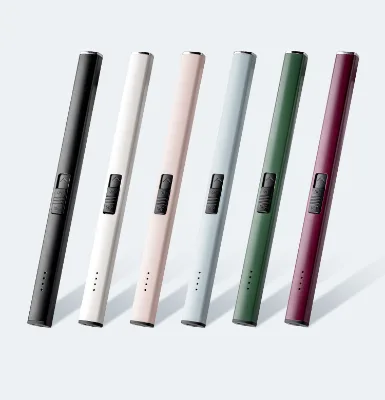
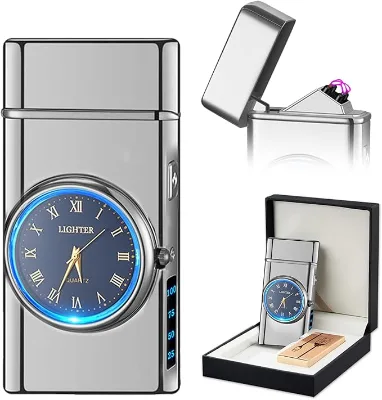
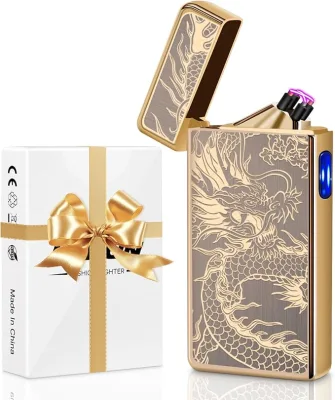
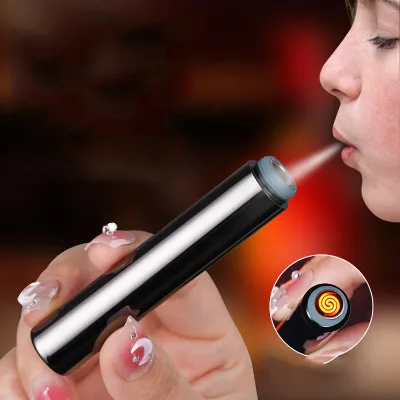
Comprehensive Sourcing Guide
Touch Sensor Plasma Lighter Sourcing Guide
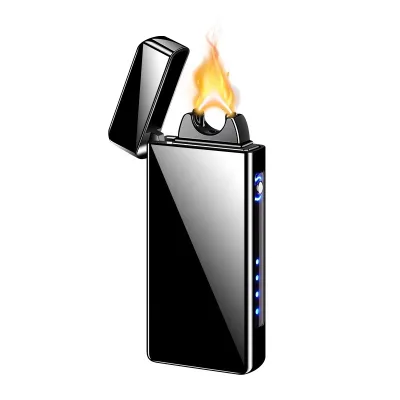
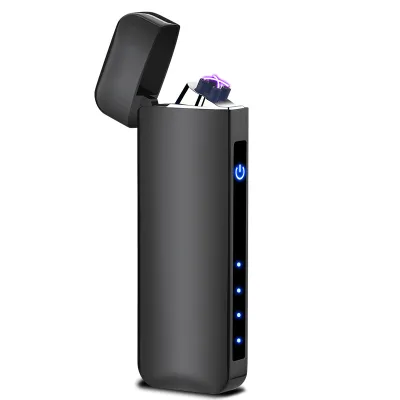
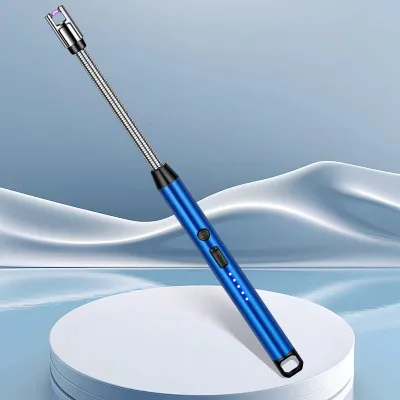
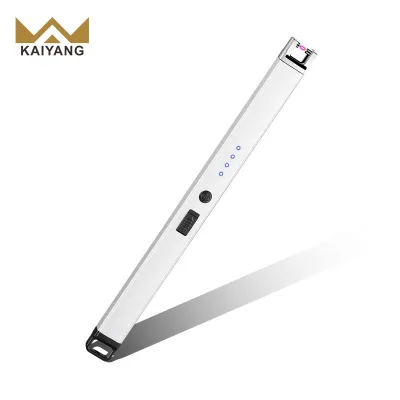
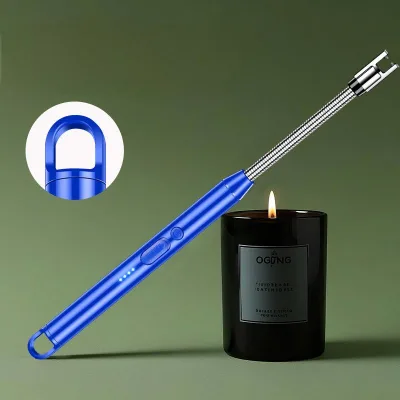
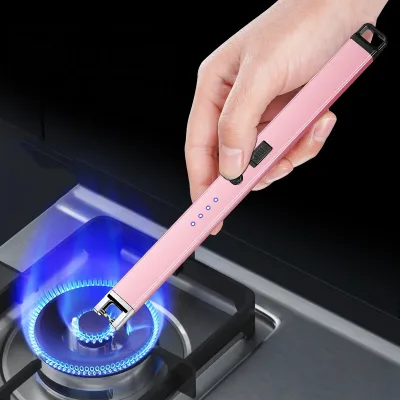
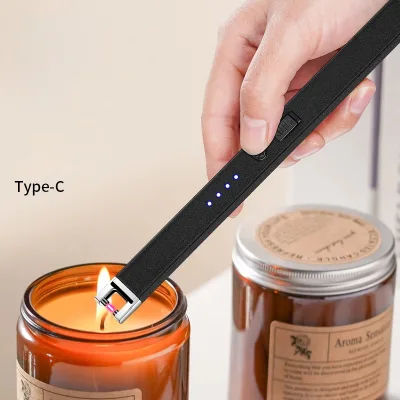
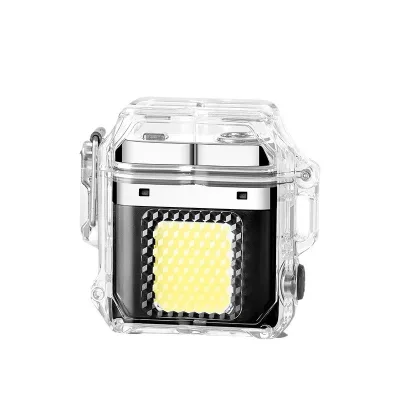
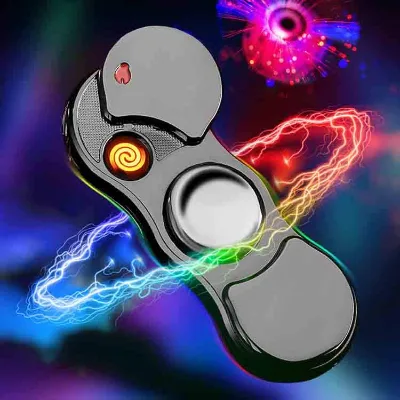
The Touch Sensor Plasma Lighter represents a specialized segment of electric ignition devices, primarily distinguished by its dual-arc or plasma coil technology rather than traditional flame mechanisms. Based on observed market listings, these units are frequently categorized under broader electric lighter types, with specific models designed for applications ranging from cigarette lighting to outdoor camping and kitchen torch usage. Buyers should note that while some listings explicitly mention "touch sensor" functionality, the provided data highlights features like "Dual Arc" and "Windproof" capabilities, suggesting that the ignition method is often a combination of capacitive touch activation and high-voltage plasma generation.
Procurement decisions for this category require careful differentiation between standard electric lighters and those with advanced sensor integration. The observed product attributes indicate a strong emphasis on portability and rechargeability, with many units featuring lithium batteries and USB DC 5V charging inputs. When evaluating potential suppliers, it is critical to verify whether the "touch sensor" claim refers to a simple on/off mechanism or a more complex safety feature that prevents accidental discharge. The market data suggests a wide variance in design styles, from "Morden" to "Classic," which influences the target demographic for promotional gifts versus professional outdoor gear.
Product Scope and Observed Listing Signals
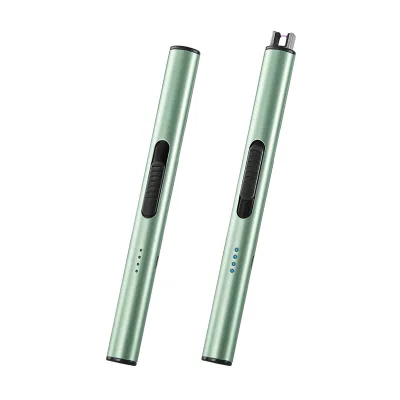
The current market landscape for plasma lighters includes a diverse array of product configurations, ranging from compact single-item units to larger promotional sets. Observed specifications reveal significant variation in physical dimensions, with some models measuring approximately 83.5259mm while others are bulkier at 833812.5mm. This variance in size often correlates with battery capacity and intended usage, where smaller units may be optimized for pocket carry, while larger models might support higher power output for torch applications. Buyers must scrutinize the "Single package size" and "Net weight" data to ensure the product fits their logistical requirements, as observed weights range from 0.15 kg to 0.3 kg per unit.
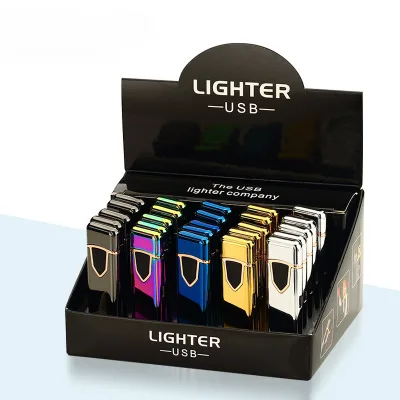
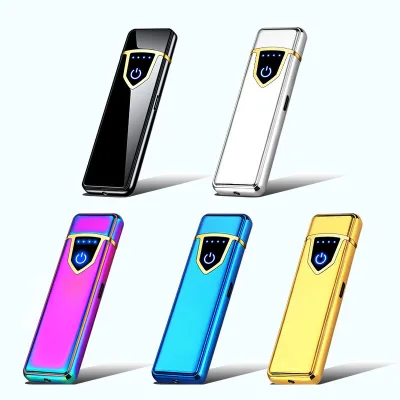
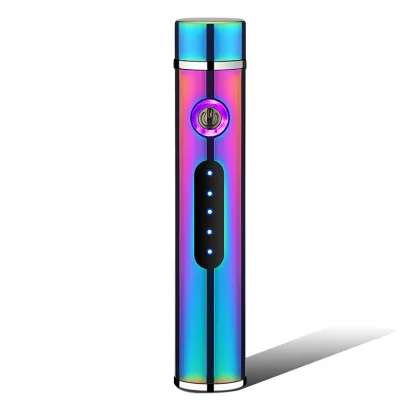
Material composition is another critical signal in the product scope, with listings frequently citing ABS, Metal, and Zinc Alloy as primary construction materials. These materials are selected to ensure durability and safety, particularly given the high-voltage nature of plasma ignition. The observed color options, including frosted black, blue, silver, and purple, indicate a strong focus on aesthetic customization for corporate branding or retail appeal. Procurement teams should verify if the "OEM Logo Acceptable" and "Customization Available" attributes apply to the specific touch sensor model, as not all listed variants may support full branding integration despite the general supplier willingness to accommodate such requests.
Technical Specifications to Verify
When validating the technical performance of a Touch Sensor Plasma Lighter, the battery specifications are paramount for ensuring reliable operation. The observed data points to a specific battery capacity of 220mAh and a charging voltage of USB DC 5V, which are standard metrics for portable electronic devices. However, buyers must confirm if these specifications apply to the specific touch sensor variant or if they represent a baseline for a broader product line. The presence of a "Lithium Battery" type is consistent across listings, but the actual cycle life and discharge rate under high-load conditions, such as dual-arc ignition, require independent verification to prevent premature failure in the field.
The ignition mechanism and physical durability are equally critical technical parameters that demand rigorous testing. While the product attributes list "Windproof" and "Safety" as key features, the actual performance of the plasma arc in adverse weather conditions must be validated against the specific model number, such as HY-1327 or HY-6029. The "Dual Arc" feature suggests a specific ignition geometry that differs from single-coil designs, potentially offering better wind resistance but requiring different power management. Buyers should request detailed schematics or test reports to confirm that the touch sensor interface does not introduce latency or reliability issues during the ignition sequence, especially given the "Faster Delivery" claims that might imply rushed production cycles.
Compliance and Safety Documentation
Safety compliance is a non-negotiable aspect of sourcing electric lighters, particularly those utilizing high-voltage plasma technology. The observed product data explicitly lists CE, ROHS, FCC, and MSDS certifications, which serve as foundational indicators of regulatory adherence for the European, environmental, and electronic safety markets. These certifications are essential for importing these devices into major markets, as they verify that the product meets specific limits for electromagnetic interference and hazardous substances. Procurement teams must ensure that the certification documents provided by the supplier are current and specifically linked to the model being purchased, rather than generic certificates for a broader product family.
Beyond standard certifications, the handling of lithium batteries introduces additional regulatory layers that require careful documentation review. The "MSDS" (Material Safety Data Sheet) mentioned in the listings is crucial for shipping compliance, as it details the chemical and physical properties of the battery and the device. Buyers should verify that the MSDS covers the specific battery chemistry and capacity observed, such as the 220mAh lithium cell, to ensure accurate classification for air and sea freight. Additionally, the "Eco-Friendly" attribute suggests a focus on sustainable manufacturing, but this claim should be backed by verifiable data regarding material sourcing and end-of-life disposal protocols to avoid greenwashing in marketing materials.
Cost Drivers and Commercial Terms
The pricing structure for touch sensor plasma lighters is influenced by a complex interplay of material costs, customization levels, and order volume. Observed price ranges in the market span from $0.03 to $10, a wide disparity that reflects differences in build quality, battery capacity, and the extent of OEM branding. High-volume orders may benefit from economies of scale, but the "MOQ range" of 1 to 1,000,000 indicates that suppliers cater to both small promotional buyers and large-scale distributors. Buyers must analyze the cost per unit relative to the specific features requested, such as the "Dual Arc" capability or custom packaging, to ensure the final price aligns with the expected value proposition.
Commercial terms regarding delivery and sample availability also play a significant role in the total cost of ownership. The observed "Delivery time" of 3-5 days for mixed designs suggests a highly responsive supply chain, which can be advantageous for urgent procurement needs. However, this rapid turnaround may come with constraints on customization depth or quality control rigor. The "Sample Avaliable" and "Provided Freely" attributes are valuable for initial validation, but buyers should clarify if shipping costs for samples are covered or if bulk orders incur additional logistics fees. Understanding the "Supply Type" as "Make-to-Order" is essential for managing inventory risks and aligning production schedules with market demand.
Supplier Qualification and Quality Control
Supplier qualification for plasma lighter manufacturers requires a thorough assessment of their production capabilities and quality assurance protocols. The observed "Place of Origin" in Zhejiang, China, identifies a region known for its electronics manufacturing ecosystem, but buyers must verify the specific factory's capacity to handle the precision required for touch sensor integration. The "OEM/ODM: Warmly Welcomed" attribute indicates flexibility in production, yet this flexibility must be balanced with strict quality control measures to prevent defects in the ignition mechanism or battery assembly. Requesting a detailed audit report or visiting the facility can provide insights into the supplier's ability to maintain consistent product standards.
Quality control processes should extend beyond final inspection to include in-line testing of critical components like the plasma arc and battery management systems. The "Feature" list includes "Durable" and "Safety," which implies that the supplier has established protocols for stress testing and safety verification. Buyers should inquire about the specific testing procedures used to validate the "Windproof" and "Waterproof" claims, as these are often subject to environmental variables that can vary by region. Establishing a clear communication channel for defect reporting and implementing a robust acceptance sampling plan are essential steps to mitigate the risk of receiving non-conforming goods, especially given the high-stakes nature of ignition devices.
Long-Term Procurement Checks
Sustaining a successful procurement relationship for touch sensor plasma lighters requires ongoing monitoring of product performance and supplier reliability over time. The "Advantage" of "Faster Delivery" is a significant operational benefit, but it must be maintained consistently across multiple order cycles to ensure supply chain stability. Buyers should track key performance indicators such as on-time delivery rates, defect rates, and responsiveness to quality issues to identify any degradation in service quality. Regular reviews of the supplier's production capacity and inventory levels can help anticipate potential bottlenecks and ensure that the "3-5 days" delivery promise remains viable during peak demand periods.
Long-term checks also involve evaluating the supplier's commitment to innovation and product evolution. As the market for electric lighters evolves, suppliers must adapt to new battery technologies, safety standards, and consumer preferences. The "Customization Available" and "Logo OEM" attributes suggest a willingness to adapt, but buyers should verify that the supplier invests in R&D to improve product features like battery life and ignition efficiency. Maintaining a strategic partnership with a supplier who demonstrates a proactive approach to quality improvement and regulatory compliance will ensure that the procurement strategy remains competitive and resilient in the face of changing market dynamics.
FAQs
What materials are used in these electric lighters?
The products are constructed from durable ABS plastic and metal components. Specific models utilize Zinc Alloy for enhanced structural integrity and aesthetic appeal. These material choices ensure the lighters are robust, windproof, and suitable for repeated daily use in various environments without compromising safety or performance.
Can I get a sample before placing a bulk order?
Yes, samples are provided freely to potential buyers. This allows you to verify the product quality, design, and functionality before committing to a larger purchase. The supplier warmly welcomes OEM and ODM requests, ensuring that the sample process supports your specific branding and customization needs effectively.
What certifications do these lighters hold?
The electric lighters carry CE, ROHS, FCC, and MSDS certifications. These credentials confirm compliance with international safety and environmental standards. Buyers can rely on these documented certifications to ensure the products meet regulatory requirements for import and sale in various global markets, reducing compliance risks.
How long does delivery take for mixed designs?
Delivery time is typically 3-5 days for mixed designs. This rapid turnaround supports urgent procurement needs and allows for flexible inventory management. The supplier offers faster delivery advantages, ensuring that orders are processed and shipped promptly to meet tight deadlines for promotional events or retail restocking.
Is customization available for logos and packaging?
OEM logo acceptance and customization are warmly welcomed. Buyers can request specific packaging options, including simple boxes, black gift boxes, or custom designs. This flexibility makes the lighters ideal for promotional gifts, souvenirs, and advertising purposes, allowing brands to maintain consistent visual identity across their marketing materials.
What is the battery capacity and charging method?
The lighters feature a 220mAh lithium battery that charges via USB DC 5V. This rechargeable design ensures eco-friendly operation and long-term usability. The battery type supports reliable performance for torch and kitchen applications, providing a convenient and sustainable alternative to traditional fuel-based ignition sources for everyday use.