Classic Portable Cigarette Lighter Suppliers and Manufacturers
Explore 15 verified suppliers offering Classic Portable Cigarette Lighter options with varying lead times, certifications, and customization capabilities. Compare response times, MOQs, and product standards to select the right partner for your sourcing needs today; review the available evidence before requesting comparable quotations from suitable candidates.
Suppliers List

Hunan Dongyi Electric Co., Ltd.
- Verified by CTI
- Combined
- China Hunan
- Lead time15 days
- Avg. response≤ 17h
Main productsElectronic Lighter, Flint Lighter, BBQ Lighter, USB Lighter, Utility Lighter, LED Item
Main marketsSouth America,Africa,Southeast Asia/ Mideast,East Asia(Japan/ South Korea),Domestic,Europe,Australia,North America

Classic Disposable Rubber Color Hot Selling Electric Lighter Cigarette Lighter
$0.01 - $0.18
MOQ: 200000 Pieces

Plastic Lighter Cheap Classic Popular Lighter Smoking Disposable Flint Cigarette Lighter
$0.03 - $0.04
MOQ: 300000 Pieces

$0.03 - $0.04
MOQ: 300000 Pieces


Printing Plastic Cigarette Lighter Electric Gas Lighter OEM High Quality Lighter
$0.05 - $0.07
MOQ: 200000 Pieces
Ningbo Haodian Smoking Sets Co.,Ltd
- Verified by Intertek
- Manufacturer, Trading Company
- Lead time30 days
- Avg. response≤ 1h
Main productsLighter, Torch Lighter
Main marketsNorth America(64%), Western Europe(30%), Eastern Europe(3%)

Ningbo Klaid Imp & Exp Co., Ltd.
- Verified by TUVRHEINLAND
- Trading Company
- China Zhejiang
- Lead time30 days
- Avg. response≤ 3h
Main productsChafing Fuel, Gel Fuel, Wire Chafing Dish Racks, Butane Gas Refill, Lighter Gas Refill, Chafing Fuel Cans, Disposable Biodegradable Packaging
Main marketsSouth America,Southeast Asia/ Mideast,Europe,North America


Lighter with a Universal Refill Valve, Portable Size, and Easy to Carry
MOQ: 100000 Pieces

Mini Plastic Candle Lighters for Cigarette Cigar Candle
MOQ: 2000000 Pieces

Hot Sale Rechargeable USB Electric Plasma Lighter Candle Lighter
MOQ: 100000 Pieces

Shenzhen Giver Technology Co., Ltd.
- Manufacturer, Distributor/Wholesaler
- Guangdong, China
- Lead time10 days
- Avg. response≤ 6h
Main productsTorch lighter,cigarette lighter,Electric lighter,plasma lighter,USB lighter
Main marketsCentral America(40.00%), North America(10.00%), Western Europe(10.00%), Southern Europe(10.00%), Eastern Europe(6.00%), Southeast Asia(5.00%), Northern Europe(5.00%), South Asia(5.00%), South America(5.00%), Africa(2.00%), Eastern Asia(1.00%), Oceania(1.00%)

Jiangsu Crown Police Equipment Manufacturing Co., Ltd.
- Verified by SGS
- Combined
- China Jiangsu
- Lead time15 days
- Avg. response≤ 5h
Main productsAnti-Riot Helmet, Anti-Riot Shield, Pepper Spray, Tactical Vest, Helmet, Anti-Riot Suit
Main marketsSouth America,Africa,Southeast Asia/ Mideast,East Asia(Japan/ South Korea),Domestic,Europe,Australia,North America

Shenzhen Lovisle Technology Co., Ltd.
- Verified by TUVRHEINLAND
- Trading Company,Manufacturer/Factory,Group Corporation
- China Guangdong
- Lead time38 days
- Avg. response≤ 6h
Main productsTorch Gas Lighter, Cigarette Lighter, Cigarettes Cases, USB Lighter, Herb Grinder, Water Hookah Shisha, Rolling Machine, Smoking Accessories, Electronic Cigarettes Lighters
Main marketsSouth America,Eastern Europe,Mid East,North America,Southeast Asia,Eastern Asia,Oceania,Western Europe,Africa

High Power Portable Charger Cigarettes Lighter USB Flashlight Lighter with Lamp
$5.50 - $7.50
MOQ: 3 Pieces

Cigar Lighter Multifunctional Portable Classical Lighter Windproof Flames Commercial Daily Gifts
$7.50 - $9.50
MOQ: 2 Pieces

Torch Lighter Cool Gas Lighter Windproof Adjustable Portable Lighter for Cigarettes
$1.80 - $3.50
MOQ: 600 Pieces

USB Waterproof Portable Lighter Flame Recharge Smoking Cigarette Lighter Lock
$4.00 - $5.00
MOQ: 200 Pieces

Retractable Lighter Belt Retractable Keychain with Clip Classic Lighter Cover Single Clip Holder
$0.20 - $0.50
MOQ: 200 Pieces

USB Lighter Rechargeable Electric Flameless Lighter Phone Ring Buckle Bracket 2 in 1
$3.60 - $4.38
MOQ: 2 Pieces
- Verified by TüVRheinland
- Manufacturer, Trading Company
- Lead time20 days
- Avg. response≤ 5h
Main productsGas Lighter, Flint Lighter, BBQ Lighter, Jet Torch Lighter
Main marketsMid East(35%), Domestic Market(20%), Africa(15%)
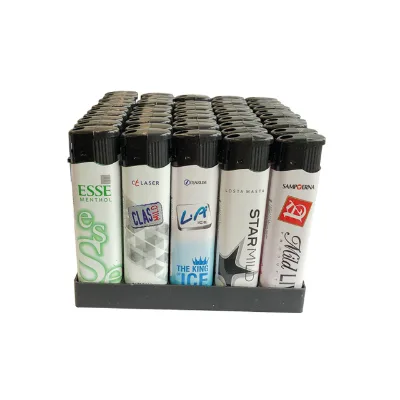
Disposable Flame Lighter Popular Design Cigarette Lighter Business Gifts Custom logo Lighter
$0.03 - $0.04
MOQ: 200000
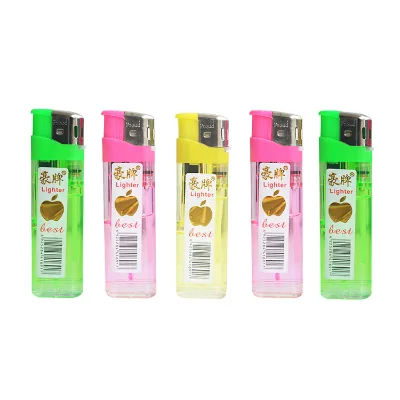

Hangzhou Radiant Glass Import & Export Co., Ltd.
- Verified by SGS
- Trading Company
- China Zhejiang
- Lead time23 days
- Avg. response≤ 4h
Main productsGlass Water Pipe, Glass Pipe, Oil Burner Pipe/Bowl, Silicone Pipe, Quartz Banger, Downstem, Glass Bowl, Glass Accessories, Ash Catcher, Glass Smoking Pipe
Main marketsSouth America,North America

Hangzhou Longwin Industry Limited
- Verified by SGS
- Trading Company,Manufacturer/Factory
- China Zhejiang
- Lead time15 days
- Avg. response≤ 6h
Main productsHome Cleaning, Domestic Appliances, Auto and Motorcycle and Bicycle, Fiberglass Products, Battery, Clothing, Furniture, Tools, Machine, Building
Main marketsSouth America,Eastern Europe,Mid East,North America,Southeast Asia,Eastern Asia,Oceania,Western Europe,Africa


Automatic Sensor Dual Electric Arc Lighter Pulse USB Cigarette Arc Lighter Double Arc Lighter
$2.41 - $5.52
MOQ: 1 Pieces

Benxi Fenghe Lighter Co., Ltd.
- Verified by TUVRHEINLAND
- Combined
- China Liaoning
- Lead time30 days
- Avg. response≤ 6h
Main productsFlint Lighter, Electronic Lighter, Cr Lighter, Disposable Lighter, Refillable Lighter, Torch Lighter, Cigarette Lighter, Plastic Lighter, Gas Lighter, Pocket Lighter
Main marketsEast Asia(Japan/ South Korea)


Smoking Wholesale Low Price Electronic Manufacturer High Quality Lighter
$0.07 - $0.07
MOQ: 200000 Pieces

High Quality Classic Good Plastic Gas Manufacturer Lighter for Gift and Customization
$0.09 - $0.09
MOQ: 200000 Pieces

Mini Factory Plastic Disposable High Quality Durable Electric Lighter
$0.07 - $0.09
MOQ: 200000 Pieces


Cool Design Electronic Factory Classic Gas Best Lighter with ISO Certification
$0.95 - $1.05
MOQ: 200000 Pieces
- Verified by SGS Group
- Trading Company
- Lead time15 days
- Avg. response≤ 2h
Main productsLighters, Cigarette Case, Ashtray
Main marketsNorth America(70%), Northern Europe(25%), Southeast Asia(5%)

- Verified by BV
- Combined
- China Jiangsu
- Lead time23 days
- Avg. response≤ 5h
Main productsHandtools, Hardware, Kitchen Tools Kitchen Ware, Garden Tools, Camping Tool, Carfts and DIY Tools, Smiletools&Smilegifts&Ldk Metal&Smilefitness, Measuring Tools, Power Tools Accessories, Candle Tools
Main marketsDomestic,Europe,North America

Promotion Sustainable Gas Lighter Rechargeable Lighter Outdoor BBQ Windproof Lighter
$0.78 - $0.92
MOQ: 100 Pieces


Ningbo Newlite International Trade Co., Ltd.
- Trading Company
- China Zhejiang
- Lead time60 days
- Avg. response≤ 21h
Main productsOven Parts, Oven Components, Gas Cooker Part, Spark Igniter, Oven Switch, Gas Stove Part, Oven Timer, Gas Valve, Barbeque Grill Parts, Gas Water Heater Parts
Main marketsSoutheast Asia/ Mideast,Europe,North America


Candle Lighter /BBQ Lighter /Fireplace Lighter /Gas Lighter
MOQ: 10000 Pieces

Candle Lighter /BBQ Lighter / Lighter
MOQ: 10000 Pieces
Guangzhou Jiaren Trading Co., Ltd.
- Verified by SGS Group
- Manufacturer, Trading Company
- Lead time0 days
- Avg. response≤ 2h
Main productsCigar Cabinet, Cigar Humidor, Cigar Case, Cigar Ashtray, Cigar Cutter
Main marketsNorth America(50%), Mid East(20%), Oceania(10%)

Zhongshan Saiya Souvenirs & Gifts Manufacturer
- Verified by SGS
- Combined
- China Guangdong
- Lead time23 days
- Avg. response≤ 3h
Main productsFridge Magnet, Metal Crafts, Keychain, Shot Glass, Bottle Opener, License Plate, Photo Frame, Souvenir Bag
Main marketsSoutheast Asia/ Mideast,Europe,North America

Custom Logo Pocket Souvenirs Windproof Lighter Metal Cigarette Smoking Lighters
$1.00 - $1.20
MOQ: 720 pieces

Souvenir Windproof Lighter Custom Logo Metal Cigarette Smoking Kerosene Lighter
$1.00 - $1.20
MOQ: 720 pieces

Customized Logo Portable Souvenir Windproof Engraving Metal Cigarette Kerosene Lighter
$1.00 - $1.20
MOQ: 720 pieces
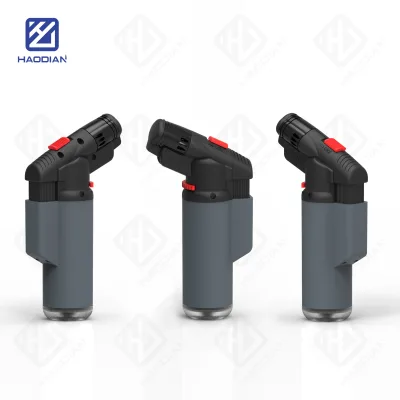
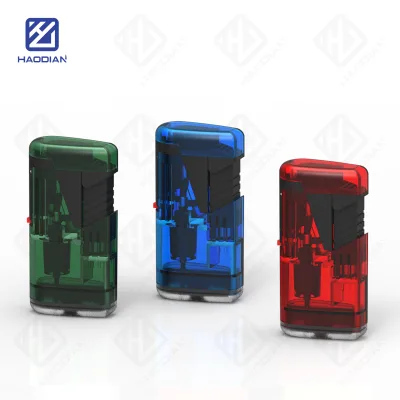


Comprehensive Sourcing Guide
Classic Portable Cigarette Lighter Supplier Concentration and Factory Types
Current data indicates a specific manufacturing cluster located in Hunan, China, where several suppliers for electronic and flint lighters operate. This region appears to be a primary hub for producing items such as the DY-072 and DY-016 models, with some facilities also sourcing from Guizhou. Buyers should verify if a supplier's stated origin matches these specific provinces, as the product evidence explicitly lists Hunan or Guizhou as the place of origin for many disposable and refillable units. If a supplier claims a different location, it is essential to request proof of their factory address to ensure they are part of this established production network rather than a reseller with no direct manufacturing control.
The supplier landscape includes both combined entities and distinct manufacturer or trading company types. Some results show a company type labeled as "Combined," while others are explicitly identified as a "Manufacturer, Trading Company." This distinction is critical because a combined entity might offer broader product ranges, including utility lighters and LED items, whereas a pure manufacturer may focus on specific customization capabilities like graphic processing or sample processing. Buyers must confirm the exact company type to understand whether they are dealing with a direct production line capable of ODM and OEM services or a trading intermediary that aggregates goods from multiple sources.
How to Verify Classic Portable Cigarette Lighter Suppliers
Verification status is a primary indicator of supplier reliability, with current results showing specific certifications such as CTI and Intertek. A supplier verified by CTI or Intertek has undergone third-party assessment, which adds a layer of confidence regarding their business legitimacy and operational standards. Buyers should look for these specific verification badges on supplier profiles and request the corresponding verification reports to confirm the scope of the audit. If a supplier lacks these specific verifications, it does not automatically disqualify them, but it necessitates a more rigorous due diligence process to validate their claims independently.
Beyond general verification, specific product certifications like MSDS, ISO9994, and EN13869 are available for certain lighter models, indicating compliance with safety and quality standards. For instance, some product evidence lists ISO9994 and EN13869 as part of the product attributes, which is crucial for lighter products that must meet international safety regulations. Buyers should cross-reference these certifications with the specific product model they intend to purchase, as not all items in a supplier's catalog may carry the same safety approvals. Additionally, checking for system certifications like ISO 9001 can provide insight into the supplier's overall quality management systems, ensuring consistent production standards across their entire range of lighter products.
What to Compare Across Classic Portable Cigarette Lighter Suppliers
When evaluating suppliers, response time is a key metric for assessing communication efficiency and potential service quality. Current data shows response times varying significantly, with some suppliers listing a response time of 16.20 hours while others demonstrate a much faster response time of 1 hour. A faster response time often correlates with better customer service and quicker resolution of inquiries regarding customization, pricing, or logistics. Buyers should prioritize suppliers with shorter response times to ensure smooth communication throughout the sourcing process, especially when dealing with urgent orders or complex customization requests.
Lead time and minimum order quantity (MOQ) are equally critical factors that vary widely among suppliers. Some suppliers offer a lead time of 15 days, while others may require up to 30 days or even 20 to 35 days depending on the product complexity. Similarly, MOQs can range from 10,000 pieces for specific torch lighters to 300,000 pieces for standard disposable models. Buyers must align their order volume and timeline requirements with the supplier's capabilities to avoid delays or excessive inventory costs. Comparing these metrics across multiple suppliers helps identify those that offer the best balance between speed, volume flexibility, and cost-effectiveness for the specific Classic Portable Cigarette Lighter needs.
Common Classic Portable Cigarette Lighter Sourcing Risks
One significant risk involves the discrepancy between claimed product features and actual specifications, particularly regarding customization and material composition. While some products are listed as refillable and electronic, others may be disposable flint lighters, and the material is consistently noted as plastic. Buyers must carefully review the product attributes to ensure the feature set matches their requirements, such as the presence of child resistance or specific flame types like double flame. Misalignment in these details can lead to receiving products that do not meet safety standards or consumer expectations, necessitating costly returns or rejections.
Another risk pertains to the variability in pricing and packaging standards, which can impact the final landed cost and logistics planning. Prices for similar items can range from $0.01 to $0.65 per unit, and packaging details like carton sizes and quantities per box vary significantly between models. For example, some products are packed in 50 pieces per box with 20 boxes per carton, while others have different configurations. Inconsistent packaging can lead to inefficient container loading and higher shipping costs. Buyers should verify the exact packing specifications and unit prices for each item to ensure accurate cost calculations and avoid unexpected expenses during the shipping phase.
Classic Portable Cigarette Lighter Regional Sourcing and Logistics
The primary sourcing region identified is Hunan, China, with some products originating from Guizhou, China. This regional concentration suggests that logistics and shipping routes are optimized for these areas, potentially offering more competitive freight rates and faster transit times for buyers sourcing from these locations. Buyers should confirm the specific port of loading and the distance from the factory to the port to estimate shipping costs accurately. If a supplier claims to be based in a different region, it is advisable to verify their actual production location to ensure they are not adding unnecessary logistical layers that could increase lead times and costs.
Logistics planning must also account for the specific dimensions and weight of the products, which vary by model. For instance, some lighters have dimensions around 8.22.61.14 cm, while others are larger, affecting how many units fit into a standard container. The net and gross weights, such as 18/19 kgs for certain cartons, are crucial for calculating freight charges and ensuring compliance with shipping regulations. Buyers should request detailed packing lists and dimensions for each product to optimize container utilization and minimize shipping costs. Understanding these logistical details helps in planning the supply chain more effectively and avoiding delays caused by improper packaging or weight miscalculations.
Classic Portable Cigarette Lighter Commercial Terms and Order Planning
Commercial terms, including payment methods and escrow services, are vital for securing transactions and protecting buyer interests. While specific escrow details are not explicitly detailed in the current data, the presence of verified suppliers often implies the availability of secure payment options. Buyers should inquire about the specific payment terms and whether escrow services are offered to mitigate risks associated with non-delivery or quality issues. Establishing clear commercial terms early in the negotiation process helps prevent misunderstandings and ensures a smooth transaction flow from order placement to final delivery.
Order planning requires a strategic approach to align production capacity with demand, considering the varying lead times and MOQs. With lead times ranging from 15 to 35 days and MOQs as high as 300,000 pieces for some items, buyers must plan their inventory levels carefully to avoid stockouts or overstocking. It is essential to communicate production schedules and delivery deadlines clearly to the supplier to ensure timely fulfillment. Additionally, buyers should consider the customization options available, such as logo printing and color variations, and factor these into their order planning to meet specific market demands while maintaining efficient production cycles.
FAQs
What is the typical lead time for orders?
Lead times vary by supplier and product model. Some suppliers offer a 15-day lead time, while others require up to 30 days. Specific models like the DY-051 may need 20 to 35 days. Buyers should confirm the exact timeline with the supplier before placing an order.
What are the minimum order quantities available?
Minimum order quantities differ significantly across products. Some items require 200,000 units, while others start at 300,000 pieces. A specific torch lighter model is available with a lower MOQ of 10,000 units. Buyers must check the specific product page for the exact requirement.
Where are these lighters manufactured?
Manufacturing locations are primarily in China, specifically in Hunan and Guizhou provinces. Some products list their origin as Hunan, China, or Guizhou, China. Buyers should verify the specific origin listed for each product model to ensure it meets their regional sourcing preferences.
What certifications do the lighters hold?
Certifications vary by product but often include ISO9994, MSDS, and EN13869. Some suppliers also hold ISO 9001 and ASTM F400 system certifications. Verification services like CTI and Intertek are used to confirm supplier status. Buyers should request specific certificate copies for compliance.
What is the price range for these lighters?
Prices range from as low as 0.01 USD to 0.65 USD per unit depending on the model. Disposable electronic lighters often cost between 0.01 and 0.18 USD. Torch lighters with custom features may cost around 0.65 USD. Bulk pricing depends on the specific order quantity and customization.
Can suppliers provide custom logo printing?
Yes, customization is available for many models including logo printing. Suppliers accept OEM requests and offer various color options. Some products explicitly state that customer logos are available. Buyers should confirm design files and additional costs during the negotiation process.
How quickly do suppliers respond to inquiries?
Response times vary among suppliers, with some taking 16.20 hours and others responding within 1 hour. Faster response times are often associated with verified suppliers. Buyers should expect different reply speeds depending on the specific supplier selected and their current workload.