Source TPE Semen Locking Ring for couples, men, and partners
Compare 30 TPE Semen Locking Ring options from verified suppliers. Buyers can evaluate materials like silicone and ABS, check MOQs ranging from 1 to 100 pieces, and review packaging details for bulk procurement needs.
Key considerations
Products List
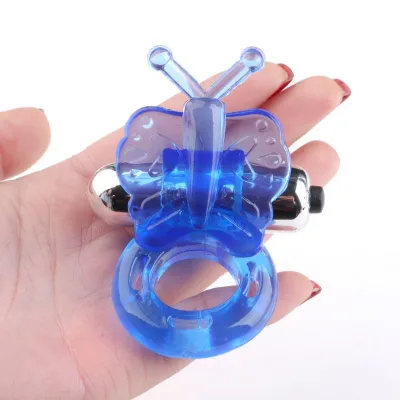
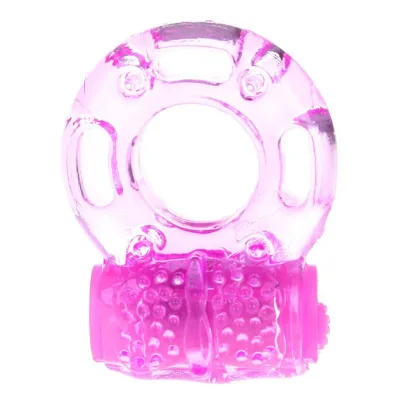
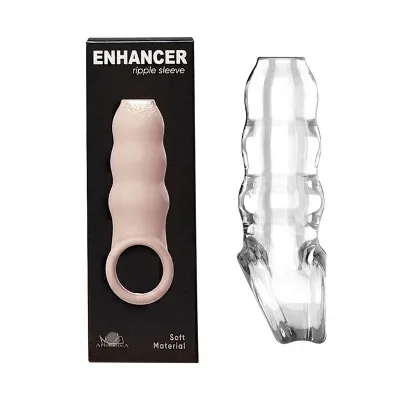
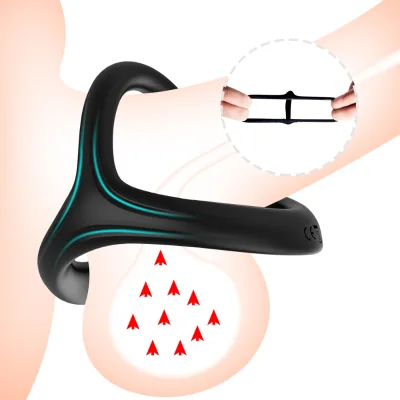
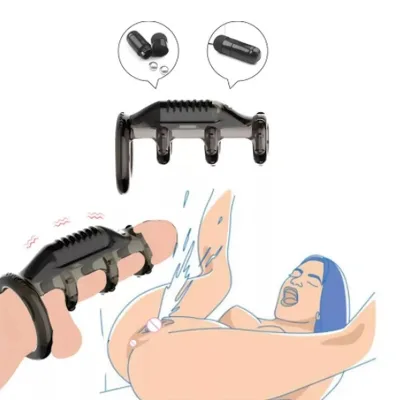
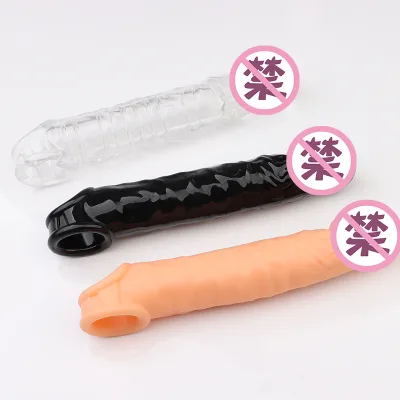
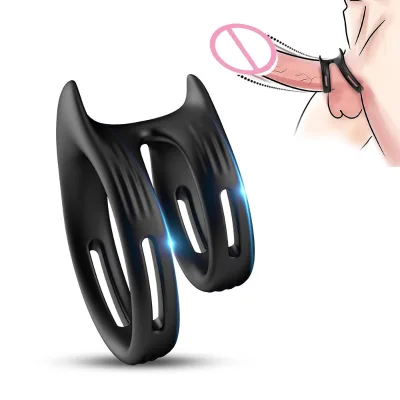
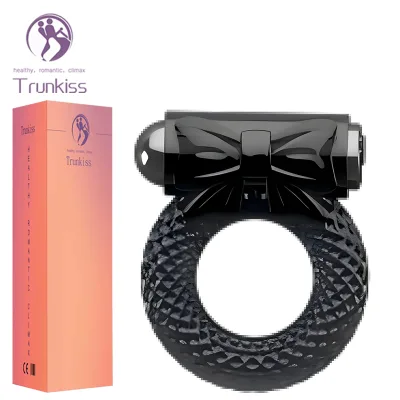
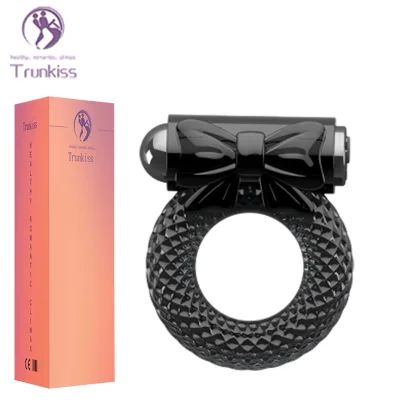
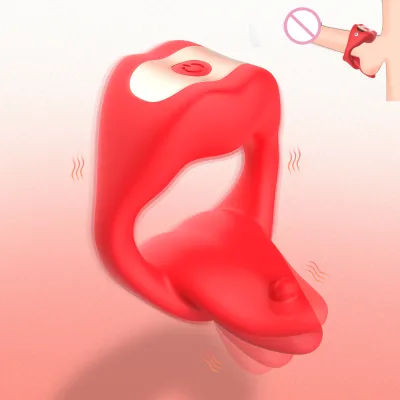
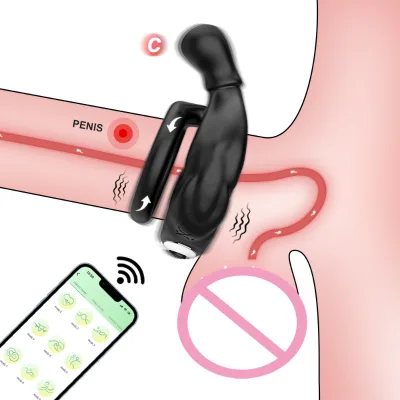
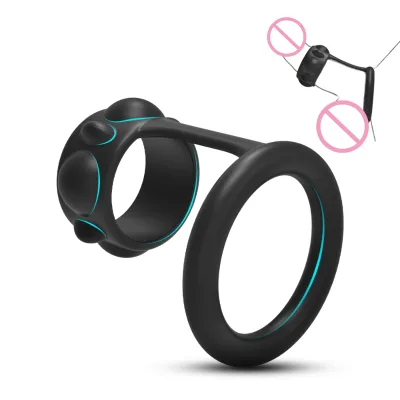
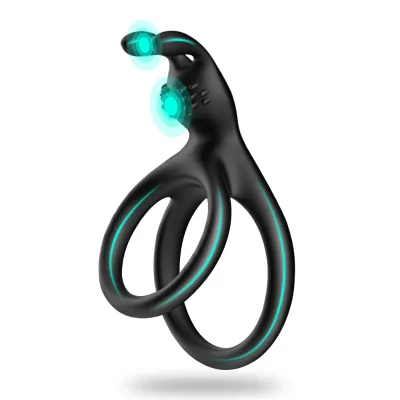
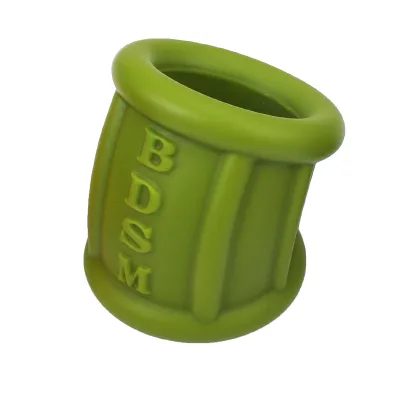


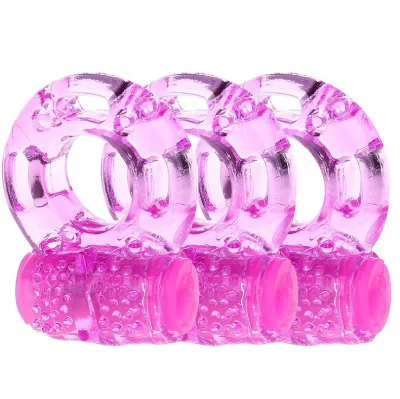
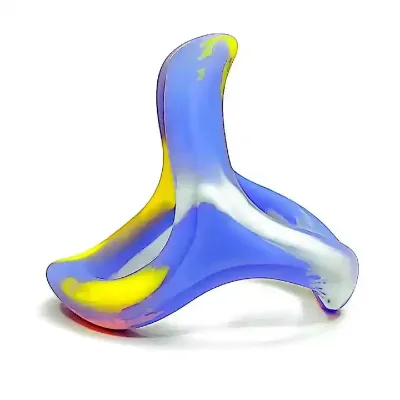


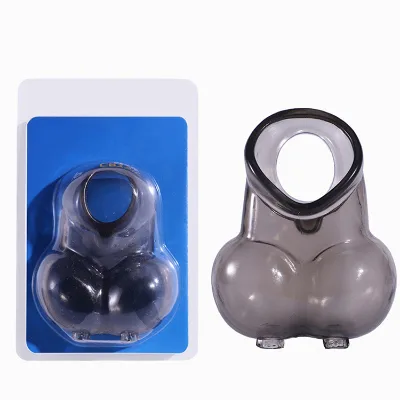
Comprehensive Sourcing Guide
Strategic Sourcing Guide for TPE Semen Locking Rings
Understanding Product Definitions and Material Variations
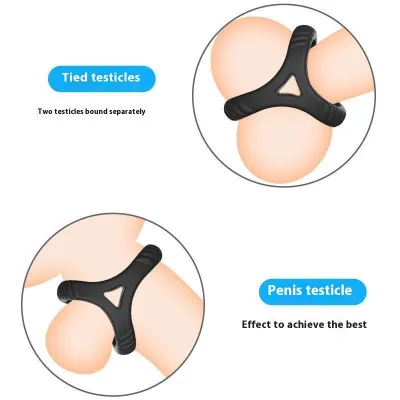
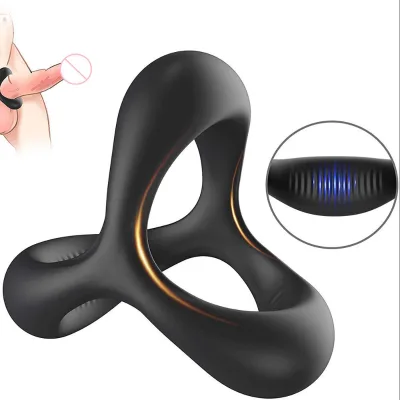
In the B2B procurement landscape for adult wellness products, precision in terminology is essential for aligning buyer requirements with supplier capabilities. The core keyword "TPE Semen Locking Ring" refers to a specific category of intimate devices designed to restrict blood flow and maintain erection, often incorporating mechanisms to delay ejaculation or provide a locking sensation. While the search term emphasizes Thermoplastic Elastomer (TPE), market observations reveal a diverse material ecosystem. Sourcing data indicates that while some units are explicitly constructed from TPE, others utilize Silicone, ABS+Silicone blends, or pure Silicone. For instance, product listings in this sector frequently cite materials such as "Silicone," "ABS+Silicone," and "TPE" as distinct options. A buyer seeking a TPE-specific product must verify the material composition in the supplier's specification sheet, as the tactile feel, porosity, and cleaning requirements differ significantly between TPE and medical-grade silicone.
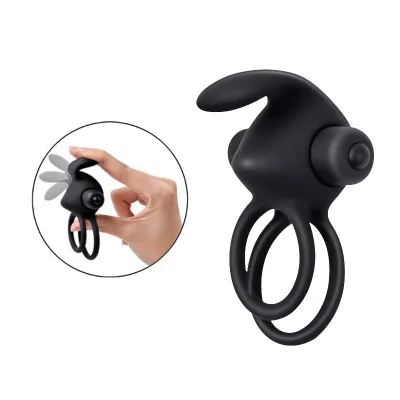
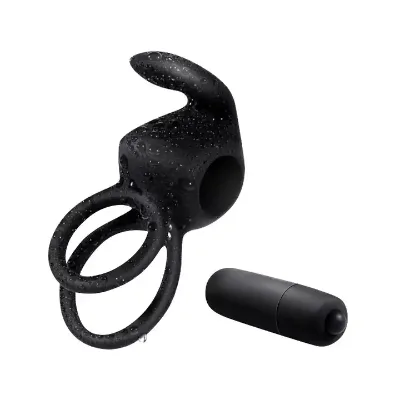
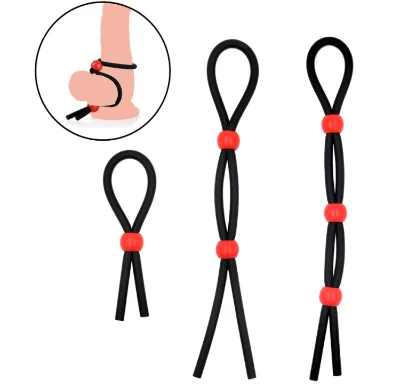
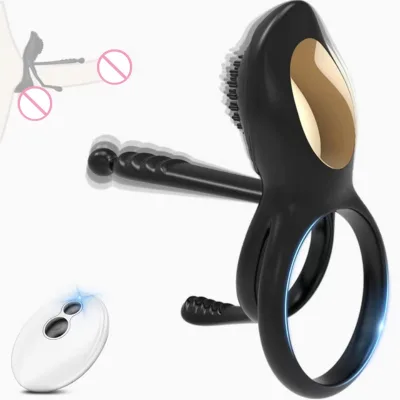
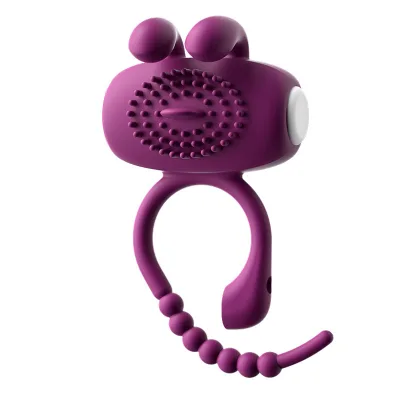
The functional definition of these devices also varies. Some products are marketed primarily as "vibrating cock rings," integrating motorized stimulation, while others focus on the mechanical "ring lock" or "delay locking" features. The observed product types include "vibrating cock ring," "Silicone Massage Vibrators," and generic "Penis Ring" classifications. When evaluating a potential supplier, the procurement specialist must distinguish between a device that relies on vibration for stimulation and one that relies on a mechanical locking mechanism for duration control. The presence of "Delay Ejaculation" as a stated function suggests a specific physiological intent, which may be achieved through different mechanical designs, ranging from simple constriction to more complex locking rings.
Technical Specifications and Dimensional Standards
Technical due diligence begins with a rigorous review of dimensional specifications and physical attributes. In the current market, product sizes are often standardized as "One size" or described as "as picture," which can present challenges for buyers requiring specific fitment for different demographics. The observed data shows significant variation in package dimensions, ranging from compact units measuring 5x5x5 cm to larger packages of 16x15x7 cm. This variance suggests differences in product complexity, such as the inclusion of batteries, motors, or locking mechanisms.
Weight is another critical specification for logistics and user experience. Listed weights for similar items range from 24g to 150g, with single gross weights recorded as low as 0.015 kg and as high as 0.15 kg. A lighter product, such as a 24g ring, may offer a more discreet wearing experience but might lack the structural integrity required for a robust locking mechanism. Conversely, a heavier unit at 150g likely incorporates more substantial materials or electronic components. Buyers must verify if the "Single package size" and "Weight" figures correspond to the actual product or include excessive packaging, as this impacts shipping costs and carbon footprint calculations.
Furthermore, the "Model Number" serves as a unique identifier for the specific design iteration. Observed model numbers such as DQS1123, 1150, CA-13, and HY3626 indicate that suppliers often have multiple SKUs for similar functional categories. A buyer must ensure that the model number provided in the quotation matches the exact design features required, such as the specific locking mechanism or the presence of vibration. The "Frequency" of operation, noted as "Hand control" in some listings, implies a manual activation method, which is a crucial detail for users who may prefer tactile control over remote or app-based interfaces.
Compliance, Certification, and Safety Verification
Safety and regulatory compliance are paramount when sourcing intimate wellness products, particularly those involving direct skin contact and potential internal use. While the provided data does not list specific certification numbers or compliance standards, the procurement process must rigorously verify that the supplier adheres to international safety standards. Materials like TPE and Silicone must be free from phthalates and other harmful plasticizers. Buyers should request Material Safety Data Sheets (MSDS) and proof of compliance with relevant regional regulations, such as the EU's REACH regulations or the US FDA guidelines for medical devices if the product makes health claims.
The "Waterproof" attribute is frequently cited, with some listings claiming "100% waterproof" status. This claim requires verification through independent testing, as water resistance is critical for hygiene and cleaning. A product that is not truly waterproof can harbor bacteria and mold, leading to health risks. Buyers should demand evidence of IP rating certifications (e.g., IPX7) to substantiate waterproof claims. Additionally, the "Brand Name" field, showing entries like "CADO" and "hetongyuan," suggests that some suppliers offer OEM/ODM services. When working with private label suppliers, the buyer must ensure that the final product carries the appropriate safety warnings and that the manufacturing facility is audited for quality management systems.
Cost Drivers and Pricing Dynamics
The pricing structure for TPE semen locking rings is influenced by several key variables, including material costs, manufacturing complexity, and order volume. The observed price range in the market spans from $0 to $9.5 USD, indicating a highly competitive and price-sensitive sector. However, this range likely represents the lower end of the spectrum, potentially reflecting bulk wholesale pricing or entry-level models. The "MOQ" (Minimum Order Quantity) is a significant cost driver, with observed values ranging from 3 pcs to 100 pcs. A supplier requiring a high MOQ may offer a lower unit price, but this increases the buyer's inventory risk.
Material selection plays a pivotal role in cost determination. TPE is generally less expensive than medical-grade silicone, which can allow for a lower retail price point. However, the durability and longevity of TPE may be inferior, potentially affecting customer satisfaction and return rates. The "Packing" method also impacts costs; options range from simple "PP bag" to more protective "box" packaging. Box packaging adds to the unit cost but enhances the perceived value and protects the product during transit. Buyers must balance the desire for low unit costs with the need for premium packaging that aligns with their brand positioning.
The "Payment" terms, including options like Paypal, Western Union, TT, and Trade Assurance, also influence the financial risk profile. Trade Assurance offers a layer of protection for the buyer, ensuring that funds are only released upon satisfactory delivery. While the specific prices are not fixed in the provided data, the wide range suggests that buyers should negotiate based on the total landed cost, including shipping and duties, rather than focusing solely on the FOB unit price.
Supplier Evaluation and Operational Capabilities
Evaluating a supplier for this product category requires a multi-faceted approach that goes beyond price and MOQ. The "Place of Origin" is consistently listed as Guangdong, China, a major manufacturing hub for electronics and consumer goods. This concentration of suppliers offers a wide selection but necessitates careful vetting to ensure quality consistency. Buyers should assess the supplier's capacity for OEM and ODM services, as indicated by the "Yes" response to the OEM/ODM attribute. This capability is crucial for buyers looking to customize product features, such as color, branding, or specific locking mechanisms.
The "Selling Units" are typically listed as "Single item," which simplifies the ordering process but requires the buyer to calculate the total volume needed for a viable shipment. The "Shipping Method" options, including Fedex, EMS, TNT, DHL, UPS, and e-Packet, indicate that suppliers are experienced in international logistics. However, the buyer must verify the lead times associated with these methods, as expedited shipping can significantly increase costs. The "Feature" of "Delay Locking" and "Type" of "Cock Ring" or "Penis Ring" should be cross-referenced with the supplier's production history to ensure they have a track record of manufacturing this specific type of device.
Quality Control and Long-Term Procurement Strategy
Implementing a robust quality control (QC) protocol is essential for mitigating risks in the procurement of intimate products. Given the variation in materials and the critical nature of safety, buyers should establish clear acceptance criteria for product samples. This includes verifying the "Color" options, which range from specific shades like "blue," "Pink," "Black," to generic "More color choose" or "A,B,C,D" designations. Consistency in color matching and material texture is vital for brand integrity.
Long-term procurement considerations involve building a sustainable supply chain. Buyers should prioritize suppliers who demonstrate transparency in their manufacturing processes and are willing to undergo third-party audits. The "Single gross weight" and "Single package size" data provided can be used to optimize shipping containers and reduce logistics costs over time. Additionally, the "Function" of the product, whether it is "Masturbation," "Men Masturbator," or "Couple Cock Ring Sex Product," dictates the target market and marketing strategy. A supplier that can provide a range of products covering these different functions allows for a diversified product portfolio, reducing dependency on a single SKU.
Comparative Analysis of Product Attributes
To facilitate decision-making, the following table summarizes key observed attributes across different product variations in the market. This comparison highlights the diversity in specifications that buyers must navigate.
| Attribute | Observation A | Observation B | Observation C |
|---|---|---|---|
| Material | ABS+Silicone | TPE | Silicone |
| Product Name | Vibrating Cock Ring | Ring Lock | Soft Silicone Penis Ring |
| Color | Blue, Pink | Black, A,B,C,D | More color choose |
| Function | Masturbation, Delay Ejaculation | Men Masturbator | Delay Locking |
| MOQ | 3 pcs | 5 pcs | 10 pcs |
| Model Number | DQS1123 | CA-13 | HY3626 |
| Weight | 150g | 100g | 24g |
| Packing | Box | PP bag | PP bag |
| Waterproof | Not specified | Not specified | 100% waterproof |
| Brand | Generic | CADO | hetongyuan |
This table illustrates that while the core function remains consistent, the execution varies widely. A buyer seeking a lightweight, waterproof option might prefer the attributes associated with Observation C, whereas a buyer looking for a heavier, more feature-rich device might lean toward Observation A. The "Type" classification also varies, with some products explicitly labeled as "Sex toys" while others use more descriptive terms like "Couple Cock Ring Sex Product."
Conclusion and Procurement Best Practices
Sourcing TPE semen locking rings requires a balanced approach that prioritizes material safety, functional clarity, and supplier reliability. The market offers a wide array of options, from simple locking rings to complex vibrating devices, each with distinct specifications and cost structures. Buyers must conduct thorough due diligence, verifying material composition, waterproof ratings, and compliance with safety standards before placing orders. By leveraging the observed data on MOQ, packaging, and shipping methods, procurement professionals can negotiate favorable terms and build a resilient supply chain. Ultimately, the success of the procurement effort depends on the ability to match specific product attributes with the target market's needs while maintaining the highest standards of quality and safety.
FAQs
What materials are used for tpe semen locking rings?
Products are commonly made from TPE, Silicone, or ABS+Silicone blends. Buyers must verify the specific material composition in the specification sheet as tactile feel and cleaning requirements differ significantly between these options.
How much is the minimum order quantity for these rings?
The minimum order quantity ranges from 3 to 10 pieces depending on the supplier and model. Some listings specify 3 pcs while others require 5 or 10 pcs as the baseline for ordering.
Can these devices be used underwater or are they waterproof?
Some models claim 100% waterproof status suitable for shower use. Buyers should demand evidence of IP rating certifications to substantiate these claims and ensure hygiene safety.
Which functions do vibrating cock rings typically offer?
Functions include vibration for stimulation, delay ejaculation, and mechanical locking features. The specific function depends on the model, with some focusing on masturbation and others on couple use.
What is the typical weight of a single package?
Single package weights vary from 24 grams to 150 grams based on the design. Heavier units often include electronic components while lighter ones may be simple mechanical rings.
Where are these products typically manufactured?
The place of origin is consistently listed as Guangdong, China. This region is a major manufacturing hub for electronics and consumer goods in this category.