Source TPR Dildo Options for Couples, Solo Play, and Training
Compare 30 listings of TPR Dildo products featuring varied sizes, colors, and packaging options. Buyers can evaluate specifications like material composition, dimensions, and certification details to find suitable wholesale suppliers.
Key considerations
Products List
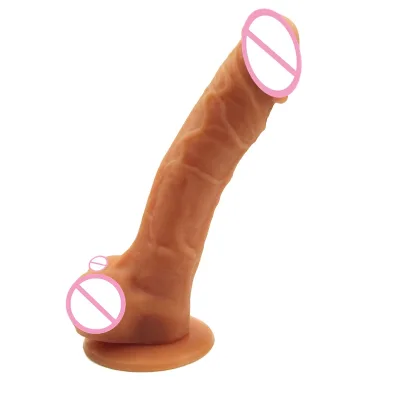
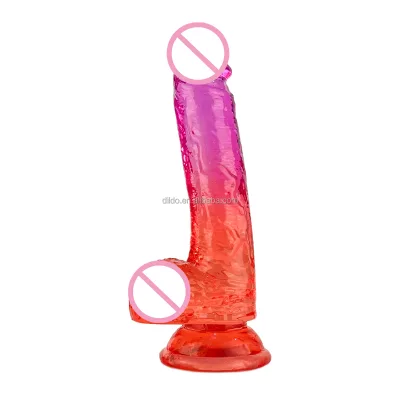
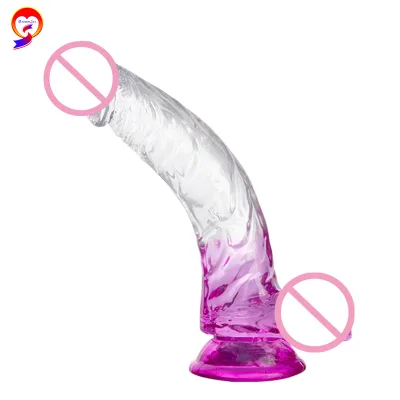
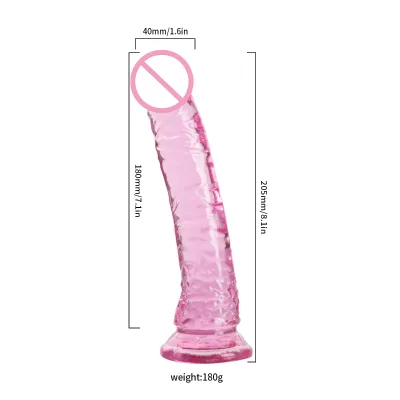
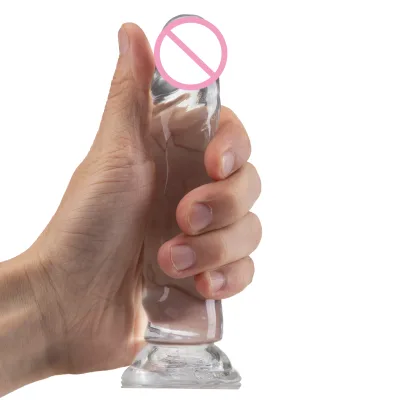
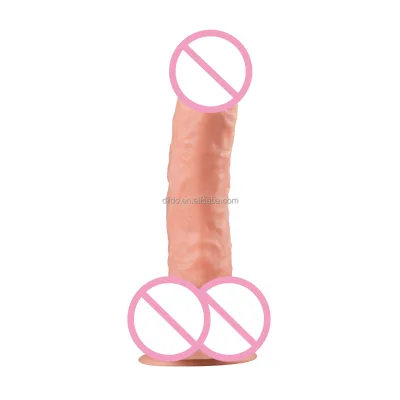
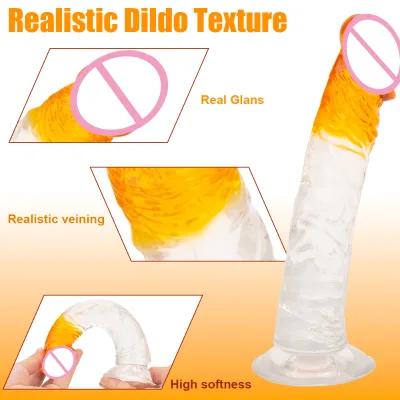

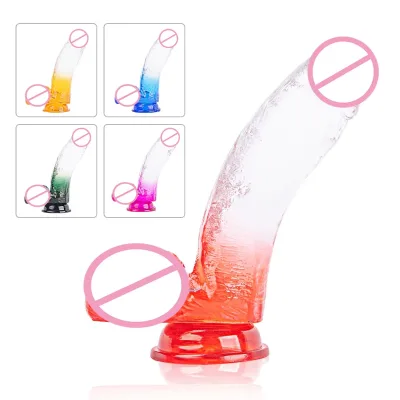
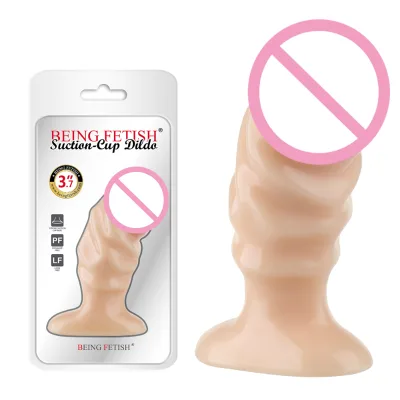
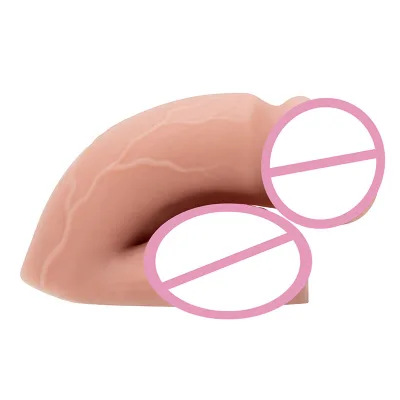


Wireless Remote Control Magnetic Charging Telescopic Heating Vibration Dildo
$16.02 - $16.66
MOQ: 10 Pieces


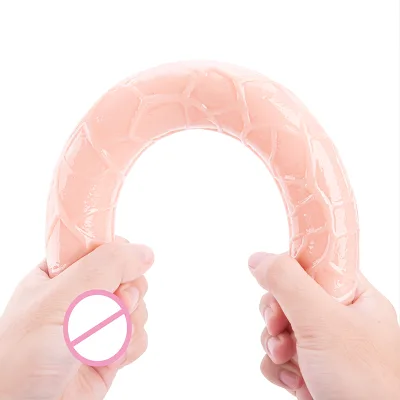
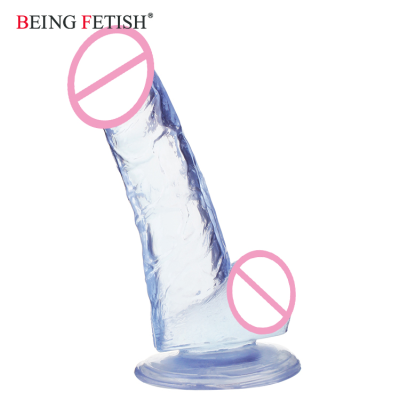


Comprehensive Sourcing Guide
Strategic Sourcing Guide for TPR Dildo Procurement
The global market for adult intimacy products has evolved significantly, with Thermoplastic Rubber (TPR) emerging as a dominant material category due to its balance of softness, cost-efficiency, and manufacturing versatility. For B2B buyers researching the core keyword "TPR Dildo," the procurement process requires a disciplined approach that distinguishes between material properties, regulatory compliance, and supply chain reliability. This guide synthesizes observed market data and technical specifications to provide a framework for evaluating potential suppliers and products without relying on unverified claims or specific brand endorsements.
Material Science and Physical Properties
Understanding the fundamental characteristics of TPR is the first step in defining product requirements. Unlike silicone, which is often cited as a premium alternative, TPR is a synthetic rubber that offers a distinct tactile experience. In the observed product data, TPR items are frequently described with attributes such as "Realisitc Soft" and "Health," indicating a focus on a flesh-like texture that mimics human skin. The material is inherently flexible, allowing for a wide range of shapes and sizes, from compact models to larger variants.
When evaluating TPR products, buyers must verify specific physical attributes. Observed listings indicate that TPR dildos often feature a "100% waterproof" capability, a critical specification for hygiene and ease of cleaning. The weight of these products varies significantly based on density and size; for instance, specific TPR models in the market data show weights ranging from approximately 230g to 245g for standard adult sex toys. This variance suggests that density is a key differentiator. A heavier product may imply a higher density or a larger volume, which can affect the perceived realism and the user's experience.
Buyers should also note the color options available in TPR formulations. The data reveals a diverse palette including Red, Orange, Blue, Green, and Purple, alongside traditional flesh tones. The ability to customize colors is often linked to the "OEM & ODM" capabilities of the supplier, allowing brands to align product aesthetics with their specific marketing strategies. However, the softness of TPR can sometimes lead to surface tackiness if not properly formulated or coated, a factor that requires rigorous quality control during the sampling phase.
Technical Specifications and Dimensional Standards
Precision in manufacturing is paramount for adult products, as dimensions directly influence user satisfaction and product safety. The technical specifications for TPR dildos generally include overall length, insertable length, and diameter. Market observations show a wide spectrum of sizes, with some models listing a diameter of 2 inches (52mm) and lengths up to 9.85 inches (250mm). Other entries specify dimensions such as 215x38mm or 22x4cm, highlighting the need for buyers to clearly define their target demographic's preferences.
A critical distinction in specifications is the difference between total length and insertable length. For example, a product might have a total length of 9.45 inches (240mm) but an insertable length of 8.66 inches (220mm). This discrepancy is often due to the design of the base or handle, which is necessary for safety and grip. When sourcing, buyers must ensure that the "Insertable Length" aligns with the intended use case, whether for general masturbation or specific role-play scenarios.
Packaging dimensions are equally important for logistics and retail display. Single package sizes for these items can range from compact 15.2x2.6x2.6 cm units to larger boxes measuring 30x15x15 cm. The choice of packaging, such as clam shells or paper boxes, impacts the unboxing experience and the product's shelf appeal. Buyers should verify that the packaging design protects the soft TPR material from deformation during transit, as TPR is susceptible to crushing if not adequately supported.
Regulatory Compliance and Certification Verification
Navigating the regulatory landscape is essential for importing adult products into international markets. Compliance ensures that the materials used are safe for human contact and meet the environmental standards of the destination country. In the observed data, certifications such as CE, ROHS, and REACH are explicitly mentioned. These certifications are not merely marketing terms but indicate that the product has undergone testing for specific safety parameters.
CE marking suggests conformity with health, safety, and environmental protection standards for products sold within the European Economic Area. ROHS (Restriction of Hazardous Substances) indicates that the product does not contain specific hazardous materials, which is crucial for electronic components or materials that might leach chemicals. REACH (Registration, Evaluation, Authorisation and Restriction of Chemicals) is a European Union regulation that addresses the production and use of chemical substances.
Buyers must treat these certifications as verification points rather than automatic guarantees. It is the responsibility of the procurement team to request valid test reports from the supplier that correspond to the specific batch of goods. The presence of a certification on a product listing does not guarantee that every unit in a large order meets the same standard. Therefore, third-party laboratory testing is often recommended to validate the supplier's claims, especially for materials like TPR which can vary in chemical composition depending on the manufacturer.
Cost Drivers and Pricing Dynamics
The pricing of TPR dildos is influenced by a complex interplay of material costs, manufacturing complexity, and order volume. The observed price range in the market spans from $0.30 to $18.69 USD, a wide disparity that reflects differences in quality, branding, and order size. Lower-priced items typically correspond to higher Minimum Order Quantities (MOQ), with data showing MOQs ranging from 20 pieces to 500 pieces.
The "Supply Ability" of a supplier is a significant cost driver. A facility capable of producing 1000 pieces per day can offer more competitive unit pricing for large orders compared to a smaller workshop. However, buyers must balance cost against the risk of supply chain disruptions. Suppliers with lower MOQs, such as those accepting orders of 20 pieces, may charge a premium per unit to cover setup costs and maintain flexibility.
Additional cost factors include the complexity of the mold, the number of colors required, and the type of packaging. Custom packaging, such as branded paper boxes or clam shells, adds to the unit cost but can enhance brand value. Buyers should also consider the "Payment" terms, which in the observed data include methods like PayPal, Western Union, and Trade Assurance. These payment structures can affect the final landed cost, particularly regarding transaction fees and currency exchange rates.
Supplier Evaluation and Operational Capabilities
Selecting the right supplier requires a thorough evaluation of their operational capabilities and business practices. The geographic origin of the product is a key indicator of supply chain efficiency. In the provided data, products originate from regions such as Guangdong and Jiangxi in China, both of which are established manufacturing hubs for plastic and rubber goods. Guangdong, in particular, is known for its robust logistics infrastructure, with the Port of Dispatch often listed as Shenzhen, facilitating efficient export.
Buyers should assess the supplier's capacity for customization. The ability to accept OEM (Original Equipment Manufacturer) and ODM (Original Design Manufacturer) requests is a strong indicator of a supplier's flexibility. This capability allows buyers to create unique products that differentiate them in the market. However, customization often comes with higher MOQs and longer lead times. It is essential to verify the supplier's "Place of Origin" and ensure that the facility has the necessary equipment to handle the specific molding and finishing processes required for TPR products.
Furthermore, the "Brand Name" associated with the product can vary. Some listings show generic names like "OEM strap on dildo," while others feature specific brands like "Dreamsex." Buyers should clarify whether they are purchasing a white-label product or a branded item, as this affects marketing rights and exclusivity. The "Function" of the product, such as "Female Masturbation" or "Dildo Penis Masturbator," should also be clearly defined to ensure the product meets the intended use case.
Quality Control and Long-Term Procurement Strategy
Implementing a robust quality control (QC) strategy is vital for maintaining product integrity and customer satisfaction. Given the soft nature of TPR, QC checks should focus on surface defects, dimensional accuracy, and material consistency. Buyers should establish clear acceptance criteria for color variation, as TPR can sometimes exhibit slight color shifts between batches. The "Single gross weight" of the product, which can range from 0.090 kg to 1.000 kg depending on the model, should be verified to ensure consistency in packaging and shipping costs.
Long-term procurement considerations involve building a sustainable relationship with the supplier. This includes negotiating favorable payment terms, ensuring consistent lead times, and establishing a protocol for handling defects. The "Keywords" associated with the product, such as "Dildo for women" or "dildo artificial," should be used to optimize searchability and ensure the product reaches the correct target audience.
Buyers should also plan for scalability. As demand grows, the supplier's "Supply Ability" must be able to accommodate increased order volumes without compromising quality. Regular audits of the supplier's facility and production lines can help identify potential bottlenecks or quality issues before they impact the supply chain. By maintaining open communication and setting clear expectations, buyers can ensure a steady flow of high-quality TPR dildos that meet market demands.
Comparative Analysis of Product Attributes
To facilitate decision-making, the following table summarizes key attributes observed in the market data for TPR and silicone-based products. This comparison highlights the differences in material, certification, and specifications that buyers should consider.
| Attribute | TPR Product Observations | Silicone Product Observations |
|---|---|---|
| Material | TPR (Thermoplastic Rubber) | 100% Liquid Silicone |
| Certifications | CE, ROHS, REACH | CE, ROHS |
| Weight Range | 230g - 245g (Standard) | 190g (Specific Model) |
| Waterproof | 100% Waterproof | Not explicitly stated in all entries |
| Color Options | Red, Orange, Blue, Green, Purple | Pink, Flesh |
| MOQ Range | 20pcs - 500pcs | 100pcs |
| Packaging | Paper Box, Clam Shell, Custom | Clam Shell, Paper Box |
| Origin | Guangdong, Jiangxi | Guangdong |
This table illustrates that while both materials offer waterproof capabilities and similar certifications, TPR provides a broader color palette and generally lower entry MOQs. Silicone, on the other hand, is often associated with premium branding and specific weight profiles. Buyers should weigh these factors against their brand positioning and target market preferences.
In conclusion, sourcing TPR dildos requires a meticulous approach that balances material science, regulatory compliance, and supply chain logistics. By focusing on verified specifications, demanding proper certifications, and maintaining rigorous quality control, buyers can secure a reliable supply of high-quality products that meet the evolving needs of the adult toy market.
FAQs
What certifications do TPR dildos typically have?
TPR dildos typically hold CE, ROHS, and REACH certifications to ensure safety. These marks indicate compliance with health and environmental standards for international markets. Buyers should verify test reports for specific batches rather than assuming all units meet these standards automatically.
How does TPR material compare to silicone in weight?
TPR products often weigh between 230g and 245g, while silicone variants may be lighter at around 190g. This weight variance depends on density and volume, affecting the perceived realism and user experience during use. Heavier items generally imply higher density or larger size.
Which suppliers offer low minimum order quantities for TPR toys?
Some suppliers accept minimum order quantities as low as 20 pieces for TPR dildos. Others require higher volumes like 100 or 500 pieces depending on the customization level. Lower MOQs often come with a higher unit price to cover setup costs.
Can TPR dildos be customized for specific colors and branding?
Yes, many manufacturers accept OEM and ODM requests for custom colors and branding. Available colors include red, orange, blue, green, and purple alongside flesh tones. Custom packaging like paper boxes or clam shells is also often available to enhance shelf appeal.
What is the typical supply capacity for TPR Dildo manufacturers?
Manufacturers often report supply abilities ranging from 1000 pieces per day for larger facilities. This capacity allows for competitive unit pricing on large orders but requires careful scheduling to avoid disruptions. Buyers should confirm current capacity before placing bulk orders.
How are TPR dildos packaged for shipping and retail?
TPR dildos are commonly packaged in clam shells or paper boxes to protect the soft material. Single package sizes vary from compact 15x2x2 cm units to larger 30x15x15 cm boxes. Proper packaging prevents deformation during transit due to the material's flexibility.
Where are TPR Dildo manufacturers primarily located?
Manufacturers are primarily located in Guangdong and Jiangxi provinces in China. Guangdong offers robust logistics with dispatch ports like Shenzhen, ensuring efficient export. These regions are established hubs for plastic and rubber goods production.