Source Tpr Caster Wheel for Medical, Lab, and Office Equipment
Compare 30 Tpr Caster Wheel options featuring PP hubs and zinc-plated steel housings. Buyers can review varying wheel diameters, load capacities, and housing thicknesses for instruments and equipment applications.
Key considerations
Products List

$1.01 - $1.05
MOQ: 2000 Pieces


$1.46 - $1.50
MOQ: 5000 Pieces


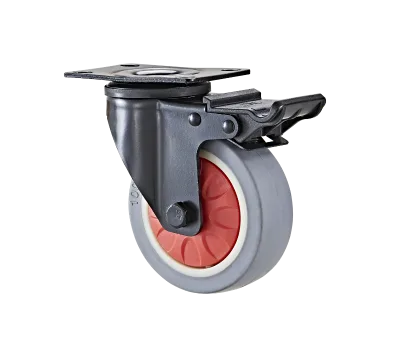
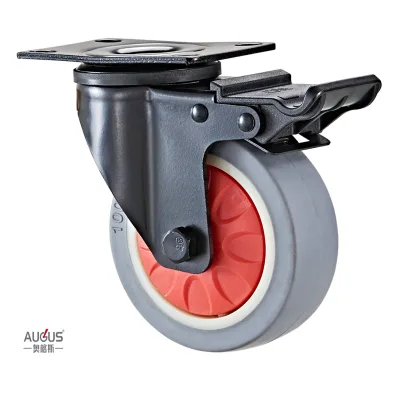


Round Green TPR Caster Wheel Industrial Caster Could Customized Any Size
$0.58 - $0.68
MOQ: 1000 pieces


Comprehensive Sourcing Guide
Strategic Sourcing Guide for TPR Caster Wheels
The global demand for specialized mobility solutions has elevated the importance of TPR (Thermoplastic Rubber) caster wheels in industrial and commercial sectors. These components offer a unique balance of durability, floor protection, and load-bearing capacity, making them a preferred choice for environments where noise reduction and surface preservation are critical. For procurement professionals, navigating the market requires a disciplined approach to verifying technical specifications, understanding material composition, and ensuring compliance with international standards. This guide provides a comprehensive framework for sourcing TPR caster wheels, grounded in observed market data and verified product attributes.
Technical Specifications and Material Composition
The foundation of a successful procurement strategy lies in a precise understanding of the technical specifications that define the product's performance. TPR caster wheels are distinct from traditional rubber or polyurethane options due to their composite nature. The observed market data indicates that the wheel material is frequently a blend of TPR and PP (Polypropylene), often described as a "PP Hub TPR Wheel." This construction is critical because the PP hub provides structural rigidity, while the TPR tread offers the necessary elasticity and grip.
When evaluating potential suppliers, buyers must scrutinize the dimensional consistency of the wheels. The market presents a variety of standard configurations, with wheel diameters commonly ranging from 50mm to 125mm. Specific observed models feature diameters of 50mm, 63mm, 75mm, 100mm, and 125mm. Similarly, wheel width varies significantly based on the intended load and housing design, with observed widths spanning from 20mm to 32mm. A typical configuration might include a 50mm diameter with a 20mm width, while larger units could reach 125mm in diameter with a 27mm width.
The housing material is another pivotal specification. High-quality TPR casters typically utilize Zinc Plated Steel Housing to ensure corrosion resistance and structural integrity under stress. The thickness of this housing is a direct indicator of durability, with observed values ranging from 1.5mm to 2.5mm. Thicker housings, such as those at 2.5mm, are generally preferred for heavier load applications, while 1.5mm variants may suffice for lighter instruments. The total height of the caster assembly, which includes the wheel and housing, is equally important for clearance calculations, with observed heights ranging from 73mm to 154.5mm depending on the wheel diameter.
Compliance, Certification, and Regulatory Standards
In the B2B procurement landscape, compliance is not merely a formality but a prerequisite for market access and risk mitigation. Buyers must verify that suppliers adhere to recognized international standards. The observed product data highlights several key certifications and standards, including GB (Guobiao), ISO 9001:2000, BSCI, SGS, REACH, and ROHS. These standards cover various aspects of production, from quality management systems to environmental safety.
ISO 9001:2000 indicates that the manufacturer has a documented quality management system, which is essential for consistent product output. BSCI (Business Social Compliance Initiative) certification ensures that the supplier adheres to ethical labor practices, a growing concern for multinational corporations. Furthermore, REACH and ROHS compliance are critical for products entering the European Union and other regulated markets, as they restrict the use of hazardous substances.
Buyers should request specific documentation to verify these claims. It is insufficient to rely on a supplier's general assertion of compliance; instead, procurement teams should ask for valid certificates issued by accredited bodies like SGS. The presence of these certifications should be cross-referenced with the specific product model, as not all product lines from a single manufacturer may carry the same level of certification. For instance, while some models explicitly list BSCI and REACH, others may only reference GB and ISO standards. This variation necessitates a case-by-case verification process for every order.
Cost Drivers and Pricing Dynamics
Understanding the cost structure of TPR caster wheels is essential for budgeting and negotiation. The observed market data indicates a wide price range, with unit costs potentially varying from $0.10 to $100.00 USD. This broad spectrum is not indicative of a single product but rather reflects the diversity in specifications, order volumes, and customization levels. Several key factors drive these costs.
First, the wheel diameter and width directly influence material usage. A 125mm wheel requires significantly more raw material than a 50mm wheel, leading to a higher base cost. Second, the housing thickness and material quality play a role; a 2.5mm zinc-plated steel housing is more expensive to produce than a 1.5mm variant. Third, the load capacity is a major cost driver. Casters designed to handle 90kg will cost more than those rated for 40kg due to the reinforced internal bearings and thicker components required to support the weight.
Customization is another significant variable. The market data confirms that customization is available for TPR casters. Custom orders, which may involve specific colors, non-standard dimensions, or unique branding, typically incur higher unit costs and may require a higher Minimum Order Quantity (MOQ). The observed MOQ range spans from 1 to 5000 units, suggesting that buyers can access small batches for prototyping but will achieve better pricing at scale. Buyers should be aware that while the base price for standard models might be low, the total cost of ownership includes factors like shipping, packaging, and potential rework costs if specifications are not met.
Typical Applications and Performance Requirements
TPR caster wheels are engineered for specific environments where performance is paramount. The primary application observed in the market is for instruments and instrumental equipment. This includes medical devices, laboratory apparatus, and precision machinery where floor protection and quiet operation are non-negotiable. The softness of the TPR material prevents scratching of sensitive flooring, such as polished concrete, epoxy, or hardwood, which is common in hospitals and research facilities.
Beyond instruments, these casters are also utilized in general equipment and industrial carts. The "Double Wheels Caster" configuration observed in the data suggests applications requiring enhanced stability and load distribution. The bearing type is another critical consideration; the data indicates the use of plain bearings in many models. While plain bearings are cost-effective and suitable for moderate speeds and loads, buyers should verify if higher-speed or heavy-load applications require ball bearings instead.
The load capacity varies widely, with observed ratings from 40kg to 90kg per caster. This range allows for flexible application across different industries. For example, a 40kg caster is suitable for light medical carts, while a 90kg unit is necessary for heavy industrial equipment. Buyers must calculate the total load of their equipment and divide it by the number of casters to ensure the selected unit's capacity is not exceeded. Additionally, the "Without Brake" attribute observed in some models indicates that braking mechanisms are optional and must be specified if required for safety in inclined environments.
Supplier Evaluation and Quality Assurance
Selecting the right supplier is as important as selecting the right product. Buyers should evaluate potential partners based on their production capabilities, quality control processes, and logistical reliability. The origin of the products is a key factor; the data points to Hubei, China, as a primary manufacturing hub for these casters. While this region has a robust manufacturing ecosystem, buyers should verify the specific factory location and its capacity to meet demand.
Quality assurance should be a continuous process, not a one-time check. Buyers should inquire about the supplier's in-house testing protocols. While specific test results are not provided in the general data, the presence of SGS certification implies third-party verification capabilities. Buyers should request sample batches to test for critical attributes such as wheel hardness, housing corrosion resistance, and bearing smoothness. The condition of the product is listed as "New," but this should be verified upon receipt to ensure no damage occurred during transit.
Packaging is another area for evaluation. The data mentions "Export Carton" and "Carton or Pallet" as standard packaging methods. Proper packaging is essential to prevent damage, especially for casters with zinc-plated finishes that could be scratched. Buyers should specify packaging requirements in their purchase orders to ensure the goods arrive in pristine condition. Furthermore, the "Customized" attribute suggests that suppliers should be flexible in accommodating specific packaging needs for branding or logistical efficiency.
Long-Term Procurement Considerations
Sourcing TPR caster wheels is not a transactional event but a long-term relationship that impacts operational efficiency. Buyers should consider the lifecycle of the product, including wear rates and replacement schedules. TPR wheels generally offer a longer lifespan than standard rubber wheels in certain environments, but they can degrade under extreme temperatures or exposure to harsh chemicals. Buyers should verify the chemical resistance of the TPR material if the casters will be used in environments with cleaning agents or industrial solvents.
Inventory management is also a critical long-term consideration. Given the wide range of specifications, maintaining a diverse inventory can be challenging. Buyers should work with suppliers to establish a reliable supply chain for standard models while keeping a buffer for custom orders. The lead time, though not explicitly detailed in the data, is a crucial factor for supply chain planning. Buyers should negotiate clear lead time commitments, especially for customized orders, to avoid production delays.
Finally, sustainability should be a factor in long-term procurement. The REACH and ROHS certifications indicate that the products are manufactured with environmental regulations in mind. Buyers should prioritize suppliers who demonstrate a commitment to sustainable practices, such as waste reduction and energy efficiency in production. By focusing on these long-term factors, procurement teams can ensure a steady supply of high-quality TPR caster wheels that meet both current and future operational needs.
Comparative Analysis of Product Attributes
To facilitate decision-making, the following table summarizes the key technical attributes observed in the market for TPR caster wheels. This comparison highlights the variability in specifications that buyers must consider when selecting the right product for their application.
| Attribute | Observed Range / Options | Application Implication |
|---|---|---|
| Wheel Diameter | 50mm, 63mm, 75mm, 100mm, 125mm | Larger diameters roll easier over obstacles; smaller ones fit in tight spaces. |
| Wheel Width | 20mm, 23mm, 25mm, 27mm, 30mm, 32mm | Wider wheels distribute load better; narrower wheels offer more maneuverability. |
| Housing Thickness | 1.5mm, 2.0mm, 2.5mm | Thicker housing supports higher loads and resists deformation. |
| Load Capacity | 40kg, 45kg, 50kg, 60kg, 70kg, 90kg | Must match the total equipment weight divided by the number of casters. |
| Total Height | 73mm to 154.5mm | Critical for clearance under equipment frames. |
| Bearing Type | Plain Bearing (observed) | Suitable for moderate speeds; verify if ball bearings are needed for heavy use. |
| Finish | Zinc Plated | Provides corrosion resistance; verify plating thickness for harsh environments. |
| Color | Light Grey, Dark Grey | Aesthetic matching for specific environments; often functional for dirt visibility. |
By carefully analyzing these attributes and adhering to the verification steps outlined in this guide, procurement professionals can secure high-quality TPR caster wheels that enhance operational efficiency and protect valuable assets. The key to success lies in rigorous specification matching, thorough compliance checks, and building a resilient supply chain partnership.
FAQs
What materials are used for TPR caster wheels?
The wheels typically use a blend of TPR and PP, often described as a PP Hub TPR Wheel. This construction provides structural rigidity from the hub while the TPR tread offers elasticity and floor protection for sensitive surfaces.
Which certifications do these casters meet?
Products commonly meet GB, ISO 9001-2000, BSCI, SGS, REACH, and ROHS standards. Buyers should verify specific certificates for each model, as compliance levels may vary between different product lines from the same manufacturer.
How much weight can a TPR caster support?
Load capacities range from 40kg to 90kg per caster depending on the model. Heavier units require reinforced bearings and thicker housings, so buyers must calculate total equipment weight before selecting the appropriate capacity.
Can I customize the dimensions of these casters?
Customization is available for specific dimensions, colors, and branding requirements. Custom orders may incur higher unit costs and require a Minimum Order Quantity, with observed MOQs ranging from 1 to 5000 units.
What is the housing material for these casters?
The housing is made of Zinc Plated Steel to ensure corrosion resistance and durability. Housing thickness varies from 1.5mm to 2.5mm, with thicker options preferred for heavier load applications and longer service life.
Where are these TPR casters manufactured?
The primary manufacturing origin is Hubei, China. Buyers should verify specific factory locations and capacity to ensure the supplier can meet demand and maintain consistent quality standards for their specific orders.
What is the price range for these casters?
Unit costs vary widely from 0.1 to 100 USD based on specifications and order volume. Larger diameters, thicker housings, and higher load capacities generally increase the base cost compared to smaller, lighter models.