Source Trailer Coil Cord with 7-pin Connector for Trucks, Trailers, RVs
Compare 30 verified listings for Trailer Coil Cord with 7-pin Connector from Chinese manufacturers. Buyers can evaluate specifications like voltage, length, and certifications including ISO and CE to find suitable parts for trucks, trailers, and recreational vehicles; compare the available evidence and request quotations based on your requirements.
Key considerations
Products List


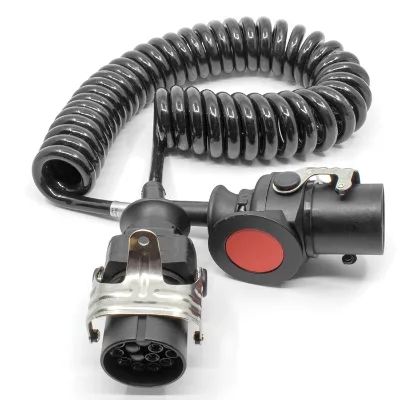
Comprehensive Sourcing Guide
Trailer Coil Cord with 7-pin Connector Sourcing Guide
Sourcing trailer coil cords with seven-pin connectors requires a disciplined approach to balancing electrical reliability with mechanical durability. These components serve as the critical interface between towing vehicles and heavy-duty trailers, ensuring consistent power transmission for lighting, braking, and auxiliary systems. Buyers must prioritize products that demonstrate robust construction, as these cords endure constant flexing, abrasion, and environmental exposure during transit. The selection process should focus on verifying material integrity, connector pin configuration, and overall build quality to prevent signal loss or electrical failure in the field.
The procurement landscape for these specialized cables is diverse, with manufacturers offering various customization options to meet specific operational needs. Key attributes often include waterproof resistance, specific voltage ratings, and standardized pin configurations that align with international norms. Buyers should evaluate suppliers based on their ability to provide certified products that meet rigorous safety and performance standards. Understanding the specific requirements of your trailer fleet, including length needs and environmental conditions, is essential for selecting the right coil cord solution that ensures long-term reliability and safety.
Product Scope and Observed Listing Signals
Market listings for trailer coil cords reveal a wide range of product models and specifications, indicating a highly segmented supply chain. Observed data shows a significant variety in product identifiers, such as model numbers like 21373, 11072, and SN-25TLX series, which suggests that manufacturers offer distinct variants tailored to different trailer types or regional standards. The presence of multiple model codes implies that buyers must carefully cross-reference these identifiers with their specific technical requirements to ensure compatibility. This diversity highlights the importance of verifying exact product specifications rather than relying on generic descriptions when placing orders.
Pricing and minimum order quantities (MOQ) vary considerably across suppliers, reflecting differences in production scale and material quality. The observed price range spans from low-cost options to premium-priced items, while MOQs typically start at nine units and can extend up to one thousand, catering to both small-scale operators and large fleet managers. Buyers should note that lower prices may correlate with basic packaging or standard materials, whereas higher-priced items might include enhanced features like waterproofing or specialized certifications. Understanding these market signals helps in budgeting accurately and selecting suppliers that align with your volume requirements and quality expectations.
Technical Specifications to Verify
Verifying technical specifications is paramount to ensuring the coil cord meets operational demands. Key attributes to confirm include the pin configuration, with many listings specifying a seven-pin standard, which is crucial for compatibility with modern trailer electrical systems. Buyers should also check the working length, as some products offer customized lengths ranging from 3.5 to 4.5 meters, allowing for flexibility in trailer setup. Additionally, the material composition, often TPU (Thermoplastic Polyurethane), is a critical factor due to its durability and resistance to abrasion, oil, and extreme temperatures, ensuring the cord withstands harsh towing environments.
Electrical performance and environmental resistance are equally important technical considerations. Specifications such as a 12V voltage rating and waterproof resistance are essential for maintaining reliable connections in wet or muddy conditions. Buyers must also verify the connector type, ensuring it is a DC plug suitable for the intended application, and check for features like brake system integration if required. Packaging details, such as bag or carton box options, can also impact storage and handling efficiency. Thoroughly reviewing these technical details prevents mismatches and ensures the purchased coil cords function correctly within the trailer’s electrical architecture.
Compliance and Safety Documentation
Compliance with international standards is a non-negotiable aspect of sourcing trailer coil cords. Many suppliers provide products certified under ISO standards, which indicates adherence to quality management systems and consistent manufacturing practices. Some listings also mention CE certification, signaling compliance with European health, safety, and environmental protection standards. Buyers should request valid certification documents to verify that the products meet the regulatory requirements of their target markets, particularly if importing from regions like China or Shandong. This documentation serves as proof of quality and helps mitigate legal and safety risks associated with electrical components.
Additional certifications, such as E-MARK or IATF-ISO, may be relevant depending on the specific application and regional regulations. E-MARK certification is often required for automotive parts in Europe, ensuring that components meet strict safety and performance criteria. Buyers should also inquire about any specific industry standards, such as European Standard or customized standards, that the manufacturer adheres to. Verifying these certifications not only ensures product safety but also enhances the credibility of the supplier. Maintaining a record of these compliance documents is essential for audits and quality assurance processes within the procurement workflow.
Cost Drivers and Commercial Terms
Several factors influence the cost of trailer coil cords, including material quality, certification levels, and customization options. Products with advanced features like waterproofing or specialized materials such as TPU typically command higher prices due to increased production costs. Customization availability allows buyers to tailor specifications, but this may also affect pricing based on the complexity of the request. Buyers should analyze the cost structure in relation to the product’s durability and performance benefits, ensuring that the investment aligns with the expected lifespan and reliability of the coil cords in their operations.
Commercial terms, including MOQs and payment conditions, play a significant role in the procurement strategy. Suppliers often offer flexible MOQs, starting from as low as nine units, which benefits small buyers, while larger orders may qualify for better pricing tiers. Buyers should negotiate terms that align with their inventory management and cash flow needs. Additionally, understanding the warranty policies, such as a one-year warranty, provides assurance against defects and reduces long-term costs. Clear communication regarding these commercial terms helps in establishing a transparent and mutually beneficial relationship with suppliers, ensuring smooth transactions and reliable supply chains.
Supplier Qualification and Quality Control
Evaluating supplier qualifications is essential for securing high-quality trailer coil cords. Buyers should prioritize suppliers with established certifications like ISO, which reflect a commitment to quality management and consistent production processes. Checking the supplier’s origin, such as Shandong China, can provide insights into their manufacturing capabilities and regional expertise. It is also important to verify the supplier’s after-sales service offerings, as responsive support can address issues promptly and maintain operational continuity. A qualified supplier should demonstrate transparency in their production processes and be willing to provide samples for evaluation before bulk orders.
Quality control measures should be rigorously assessed to ensure product consistency and reliability. Buyers should inquire about the supplier’s internal testing procedures and quality assurance protocols, including checks for waterproofing, electrical continuity, and mechanical durability. Packaging standards, such as PE bag or carton box options, can also indicate the supplier’s attention to detail in protecting products during transit. Establishing clear quality expectations and conducting regular audits or inspections can help maintain high standards. Building a relationship with suppliers who prioritize quality control ensures that the coil cords meet the required specifications and perform reliably in real-world applications.
Long-Term Procurement Checks
Long-term procurement success depends on continuous monitoring of supplier performance and product reliability. Buyers should establish key performance indicators (KPIs) to track metrics such as delivery times, defect rates, and customer satisfaction. Regularly reviewing these metrics helps identify potential issues early and allows for proactive adjustments in the supply chain. Additionally, maintaining open communication with suppliers fosters collaboration and enables the resolution of any emerging challenges. By staying engaged with suppliers, buyers can ensure that the coil cords continue to meet evolving operational needs and regulatory requirements.
Adapting to market changes and technological advancements is crucial for maintaining a competitive edge. Buyers should stay informed about new product developments, such as improved materials or enhanced connector designs, that could offer better performance or cost savings. Periodically reassessing the supplier base and exploring alternative options can prevent dependency on a single source and mitigate supply chain risks. Furthermore, documenting lessons learned from past procurement experiences helps refine future strategies and improve decision-making processes. By implementing these long-term checks, buyers can build a resilient and efficient procurement system that supports their trailer operations effectively.
FAQs
What certifications do these 7 pin trailer coil cords have?
These products hold ISO and CE certifications, with some models also featuring E-MARK approval. The specific certification depends on the model number, such as 21373 or SN-25TLX61. Buyers should verify the exact certification listed for their selected item to ensure compliance with regional safety standards.
Can I request a customized length for the 7 pin connector cable?
Yes, customization is available for the working length of these trailer coil cords. Some models offer a standard range of 3.5 to 4.5 meters, while others support fully customized lengths. This flexibility allows buyers to match specific vehicle requirements without needing additional adapters or extensions.
Which material is used to construct the 7 pin trailer coil cord?
The primary material used for these cables is TPU, which provides durability and flexibility. This material choice supports the waterproof resistance required for trailer applications. The TPU construction ensures the cable withstands harsh environmental conditions while maintaining electrical integrity over time.
How is the product packed for shipment to international buyers?
Packaging varies by model but typically includes a bag combined with a carton box. Some items use PE bags inside carton boxes, while others are packed simply in cartons. This standard packaging protects the 7 pin connectors during transit and ensures they arrive in new condition.
What is the warranty period for the 7 pin trailer coil cord?
Most of these products come with a one-year warranty covering manufacturing defects. This warranty applies to the electrical and mechanical integrity of the 7 pin connector assembly. Buyers should retain proof of purchase to validate warranty claims if any issues arise within the specified period.
Which standard does the 7 pin connector follow for compatibility?
The connectors generally follow the 7 pin or 7 way standard, ensuring broad compatibility with trailer systems. Some models also adhere to European Standard specifications. This standardization allows the cables to function correctly with various trailer lighting and braking systems across different regions.
Can I find these 7 pin cables from manufacturers in Shandong?
Yes, several products originate from Shandong, China, as indicated by the product origin data. These manufacturers supply various models like BZ-7 Pin Cable and BZ-011229. Buyers can source directly from these locations to access specific product lines and potentially negotiate better terms.