Find Trailer Parts Lift Jack for Boat, RV, and Cargo Use
Source 30 verified listings for Trailer Parts Lift Jack including manual, hydraulic, and swivel models. Buyers can compare specifications like payload capacity, lifting style, and customization options from suppliers in China.
Key considerations
Products List
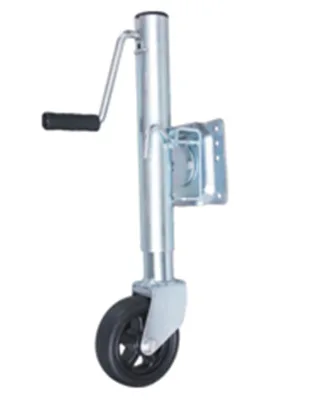
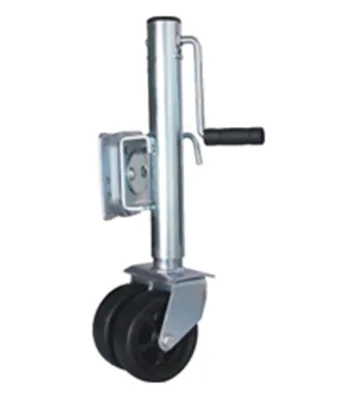
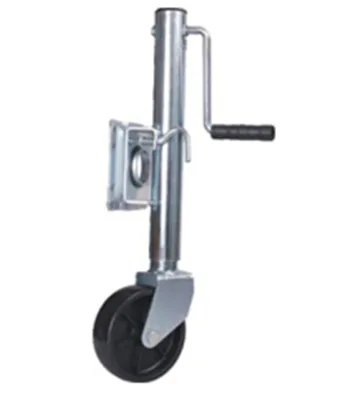


Hydraulic Auto Trailer Lifter Trolley Jacks Floor Jack Air Hydraulic Jack for Sale
$48.00 - $50.00
MOQ: 100 Pieces


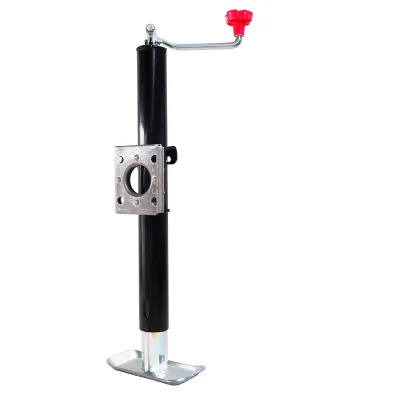
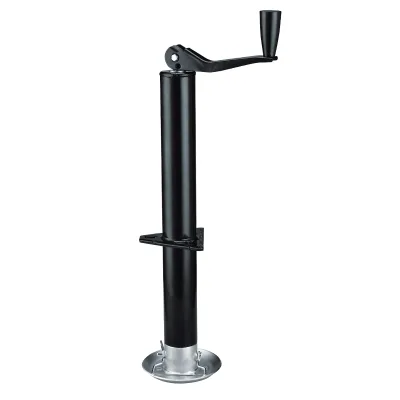
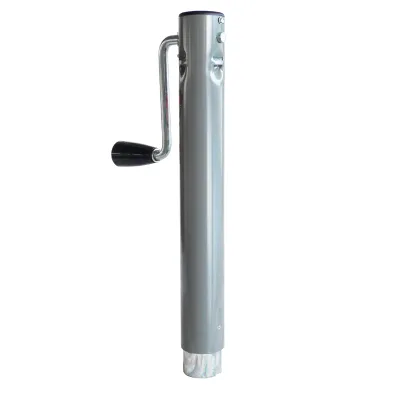


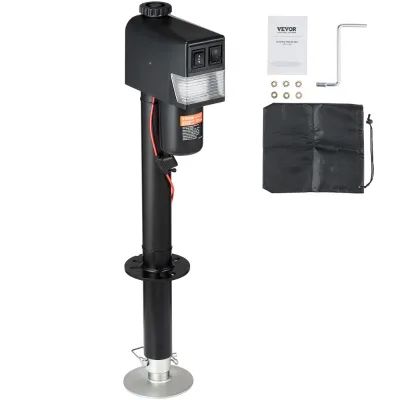
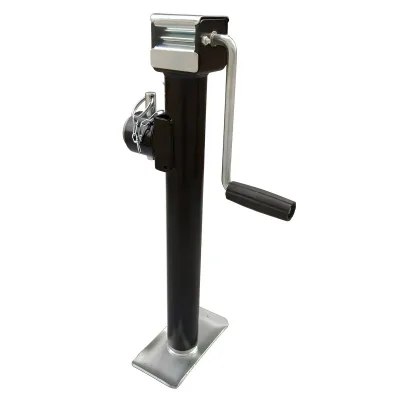
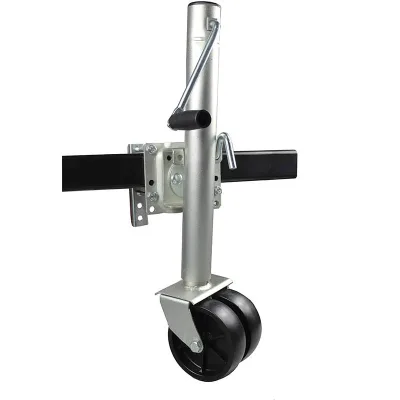
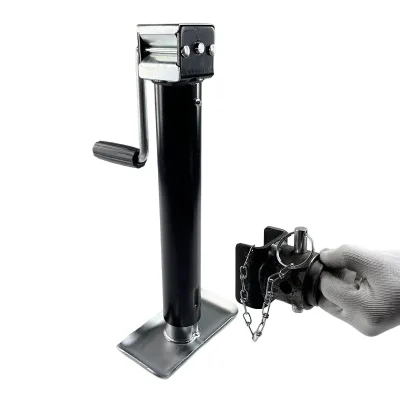
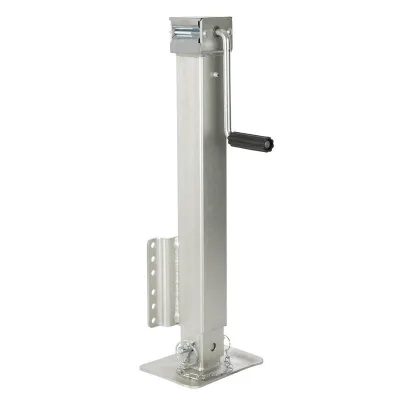
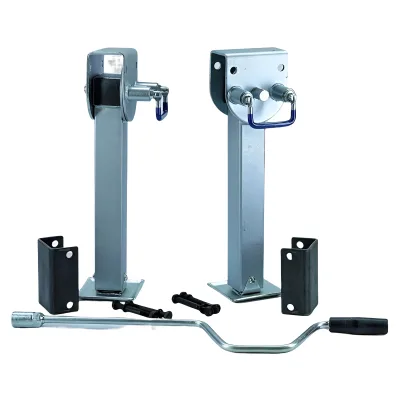

$125.00 - $135.00
MOQ: 2 Pieces


Electric Trailer Jack with Drop Leg Electric Automatic Stabilizer Lifting Jack
$50.00 - $80.00
MOQ: 50 Pieces

3, 000lb Support Capacity / 2, 000lb Lift Capacity Side Wind Trailer Jack
$20.00 - $50.00
MOQ: 200 Pieces

Comprehensive Sourcing Guide
Strategic Sourcing Guide for Trailer Parts Lift Jacks
The global market for trailer components is driven by the critical need for reliable lifting mechanisms that ensure safe transport and efficient loading operations. When sourcing a Trailer Parts Lift Jack, buyers must navigate a complex landscape of technical specifications, material standards, and regulatory compliance. The product category encompasses a diverse range of devices, from manual jockey wheels to hydraulic floor jacks and specialized swivel stands. This guide provides a structured approach to evaluating suppliers and selecting the appropriate equipment based on verified attributes and industry best practices.
Technical Specifications and Functional Variations
Understanding the specific technical requirements of a lift jack is the first step in a successful procurement process. The market offers significant variation in payload capacity, lifting style, and structural design. Buyers must distinguish between different load ratings, as observed in the current supply chain. Some units are rated for a maximum payload of 540 units, while others are engineered to handle up to 1800 kilograms. It is essential to verify the specific load rating against the intended application, as a mismatch can lead to equipment failure or safety hazards.
The lifting mechanism itself varies considerably. Options include manual operation via hand chains, hydraulic systems, and topwind styles. For instance, specific models feature a "Topwind" lift style with a 10-inch lift capability, designed for round swivel applications. In contrast, other configurations utilize a "Weld on" jack style, which requires permanent installation on the trailer frame. The structural composition is predominantly steel or metal, often treated with powder coating to resist corrosion. The presence or absence of an Anti-lock Braking System (ABS) is another critical differentiator; some units are specified as "Without ABS," while others include this safety feature.
Furthermore, the tire configuration plays a role in mobility. While some jacks are designed as stationary stands, others integrate wheels, with specific models featuring four tires. The power source is typically manual, relying on human effort through a hand chain or crank, though hydraulic variants exist. Buyers should carefully review the product name and description to ensure the "Function" aligns with the need, such as a "Semi Trailer Jack" versus a general "Floor Jack." The model number is often optional, allowing for customization, but the physical dimensions, such as a standard size of 6 units or variable sizes "as requires," must be confirmed against the trailer's mounting points.
Compliance, Certification, and Safety Standards
In the B2B procurement of trailer parts, compliance with international and regional standards is non-negotiable. The supply chain for these components often includes suppliers who have achieved significant certifications, which serve as a proxy for quality management and safety adherence. Verified data indicates that reputable manufacturers may hold certifications such as ISO/TS16949, CCC, DOT, ISO, and CE. These certifications suggest that the production processes meet rigorous quality control benchmarks and that the products adhere to specific safety regulations for the automotive and trailer industries.
However, buyers must exercise due diligence. The presence of a certification label on a product listing does not automatically guarantee that every unit in a shipment is certified. It is the buyer's responsibility to request and verify current certification documents for the specific batch being purchased. The "Testing" attribute often cited as "Quality" implies that internal checks are performed, but external validation is superior.
When evaluating standards, buyers should look for references to specific load capacities in the product standard section. For example, some products are explicitly standardized to 5,000 lbs, while others may list "Floor Jack" or "Optional" as their standard. This variability highlights the need for precise communication with the supplier. The condition of the product is typically listed as "New," but verifying the manufacturing date and storage conditions is crucial to ensure the integrity of the metal and powder coating. Additionally, the "Status" of the product, whether "Stock" or "Mps" (Make to Production), impacts the lead time and the ability to inspect the goods before shipment.
Cost Drivers and Pricing Dynamics
The pricing of trailer lift jacks is influenced by a complex interplay of factors, including material costs, customization levels, and order volume. The observed price range in the market spans from 9 to 140 USD, a wide disparity that reflects the diversity in product complexity and capacity. Lower-priced items often correspond to basic models with standard specifications, such as a simple "Tent Type" or a basic "Steel Trailer Jack" without advanced features like ABS or hydraulic systems. Conversely, higher-priced units typically offer enhanced durability, higher payload capacities, and specialized customization options.
Material costs are a primary driver. Since the primary material is steel or metal, fluctuations in raw material prices directly impact the final cost. The application of powder coating adds to the manufacturing expense but is essential for longevity. Customization is another significant cost factor. Suppliers offering "Customized OEM" services or "Logo Customization" will charge a premium. The "Service" attribute explicitly mentions customization availability, which allows buyers to tailor the product to specific trailer dimensions or branding requirements.
Order volume also plays a critical role in pricing. The Minimum Order Quantity (MOQ) ranges from 1 to 500 units. Buyers purchasing small quantities may face higher per-unit costs, while those placing large orders can negotiate better rates. The packaging method, whether "Steel Pallet," "Carton," "Wooden Box," or "Bags," can also affect the final landed cost due to variations in shipping weight and volume. Understanding these cost drivers allows buyers to balance budget constraints with performance requirements effectively.
Typical Applications and Operational Context
Trailer lift jacks serve a variety of operational contexts, from light-duty recreational towing to heavy-duty commercial transport. The "Application" field consistently identifies "trailer" as the primary use case, but the specific type of trailer dictates the required jack specifications. For semi-trailers, a "Semi Trailer Jack" is often necessary, providing the stability needed for heavy loads. In contrast, smaller utility trailers may only require a basic "Trailer Jockey Wheel" or a "1000lbs trailer jack."
The "Use" category further clarifies the application, with products designated for "Other Trailers" or "Trailer Parts." This distinction is vital for buyers ensuring compatibility with their existing fleet. The "Axle Number" and "Tire Number" attributes provide insight into the stability requirements; a unit with one axle and four tires suggests a robust design suitable for heavier loads, whereas simpler models may have fewer wheels.
Color options, such as "White" or "Gray," are often aesthetic choices but can also indicate specific model lines or manufacturer branding. The "Condition" being "New" is standard, but buyers should be aware that some suppliers may offer refurbished units if not explicitly stated. The "After-sales Service" attribute, which includes "with After-Sale Service," is particularly relevant for commercial buyers who require support for maintenance and repairs. A "Warranty" of 1 Year is a common offering, providing a baseline guarantee for the product's performance.
Supplier Evaluation and Verification
Selecting the right supplier is as critical as selecting the right product. The supply base for trailer lift jacks is concentrated in specific regions, with "Shandong, China" and "Qingdao" identified as key locations of origin. These regions are known for their manufacturing capabilities in the automotive and trailer parts sectors. However, buyers should not rely solely on the location; they must verify the supplier's actual production capacity and quality control processes.
The "Brand Name" "ceres" appears in the data, but buyers should be cautious not to assume all products are from this brand unless specified. Many suppliers offer "Customized OEM" services, meaning they can produce white-label products. In such cases, the brand name on the final product may differ from the supplier's corporate name. Buyers should request a full company profile, including business licenses and past performance records.
Communication is a key indicator of supplier reliability. The presence of a direct contact method, such as a WhatsApp number (e.g., 86 15953658952), suggests a willingness to engage directly. However, buyers should verify that this contact is legitimate and belongs to the authorized sales team. The "Status" of the product, whether "Stock" or "Mps," indicates the supplier's inventory management capabilities. Suppliers with "Stock" items can offer faster delivery, while those with "Mps" capabilities are better suited for large, customized orders.
Quality Control and Long-Term Procurement
Ensuring the long-term reliability of trailer lift jacks requires a robust quality control strategy. The "Testing" attribute, listed as "Quality," implies that internal checks are performed, but buyers should demand third-party inspection reports. Key areas to inspect include the integrity of the welds, the quality of the powder coating, and the smooth operation of the lifting mechanism. The "Surface" treatment, specifically "Powder Coating," is a critical factor in preventing rust and corrosion, which can compromise the structural integrity of the jack over time.
For long-term procurement, buyers should consider the "Warranty" terms and the availability of "After-Sale Service." A 1-year warranty is a standard baseline, but buyers may negotiate extended coverage for high-volume contracts. The "Customization" availability allows for future-proofing the procurement strategy, enabling the buyer to adapt the product to changing trailer designs or regulatory requirements.
The "Packing" method is also a quality control consideration. Products shipped on "Steel Pallets" or in "Wooden Boxes" are generally better protected during transit than those in simple "Bags" or "Cartons." Ensuring that the packaging is robust enough to withstand international shipping is essential to prevent damage before the product reaches the buyer. Finally, buyers should maintain a continuous relationship with the supplier to monitor product consistency and address any emerging quality issues promptly.
Summary of Key Product Attributes
To facilitate quick reference during the sourcing process, the following table summarizes the key attributes observed in the market for trailer parts lift jacks. This comparison highlights the variability in specifications that buyers must evaluate.
| Attribute Category | Observed Variations | Procurement Consideration |
|---|---|---|
| Max Payload | 540 units, 1800kgs, 1000lbs, 2000lbs, 5000lbs | Match load rating to trailer capacity. |
| Material | Metal, Steel | Verify steel grade and coating quality. |
| Lift Style | Topwind, Hydraulic, Hand Chain | Select based on operational environment. |
| Certification | ISO/TS16949, CCC, DOT, ISO, CE | Request valid certificates for each batch. |
| Customization | Available (OEM, Logo, Size) | Define requirements early to avoid delays. |
| Origin | Shandong, China; Qingdao | Assess logistics and lead times from region. |
| Warranty | 1 Year | Negotiate terms for bulk orders. |
| Packing | Steel Pallet, Carton, Wooden Box, Bags | Ensure packaging prevents transit damage. |
By adhering to these guidelines and rigorously evaluating the technical and commercial aspects of the supply chain, buyers can secure high-quality trailer parts lift jacks that meet their operational needs and safety standards. The diversity of the market offers flexibility, but it requires a disciplined approach to sourcing to ensure value and reliability.
FAQs
What certifications do Trailer Parts Lift Jack manufacturers hold?
Reputable manufacturers often hold ISO/TS16949, CCC, DOT, ISO, and CE certifications. These credentials indicate adherence to rigorous quality control and safety standards for automotive components, though buyers must verify specific batch documentation.
How much does a Trailer Parts Lift Jack cost?
Prices for these units range from 9 to 140 USD depending on capacity and features. Basic models without advanced features cost less, while heavy-duty options with higher payload ratings and customization commands a premium.
Which material is used to construct these lifting jacks?
The primary construction material is steel or metal, often treated with powder coating. This combination ensures durability and resistance to corrosion, which is essential for equipment used in outdoor and heavy-duty transport applications.
Can I customize the logo on a Trailer Parts Lift Jack?
Yes, logo customization is available for many suppliers offering OEM services. Buyers can request specific branding on the product, provided they meet the minimum order quantity requirements set by the manufacturer.
What is the maximum payload capacity for these jacks?
Payload capacities vary significantly, with observed ratings including 540 units, 1800 kilograms, and 5000 pounds. Buyers must match the specific load rating to their trailer's requirements to ensure safe operation and prevent equipment failure.
Where are these trailer parts lift jacks manufactured?
Production is concentrated in Shandong and Qingdao, China, which are key hubs for automotive parts. Buyers should verify the specific origin of their order to ensure it aligns with their logistics and quality expectations.
How long is the warranty period for these lifting devices?
A standard warranty period of one year is commonly offered for these products. This coverage provides a baseline guarantee for performance, though buyers may negotiate extended terms for large volume contracts.