Source Trailer Jack for Boat, RV, and Utility Trailer Needs
Find 30 Trailer Jack options including manual and hydraulic types with capacities up to 5,000 lbs. Compare specifications like load capacity, material, and customization services from verified manufacturers in Shandong, China.
Key considerations
Products List
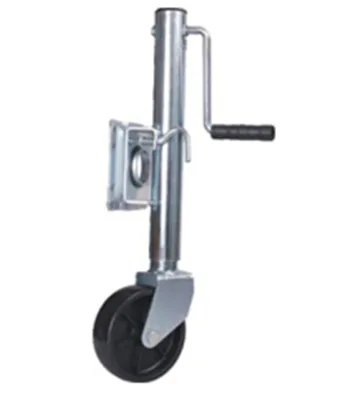
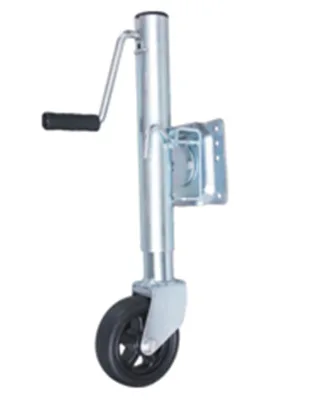
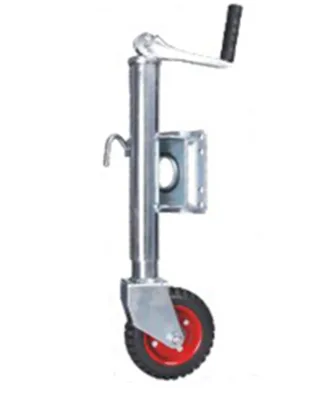
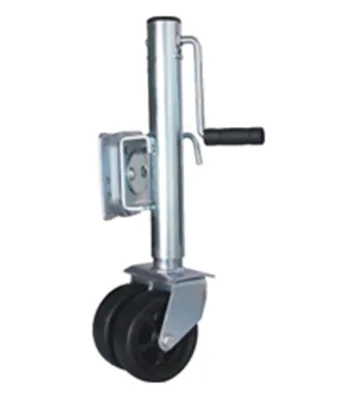


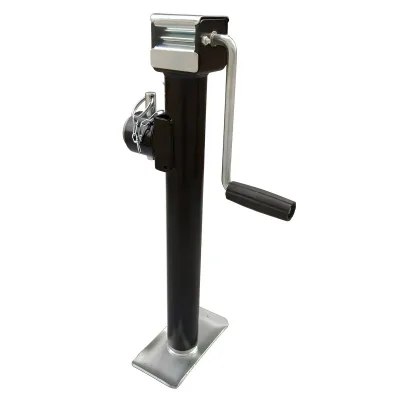
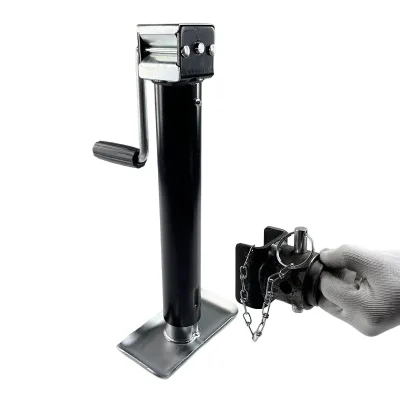


Power Tongue Electric Jack 3500lbs Trailer Jack for RV Trailer and Camper
$40.00 - $60.00
MOQ: 20 Pieces

Comprehensive Sourcing Guide
Strategic Sourcing Guide for Trailer Jack Procurement
Understanding Product Variants and Core Technical Specifications
The market for trailer jacks is characterized by a diverse range of mechanical solutions designed to stabilize, lift, and maneuver trailers during loading, unloading, and storage. When sourcing these components, buyers must first distinguish between the primary functional types available. The product landscape includes manual jacks, often referred to as jockey wheels or trailer jacks, which are typically operated by hand chains or cranks. These units are essential for leveling trailers before hitching or unhitching. Additionally, the market offers hydraulic floor jacks and specialized lifting jacks that may utilize different structural mechanisms to achieve higher load capacities.
A critical aspect of technical evaluation is the load capacity, which varies significantly across different models. Sourcing data indicates that specific models are rated for capacities such as 1000 lbs, 1500 lbs, and even up to 5000 lbs. For heavy-duty applications, some units are engineered to handle payloads up to 1800 kg or lifting capacities ranging from 1 to 10 tons. Buyers must align the selected jack's rated capacity with the specific gross vehicle weight rating (GVWR) of the trailer to ensure safety margins are maintained. The physical dimensions are another variable; while some specifications list a standard size of 6 inches, many manufacturers offer custom sizes "as requires" to fit unique trailer frame geometries.
Material composition plays a pivotal role in the durability and longevity of the jack. The majority of high-quality units are constructed from steel, specifically carbon steel, which provides the necessary tensile strength to withstand dynamic loads. The surface finish is equally important for corrosion resistance, particularly for equipment exposed to the elements. Common surface treatments observed in the market include powder coating and electroplating. These processes protect the metal substrate from rust and wear, ensuring the jack remains operational in harsh environments. The condition of the product is typically listed as "New," but buyers should verify the manufacturing date and storage conditions to prevent degradation of rubber components or lubricants.
Compliance, Certification, and Regulatory Standards
Navigating the regulatory landscape is a non-negotiable step in B2B procurement, especially for automotive and trailer components. Compliance ensures that the product meets safety standards required for road use and commercial operation. The sourcing data highlights several key certifications that buyers should verify with potential suppliers. These include DOT (Department of Transportation) certification, which is often mandatory for components used on public roads in the United States. Additionally, ISO certifications, such as ISO/TS16949, indicate that the manufacturer adheres to specific quality management systems for the automotive industry. Other relevant certifications mentioned include CCC (China Compulsory Certification) and CE marking, which are essential for market access in China and the European Union, respectively.
When evaluating a supplier's documentation, buyers must request valid certificates for the specific model being purchased. It is important to note that while some products may carry certifications like DOT and ISO, others might only hold ISO or CE. The presence of a certification does not automatically apply to every SKU within a supplier's catalog; verification must be model-specific. Furthermore, the product standard itself is a critical identifier. Standards such as "1000lb," "1500lb," and "5,000 lbs" serve as benchmarks for the testing and design parameters of the jack. Buyers should ensure that the product standard listed on the invoice matches the physical product received.
Another critical compliance factor is the absence of certain features that may be required for specific markets. For instance, some trailer jacks are explicitly listed as "Without ABS" (Anti-lock Braking System), which is accurate for simple jacks that do not have braking mechanisms. However, if the procurement involves a more complex lifting system, the buyer must clarify whether ABS or other electronic safety features are necessary. The structural integrity of the jack is also subject to tolerance checks, with some specifications noting tolerances as tight as 0.02mm. This level of precision is vital for the smooth operation of the lifting mechanism and the secure fitment of the jack to the trailer frame.
Cost Drivers and Pricing Dynamics
The pricing of trailer jacks is influenced by a complex interplay of factors, including material costs, manufacturing complexity, and order volume. The observed price range in the market spans from approximately $1.20 to $500.00 USD. This wide variance reflects the difference between basic, single-purpose jacks and robust, heavy-duty hydraulic systems with advanced features. The lower end of the price spectrum typically corresponds to simple manual jacks with standard steel construction and minimal customization. In contrast, the higher price points are associated with units featuring custom branding, specialized surface treatments, higher load capacities, and complex hydraulic structures.
Minimum Order Quantity (MOQ) is another significant driver of unit cost. The market data shows an MOQ range from 1 unit to 1000 units. Buyers purchasing small quantities may face higher per-unit costs due to the fixed overhead of production setup and logistics. Conversely, large-volume orders can leverage economies of scale to reduce the unit price significantly. However, buyers must balance the desire for lower prices with the need for inventory management. Holding excessive stock of specialized jacks can tie up capital and increase storage costs. Therefore, understanding the supplier's MOQ flexibility is crucial for optimizing the total cost of ownership.
Customization is a major cost variable. Suppliers offering OEM (Original Equipment Manufacturer) services and logo customization often charge a premium. While the base product might be standard, adding a custom logo, specific color (such as white), or tailored dimensions requires additional tooling and production time. The "Service" attribute of "Customized OEM" indicates that these value-added services are available, but they will impact the final price. Additionally, the packaging method, whether box, carton, pallet, or bag, can influence shipping costs. Heavy-duty steel pallets may offer better protection for large orders but increase freight expenses compared to standard cardboard boxes.
Typical Applications and Operational Context
Trailer jacks serve a variety of critical functions across different industries, primarily in the transportation, logistics, and recreational sectors. The primary application is for stabilizing trailers during the hitching and unhitching process. In this context, the jack acts as a temporary support, bearing the weight of the trailer tongue to allow the vehicle to be safely connected or disconnected. The "Byword" attributes such as "Trailer Jockey Wheel" and "Steel Trailer Jack" underscore their role in manual maneuvering and support.
Beyond simple stabilization, these jacks are used for maintenance and loading operations. Hydraulic floor jacks and lifting jacks are employed to raise the trailer to access undercarriage components, change tires, or load heavy cargo onto the trailer bed. The "Power Source" being "Hand Chain" suggests that many units are designed for manual operation, relying on the operator's physical effort to lift the load. This is suitable for light to medium-duty tasks where electric or pneumatic power sources are unavailable. The "Structure" of the jack, whether it is a simple mechanical lever or a hydraulic piston, determines its suitability for specific lifting heights and load distributions.
The "Application" field explicitly lists "trailer," confirming the universal nature of these products. However, the specific type of trailer matters. Some jacks are designed for single-axle trailers, as indicated by the "Axle Number: 1" attribute, while others may be adaptable for different configurations. The "Tent Type" being "Simple" suggests that some jacks may also be used in temporary setups, such as camping or event support, where quick deployment and stability are required. Understanding the specific operational context is essential for selecting a jack with the correct load capacity and structural design.
Supplier Evaluation and Verification Criteria
Selecting a reliable supplier is paramount to ensuring product quality and supply chain continuity. Buyers should prioritize suppliers with a proven track record in manufacturing trailer jacks and related components. The "Place of Origin" is a key indicator, with Shandong and Qingdao in China being prominent manufacturing hubs for these products. These regions have established supply chains for steel and metalworking, which can lead to competitive pricing and efficient production. However, the origin alone does not guarantee quality; buyers must verify the supplier's manufacturing capabilities and quality control processes.
The "Status" of the product, whether "Stock" or "Mps" (Make to Produce), affects lead times and availability. Suppliers with stock availability can offer faster delivery, which is crucial for urgent procurement needs. However, for customized orders, the "Delivery Time" of approximately 20 days should be factored into the planning schedule. Buyers should also evaluate the supplier's responsiveness and communication channels. The presence of a dedicated WhatsApp contact number indicates a willingness to engage in direct, real-time communication, which can facilitate smoother negotiations and issue resolution.
Quality assurance is another critical evaluation metric. The "Testing" attribute, listed as "Quality," suggests that the supplier conducts some form of quality control. Buyers should request detailed test reports and inspection certificates to verify that the jacks meet the specified standards. The "Warranty" of 1 year is a standard offering that provides a safety net for manufacturing defects. However, buyers should review the terms of the warranty to understand what is covered and the process for claims. Additionally, the "Condition" of the product being "New" should be confirmed upon receipt to ensure that no used or refurbished items are delivered.
Quality Control and Long-Term Procurement Considerations
Implementing a robust quality control (QC) strategy is essential for mitigating risks associated with Trailer Jack procurement. Given the safety-critical nature of these components, buyers should establish clear acceptance criteria based on the product specifications. This includes verifying the material composition (Carbon Steel), surface finish (Powder Coating, Electroplating), and load capacity ratings. Random sampling and third-party inspections can help ensure that the bulk order matches the sample quality. The "Tolerances" of 0.02mm mentioned in the specifications should be a benchmark for dimensional accuracy, ensuring that the jack fits the trailer frame perfectly and operates smoothly.
Long-term procurement considerations involve building a sustainable relationship with suppliers who can consistently deliver high-quality products. The "Customization" availability and "Logo Customization" acceptance indicate that suppliers are willing to adapt to the buyer's branding needs, which is valuable for private label strategies. However, buyers must ensure that customization does not compromise the structural integrity or safety of the product. The "Standard" of the product, whether it is a specific weight rating or a general floor jack standard, should remain consistent across all production batches to maintain brand reputation.
Sustainability and lifecycle management are also important factors. The "Material" being metal suggests that the product is durable and recyclable, which aligns with modern environmental standards. Buyers should inquire about the supplier's environmental practices and waste management policies. Additionally, the "Packing" method should be evaluated for its impact on the environment. While steel pallets offer superior protection, they may be less eco-friendly than cardboard options. Balancing protection, cost, and environmental impact is a key consideration for long-term procurement success.
Finally, buyers should plan for the lifecycle of the product. The "Warranty" of 1 year provides a baseline for product reliability, but buyers should also consider the expected service life of the jack. Regular maintenance and inspection schedules can extend the operational life of the equipment, reducing the total cost of ownership. By focusing on quality, compliance, and supplier reliability, buyers can secure a steady supply of high-performance trailer jacks that meet their operational needs and safety requirements.
FAQs
What certifications do trailer jacks typically have?
Trailer jacks often carry DOT, ISO, CE, and CCC certifications. Buyers must verify that specific models hold these marks, as certifications vary by product standard and region.
How much load can a Trailer Jack support?
Load capacities range from 1000 lbs to 5000 lbs, with some heavy-duty units handling up to 1800 kg. Select a jack rated above your trailer's gross weight for safety.
Can I customize the logo and size of a jack?
Customization is available for logos, colors, and dimensions like the standard 6-inch size. OEM services allow tailored specifications to fit unique trailer frame geometries.
What is the typical delivery time for orders?
The standard delivery time is approximately 20 days for customized or made-to-produce orders. Stock items may ship faster, but lead times depend on order volume and customization.
Which materials are used to make trailer jacks?
Most units are constructed from carbon steel or general steel for durability. Surface treatments like powder coating and electroplating protect the metal from rust and corrosion.
What is the minimum order quantity for a jack?
Minimum order quantities range from 1 unit to 1000 units depending on the supplier. Smaller orders may have higher per-unit costs compared to bulk purchases.