Source Training Beach Tennis Ball for Clubs, Schools, and Events
Find 30 verified Training Beach Tennis Ball options for clubs, schools, and events. Compare specs like diameter, weight, and rebound height to select the right gear for training and competition needs; compare the available evidence and request quotations based on your requirements.
Key considerations
Products List


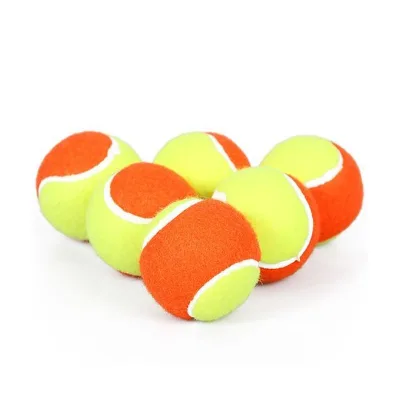


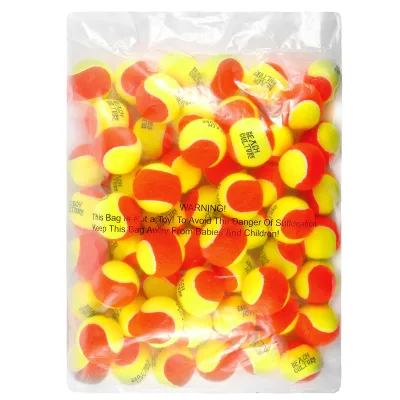
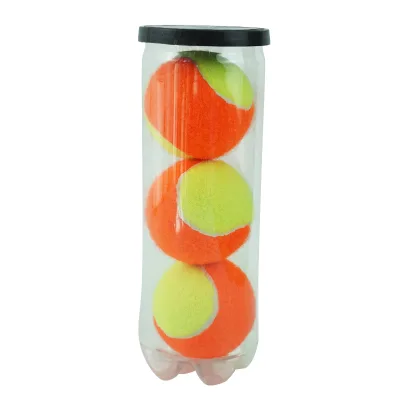


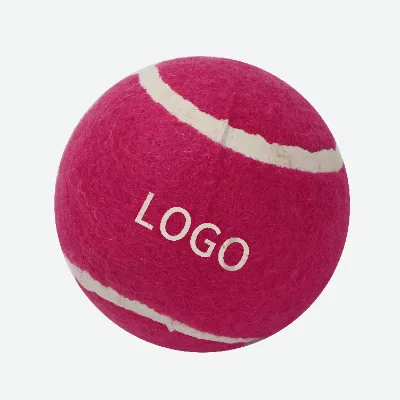


Comprehensive Sourcing Guide
Training Beach Tennis Ball Sourcing Guide
Procuring training tennis balls requires a clear distinction between standard court equipment and specialized variants designed for specific environments or skill levels. The core keyword "Training Beach Tennis Ball" suggests a need for durable, low-bounce options suitable for sand surfaces or beginner drills, though the observed market data primarily reflects standard hard-court training balls. Buyers must carefully evaluate whether the listed products meet the specific friction and bounce requirements of beach tennis, which differs significantly from traditional lawn tennis. Understanding these physical differences is critical to avoiding mismatches between product specifications and actual playing conditions.
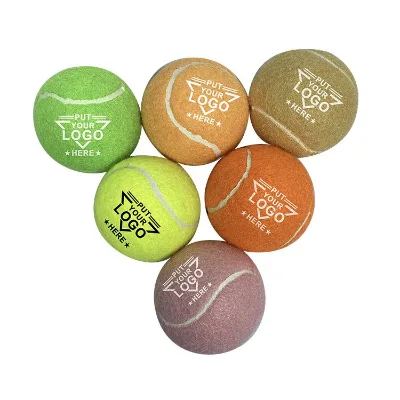
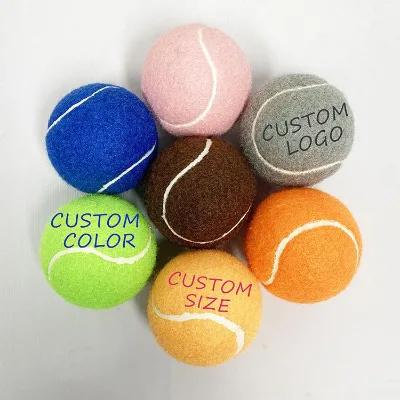
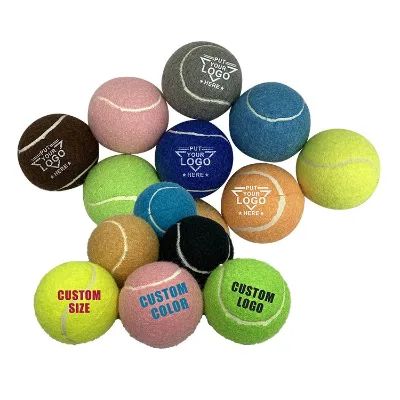
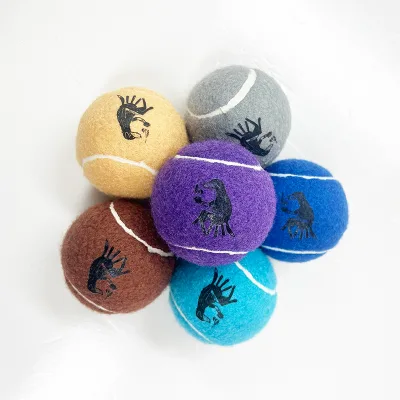
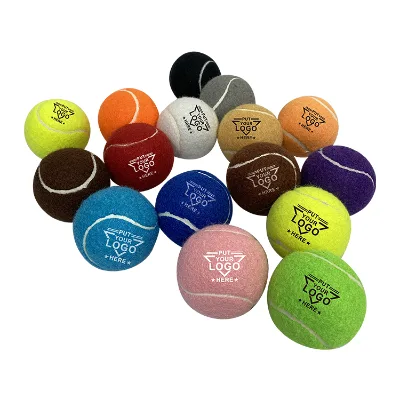
The observed product range includes items explicitly labeled for training and competition, with customization options for logos and packaging. While some listings mention "beach" in the keyword context, the detailed attributes point toward standard polyester and wool felt constructions with rubber cores. Sourcing agents should verify if the listed "training" designation implies reduced bounce for skill development or if it simply denotes bulk packaging for practice sessions. Clarifying the intended surface and play style early in the inquiry process ensures that suppliers provide samples that accurately reflect the performance characteristics needed for beach tennis training drills.
Product Scope and Observed Listing Signals
The current market signals indicate a diverse range of training tennis balls, with observed prices ranging from $0.25 to $5.00 USD and minimum order quantities (MOQs) varying from 1 to 6,000 units. This wide price band suggests significant variation in material quality, brand positioning, and packaging formats. Buyers should note that lower-priced items may utilize basic rubber and polyester blends, while higher-tier options might offer enhanced durability or specific bounce consistency. The availability of customized logos and packaging indicates that many suppliers cater to private-label buyers, such as sports academies or promotional merchandise distributors.
Product names and descriptions frequently highlight "training" and "competition" usage, with specific models like WY-TTB and WR-250407-2 appearing in the data. Some listings specify "Children Training Tennis Ball" or "Kids Training Tennis Ball," suggesting a subset of products designed for younger players with smaller hands and developing motor skills. These variants often feature adjusted diameters and weights to facilitate easier handling and longer rallies during practice sessions. Buyers interested in youth programs should pay close attention to these specific product names and associated size specifications to ensure age-appropriate equipment selection.
Technical Specifications to Verify
Diameter and weight are critical technical parameters that directly influence ball performance and player experience. Observed specifications include diameters of 68.6mm, 64mm, and 63mm, with weights ranging from 42g to 60g. Standard tennis balls typically measure around 67mm, so deviations in these listings may indicate specialized training aids or junior-sized balls. Buyers must verify which diameter corresponds to their specific training needs, as smaller balls may be easier to control for beginners but less representative of official match conditions. Confirming these dimensions with suppliers before placing bulk orders prevents discrepancies in equipment uniformity.
Rebound height and material composition are equally important for assessing ball quality and suitability for training purposes. Listed rebound ranges vary from 105-120cm to 1.37-1.45m, indicating different levels of elasticity and bounce consistency. Materials cited include polyester, wool, rubber, and blends thereof, with some products featuring a rubber inner core and felt exterior. For beach tennis, which requires a softer, slower ball, buyers should inquire about specific low-bounce formulations or pressurized vs. pressureless options. Verifying the exact material blend ensures the ball can withstand the abrasive nature of sand while maintaining consistent flight characteristics during drills.
Compliance and Safety Documentation
Safety and environmental compliance are paramount when sourcing sports equipment, especially for products used by children or in outdoor settings. Buyers should request documentation confirming that materials are non-toxic and free from harmful chemicals, particularly given the direct contact involved in handling tennis balls. Some listings mention "Eco-Friendly" and "Non-Toxic" features, which are valuable indicators for responsible procurement. However, these claims should be backed by relevant safety certifications or test reports from accredited laboratories to ensure they meet international standards for consumer goods.
Packaging and labeling requirements also play a role in regulatory compliance, particularly for export markets with strict labeling laws. Observed packing methods include corrugated cartons, bulk packages, and tubes containing three balls. Buyers must ensure that packaging includes accurate product information, including weight, dimensions, and material composition, in the required languages for the destination market. Additionally, if the balls are marketed for use with pets, as suggested by some "Applicable Pet" attributes, specific safety standards for animal toys may apply. Clarifying these regulatory expectations with suppliers helps avoid customs delays and ensures legal market entry.
Cost Drivers and Commercial Terms
Several factors influence the final cost of training tennis balls, including material quality, customization requirements, and order volume. The observed MOQ range of 1 to 6,000 units allows for flexibility, but larger orders typically yield better per-unit pricing. Customization options, such as logo printing and specialized packaging, add to the base cost but can enhance brand visibility for academies or retailers. Buyers should negotiate tiered pricing structures that reward higher volumes while keeping initial trial orders manageable to test product quality and supplier reliability.
Shipping and logistics costs can significantly impact the total landed cost, especially for bulky items like tennis balls. Observed single package sizes and gross weights vary, affecting freight calculations. Buyers should clarify whether prices are quoted on FOB, EXW, or CIF terms to understand who bears the risk and cost of transportation. Additionally, lead times and production capacity should be discussed to ensure timely delivery, particularly for seasonal demands or large-scale tournament preparations. Understanding these commercial terms helps in accurate budgeting and supply chain planning.
Supplier Qualification and Quality Control
Evaluating supplier qualifications is essential to ensure consistent product quality and reliable service. Buyers should verify the supplier's manufacturing capabilities, including their experience in producing tennis balls and their ability to meet specific technical specifications. Factories located in regions like Anhui and Henan, China, as indicated in the data, may have established supply chains for raw materials like rubber and felt. Requesting factory audits or third-party verification reports can provide insights into their production processes and quality management systems.
Quality control measures should be clearly defined and agreed upon before production begins. This includes setting acceptable tolerances for diameter, weight, and rebound height, as well as defining procedures for defect detection and rejection. Buyers should inquire about the supplier's internal testing protocols and whether they conduct random sampling during production. Establishing a clear quality assurance framework helps minimize the risk of receiving substandard products and ensures that the training balls perform consistently across batches, which is crucial for effective player development.
Long-Term Procurement Checks
Building a sustainable supply chain for training tennis balls requires ongoing monitoring and relationship management. Buyers should establish regular communication channels with suppliers to discuss performance feedback, market trends, and potential improvements. Tracking key performance indicators such as delivery times, defect rates, and customer satisfaction can help identify areas for improvement. Regularly reviewing supplier performance against agreed-upon metrics ensures that the partnership remains productive and aligned with the buyer's strategic goals.
Adapting to changing market demands and regulatory environments is also crucial for long-term success. Buyers should stay informed about new materials, technologies, and safety standards that may impact product design and compliance. Engaging in continuous dialogue with suppliers about innovation and sustainability can lead to better product offerings and competitive advantages. By maintaining a proactive approach to procurement, buyers can ensure a steady supply of high-quality training tennis balls that meet the evolving needs of their customers and players.
FAQs
What are the standard dimensions for training tennis balls?
Standard training tennis balls typically have a diameter between 63 and 68.6 millimeters. Specific models vary, with some measuring 64 millimeters while others reach 68.6 millimeters. These sizes ensure proper playability for both adult and children training sessions.
Can I request a customized logo on these tennis balls?
Yes, customized logo printing is available for these training tennis balls. Buyers can request specific branding to be applied to the product surface. This customization option allows for unique identification and marketing purposes for various training programs.
What materials are used to construct these training balls?
These balls are constructed using a blend of polyester, wool, and rubber materials. Some variants feature a 100% polyester felt exterior with a rubber inner core. This combination ensures durability, high elasticity, and effective shock absorption during intense training sessions.
How much does a single tube of training balls weigh?
The weight of a single tube containing three balls is approximately 0.170 kilograms. Individual ball weights vary between 42 and 60 grams depending on the specific model. This lightweight design facilitates easy handling for both children and adult athletes.
What is the minimum order quantity for these tennis balls?
The minimum order quantity can start as low as one tube for certain models. Other options may require orders up to 6000 units depending on the supplier. Flexible MOQs allow buyers to test the market or place large bulk orders efficiently.
Where are these training tennis balls manufactured?
These products originate from manufacturing facilities located in Anhui and Henan provinces in China. The specific production location depends on the manufacturer and the specific product model ordered. Buyers should verify the exact place of origin for their specific purchase.
What is the rebound height for these training balls?
The rebound height for these balls ranges from 105 to 147 centimeters depending on the model. Some standard balls rebound between 1.37 and 1.45 meters, while others are designed for lower bounce. This variation helps in training different skill levels effectively.