Source Trampoline Safety Net Replacement Hammock for playgrounds, sports, and homes
Compare 30 verified listings for Trampoline Safety Net Replacement Hammock options tailored for playgrounds, sports facilities, and residential use. Buyers can evaluate materials like polyester and nylon, MOQs ranging from 50 pieces to 100,000 square meters, and customization features for specific protection needs.
Key considerations
Products List
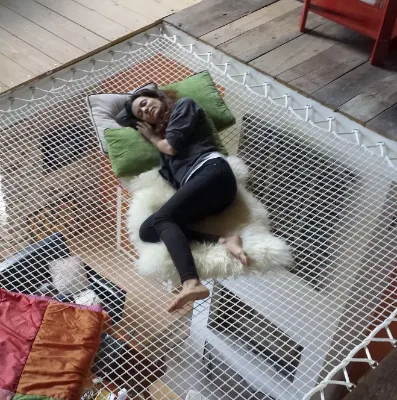
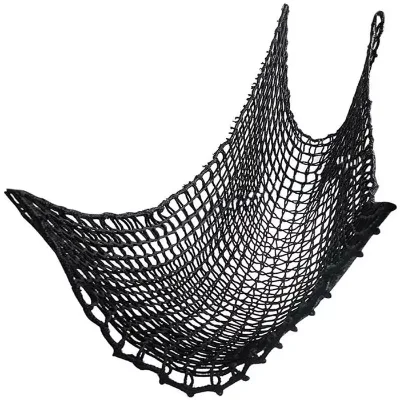
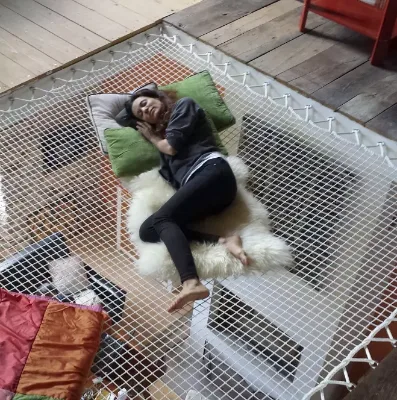
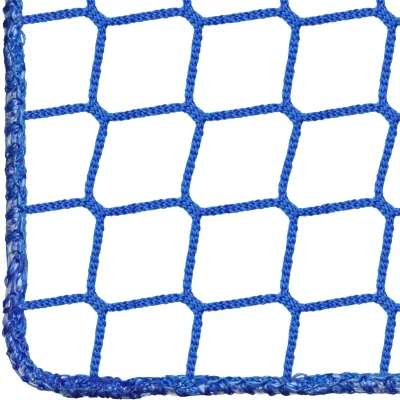
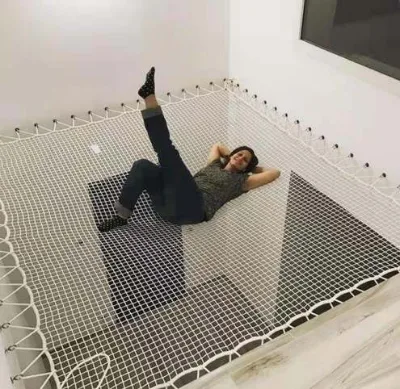
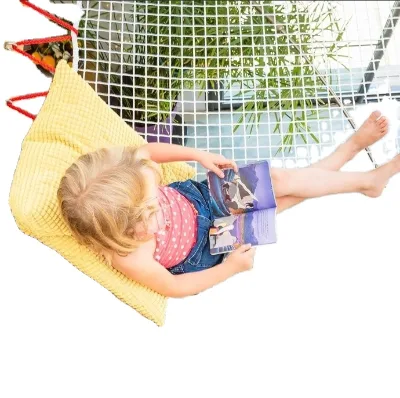
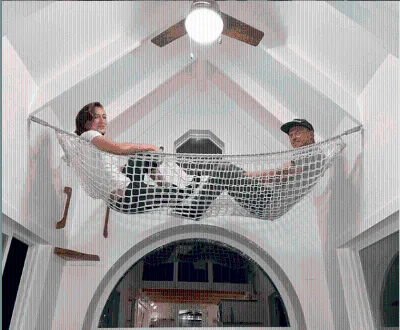
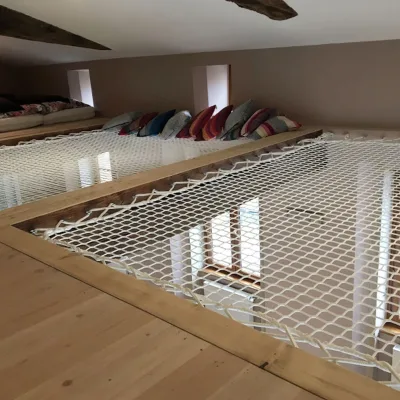


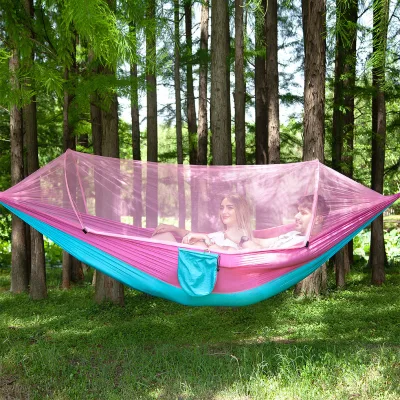
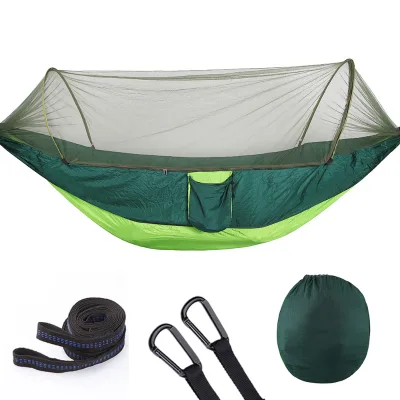




Outdoor Cotton Thickened Hammock Winter Camping Windproof Insulation Hammock
$18.00 - $22.00
MOQ: 1000 Pieces

Winter Camping Windproof Insulation Hammock Outdoor Cotton Thickened Hammock
$30.00 - $35.00
MOQ: 1000 Pieces

Comprehensive Sourcing Guide
Strategic Sourcing Guide for Trampoline Safety Net Replacement and Hammock Systems
Understanding Product Variability and Core Specifications
When sourcing replacement safety nets for trampolines or hammock-style safety systems, buyers must first recognize that the market presents a wide spectrum of product definitions rather than a single standardized item. The supplied data indicates that "safety net" products vary significantly in material composition, intended application, and physical dimensions. For instance, while some listings describe products specifically for "Personal Care" or "Cleanroom Protection," others explicitly target "outdoor kids climbing safety rope net" applications. This divergence suggests that a buyer seeking a trampoline replacement must rigorously filter for outdoor-rated, high-tensile materials rather than generic industrial nets.
The material composition is a primary differentiator. The observed data lists "100% Polyester," "Nylon," "Polyester/PE," and "Polypropylene polyester, nylon" as available options. For a trampoline environment, which involves constant UV exposure, moisture, and dynamic loading, the choice between Nylon and Polyester is critical. Nylon typically offers superior elasticity and shock absorption, which is beneficial for safety nets that must stretch slightly under impact, whereas Polyester provides better resistance to UV degradation and moisture retention. The data also notes "Nets materials: PE" (Polyethylene) in specific contexts, which may offer a balance of cost and durability but requires verification against the specific load requirements of the trampoline frame.
Dimensions and customization are equally vital. The observed specifications range from "Customized Sizes" and "Custmer Requirement" to specific measurements like "10X10cm" or "80X60X45 cm" for packaging. Crucially, one listing specifies "Length: Unlimited," indicating that some suppliers can produce continuous runs of netting, which is essential for large trampoline perimeters. However, other entries list fixed single package sizes, implying that buyers must confirm whether the product is sold as a pre-cut kit or a roll material. The "Single gross weight" varies from 0.2 kg to 5.000 kg, reflecting the difference between lightweight replacement panels and heavy-duty full-system kits. Buyers must match these weight metrics to the structural capacity of their existing trampoline frames to ensure safe installation.
Technical Compliance and Certification Verification
Compliance with safety standards is non-negotiable for products intended for recreational use, particularly those involving children. The provided context mentions "ASTM F963-23" as a background standard, though it is flagged as low-confidence for concrete claims. This standard typically governs the safety of consumer toys, including trampolines. However, buyers should not assume that any listed product automatically satisfies this standard. Instead, the procurement strategy must focus on verifying that the supplier can provide valid test reports specifically for the ASTM F963-23 standard or equivalent regional regulations like EN 71-14 in Europe.
The data lists "Feature: Eco-Friendly" and "Feature: Durable" as attributes, but these are marketing observations rather than certified guarantees. A buyer must request third-party laboratory test results that verify the tensile strength, tear resistance, and UV stability of the netting material. For instance, the observed weight range of "60g/sqm--300g/sqm" suggests a vast difference in material density. A lighter net (60g/sqm) might be suitable for a small residential trampoline, while a heavier net (300g/sqm) would be required for commercial-grade or high-impact applications. Without specific test data, the "Durable" claim remains an unverified assertion.
Furthermore, the "Using life: 3-10years" attribute provides a potential benchmark for product longevity, but this range is highly dependent on environmental conditions. A net rated for 10 years in a mild climate may degrade in just 3 years under intense sun and humidity. Buyers should verify the specific testing conditions under which this lifespan was determined. Additionally, the "Sample: Provided" attribute is a critical verification tool. Before committing to a bulk order, buyers should obtain samples to physically inspect the weave density, stitching quality, and the strength of the attachment points. This hands-on verification is the only way to confirm that the "Customized Sizes" and "Customized Logo" options do not compromise the structural integrity of the net.
Cost Drivers and Economic Factors in Procurement
The economic landscape for sourcing safety nets is influenced by several distinct variables, as evidenced by the observed price range of $0.68 to $13,600. This extreme variance indicates that the cost is not merely a function of the material but is heavily driven by the scale of the order, the complexity of customization, and the specific application. The lower end of the price spectrum likely corresponds to small, pre-cut replacement panels or lightweight nets with minimal customization. In contrast, the higher end likely reflects large-scale industrial orders, custom-engineered systems for commercial facilities, or nets with specialized coatings and reinforced stitching.
Minimum Order Quantity (MOQ) is a significant cost driver. The data shows an MOQ range from 1 to 100,000 units, with specific instances of 100, 50 pcs, 200m2, and 1000 Square Meter. For a buyer needing a single replacement net, an MOQ of 1000 Square Meters is prohibitive, whereas an MOQ of 50 pcs or 1 unit is ideal. Buyers must navigate these thresholds carefully. If a buyer requires a custom size that does not fit standard inventory, they may face a higher MOQ or a setup fee. The "Supply Ability: 100000 square meters per Month" suggests that high-volume suppliers can accommodate large orders, but this capacity often comes with stricter MOQ requirements.
Packaging and logistics also impact the final cost. The observed "Packaging Details" include "Bag, box or as your requestion" and "Packing: Carton," with single package sizes ranging from 10X5X2 cm to 80X60X45 cm. Larger, heavier packages (e.g., 5.000 kg gross weight) will incur higher shipping costs, especially if the destination is far from the "Port of dispatch: Qingdao" or "Place of Origin: Hebei, China." Buyers should calculate the landed cost, including freight, duties, and insurance, rather than focusing solely on the unit price. The "Customized Logo" option, while adding value for branding, may also introduce additional setup costs or minimums that affect the overall budget.
Typical Applications and Usage Scenarios
The application of safety nets varies widely, and misalignment between the product's intended use and the buyer's needs can lead to safety failures. The data explicitly lists "Application: Personal Care," "Application: Cleanroom Protection," and "Application: safety nprotection net." This indicates that many listed products are designed for industrial or medical environments rather than recreational use. A "Cleanroom Protection" net is likely designed to prevent contamination and may lack the tensile strength required for a trampoline. Similarly, "Personal Care" applications might refer to protective barriers in healthcare settings.
For the specific keyword of "trampoline safety net replacement," buyers must filter for products where the application is explicitly defined as "Protection" in an outdoor or recreational context. The listing "Product Name: outdoor kids climbing safety rope net" is the most relevant match, as it directly addresses the safety needs of children in a climbing or bouncing environment. The "Usage: Cleanroom Protection" and "Application: Personal Care" entries should be treated as irrelevant for this specific use case unless the buyer is repurposing industrial nets for a unique, non-standard application, which is generally not recommended due to liability concerns.
The "Feature: Eco-Friendly" attribute may be relevant for buyers targeting environmentally conscious markets, but it should not be the primary selection criterion. The primary focus must remain on the "Application: safety nprotection net" aspect. The "Color: white,black,colours" and "Color: Customized" options allow for aesthetic integration, but the color should not compromise the visibility of the net, which is a key safety feature. High-visibility colors are often preferred for safety nets to ensure they are easily seen by users, preventing accidental collisions. Buyers should verify that the "Customized Colors" do not involve dyes that degrade the material's UV resistance.
Supplier Evaluation and Geographic Considerations
Evaluating suppliers requires a focus on their manufacturing capabilities, geographic location, and logistical reliability. The data identifies "Shandong, China" and "Hebei, China" as primary places of origin. Both provinces are major manufacturing hubs in China, known for their textile and plastic processing industries. Shandong, in particular, is known for its port infrastructure, with "Qingdao" listed as a port of dispatch, which facilitates efficient export logistics. Buyers should prioritize suppliers with a proven track record in these regions, as they are likely to have established supply chains for raw materials like Nylon, Polyester, and PE.
The "Brand Name" field shows entries like "QS," "QIANGSHENG," and "DM." While these are observed brand names, buyers should not rely on brand recognition alone. Instead, they should evaluate the supplier's "Supply Ability" and "Processing Service." The "Processing Service: Cutting" indicates that the supplier can perform custom sizing, which is essential for replacement nets that must fit specific trampoline frames. A supplier offering "Cutting" services is more likely to accommodate the "Custmer Requirement" for size than a supplier who only sells standard rolls.
When evaluating a supplier, buyers should verify their "Sample" availability. The data confirms that samples are "Provided," which is a positive indicator of supplier confidence. However, buyers should also inquire about the lead time for sample production and bulk orders. While specific lead times are not provided in the data, the "Supply Ability: 100000 square meters per Month" suggests that high-volume suppliers can scale quickly. Buyers should request a detailed production schedule to ensure that the supplier can meet their delivery deadlines, especially if the replacement net is needed urgently for safety compliance.
Quality Control and Long-Term Procurement Strategy
Establishing a robust quality control (QC) protocol is essential for ensuring the safety and longevity of the purchased nets. Given the "Using life: 3-10years" claim, buyers must implement a rigorous inspection process upon receipt of goods. This should include visual inspections for weave consistency, stitching integrity, and colorfastness. Buyers should also conduct tensile strength tests on a sample basis to verify that the net can withstand the dynamic loads of a trampoline. The "Weight: 60g/sqm--300g/sqm" range highlights the importance of verifying the actual weight per square meter to ensure it matches the supplier's specifications.
Long-term procurement considerations involve building a relationship with a supplier who can provide consistent quality over time. The "Customized Logo" and "Customized Sizes" options suggest that the supplier is flexible, but buyers should ensure that these customizations do not introduce variability in quality. A supplier who can maintain consistent quality across different custom orders is preferable to one who produces variable results. Additionally, buyers should consider the "Packaging: Carton" and "Bag, box or as your requestion" options to ensure that the nets are protected during transit. Damaged packaging can lead to product degradation, especially for materials like Nylon and Polyester that are sensitive to moisture and UV exposure.
Finally, buyers should plan for the lifecycle of the product. The "Using life: 3-10years" estimate suggests that replacement nets will need to be purchased periodically. Establishing a long-term contract with a reliable supplier can help secure favorable pricing and ensure that replacement parts are available when needed. Buyers should also consider the environmental impact of the product, given the "Feature: Eco-Friendly" attribute, and explore options for recycling or responsible disposal of old nets. By focusing on these long-term factors, buyers can ensure a sustainable and safe procurement strategy for their trampoline safety net and hammock systems.
Comparative Analysis of Product Attributes
To assist buyers in making informed decisions, the following table summarizes the key attributes observed in the market data, highlighting the variations that must be considered during the sourcing process.
| Attribute | Observed Variations | Relevance to Trampoline Sourcing |
|---|---|---|
| Material | 100% Polyester, Nylon, PE, Polypropylene, Polyester/PE | Critical for UV resistance and elasticity. Nylon/Polyester preferred for outdoor use. |
| Application | Personal Care, Cleanroom, Safety Protection, Kids Climbing | Must filter for "Safety Protection" or "Kids Climbing" to ensure suitability. |
| MOQ | 1, 50 pcs, 100, 200m2, 1000 Square Meter, 100,000 | Determines feasibility for single replacement vs. bulk inventory. |
| Size | Customized, 10X10cm, 80X60X45 cm, Unlimited Length | Essential for fitting specific trampoline frames; "Unlimited" allows for custom cuts. |
| Weight | 0.2 kg to 5.000 kg (Gross), 60g/sqm to 300g/sqm | Indicates material density; heavier nets generally offer better durability. |
| Origin | Shandong, Hebei, China | Major manufacturing hubs; Qingdao port facilitates export. |
| Features | Eco-Friendly, Durable, Customized Logo | Marketing claims; require third-party verification for safety compliance. |
This comparison underscores the necessity of a detailed specification sheet when placing an order. Buyers should not rely on general descriptions but must explicitly define the material, weight, size, and application requirements to avoid receiving products intended for industrial or medical use rather than recreational safety. By adhering to these rigorous selection criteria, buyers can secure high-quality, compliant safety nets that protect users and meet their specific operational needs.
FAQs
What materials are available for trampoline safety nets?
Available materials include 100% Polyester, Nylon, PE, and Polypropylene blends. Buyers must verify that the selected material offers sufficient UV resistance and tensile strength for outdoor recreational use rather than industrial applications.
Can suppliers provide customized sizes for replacement nets?
Yes, suppliers offer customized sizes and unlimited length options to fit specific trampoline frames. Buyers should confirm that the cutting service maintains structural integrity when accommodating unique dimensional requirements.
What is the typical minimum order quantity for these nets?
Minimum order quantities vary significantly, ranging from 50 pieces to 1000 square meters depending on the supplier. Buyers seeking single replacements must specifically filter for low MOQ options to avoid excessive inventory costs.
How long do these safety nets typically last?
The observed using life ranges from 3 to 10 years depending on environmental exposure. Buyers should verify the specific testing conditions for this lifespan, as intense sun and humidity can accelerate material degradation.
Which suppliers offer samples for quality verification?
Some suppliers explicitly provide samples to allow buyers to inspect weave density and stitching quality. Obtaining a sample is essential before bulk ordering to ensure the product meets safety and durability expectations.
What are the packaging details for shipping these nets?
Packaging options include bags, boxes, or custom cartons with varying single package sizes and weights. Buyers must calculate landed costs by considering the gross weight and dimensions for freight and insurance.