Source Transparent Medical Suction Catheter for ICU, Surgery, and Home Care
Explore 30 listings for Transparent Medical Suction Catheter options suitable for clinical and home use. Compare features like sterilization methods, sizes ranging from 5Fr to 24Fr, and packaging types to find the right fit for your procurement needs; compare the available evidence and request quotations based on your requirements.
Key considerations
Products List



Comprehensive Sourcing Guide
Transparent Medical Suction Catheter Sourcing Guide
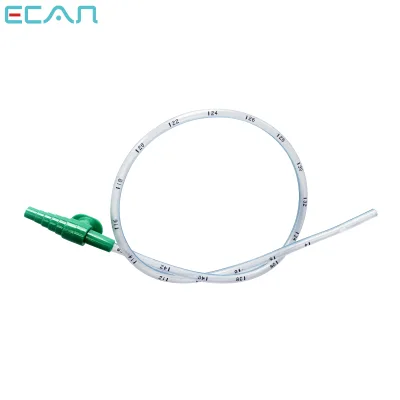
Procuring transparent medical suction catheters requires a disciplined approach to verifying material integrity and sterilization protocols. Buyers must prioritize products that explicitly state their sterilization method, as the supply chain contains items with and without ethylene oxide sterilization. The transparency of the catheter body is a critical visual indicator, allowing clinicians to monitor fluid flow and detect blockages in real-time. This optical clarity is essential for patient safety during invasive procedures, ensuring that the medical team can assess the airway or drainage site without removing the device.
Sourcing decisions should also account for the diverse range of sizes and configurations available in the market. Listings often specify size ranges such as 5Fr to 24Fr or 6Fr to 18Fr, indicating that a single supplier may offer multiple product lines. Buyers need to match these specifications to their clinical inventory requirements, ensuring that the selected catheters fit the intended patient demographics, whether adult or pediatric. Understanding these variations prevents stockouts of critical sizes and ensures that the procurement strategy aligns with the actual usage patterns of the healthcare facility.
Product Scope and Observed Listing Signals
The observed market signals indicate a wide variance in product attributes, with prices ranging from $0.01 to $5 per unit and minimum order quantities (MOQs) spanning from 50 to 20,000 pieces. This broad spectrum suggests that buyers can find both low-cost, high-volume options and specialized, lower-volume items. The presence of OEM services and customizable logos indicates that many manufacturers are willing to brand products for specific hospital networks or distributors. Buyers should evaluate whether branding is necessary for their distribution model or if neutral packing suffices for internal hospital use.
Product models and names vary significantly, with identifiers like CW-ZGQLK01, HS-A14, and CSC appearing across different listings. Some products are explicitly labeled as closed suction catheters, while others are categorized broadly under surgical supplies or drainage containers. This inconsistency in naming conventions requires buyers to carefully review the technical specifications rather than relying solely on product titles. The presence of color-coded control valves and specific tip designs, such as closed or open tips, further differentiates the products, necessitating a detailed comparison of functional features to ensure clinical compatibility.
Technical Specifications to Verify
Verifying the physical dimensions and material composition is the first step in technical validation. The supplied data confirms that catheters are made from plastic and are available in transparent or translucent colors. Buyers must confirm the exact French (Fr) size range required for their procedures, as listings mention sizes from 5Fr to 24Fr. It is crucial to ensure that the selected catheter diameter matches the patient’s anatomy and the suction equipment’s compatibility. The transparency of the material should be consistent throughout the length of the catheter to facilitate visual monitoring during use.
The sterilization status is a critical technical parameter that must be explicitly confirmed for each order. Some products are ethylene oxide sterilized, while others are explicitly marked as without ethylene oxide sterilization. This distinction is vital for infection control protocols and regulatory compliance. Buyers must also verify the packaging type, which ranges from blister packs and PE bags to carton boxes. Proper packaging ensures that the sterile barrier remains intact until the point of use, preventing contamination and ensuring the product meets the required quality guarantee period, often cited as two years.
Compliance and Safety Documentation
Regulatory compliance is non-negotiable in the medical device sector, and buyers must verify that suppliers hold valid certifications. The observed listings frequently mention CE and ISO certifications, including ISO 13485 for quality management systems. Buyers should request copies of these certificates to ensure they are current and issued by recognized bodies. The classification of the product as Class II indicates a moderate risk level, requiring specific regulatory controls. Ensuring that the supplier’s documentation aligns with the regulatory requirements of the destination country is essential for successful market entry and clinical adoption.
In addition to general certifications, specific product certificates such as FDA approval may be relevant depending on the target market. Buyers should inquire about the specific standards the product meets, such as CE standards or ISO standards for medical devices. The origin of the product, often listed as China or specific provinces like Zhejiang and Jiangsu, should be cross-referenced with the supplier’s legal entity. This verification helps in assessing the reliability of the supply chain and ensures that the products are manufactured in facilities that adhere to good manufacturing practices (GMP).
Cost Drivers and Commercial Terms
Pricing in this category is influenced by several factors, including the complexity of the design, the sterilization method, and the order volume. The observed price range of $0.01 to $5 reflects the diversity in product features, from basic drainage tubes to sophisticated closed suction catheters with control valves. Buyers should negotiate based on the total cost of ownership, which includes shipping, tariffs, and potential returns due to quality issues. Understanding the MOQ requirements is crucial, as lower MOQs may come with higher unit prices, while bulk orders can significantly reduce the per-unit cost.
Commercial terms such as payment methods, lead times, and warranty policies should be clearly defined in the contract. The observed quality guarantee period of two years provides a baseline for product durability, but buyers should clarify what this warranty covers, such as material defects or sterilization failure. Customization options, including logo printing and specific packaging, may incur additional costs. Buyers should evaluate whether these customizations are necessary for their brand strategy or if standard neutral packing is sufficient to reduce procurement expenses.
Supplier Qualification and Quality Control
Supplier qualification involves assessing the manufacturer’s production capabilities and quality control processes. Buyers should verify the supplier’s ability to maintain consistent product quality across large orders, given the wide range of MOQs observed. The presence of OEM services suggests that the supplier has the flexibility to adapt to specific buyer requirements, but this also requires rigorous quality assurance protocols. Buyers should request samples to evaluate the physical attributes, such as transparency, flexibility, and the functionality of control valves, before committing to a large order.
Quality control checks should include verification of the sterilization process and packaging integrity. Since some products are ethylene oxide sterilized and others are not, buyers must ensure that the sterilization method matches their clinical requirements. The packaging, whether blister packs, PE bags, or cartons, must protect the product from contamination and damage during transit. Buyers should also assess the supplier’s responsiveness to quality issues and their ability to provide traceability for each batch, which is essential for managing recalls or investigating adverse events.
Long-Term Procurement Checks
Long-term procurement success depends on establishing a reliable supply chain that can adapt to changing clinical needs and regulatory landscapes. Buyers should conduct periodic audits of their suppliers to ensure ongoing compliance with certifications and quality standards. The dynamic nature of the medical device market means that product specifications and regulatory requirements may evolve, requiring buyers to stay informed about updates in CE, ISO, or FDA regulations. Maintaining open communication with suppliers can help in anticipating supply chain disruptions and ensuring continuous availability of critical suction catheters.
Building a diversified supplier base can mitigate risks associated with single-source dependencies. Buyers should consider sourcing from multiple manufacturers in different regions, such as Zhejiang and Jiangsu in China, to ensure redundancy in the supply chain. Regular performance evaluations based on delivery times, product quality, and customer service can help in identifying top-performing suppliers. By focusing on long-term relationships and continuous improvement, buyers can secure a stable supply of high-quality transparent medical suction catheters that meet the evolving needs of their healthcare facilities.
FAQs
What certifications do transparent medical suction catheters have?
These catheters typically hold CE and ISO 13485 certifications, ensuring compliance with international medical device standards. Some products also display FDA approval and ISO CE marks. This documentation verifies that the manufacturing process meets rigorous quality and safety requirements for surgical supplies and injection instruments.
How are these catheters sterilized for patient safety?
Most transparent medical suction catheters are sterilized using Ethylene Oxide to ensure they are sterile upon delivery. However, some specific models may be supplied without Ethylene Oxide sterilization. Buyers should verify the sterilization method for each product model to ensure it aligns with their clinical protocols and safety standards.
What sizes are available for these transparent catheters?
Available sizes generally range from F5 or 5Fr up to F18 or 24Fr, depending on the specific model. Common specifications include sizes 6Fr to 16Fr. This variety allows medical professionals to select the appropriate diameter for different patient needs, ensuring effective suction and minimal tissue trauma during procedures.
Can buyers customize the logo and packaging?
Yes, customization is available for both logos and packaging. Buyers can choose neutral packing or request custom logo printing on blister bags, PE bags, or cartons. OEM services are supported, allowing brands to tailor the product presentation to their specific market requirements while maintaining the high-quality transparent design.
What is the typical quality guarantee period?
The standard quality guarantee period for these catheters is two years. This warranty reflects the manufacturer's confidence in the durability and performance of the plastic material. It provides buyers with assurance regarding the product's reliability and safety throughout its intended shelf life and usage in clinical environments.
Where are these medical catheters manufactured?
These transparent medical suction catheters are primarily manufactured in China, with specific origins in Zhejiang and Jiangsu provinces. This regional concentration supports efficient supply chains and competitive pricing. Buyers can source directly from these locations, ensuring access to a wide variety of models and specifications from established production facilities.