Source Transparent Portable Cosmetic Bag for Travel, Camping, and Daily Use
Explore 30 listings for the Transparent Portable Cosmetic Bag, featuring options in polyester, PVC, and PU materials. Buyers can compare customization, waterproof ratings, and zipper closures for travel, camping, and daily storage needs.
Key considerations
Products List


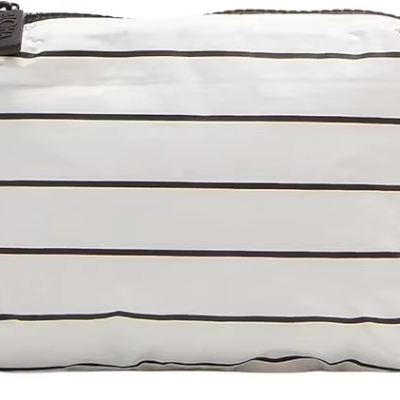


Portable Clear Makeup Bag Zipper Waterproof Cosmetics Transparent Travel Bag
$1.15 - $1.74
MOQ: 100 Pieces


Cosmetic Storage Bag Portable Travel Waterproof Polyester Clear Makeup Travel Bag
$0.84 - $1.25
MOQ: 100 Pieces


New Transparent PU Cosmetic Portable Travel Cosmetic Handheld Makeup Bag
$2.43 - $2.59
MOQ: 100 Pieces


Customized Transparent Waterproof Cosmetic Make up Bag with Zipper Portable
$0.50 - $0.80
MOQ: 100 Pieces


Comprehensive Sourcing Guide
Transparent Portable Cosmetic Bag Sourcing Guide
Sourcing transparent portable cosmetic bags requires a careful balance between aesthetic appeal, functional durability, and regulatory compliance. These products serve as essential accessories for travelers, makeup enthusiasts, and retail brands seeking to showcase contents while maintaining hygiene and organization. The market offers a wide variety of materials, from PVC and polyester to PU and nylon, each offering distinct advantages in terms of clarity, weight, and cost. Buyers must navigate a landscape where customization is the norm, with options for logo printing, size adjustments, and design modifications tailored to specific brand identities.
This guide provides a structured approach to evaluating suppliers and products in this category. It focuses on verifying technical specifications, understanding cost drivers, and ensuring quality control measures are in place. By adhering to the evidence-based insights provided, procurement professionals can make informed decisions that align with their operational needs and budget constraints. The following sections detail the critical factors to consider when sourcing these items, ensuring that the final product meets both functional requirements and market expectations.
Product Scope and Observed Listing Signals
The observed product range indicates a strong emphasis on customization and versatility. Listings frequently highlight features such as portability, waterproof construction, and single or double open designs, catering to diverse user preferences. Materials vary significantly, with polyester, PVC, PU, and nylon being common choices. For instance, some models are specified as having a medium soft hardness, while others are described as soft, suggesting a range of tactile experiences. The presence of zippers as fasteners is standard, ensuring secure closure for contents. Additionally, the gender-neutral design and unisex appeal broaden the potential customer base, making these bags suitable for a wide array of users.
Seasonal adaptability is another key signal, with many products marketed for all seasons or all-year use. This versatility is supported by features like candy color fashion elements and cartoon pattern types, which appeal to younger demographics or those seeking trendy accessories. However, solid color options are also available, catering to minimalist or professional aesthetics. The capacity is generally classified as medium, making these bags ideal for daily essentials or travel-sized toiletries. The origin of these products is predominantly China, with specific mentions of Guangdong as a manufacturing hub, indicating a concentrated supply chain that buyers can leverage for efficient logistics.
Technical Specifications to Verify
When evaluating technical specifications, buyers should prioritize the verification of material composition and structural integrity. The choice between PVC, polyester, PU, and nylon directly impacts the bag’s durability, transparency, and cost. PVC offers high clarity and waterproofing but may have environmental implications, while polyester and nylon provide greater durability and lighter weight. PU offers a leather-like aesthetic with water resistance. It is crucial to confirm the exact material grade and thickness, as these factors influence the bag’s ability to withstand repeated use and cleaning. Additionally, the hardness rating, whether medium soft or soft, should be validated through sample testing to ensure it meets user comfort expectations.
Size and model numbers are critical for inventory management and product differentiation. Specific models such as SU-CMT-086, SU-CMT-182, SU-CMT-188, SU-CMT-088, and A-121 indicate distinct design variations. Buyers must verify the dimensions, such as the 947 inches specification observed for some models, to ensure they fit within luggage or personal storage constraints. The closure type, whether open or zipper-secured, should be tested for smooth operation and reliability. Furthermore, the handle material, which can be customized, should be assessed for strength and comfort, especially if the bag is intended for heavy loads. Customized sizes and designs are common, so clear communication of specifications with suppliers is essential to avoid discrepancies.
Compliance and Safety Documentation
Compliance and safety are paramount, particularly for products that may come into contact with cosmetics or personal care items. While specific certifications like REACH and BSCI are mentioned in background data, buyers must verify the current status and validity of these certifications with each supplier. REACH compliance ensures that the materials used do not contain harmful substances, which is critical for consumer safety. BSCI certification indicates adherence to social compliance standards, which may be important for brands with ethical sourcing policies. Buyers should request up-to-date certification documents and verify their authenticity through independent channels if necessary.
In addition to certifications, buyers should inquire about the testing procedures used to validate product safety and quality. This includes tests for material toxicity, durability, and water resistance. For waterproof claims, buyers should request test results that demonstrate the bag’s ability to withstand exposure to moisture without leaking or degrading. The printing methods, such as PMS printing, silk screen printing, foil bronzing, and heat transfer, should also be evaluated for safety, ensuring that inks and materials do not contain harmful chemicals. Clear documentation of these tests and certifications should be part of the supplier’s quality assurance package.
Cost Drivers and Commercial Terms
Cost drivers for transparent portable cosmetic bags include material selection, customization complexity, and order volume. Materials like PVC and PU may be more expensive than polyester or nylon due to their specific properties and manufacturing processes. Customization options, such as logo printing, size adjustments, and design modifications, add to the production cost. The complexity of the design, including features like double open closures or specific pattern types, can also influence pricing. Buyers should negotiate based on the total cost of ownership, considering not just the unit price but also the costs associated with customization and quality control.
Commercial terms such as MOQ (Minimum Order Quantity) and sample time are critical for planning and budgeting. Observed MOQ ranges from 50 to 12,000 units, allowing for flexibility depending on the buyer’s scale. Sample times are typically around 5-7 days after design confirmation, which is important for timely product launches. Buyers should clarify these terms early in the negotiation process to avoid delays. Additionally, payment terms, shipping methods, and lead times should be discussed to ensure they align with the buyer’s supply chain requirements. Understanding these commercial terms helps in creating a realistic budget and timeline for the procurement process.
Supplier Qualification and Quality Control
Supplier qualification involves assessing the manufacturer’s capabilities, reputation, and quality control processes. Buyers should verify the supplier’s experience in producing cosmetic bags and their ability to handle customization requests. The mention of OEM and ODM availability indicates that suppliers can offer both original equipment manufacturing and original design manufacturing services. Buyers should evaluate the supplier’s design team and production facilities to ensure they can meet specific requirements. Additionally, checking the supplier’s track record and customer reviews can provide insights into their reliability and product quality.
Quality control measures should be robust and transparent. Buyers should request information on the supplier’s QC processes, including in-line inspections and final random inspections. The use of individual OPP bag packing suggests a focus on product protection during shipping. Buyers should also inquire about the supplier’s policy for handling defects or non-conforming products. Establishing a clear communication channel for quality issues is essential for maintaining product standards. Regular audits and sample approvals can help ensure that the supplier consistently meets the agreed-upon quality criteria.
Long-Term Procurement Checks
Long-term procurement success depends on continuous monitoring and relationship management with suppliers. Buyers should establish key performance indicators (KPIs) to track supplier performance, including on-time delivery, product quality, and responsiveness to issues. Regular reviews of these KPIs can help identify areas for improvement and ensure that the supplier remains aligned with the buyer’s needs. Building a strong relationship with the supplier can lead to better pricing, priority production, and collaborative innovation.
Additionally, buyers should stay informed about market trends and regulatory changes that may impact the product category. This includes monitoring developments in material sustainability, such as the shift towards eco-friendly PVC alternatives, and changes in consumer preferences for design and functionality. By staying proactive, buyers can adapt their sourcing strategies to maintain competitiveness and meet evolving market demands. Continuous engagement with suppliers and market intelligence gathering are essential for long-term procurement success in the Transparent Portable Cosmetic Bag category.
FAQs
Can I get a customized logo on the bag?
Yes, customized logos are available for this product. The listing confirms that logo printing options include PMS printing, allowing buyers to add specific branding designs to the polyester or PVC materials used in the bags.
What is the sample time for this item?
The sample time is typically 5 to 7 days after confirming the design. Some listings specify about 5 days after design confirmation, ensuring quick turnaround for buyers needing to review prototypes before bulk production.
Which materials are used for these cosmetic bags?
These bags are made from various materials including polyester, PVC, PU, and nylon. Buyers can select from these options depending on their specific needs for durability, flexibility, or waterproof performance in the final product.
What is the minimum order quantity for this product?
The minimum order quantity ranges from 50 to 12,000 units depending on the specific supplier and model. Some listings indicate an MOQ of 100, while others may require higher volumes for custom designs or specific sizes.
Are these bags suitable for travel and camping?
Yes, these bags are designed for usage in camping and traveling scenarios. They feature waterproof properties and come in various styles like fashion or simplicity, making them practical for carrying cosmetics and toiletries during trips.
Can the size of the bag be customized?
Yes, the size of the bag can be customized to meet specific requirements. The product attributes list customized size as a standard option, allowing buyers to request dimensions like 9x4x7 inches or other specifications.
What printing methods are available for the logo?
Available printing methods include silk screen printing, foil bronzing, and heat transfer. These options allow for detailed and durable logo application on the polyester, PVC, or PU materials used in the manufacturing process.