Source Transparent Plastic Packaging Tubes for Cosmetics, Medicine, and Food
Source Transparent Plastic Packaging Tubes from 30 verified listings. Compare options made from PETG or PVC, featuring custom sizes, labeling, and global shipping. Ideal for cosmetics, medicine, and food applications; compare the available evidence and request quotations based on your requirements.
Key considerations
Products List

Plastic Clear Cylinder Packaging Transparent Tubes Plastic Cylinder Tube Packaging
$0.15 - $0.25
MOQ: 3000 Pieces

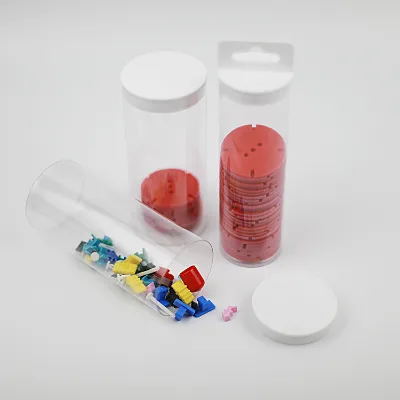


Custom Pipe Clear Plastic Packing Tube Acrylic Plastic Tube Clear Tube
$5000.00 - $6500.00
MOQ: 1 Tons

High Transparent Rounded Plastic Tube Wholesale Acrylic Pipe Clear Tube
$5000.00 - $6500.00
MOQ: 1 Tons


Customized Any Size Clear Plastic Acrylic Tube / Plastic Pipe Clear Tube
$5000.00 - $6500.00
MOQ: 1 Tons

China Manufacturer Plastic Pipe Acrylic Pipe Prices Transparent Clear Tube
$5000.00 - $6500.00
MOQ: 1 Tons

Customize Acrylic Clear Hard Plastic Tube Round Plastic Pipes Clear Tube
$5000.00 - $6500.00
MOQ: 1 Tons


Comprehensive Sourcing Guide
Transparent Plastic Packaging Tubes Sourcing Guide
Buyers must first distinguish between general household sampling tubes and specialized cosmetic or chemical containers when evaluating listings. The observed market data indicates a wide variance in application, ranging from simple liquid sampling to complex packaging for toothpaste and food products. This distinction is critical because the required material properties, such as chemical resistance or barrier performance, differ significantly between a basic plastic test tube and a high-end cosmetic vessel.
Procurement teams should verify that the listed product attributes align with their specific end-use requirements before proceeding to technical deep dives. While some suppliers offer customizable dimensions and colors, others are restricted to standard sizes like 25*150mm or specific plastic types like PETG and PVC. Understanding these baseline constraints early prevents the selection of a tube that cannot accommodate the intended reactant state or branding needs, ensuring the initial shortlist contains only viable candidates.
Product Scope and Observed Listing Signals
The current market for Transparent Plastic Packaging Tubes presents a diverse range of customization options, including specific thicknesses and diameter variations. Listings frequently highlight the ability to produce custom heights and outer diameters, allowing buyers to tailor the physical footprint of the container to their product volume. However, the observed data also shows that some suppliers offer fixed standard sizes, while others provide fully bespoke dimensions, requiring buyers to clarify their tolerance requirements immediately.
Visual and functional attributes such as color transparency and surface treatments like labeling are key differentiators in this category. Buyers should note that while many products are described as transparent, some listings specify a broader color range or specific surface treatments that may affect the final aesthetic. Additionally, the availability of printed logos and custom packaging ideas suggests that branding integration is a standard expectation, but the specific proofing time and production cycle of 15 days must be factored into the overall project timeline.
Technical Specifications to Verify
Thickness and dimensional accuracy are paramount when selecting tubes for liquid reactants or heavy cosmetic products. The observed specifications indicate a thickness range of 0.65-0.8mm for certain models, while others offer fully custom thicknesses to meet specific durability needs. Buyers must confirm whether the supplier can guarantee these tolerances across the entire order volume, as inconsistent wall thickness can lead to leakage or structural failure during shipping and storage.
Material composition and compatibility with the intended contents require rigorous verification to ensure product integrity. The supply base includes PETG and PVC as primary materials, each offering distinct properties regarding clarity and chemical resistance. Procurement teams should explicitly request material data sheets to confirm that the chosen plastic type is suitable for the specific reactant state, whether it is a cosmetic cream, a chemical solution, or a food-grade substance, to avoid adverse reactions or degradation.
Compliance and Safety Documentation
Regulatory compliance is a non-negotiable aspect of sourcing plastic packaging, particularly for industries like cosmetics, medicine, and food. The observed market data references standards such as CE, RoHS, SGS, and GMP, which are essential for verifying that the tubes meet international safety and environmental requirements. Buyers must demand current certification documents for these standards rather than relying on general claims, ensuring that the specific batch of tubes produced will pass regulatory audits in their target markets.
Environmental considerations and recyclability are increasingly important factors in modern procurement strategies. Some listings explicitly highlight the recyclable nature of the plastic tubes, which can support a company's sustainability goals and reduce waste disposal costs. However, buyers should verify the specific recycling classification of the material used, such as PETG or PVC, and confirm that the supplier's production processes align with local environmental regulations to avoid potential compliance risks downstream.
Cost Drivers and Commercial Terms
Pricing in this sector is heavily influenced by the degree of customization and the volume of the order. The observed MOQ range spans from 1 to 100,000 units, indicating that small-batch buyers may face higher per-unit costs compared to those placing large orders. Buyers should anticipate that custom dimensions, specific colors, and unique packaging requirements will drive up the base price, necessitating a clear understanding of the cost structure before negotiating final terms.
Payment terms and lead times are critical commercial variables that impact cash flow and inventory planning. Standard terms often include a 30% deposit with the balance due against the copy of the bill of lading, while production cycles typically range around 15 days. Procurement teams must account for the one-week proofing time required for logo and design approval, as this adds to the total lead time and must be synchronized with the production schedule to ensure on-time delivery.
Supplier Qualification and Quality Control
Supplier location and factory inspection capabilities provide essential insights into the reliability and logistical efficiency of the supply chain. The observed data lists origins in Dong Guan, Jiangsu, and Ningbo, regions known for manufacturing expertise, but buyers should verify the specific factory capabilities for their required product model. Supporting factory inspections is a common offering, allowing buyers to validate production capacity and quality control processes before committing to a large order.
Quality assurance protocols must be established to ensure consistency across the entire production run. Buyers should require that the supplier adheres to the specified standards, such as GMP for medical applications or specific thickness tolerances for structural integrity. Implementing a robust quality control plan that includes pre-shipment inspections and random sampling is essential to catch any deviations in color, thickness, or surface treatment before the goods leave the factory.
Long-Term Procurement Checks
Sustainability and supply chain resilience are key considerations for maintaining a stable long-term procurement strategy. Buyers should regularly review the supplier's ability to source raw materials like PETG and PVC consistently, as fluctuations in material availability can impact production schedules and costs. Establishing a partnership with a supplier who demonstrates flexibility in adapting to market changes ensures that the packaging supply remains uninterrupted during periods of high demand.
Continuous performance monitoring is necessary to maintain the quality and reliability of the packaging solution over time. Buyers should track key performance indicators such as defect rates, adherence to lead times, and the responsiveness of the supplier to quality issues. Regular audits and feedback loops help identify areas for improvement and ensure that the supplier continues to meet the evolving needs of the business, securing a reliable source for Transparent Plastic Packaging Tubes.
FAQs
What materials are used for Transparent Plastic Packaging Tubes?
Transparent Plastic Packaging Tubes are typically manufactured from PETG or PVC materials. These plastics offer clarity and durability for various applications. The selection depends on specific product requirements such as chemical resistance or recyclability needs. Customization options allow buyers to choose the most suitable plastic type for their branding and functional goals.
Can these tubes be customized for specific dimensions?
Yes, customization is available for outer diameter, inner diameter, and thickness. Standard sizes like 25*150mm are common, but specifications can be tailored to customer requests. This flexibility ensures the packaging fits various products, from cosmetics to chemicals, while maintaining structural integrity and aesthetic appeal for retail display purposes.
What is the typical production cycle for these tubes?
The standard production cycle is approximately 15 days. Proofing time takes about one week before full manufacturing begins. This timeline allows for quality checks and sample approvals. Buyers should plan their orders accordingly to ensure timely delivery, especially for large volume orders requiring specific packaging or labeling configurations.
What certifications do these plastic tubes meet?
These tubes often meet CE, RoHS, SGS, and GMP standards. These certifications ensure safety and quality for use in cosmetics, medicine, and food industries. Compliance with these standards is crucial for global market access. Buyers can verify specific documentation to ensure the products align with their regional regulatory requirements and brand safety policies.
What is the minimum order quantity for these tubes?
The minimum order quantity varies, with some listings starting at 1000 pieces. Other suppliers may require up to 100,000 units depending on customization levels. Bulk pricing and packaging options like cartons or pallets are available. Buyers should confirm MOQs with specific manufacturers to align with their inventory needs and budget constraints.
Are samples available for quality verification?
Free samples are often available for quality verification before bulk production. This allows buyers to assess material thickness, transparency, and cap fit. Sample approval is a critical step in the customization process. Buyers should request samples early to ensure the final product meets their specific design and functional requirements.