Source Transparent Shape Plastic Domino Tiles for games, education, and events
Find 30 listings for Transparent Shape Plastic Domino Tiles suitable for tabletop gaming, classroom activities, and promotional giveaways. Compare material options like acrylic and melamine, check MOQs ranging from 50 to 3000 sets, and review packaging details for bulk sourcing needs.
Key considerations
Products List
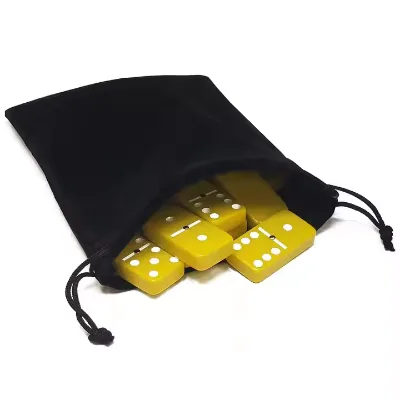
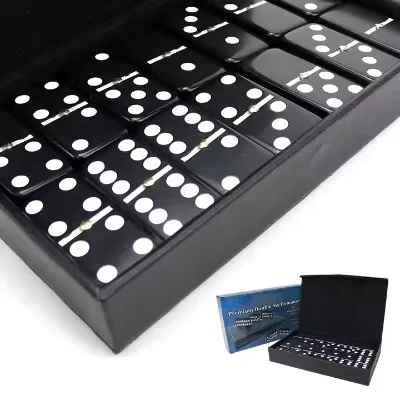
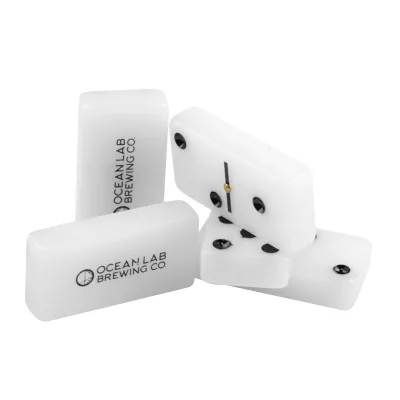
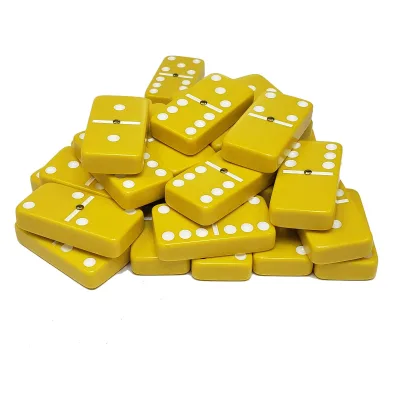
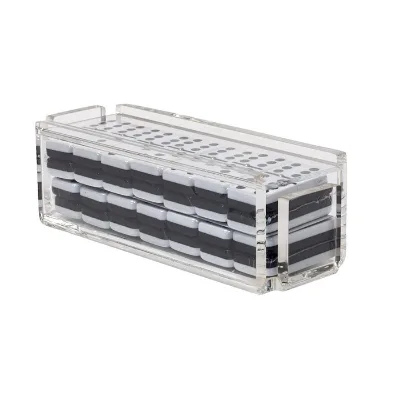
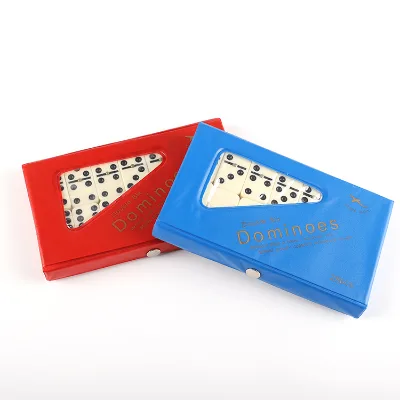
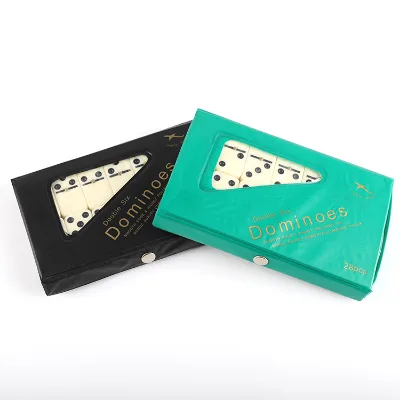
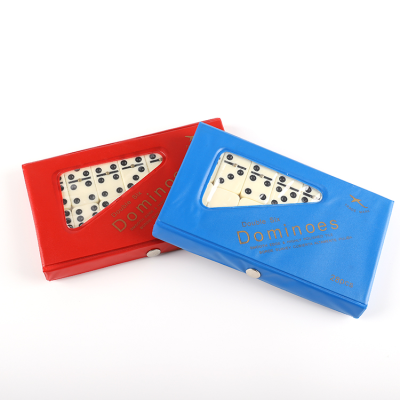
$1.00 - $3.00
MOQ: 1000 Minimum


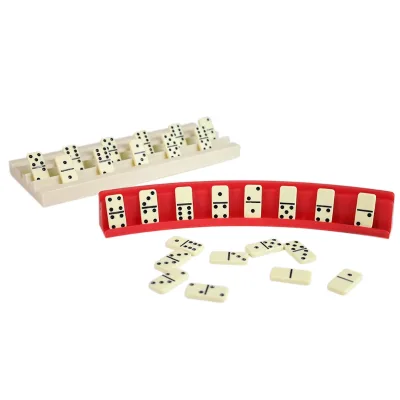

Recyclable Elastic Interlocking Tiles Plastic Floor Tiles PP Suspended Sports Floor
$30.00 - $38.00
MOQ: 200 Square Meters

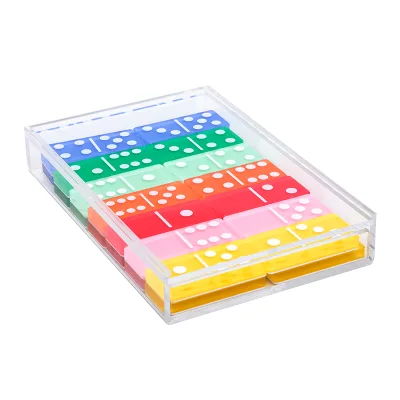


$15.00 - $15.50
MOQ: 200 Square Meters

High Quality Plastic Floor Tile Indoor Yoga Specific Floor Tiles
$13.00 - $13.50
MOQ: 200 Square Meters

Hot Sale Indoor Sports Tiles Playground Parks High Ball Rebound Mat
$15.20 - $15.70
MOQ: 200 Square Meters

Elastic Interlocking Tiles Teqyd4 High Quality Plastic Flooring Tiles for Outdoor Courts
$15.30 - $15.80
MOQ: 200 Square Meters

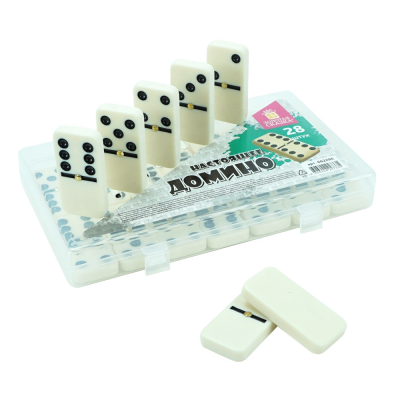

Comprehensive Sourcing Guide
Transparent Shape Plastic Domino Tiles Sourcing Guide
Sourcing Transparent Shape Plastic Domino Tiles requires a nuanced understanding of material properties, manufacturing tolerances, and commercial terms that differ significantly from traditional wooden or standard opaque plastic sets. Buyers must navigate a market where visual clarity, structural integrity, and customization options are paramount, particularly for promotional items, educational tools, or high-end game sets. The following guide provides evidence-based procurement strategies to help buyers evaluate suppliers, verify technical specifications, and mitigate risks associated with bulk orders of these specialized game components.
Product Scope and Observed Listing Signals
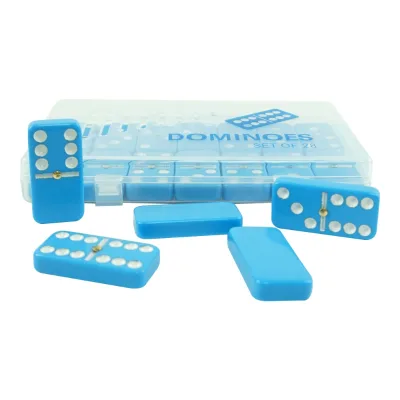
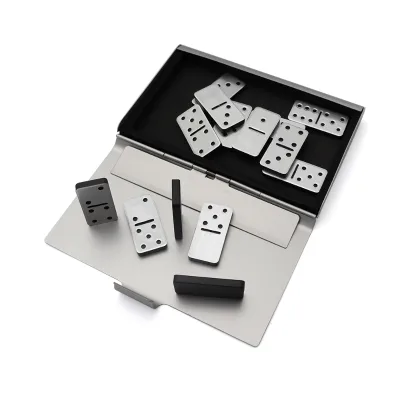
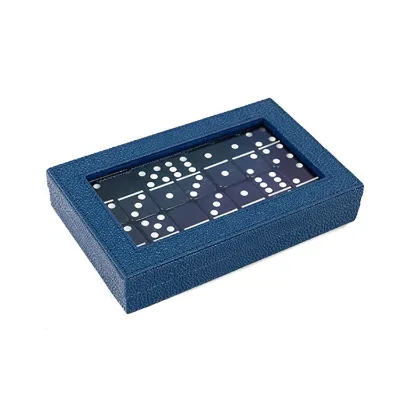
The current market for transparent dominoes includes a variety of material compositions, primarily acrylic, lucite, perspex, and PMMA, alongside melamine and standard plastic variants. Listings indicate that these products are often marketed under generic names such as "Custom Dominoes Game Set" or "Acrylic Dominoes Game Set," with model numbers like CYA-034 and CDG-004 serving as key identifiers for specific configurations. Buyers should note that while the core keyword emphasizes transparent shape plastic tiles, the actual product range extends to wood-colored dominoes and multi-material combinations, requiring careful filtering to isolate true transparent acrylic or lucite options.
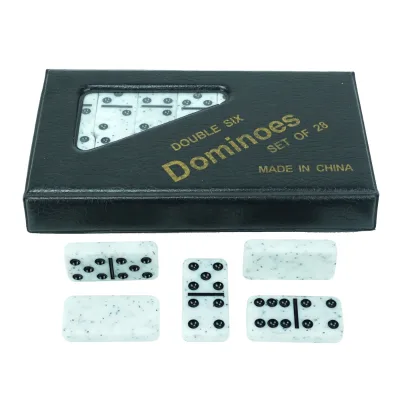
Observed listing signals reveal a wide variance in packaging and unit specifications, which directly impacts logistics and perceived value. For instance, single package sizes range from compact dimensions like 20x10x10 cm to larger boxes measuring 21x13x5 cm or 20x18x20 cm, with corresponding gross weights varying between 2.000 kg and 3.000 kg. These discrepancies suggest that suppliers may offer different piece counts or box configurations under similar product titles, necessitating a thorough review of the "Packing" details, such as whether a set includes 28 pieces with black dots or other custom configurations, to ensure alignment with procurement requirements.
Technical Specifications to Verify
Material composition is the most critical technical specification for transparent dominoes, as it dictates clarity, durability, and tactile feel. Buyers must verify whether the tiles are made from pure acrylic, PMMA, or a blend involving lucite or perspex, as these materials offer superior optical clarity and scratch resistance compared to standard plastics. Additionally, the presence of melamine in some listings indicates a different durability profile, so procurement teams should request material data sheets to confirm the exact polymer type, especially when transparency and aesthetic appeal are primary selling points for the end product.
Dimensional accuracy and packaging specifications are equally vital for quality assurance and supply chain efficiency. Standard domino dimensions observed in listings include sizes such as 5x2.5x1 cm or 51x25x8 mm, but buyers must confirm if these are fixed or customizable, as some suppliers offer "Custom Size" options. Furthermore, the single gross weight and package dimensions must be cross-referenced with the number of pieces per set to calculate accurate shipping volumes and costs. Verifying these metrics prevents discrepancies between quoted samples and bulk production, ensuring that the final product meets both functional and logistical expectations.
Compliance and Safety Documentation
Safety compliance is non-negotiable for plastic game components, particularly those intended for educational or children’s use. Buyers must ensure that suppliers provide relevant safety certifications, such as EN71 for European markets or ASTM F963 for the United States, which test for physical and mechanical hazards, flammability, and heavy metal content. Although some listings mention "eco-friendly" attributes, this claim must be substantiated by official documentation rather than marketing language, as it often refers to recyclability or the absence of certain harmful chemicals rather than a comprehensive environmental certification.
Chemical safety and labeling requirements also play a crucial role in the procurement of transparent plastic dominoes. Suppliers should be required to disclose the absence of phthalates, BPA, and other hazardous substances, especially if the tiles are intended for close-handling or oral contact scenarios. Additionally, buyers must verify that the product labeling includes accurate material composition, country of origin, and manufacturer details, as these are mandatory for customs clearance and retail compliance in many jurisdictions. Failure to secure proper documentation can lead to shipment delays, product recalls, or legal liabilities in regulated markets.
Cost Drivers and Commercial Terms
The cost of transparent dominoes is influenced by several factors, including material grade, customization complexity, and order volume. High-clarity acrylic or PMMA materials are generally more expensive than standard plastics, and any custom shaping, coloring, or logo printing adds to the production cost. Buyers should expect a wide range in minimum order quantities (MOQ), with some suppliers requiring as few as 50 sets while others mandate 200 pieces or even 3000 units, which significantly impacts the unit price and initial investment required for a procurement cycle.
Commercial terms such as payment methods, lead times, and shipping arrangements must be clearly defined in the purchase agreement. While specific lead times are not universally disclosed, buyers should anticipate variability based on the complexity of customization and the supplier’s production capacity. It is advisable to negotiate clear terms for sample approval, production milestones, and final inspection before shipment. Additionally, understanding the Incoterms used by the supplier, such as FOB or EXW, is essential for calculating the total landed cost, including freight, insurance, and import duties, which can vary significantly depending on the destination country.
Supplier Qualification and Quality Control
Supplier qualification begins with verifying the manufacturer’s location and production capabilities, as many listings indicate origins in Guangdong or Zhejiang, China, which are known hubs for plastic manufacturing. Buyers should assess the supplier’s experience in producing transparent plastic goods, looking for evidence of consistent quality control processes and the ability to handle custom orders. The presence of brand names or model numbers in listings can serve as a proxy for product standardization, but buyers must still conduct due diligence to ensure the supplier has the technical expertise to maintain optical clarity and dimensional accuracy across large batches.
Quality control measures should include pre-production sample approval, in-process inspections, and final random inspections before shipment. Buyers should specify acceptable tolerances for transparency, color consistency, and edge finishing, as these are common defect areas in plastic molding. Requesting third-party inspection reports or conducting factory audits can provide additional assurance of the supplier’s reliability. Furthermore, establishing a clear protocol for handling defective goods, including replacement policies and cost-sharing arrangements, is essential to mitigate the risk of receiving substandard products in bulk orders.
Long-Term Procurement Checks
Long-term procurement success depends on establishing a robust supplier relationship and implementing continuous improvement mechanisms. Buyers should regularly review supplier performance metrics, such as on-time delivery rates, defect rates, and responsiveness to issues, to identify potential risks early. Maintaining open communication channels and providing feedback on product quality can help suppliers refine their processes and better align with buyer expectations over time. Additionally, staying informed about changes in material regulations and market trends ensures that procurement strategies remain compliant and competitive.
Diversifying the supplier base and exploring alternative materials or manufacturing locations can also enhance supply chain resilience. While current listings highlight specific models and materials, buyers should remain open to evaluating new suppliers who may offer improved quality or cost efficiencies. Regularly updating the supplier qualification criteria and conducting periodic re-evaluations of existing partners help maintain a high standard of product quality and service. By adopting a proactive and disciplined approach to supplier management, buyers can secure a reliable supply of Transparent Shape Plastic Domino Tiles that meet their operational and commercial objectives.
FAQs
What materials are used for Transparent Shape Plastic Domino Tiles?
These dominoes are primarily made from Acrylic, Lucite, Perspex, or PMMA. Some variants also use Melamine or standard Plastic. The material choice ensures durability and a clear appearance suitable for entertainment games.
Can I customize the logo on these domino sets?
Yes, customer logos are available for customization on the product. This allows buyers to brand the tiles for specific events or corporate gifts. The customization is offered alongside various color options like blue, black, and red.
What is the minimum order quantity for these domino sets?
The minimum order quantity varies by supplier, ranging from 50 sets to 3000 pieces. Some listings specify an MOQ of 100 sets or 200 pieces. Buyers should check specific supplier requirements before placing an order.
Where are these domino sets manufactured?
These products originate from manufacturing hubs in Guangdong and Zhejiang, China. The specific location depends on the supplier chosen. Buyers can expect production facilities in these regions for acrylic and plastic domino games.
What are the standard dimensions for the domino tiles?
Standard tile dimensions are approximately 5x2.5x1 cm or 51x25x8 mm. The packaging box size is typically around 19x6.5x4.5 cm. Custom sizes are also available depending on the specific manufacturer and order requirements.
Are these domino sets eco-friendly?
Yes, certain product listings confirm that the domino sets are eco-friendly. This attribute applies to specific models available from suppliers. Buyers seeking sustainable options should verify this feature on the product page.
What colors are available for these plastic domino tiles?
Available colors include blue, black, light green, red, yellow, purple, and white. Some options offer custom colors or plaid patterns. The variety allows buyers to select designs that match their specific theme or preference.