Source Transparent Silicone Hand Sanitizer Dispenser for Hotels, Restaurants, and Homes
Compare 30 listings for the Transparent Silicone Hand Sanitizer Dispenser featuring automatic and manual options. Buyers can evaluate models like LGT-SD1 and WBP0255A across various materials including plastic and polyresin for hotel, restaurant, and home applications.
Key considerations
Products List


Auto Hand Sanitizing Station Gel, Refill Hand Sanitizer Dispenser Station
$10.00 - $38.00
MOQ: 100 Pieces

Cardboard Table Top Disinfectant Hand Sanitizer Soap Dispenser with Stand
$7.50 - $10.50
MOQ: 100 Pieces


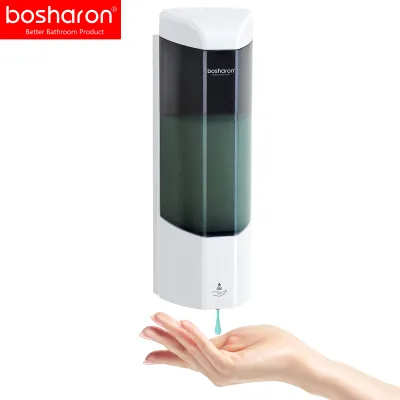


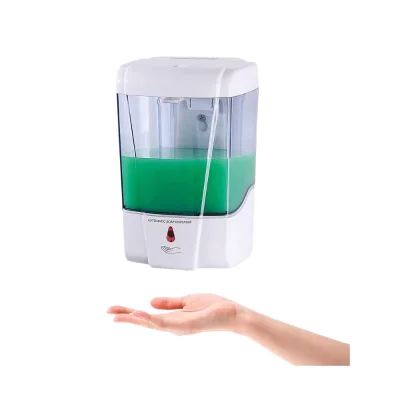


Hand Sanitizer Dispenser with Hotel Amenities for Hand Washing 300-500ml
$0.01 - $2.00
MOQ: 5000 Pieces
Comprehensive Sourcing Guide
Strategic Sourcing Guide for Transparent Silicone Hand Sanitizer Dispensers
The global demand for hygiene infrastructure has elevated the importance of reliable hand sanitizer dispensers in commercial and residential settings. Among the various materials available, transparent silicone offers a unique blend of durability, aesthetic flexibility, and chemical resistance. For procurement professionals, navigating the market for these specific units requires a disciplined approach to verifying material integrity, manufacturing capabilities, and supply chain reliability. This guide outlines the critical factors buyers must evaluate when sourcing transparent silicone hand sanitizer dispensers, ensuring that the final selection aligns with operational needs and quality standards.
Material Composition and Physical Properties
The primary differentiator for this product category is the silicone material itself. Unlike rigid plastics or glass, silicone provides a flexible, non-breakable alternative that is essential for high-traffic environments. When evaluating potential suppliers, buyers must verify that the material is food-grade or medical-grade silicone, which ensures safety for skin contact and resistance to the alcohol-based or gel formulations typically used in sanitizers. The transparency of the unit is a key visual requirement, allowing users to monitor fluid levels without opening the device.
Procurement teams should request material data sheets (MDS) to confirm the specific durometer (hardness) of the silicone. A balance is required; the material must be soft enough to allow for easy dispensing via squeezing or pressing mechanisms but firm enough to maintain its shape and structural integrity over time. The transparency should not degrade upon exposure to UV light or repeated cleaning agents. Buyers should also inspect the surface finish for uniformity, as inconsistent curing can lead to cloudiness or surface imperfections that compromise the aesthetic appeal.
Technical Specifications and Functional Design
The functional design of a hand sanitizer dispenser is dictated by its intended usage frequency and the viscosity of the product it holds. Transparent silicone dispensers often feature a pump mechanism or a squeeze-top design. For high-volume applications, such as hotels or restaurants, a pump mechanism is generally preferred to ensure consistent dosing and reduce waste. The internal reservoir capacity is another critical specification. While the supplied product data mentions capacities like 250ml for specific models, buyers must confirm that the silicone unit's capacity matches the specific needs of their facility to minimize refill frequency.
The sealing mechanism is equally vital. The interface between the pump head and the silicone body must be airtight to prevent evaporation of the alcohol content, which is the active ingredient in most sanitizers. Buyers should verify that the gaskets or O-rings used in the assembly are also made of compatible materials that do not degrade when in contact with high-concentration alcohol. Additionally, the mounting options should be assessed. While some units are designed for desk mounting, others may require wall installation. The flexibility of silicone allows for various mounting configurations, but the structural support must be robust enough to hold the weight of the full reservoir.
Compliance and Certification Verification
In the B2B procurement landscape, compliance is non-negotiable. While specific certification names vary by region, buyers must ensure that the transparent silicone dispensers meet relevant safety and quality standards. For products intended for healthcare or food service environments, compliance with FDA regulations for food contact materials is often a baseline requirement. In the European market, compliance with EU Framework Regulation (EC) No 1935/2004 is essential.
Buyers should not rely solely on supplier assertions. Instead, they must request third-party test reports that verify the absence of harmful substances such as bisphenol A (BPA), phthalates, or heavy metals. The manufacturing process should also adhere to Good Manufacturing Practices (GMP). It is crucial to verify that the supplier has a documented quality management system, such as ISO 9001 certification, which indicates a commitment to consistent production standards. Without these verifications, the risk of product failure or regulatory non-compliance increases significantly.
Cost Drivers and Pricing Dynamics
The cost of transparent silicone hand sanitizer dispensers is influenced by several factors, including the grade of silicone, the complexity of the mold, and the finishing processes. High-quality, medical-grade silicone is more expensive than standard industrial grades. Furthermore, the transparency of the material often requires higher purity raw materials and more precise molding techniques to avoid discoloration or cloudiness, which can drive up the unit cost.
Packaging and logistics also play a significant role in the total landed cost. The supplied data indicates that products are often packed in cartons or poly bags, with specific standards like "6 pieces in one carton box" or "1 PC/ Poly Bag+Brown or White Box." Buyers must calculate the cost per unit based on the packaging efficiency. Bulky packaging increases shipping costs, while compact packaging reduces them. Additionally, the Minimum Order Quantity (MOQ) is a critical cost driver. The observed MOQ range in the market can vary from 1 to 5000 units. Smaller MOQs offer flexibility but often come with a higher per-unit price, whereas larger orders typically secure better pricing but require more capital upfront.
Supplier Evaluation and Manufacturing Capabilities
Selecting the right supplier is paramount to securing a reliable supply chain. Buyers should evaluate potential partners based on their production capacity, lead times, and customization capabilities. The ability to customize the product, such as adding a logo or altering the color, is a significant advantage for branding purposes. The supplied data confirms that customization is available for many models, allowing buyers to tailor the dispenser to their corporate identity.
When assessing suppliers, buyers should look for evidence of in-house manufacturing capabilities rather than trading companies that outsource production. In-house manufacturing allows for better quality control and faster response times to design changes. It is also important to verify the supplier's location and logistics network. Many suppliers are based in China, with specific hubs like Guangzhou being prominent. Understanding the geographic location helps in estimating lead times and shipping costs. Buyers should also inquire about the supplier's experience with transparent silicone specifically, as this material requires specialized handling during the molding and assembly processes.
Quality Control and Inspection Protocols
To mitigate the risks associated with bulk procurement, implementing a robust quality control (QC) protocol is essential. This should include pre-production samples, in-process inspections, and final random inspections. For transparent silicone dispensers, visual inspection is critical to check for bubbles, discoloration, or surface defects that could indicate poor curing or material impurities. Dimensional accuracy must also be verified to ensure that the pump mechanism fits perfectly and operates smoothly.
Buyers should establish clear acceptance criteria for the product. This includes defining acceptable tolerances for dimensions, leak testing protocols to ensure the seal is effective, and durability testing to simulate years of use in a short period. Third-party inspection agencies can be engaged to conduct these checks on behalf of the buyer, providing an unbiased assessment of the product quality before shipment. The inspection report should be a prerequisite for final payment release, ensuring that the supplier adheres to the agreed-upon specifications.
Long-Term Procurement Considerations
Sourcing transparent silicone hand sanitizer dispensers is not just a one-time transaction but a long-term partnership. Buyers should consider the scalability of the supply chain. As business needs grow, the supplier must be able to ramp up production without compromising quality. This requires a supplier with a flexible manufacturing base and a reliable supply of raw materials.
Sustainability is another emerging consideration. Buyers should inquire about the recyclability of the silicone material and the environmental impact of the manufacturing process. While silicone is durable and long-lasting, the end-of-life disposal of the product should be considered. Additionally, the supplier should offer after-sales support, including warranty coverage for manufacturing defects and the ability to source replacement parts if the pump mechanism fails. Building a relationship with a supplier who values transparency and communication will facilitate smoother operations and reduce the risk of supply chain disruptions.
Comparative Analysis of Product Attributes
To assist in decision-making, the following table summarizes key attributes observed in the market for transparent silicone and similar dispenser types, highlighting the variations buyers should expect.
| Attribute | Typical Observation | Verification Requirement |
|---|---|---|
| Material | Silicone (Transparent) | Request Material Data Sheet (MDS) for food/medical grade |
| Automation | Manual (Squeeze/Pump) | Confirm mechanism type matches usage frequency |
| Installation | Desk-mounted or Wall-mounted | Verify mounting hardware compatibility |
| Capacity | Variable (e.g., 250ml noted) | Confirm specific volume matches operational needs |
| Customization | Logo/Color Available | Define branding requirements early in the process |
| Origin | China (Mainland/Guangzhou) | Assess logistics and lead time implications |
| Packing | Carton, Poly Bag, or Box | Calculate shipping efficiency and cost per unit |
| MOQ | 1 to 5000 units | Balance inventory cost with per-unit pricing |
Conclusion
Sourcing transparent silicone hand sanitizer dispensers requires a meticulous approach that balances material quality, functional design, and supply chain reliability. By focusing on the verification of material grades, the robustness of the sealing mechanisms, and the compliance of the manufacturing process, buyers can secure products that meet high hygiene standards. The flexibility of silicone offers significant advantages in terms of durability and aesthetics, but these benefits are only realized when the supplier demonstrates a commitment to quality and transparency. Through rigorous supplier evaluation, clear quality control protocols, and strategic planning for long-term needs, procurement professionals can ensure a steady supply of high-performance dispensers that support the hygiene goals of their organizations.
FAQs
Can I customize the logo on transparent silicone hand sanitizer dispensers?
Yes, customization is available for many models to support branding needs. Buyers should define specific logo requirements early in the process to ensure the supplier can tailor the dispenser to their corporate identity without delaying production.
What is the typical capacity for these liquid soap dispensers?
Specific models feature capacities such as 250ml, though options vary by design. Buyers must confirm that the silicone unit's capacity matches their facility's needs to minimize refill frequency and ensure consistent dosing for high-traffic environments.
How are these dispensers typically installed in commercial settings?
Installation options include desk-mounted types or units requiring no installation at all. The mounting configuration depends on the specific model, so buyers should verify compatibility with their intended location before placing a bulk order.
Which materials are commonly used for these dispenser units?
Materials range from transparent silicone to plastic, polyresin, and stainless steel depending on the model. Buyers must verify that the selected material meets food-grade or medical-grade standards for safety and chemical resistance against alcohol-based sanitizers.
What are the standard packaging configurations for bulk orders?
Packaging often includes cartons with specific counts like six pieces per box or individual poly bags with boxes. Buyers should calculate shipping efficiency based on these standards to optimize the total landed cost per unit.
Can I find suppliers with low minimum order quantities?
Yes, the market offers Minimum Order Quantities ranging from 1 to 5000 units. Smaller MOQs provide flexibility for testing but often carry higher per-unit prices, while larger orders typically secure better pricing but require more upfront capital.
Where are these dispensers primarily manufactured?
Most products originate from China, with specific manufacturing hubs located in Guangzhou. Buyers should assess these geographic locations to estimate lead times and shipping costs accurately when planning their procurement strategy.