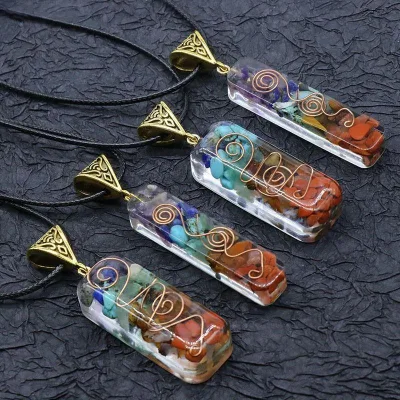
Source Transparent Resin Necklace for decoration, gifts, and fashion
Explore 30 Transparent Resin Necklace options with various plating, shapes, and customization services. Buyers can compare alloy and silver materials, lengths, and MOQs from Guangzhou suppliers to find the right piece for decoration or promotional use.
Key considerations
Products List


Metal Multicolor Geometric Transparent Acrylic Resin Necklace Earring Set
$1.88 - $3.18
MOQ: 100 Pieces


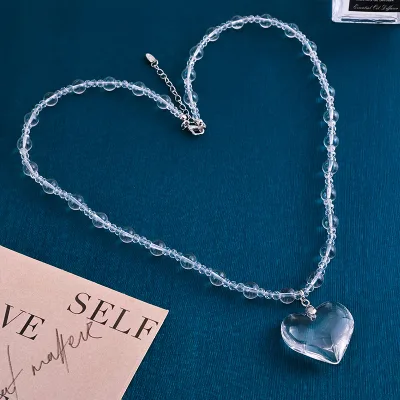


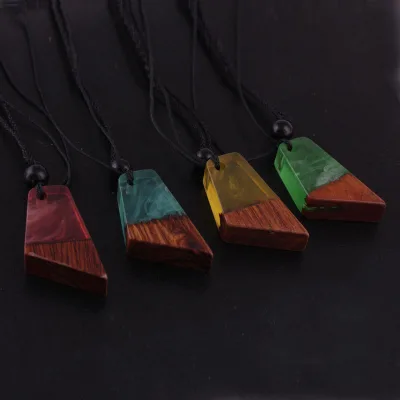


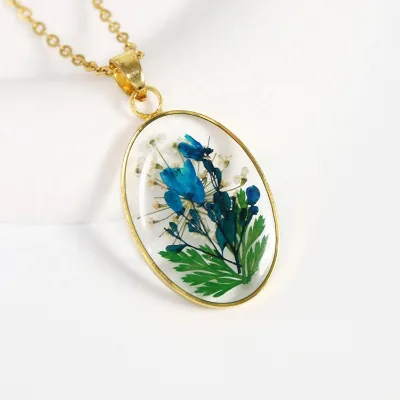
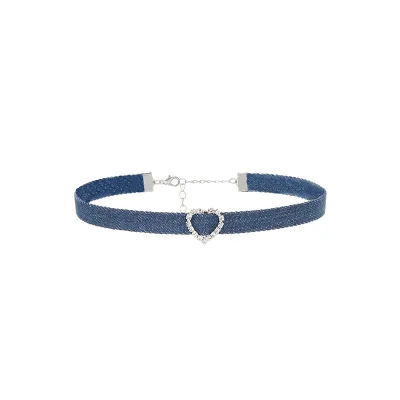



Comprehensive Sourcing Guide
Strategic Sourcing Guide for Transparent Resin Necklaces
Understanding Product Specifications and Material Variations
When sourcing transparent resin necklaces, buyers must first navigate the diverse landscape of material compositions and physical specifications available in the global market. The core keyword "Transparent Resin Necklace" often implies a specific aesthetic, yet the underlying construction varies significantly between suppliers. Based on observed product data, the term "Resinous" is explicitly cited as a primary material category, indicating the use of polymer-based substances that can be molded into clear or semi-clear forms. However, it is critical to distinguish between pure resin components and composite structures where resin is combined with other materials such as alloy or sterling silver.
The physical dimensions of these necklaces are not standardized. Data indicates that length specifications can vary, with observed measurements including 40cm and 45cm options. This variability suggests that buyers should treat length as a customizable parameter rather than a fixed attribute. Similarly, the pendant shape is a significant differentiator. Market observations reveal a wide array of shapes including cross, round, flower, and square designs. This diversity allows for extensive customization, which is often a primary driver for B2B procurement in the fashion and promotional sectors.
The plating and finishing processes further define the product's visual identity. While the core material may be resin, the metal components attached to the chain or pendant often undergo various plating treatments. Observed plating types include copper, anti-silver, platinum, rhodium, and silver. The choice of plating directly impacts the perceived value and durability of the jewelry. For instance, rhodium plating is often associated with higher durability and a brighter finish, whereas copper plating may serve as a base layer. Buyers must verify the specific plating requirements for their target market, as "anti-silver" or "platinum" plating may carry different cost implications and regulatory requirements depending on the destination country.
Compliance Standards and Certification Verification
In the B2B jewelry sector, compliance and certification are non-negotiable elements of the procurement process. The supply chain for resin-based jewelry is subject to various international standards regarding material safety and manufacturing quality. When evaluating potential suppliers, buyers should look for explicit mentions of recognized certification bodies. Observed product data highlights "SGS" as a recurring standard, with some listings specifying "SGS CQC Approval" or simply "SGS Approval." These references indicate that the supplier has undergone third-party testing for quality and safety, which is essential for mitigating risk in international trade.
The "CQC" (China Quality Certification Centre) approval mentioned in specific product attributes suggests a focus on the Chinese market or products intended for export from China that meet domestic and international safety benchmarks. However, the presence of "SGS" alone does not guarantee that a specific batch of resin necklaces is free from harmful substances like lead or cadmium, which are common concerns in jewelry manufacturing. Buyers must verify that the certification covers the specific material composition of the resin and any metal alloys used.
Furthermore, the "Standard" attribute in product listings sometimes lists "metal, alloy" or "Customized." This ambiguity requires clarification. A "Customized" standard implies that the supplier is willing to tailor the product to meet specific regulatory requirements of the buyer's region, such as EU REACH regulations or US CPSIA standards. For transparent resin necklaces, the resin itself must be non-toxic and compliant with food-grade or skin-contact safety standards if applicable. Buyers should request test reports that specifically address the resin formulation, not just the metal plating. Relying on a general "SGS" label without requesting the specific test report for the resin material can lead to compliance failures at customs or in the retail market.
Cost Drivers and Pricing Structure Analysis
The pricing of transparent resin necklaces is influenced by a complex interplay of material costs, customization levels, and order volume. The observed price range in the market spans from $0.10 to $318.24 USD. This wide disparity indicates that the keyword "Transparent Resin Necklace" encompasses both low-cost promotional items and high-end fashion accessories. The lower end of the spectrum likely corresponds to simple alloy or resin pieces with basic plating, intended for bulk promotional use. The higher end may involve complex designs, premium materials like 925 Sterling Silver, or intricate inlay technologies.
Order Volume is a primary cost driver. The Minimum Order Quantity (MOQ) observed ranges from 2 to 1000 pieces. Suppliers with an MOQ of 1000 pieces often offer lower unit prices but require significant capital commitment. Conversely, suppliers accepting orders as low as 2 pieces may charge a premium per unit to cover setup costs. Buyers must balance their budget constraints with their inventory needs. For a new product launch, a higher MOQ might be prohibitive, whereas a mature brand might leverage volume to negotiate better rates.
Customization is another critical factor affecting cost. The product data explicitly states that "Customization: Available" and "Design: Customized" are common attributes. Customizing the pendant shape, length, plating, or packaging (e.g., "Poly Bag and Carton" vs. "1 Piece/Paper Card/Polybag") adds to the production complexity and cost. Additionally, the "Inlay Technology" such as "Circling Setting" can increase the manufacturing time and labor cost, thereby raising the final price. Buyers should request detailed cost breakdowns that separate the base material cost from the customization fees to ensure transparency in their procurement strategy.
Typical Applications and Market Segmentation
Transparent resin necklaces serve a broad spectrum of applications, driven by their versatility in style and design. The observed product attributes list "Fashion" and "Elegant" as primary styles, indicating that these items are targeted at the general consumer jewelry market. The "Decoration" usage category further supports their role as fashion accessories rather than functional tools.
One significant application segment is the promotional and corporate gifting market. The presence of "Promotional Alloy Necklace" in the product attributes suggests that these items are frequently used for branding events, trade shows, or employee gifts. The ability to customize the design and the relatively low entry MOQ for some suppliers make them ideal for companies seeking branded merchandise. The "One-Stop Solution" service mentioned in the data implies that suppliers can handle the entire process from design to shipping, which is highly valued in this sector.
Another key application is in the custom jewelry design market. The "OEM Order: Accept" attribute indicates that suppliers are equipped to manufacture designs provided by the buyer. This is crucial for boutique jewelry brands that want to create unique collections without investing in their own manufacturing facilities. The variety of pendant shapes, from crosses to flowers, allows designers to create collections that cater to specific trends or cultural preferences. The "Customized" size and length options further enhance the appeal for designers who require precise specifications for their collections.
Supplier Evaluation and Operational Capabilities
Selecting the right supplier for transparent resin necklaces requires a thorough evaluation of their operational capabilities and service offerings. The geographic origin of the products is a key factor, with "Guangzhou, China" and "Guangdong, China" being the primary locations observed. These regions are known for their robust jewelry manufacturing ecosystems, offering access to a wide range of materials and skilled labor. However, buyers should verify the specific factory location to ensure it aligns with their logistics and quality control strategies.
Service capabilities are equally important. The "One-Stop Solution" and "Shipping: by Ocean/Air/Express" attributes indicate that suppliers offer comprehensive logistics support. Buyers should assess whether the supplier can handle the specific shipping method required for their market. For example, high-value items may require express shipping to ensure security and speed, while bulk promotional items might be better suited for ocean freight to reduce costs.
The "prod_packing" attribute varies from "as Per Required" to specific formats like "Poly Bag and Carton" or "1 Piece/Paper Card/Polybag." This variability suggests that packaging is a flexible service. Buyers should confirm that the supplier can meet their specific packaging requirements, especially if they need custom branding on the packaging. The ability to customize packaging is often a differentiator in the retail market, where unboxing experiences are increasingly important.
Quality Control and Long-Term Procurement Strategy
Ensuring consistent quality is paramount when sourcing transparent resin necklaces, particularly given the variability in materials and plating. The "SGS" and "SGS CQC Approval" standards provide a baseline for quality, but buyers must implement their own quality control measures. This includes verifying the adhesion of plating, the clarity and durability of the resin, and the integrity of the inlay settings. The "Circling Setting" technology mentioned in the data requires specific attention to ensure that the stones or decorative elements are securely fixed and do not loosen over time.
Long-term procurement considerations involve building a sustainable relationship with suppliers who can scale with the buyer's growth. The "OEM Order: Accept" and "Customized" attributes suggest that suppliers are capable of adapting to changing design needs. However, buyers should establish clear communication channels and quality agreements before placing large orders. Regular audits and sample testing are essential to maintain product consistency.
Furthermore, the "Design: Customized" and "Customization: Available" attributes highlight the importance of intellectual property protection. Buyers should ensure that their designs are protected and that the supplier adheres to strict confidentiality agreements. This is particularly relevant for fashion brands that rely on unique designs to differentiate themselves in the market.
Conclusion
Sourcing transparent resin necklaces requires a nuanced approach that balances technical specifications, compliance requirements, and cost considerations. The market offers a wide range of options, from simple promotional items to high-end fashion accessories. By understanding the variations in material, plating, and customization, buyers can make informed decisions that align with their strategic goals. Verifying certifications, evaluating supplier capabilities, and implementing robust quality control measures are essential steps in building a successful supply chain. As the market continues to evolve, maintaining a focus on quality and compliance will ensure long-term success in this dynamic sector.
FAQs
What materials are used for transparent resin necklaces?
Transparent resin necklaces primarily use resinous materials, though some listings specify alloy or 925 sterling silver. Buyers should verify the specific material composition as products vary between pure resin and composite structures involving metal components.
Which pendant shapes are available for these necklaces?
Available pendant shapes include cross, round, flower, and square designs. This diversity allows for extensive customization, enabling buyers to select shapes that align with specific fashion trends or cultural preferences for their target market.
How long are the standard necklace lengths?
Observed standard lengths include 40cm and 45cm options. However, length is often treated as a customizable parameter rather than a fixed attribute, allowing buyers to request specific dimensions to meet their design requirements.
What plating options are offered for the metal parts?
Plating options include copper, anti-silver, platinum, rhodium, and silver. The choice of plating impacts the perceived value and durability, so buyers must verify specific requirements to ensure compliance with their target market's standards.
Can suppliers provide customization for these necklaces?
Yes, customization is available for design, size, and packaging. Suppliers accept OEM orders and can tailor products to meet specific regulatory requirements, making them suitable for both promotional use and unique fashion collections.
What certifications do these products typically hold?
Products often carry SGS standards, with some listings specifying SGS CQC Approval. Buyers must verify that these certifications cover the specific resin formulation and metal alloys to ensure safety compliance for international trade.
What is the typical minimum order quantity for these items?
The minimum order quantity ranges from 2 to 1000 pieces depending on the supplier. Lower MOQs may suit new product launches, while higher volumes often secure better unit prices for established brands or bulk promotional campaigns.