Source Travel Size Luxury Perfume Bottle for Cosmetics, Gifts, Personal Care
Find 30 verified options for the Travel Size Luxury Perfume Bottle from Chinese manufacturers. Buyers can compare glass types, capacities, and customization services for cosmetic and gift applications.
Key considerations
Products List


High-End Perfume Bottle Perfume Bottle Modern Spray Bottle for Perfumes
$0.25 - $0.39
MOQ: 10000 Pieces


Luxury Unique Perfume Bottles Rectangle Bottle Perfume Glass Bottles 100ml
$0.15 - $0.45
MOQ: 10000 Pieces




Comprehensive Sourcing Guide
Strategic Sourcing Guide for Travel Size Luxury Perfume Bottles
Understanding Product Specifications and Material Composition
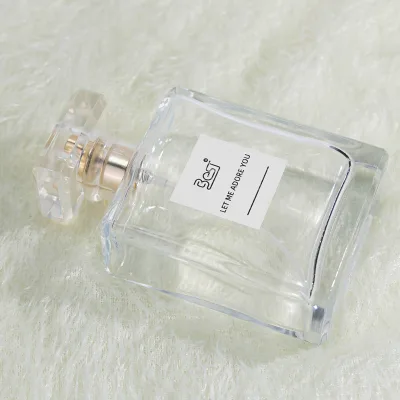
When sourcing travel size luxury perfume bottles, the primary focus must be on the material integrity and the specific design attributes that define a premium product. Based on available market data, the core component of these vessels is glass, specifically identified as "Melt Glass," which suggests a high-temperature manufacturing process essential for clarity and durability. The visual aesthetic is typically characterized by a transparent finish, allowing the fragrance color to be visible, a key requirement for luxury positioning. The structural forms observed in the market include cylindrical, square, and rectangular shapes, offering versatility for different brand identities.
A critical technical specification for travel sizes is the bottleneck design. The data indicates a prevalence of "Narrow Mouth Bottle" configurations, which are functionally superior for preventing leakage during transit and ensuring precise dispensing. The volume standards for these travel items are diverse, with observed specifications ranging from 30ml to 150ml, with specific listings for 80ml and 100ml capacities. This variability allows buyers to tailor their product lines to specific market segments, from pocket-sized samples to larger travel companions. The surface handling processes observed include screen printing and offset printing, which are standard for applying branding and decorative elements directly onto the glass surface. Additionally, hot stamping is noted as a finishing technique, often used to add metallic accents that enhance the luxury perception of the item.
The cap and closure systems are equally vital to the product's functionality and perceived value. The cap materials listed are extensive, including ABS, PP, Wooden, Surlyn, Acrylic, Plastic, Zamac, and Leather. This wide array allows for significant customization, enabling buyers to match the cap material to the brand's overall aesthetic. For instance, wooden or leather caps can convey an organic or artisanal feel, while Zamac or Acrylic might suggest a modern, high-gloss finish. The sealing type is predominantly the "Pump Sprayer," which is the industry standard for liquid perfume application. However, the customization options extend to the inclusion or exclusion of handles, with "without Handle" being a common configuration for compact travel bottles.
Compliance, Certification, and Regulatory Verification
In the realm of luxury cosmetics and personal care, regulatory compliance is not merely a formality but a fundamental requirement for market access. While specific certification names are not universally listed in the provided product attributes, buyers must rigorously verify that suppliers adhere to international safety standards for glass packaging and cosmetic containers. The primary concern is the chemical stability of the glass and the safety of the cap materials in contact with alcohol-based fragrances.
Buyers should request documentation confirming that the glass meets relevant food-grade or cosmetic-grade safety standards, ensuring no leaching of harmful substances occurs. For the cap materials, particularly those involving plastics like ABS or PP, verification of compliance with regulations such as FDA (USA) or EU Framework Regulation (EC) No 1935/2004 is essential. These regulations ensure that materials in contact with food or cosmetics do not transfer harmful constituents to the product. Furthermore, if the product involves printed surfaces, the inks used for screen or offset printing must be non-toxic and compliant with relevant environmental and safety directives.
The "Standard Export Carton" and "Paper Dividers" mentioned in the packaging attributes indicate a focus on protection during shipping, but buyers must also ensure that the packaging materials themselves are sustainable or recyclable, as this is increasingly a requirement for luxury brands aiming to meet corporate social responsibility goals. The "Export Standard Packaging" suggests that the supplier is accustomed to international logistics, but the buyer must verify that the packaging meets the specific humidity and shock resistance requirements of the destination market. Without specific certification data in the source material, the procurement strategy must prioritize asking suppliers for their Quality Management System (QMS) certifications, such as ISO 9001, and specific material safety data sheets (MSDS) for all components.
Cost Drivers and Pricing Dynamics
The pricing structure for travel size luxury perfume bottles is influenced by a complex interplay of material costs, customization levels, and order volume. The observed price range in the market spans from $0.01 to $2.00 USD per unit. This wide variance is not indicative of a single product tier but rather reflects the cumulative cost of the base glass, the cap material, and the finishing processes. A bottle with a simple glass body and a basic plastic cap will sit at the lower end of this spectrum, while a unit featuring a wooden or leather cap, intricate screen printing, and hot stamping will command a price closer to the upper limit.
Volume is the most significant driver of unit cost. The data presents a notable discrepancy in Minimum Order Quantity (MOQ) requirements, ranging from as low as 1 unit to as high as 20,000 units. Some listings indicate an MOQ of 10,000 or 20,000 pieces, which is typical for glass manufacturing due to the high setup costs for molds and printing plates. However, other entries suggest an MOQ of 500 pieces, which may apply to stock items or suppliers with more flexible production lines. Buyers must understand that ordering below the standard MOQ often incurs a significant premium per unit or requires the payment of a mold fee.
Additional cost factors include the complexity of the surface handling. Offset printing and hot stamping are more expensive than standard screen printing due to the precision and equipment required. The choice of cap material also drastically impacts the final price; Zamac and leather are significantly more costly than ABS or PP. Furthermore, the "Customized Service" and "OEM, ODM" capabilities imply that unique designs will carry a higher development cost. Buyers should also account for the "Delivery" lead time, which is noted as 20 days in some contexts. Longer lead times may allow for better pricing, whereas expedited shipping or rush orders will likely increase the overall cost. The "Sample" availability is noted as free, which is a standard practice that allows buyers to validate quality before committing to large orders, though shipping costs for samples are typically borne by the buyer.
Typical Applications and Market Usage
The primary application for these travel size luxury perfume bottles is within the cosmetics and personal care industry. The specific usage categories identified include perfume, cosmetics, and gifts. The "Daily Use" classification suggests that these bottles are designed for frequent handling, requiring durability and a tactile feel that aligns with luxury expectations. The "Gifts" application is particularly relevant for travel sizes, as brands often use them as promotional items, sample kits, or exclusive gifts for loyal customers.
The versatility of the product shapes and materials allows for broad application across different brand strategies. The cylindrical and square shapes are classic choices for traditional luxury brands, while rectangular designs might appeal to more modern or minimalist aesthetics. The ability to customize the logo through printing and hot stamping makes these bottles ideal for private label services, where brands can create a unique identity without developing a product from scratch. The "Customized Service" attribute confirms that suppliers are equipped to handle bespoke requirements, such as specific volume capacities or unique color treatments, which is crucial for brands looking to differentiate themselves in a crowded market.
The "Industrial Use" is listed as "Cosmetic," reinforcing that these products are intended for commercial distribution rather than industrial or laboratory use. The "Holographic Eyelash Box Packaging" mentioned in the data, while distinct from the bottle itself, indicates that suppliers often offer complementary packaging solutions. This suggests a potential for bundled procurement, where buyers can source both the perfume bottle and the outer packaging from a single supplier, streamlining the logistics and ensuring design consistency. The "Paper Type: Cardboard" and "Materials: 1200g Cardboard+Art Paper" details highlight the importance of high-quality secondary packaging in the luxury segment, where the unboxing experience is as critical as the product itself.
Supplier Evaluation and Selection Criteria
Selecting the right supplier for travel size luxury perfume bottles requires a meticulous evaluation process that goes beyond price comparison. The first step is to verify the supplier's capability to handle the specific customization requirements. The data indicates that "Customization" is available and "OEM, ODM" is accepted, but buyers must confirm the extent of these services. Can the supplier create a new mold for a unique shape? Do they have the equipment for high-precision hot stamping and offset printing? The presence of "Customized Service" suggests flexibility, but the buyer must assess the supplier's technical capacity to deliver on complex requests.
The production capacity and lead time are critical factors. With an observed lead time of 20 days and varying MOQs, buyers need to ensure the supplier can meet their volume requirements within their desired timeline. A supplier with a high MOQ of 20,000 pieces may not be suitable for a startup brand with limited capital, whereas a supplier with an MOQ of 500 pieces might be more appropriate. The "Delivery" method, which includes "by Ship, Air, Courier," offers flexibility, but buyers must evaluate the reliability and cost-effectiveness of these logistics options.
Quality control is another essential criterion. The "Surface Handling" processes like screen printing and offset printing must be consistent and free from defects. Buyers should request samples to evaluate the print quality, the fit of the cap, and the overall finish of the bottle. The "Sample: Samples Are Free" attribute is a positive indicator, suggesting that the supplier is confident in their product quality. However, buyers should also inquire about the supplier's internal quality control procedures, such as inspection protocols for glass defects, cap functionality, and packaging integrity. The "Standard Export Carton" and "Paper Dividers" indicate a focus on protection, but buyers should verify that the packaging is robust enough to prevent breakage during long-distance shipping.
Quality Control and Long-Term Procurement Considerations
Ensuring consistent quality in travel size luxury perfume bottles requires a robust quality control (QC) framework. Given the fragility of glass and the precision required for pump mechanisms, QC must address multiple stages of the production process. Visual inspection is necessary to check for bubbles, scratches, or imperfections in the glass surface. Dimensional checks are crucial to ensure that the bottleneck and cap threads align perfectly, preventing leaks. The "Weight: <0.5 kg" specification provides a baseline for mass verification, which can be used to detect inconsistencies in glass thickness or material density.
For long-term procurement, buyers should establish a partnership based on reliability and scalability. The "OEM, ODM" acceptance suggests that suppliers are willing to grow with the brand, but buyers must ensure that the supplier can maintain quality standards as order volumes increase. The "Customized Service" and "Other Service" attributes indicate a willingness to adapt, but buyers should formalize these expectations in a contract. Regular audits of the supplier's facilities and processes can help identify potential issues before they impact production.
Sustainability is becoming a key consideration in long-term procurement. Buyers should inquire about the recyclability of the glass and the environmental impact of the cap materials. The "Paper Type: Cardboard" and "Standard Export Carton" suggest a focus on paper-based packaging, which is generally more sustainable than plastic alternatives. However, buyers should verify the source of the paper and the adhesives used to ensure they meet environmental standards. The "Delivery: 20days" lead time should be factored into the supply chain planning to avoid stockouts, especially for seasonal product launches.
In conclusion, sourcing travel size luxury perfume bottles involves a careful balance of technical specifications, cost management, and supplier reliability. By leveraging the available data on materials, customization options, and market standards, buyers can make informed decisions that align with their brand's luxury positioning and operational requirements. The key is to maintain a rigorous approach to quality control and to build relationships with suppliers who can deliver consistent, high-quality products that meet the evolving demands of the luxury cosmetics market.
FAQs
What materials are used for the bottle and cap?
The bottle is made of transparent melt glass, while caps can be ABS, PP, wood, leather, or acrylic. This variety allows customization to match brand aesthetics, with narrow mouth designs ensuring leak prevention during travel.
Can I get free samples before placing a large order?
Yes, free samples are available for evaluation before committing to bulk purchases. However, buyers typically cover shipping costs for these samples, which helps validate print quality and cap functionality prior to production.
What is the minimum order quantity for these glass bottles?
Minimum order quantities vary significantly, ranging from 500 pieces for stock items up to 20,000 pieces for custom molds. Buyers should verify specific MOQ requirements with suppliers as this impacts unit pricing and production scheduling.
How are the bottles sealed and what printing options exist?
Bottles are sealed using pump sprayers to ensure precise application. Surface handling includes screen printing, offset printing, and hot stamping, allowing for logo application and decorative metallic accents on the glass surface.
What packaging standards are used for export shipping?
Products use standard export cartons with paper dividers and pallets to prevent breakage during transit. This packaging ensures the glass bottles arrive safely, meeting international logistics requirements for fragile cosmetic items.
Which shapes and volumes are available for travel sizes?
Available shapes include cylinder, square, and rectangle, with volumes ranging from 30ml to 150ml. Specific listings show 80ml and 100ml options, providing flexibility for different brand identities and travel needs.
Is customization service available for private label brands?
Customized service and OEM/ODM options are accepted for private label needs. Suppliers can adjust shapes, colors, and printing methods, though unique designs may require higher order volumes or additional development costs.