Find Travel Sun Hat for Sports, Outdoor, and Travel
Source 30 Travel Sun Hat options from verified suppliers in China. Compare materials like straw and cotton, customization features, and MOQs for sports, outdoor, and travel needs.
Key considerations
Products List
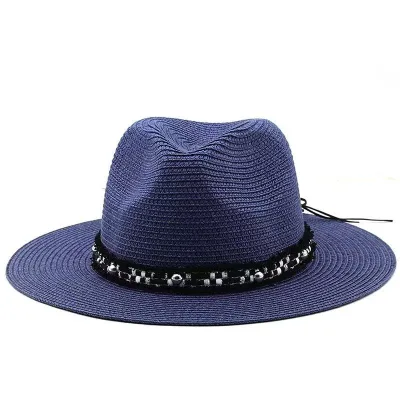


Custom Summer Wide-Brimmed UV Protection Sun Hat Outdoor Hiking Fisherman's Hat
$2.00 - $2.50
MOQ: 100 Pieces
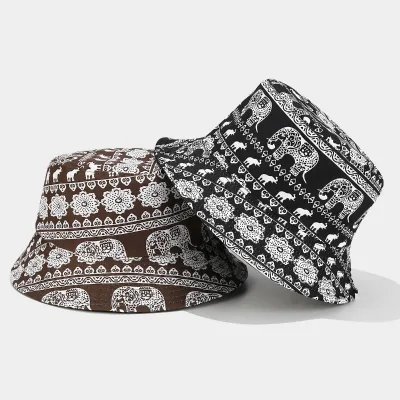


Comprehensive Sourcing Guide
Strategic Sourcing Guide for Travel Sun Hats
Understanding Product Variants and Core Specifications
The global market for travel sun hats offers a diverse array of options tailored to specific functional needs, ranging from lightweight foldable designs to structured protective headwear. When sourcing these items, buyers must first distinguish between the primary material compositions observed in current listings. The supply chain features distinct categories based on raw inputs, including straw, 100% cotton, polyester/cotton blends, and velvet. Each material dictates the hat's performance profile, durability, and suitability for different travel environments. For instance, straw variants are frequently highlighted for their lightweight and breathable characteristics, making them ideal for summer outdoor activities, while cotton and blend options often prioritize breathability and comfort for extended wear.
A critical aspect of specification analysis involves the structural design elements, specifically the presence or absence of a crown and brim. The market data indicates a split between hats with a crown, such as the "Lady Straw Hat" and "Beach Hat" models, and specific designs like the "Straw Sun Hat Without Crown." The brim is another defining feature, with many products explicitly listed as "With Brim" to offer essential sun protection. Size specifications vary significantly across the inventory, ranging from child-specific dimensions of 45-50cm to adult sizes spanning 51-55cm and 57-59cm. Furthermore, the "Straw Sun Hat Without Crown" and other models offer customized sizing, allowing procurement teams to align inventory with specific demographic requirements.
The following table summarizes the observed structural and material variations to assist in initial filtering:
| Feature Category | Observed Variations | Typical Application Context |
|---|---|---|
| Material | Straw, 100% Cotton, Polyester/Cotton, Velvet | Straw for summer/outdoor; Cotton for breathability; Velvet for fashion; Blends for durability |
| Structure | With Crown, Without Crown, With Brim | Crowned hats for formal or structured travel; Brimmed hats for sun protection |
| Size Range | 45-50cm (Children), 51-55cm (Standard), 57-59cm (Adult), Customized | Matching target user demographics or custom orders |
| Style | Striped, Fruit Design, Customized, Plain Dyed | Fashion-forward travel, promotional items, or generic utility |
| Special Features | Lightweight, Foldable, Washable, Sun Protection, Breathable | High-utility travel, sports, and outdoor activities |
Compliance, Certification, and Safety Standards
When evaluating travel sun hats for international distribution, compliance and safety standards are paramount, though the specific regulatory landscape depends heavily on the destination market. The supplied data includes a reference to the standard EN 13758-2, which is associated with headgear. However, buyers must exercise caution and verify the applicability of this standard to their specific product category and target region, as standards evolve and may not apply universally to all hat types. It is essential to confirm whether the supplier has undergone any specific testing procedures relevant to the intended market, such as fire safety or chemical restrictions.
Chemical safety is a notable area of concern in textile and hat manufacturing. One specific listing explicitly states "Without Ethylene Oxide Sterilization," indicating that some suppliers differentiate their products based on sterilization methods. Ethylene oxide is a common sterilizing agent that can leave residues, so verifying the absence of this chemical or ensuring compliance with maximum residue limits is a critical step for buyers targeting health-conscious markets. Additionally, the "standard" attribute in the product data is listed as "customized" or "600g" in some instances, suggesting that weight specifications and general standards are often negotiated rather than fixed. Buyers should request specific test reports regarding fabric composition and chemical safety rather than relying on general claims.
Certification verification should extend beyond the product itself to the manufacturing process. While the data mentions "OEM: Yes" for certain models, indicating the capability for Original Equipment Manufacturing, this does not inherently imply third-party certification of the factory or the production line. Procurement teams must explicitly ask for documentation regarding the production environment, including any relevant ISO certifications or factory audit reports that confirm adherence to labor and environmental standards. The absence of explicit certification data in the provided list underscores the need for due diligence; buyers should not assume compliance based on the product description alone.
Cost Drivers and Pricing Dynamics
The pricing structure for travel sun hats is influenced by a complex interplay of material costs, customization levels, and order volume. The observed price range in the market spans from $0.50 to $7.90 USD, reflecting the vast difference between basic, mass-produced items and premium, highly customized designs. The lower end of this spectrum likely corresponds to simple straw or cotton hats with minimal processing, while the higher end may include complex designs, specific branding, or specialized materials like velvet.
Order Volume is a primary driver of unit cost, with the Minimum Order Quantity (MOQ) ranging widely from 10 units to 3000 units. This variance suggests that suppliers cater to different buyer profiles, from small boutique retailers to large-scale corporate buyers. For example, some listings indicate an MOQ of 100, while others require 1000 units. Buyers must balance their budget constraints against the need for inventory depth. Smaller MOQs allow for lower capital risk but often come with higher per-unit costs. Conversely, larger orders typically secure better pricing but require significant upfront investment and storage capacity.
Customization is another significant cost factor. The data confirms that "Customization: Available" and "Design: Fruit or Customized" are common features. Custom designs, including specific patterns, logos, or unique shapes, generally incur additional tooling or setup fees. The "Pattern Technology" is listed as "Plain Dyed" or "as Customized," implying that complex dyeing or printing processes will increase the base price. Furthermore, the "prod_packing" varies from simple polybags to bulk cartons (e.g., 24PCS/Ctns), and custom packaging solutions will add to the overall cost. Buyers should request detailed breakdowns of costs to understand the premium associated with specific customization requests versus standard stock items.
Typical Applications and User Demographics
Travel sun hats serve a wide array of applications, driven by the specific needs of the end-user. The "Hat Occasion" attribute highlights key use cases including Sports, Outdoor, and Travel. These categories demand hats that are not only protective but also functional. For sports and outdoor activities, features like "Foldable," "Washable," and "Lightweight" are critical. A foldable hat is essential for travelers with limited luggage space, while washability ensures the hat remains hygienic after exposure to sweat or dust during active use.
The "Applicable User" field provides insight into target demographics, ranging from "Children" to "Generic" and "Unisex" users. This indicates that the market supports a broad spectrum of buyers. Children's hats often require specific sizing (45-50cm) and durable materials that can withstand rough handling. Unisex and generic models are designed for broader appeal, often featuring neutral styles like "Striped" or "Colourful" designs. The "Season" attribute is predominantly "Summer," aligning with the primary function of sun protection during warmer months. However, the versatility of materials like cotton and polyester blends may extend the usability of these hats into transitional seasons.
Specific product models further illustrate these applications. The "Airplane Bedding Camping Decorative Hotel-050P" suggests a niche market for hospitality and travel accessories, where aesthetics and comfort are paramount. Similarly, the "Protection UV Hat" series explicitly targets sun protection needs, making it suitable for beach vacations or high-altitude travel. Buyers should align their procurement strategy with the specific occasions their customers frequent, ensuring the selected hats possess the necessary features for those environments.
Supplier Evaluation and Origin Analysis
Evaluating suppliers requires a focus on geographic origin and production capabilities. The data identifies specific production hubs, including Jinhua, Zhejiang, and Yiwu, Zhejiang, as well as general origins in China. These regions are known for their robust manufacturing ecosystems, particularly in textiles and accessories. Jinhua and Yiwu are significant centers for small commodity exports, suggesting a high volume of suppliers capable of handling both small and large orders.
When assessing a supplier, buyers should verify their capacity for customization. The "prod_standard: customized" and "Style: as Customized" attributes indicate that many suppliers are flexible. However, flexibility does not guarantee quality. Buyers must inquire about the supplier's history with similar customization projects, their ability to meet specific design requirements, and their track record for on-time delivery. The "OEM: Yes" attribute confirms that suppliers are willing to produce private-label goods, but this should be accompanied by a clear understanding of the intellectual property protections and quality control measures in place.
Supplier reliability can also be gauged by their packaging and logistics capabilities. The "prod_packing" options, such as "1PC/Polybag" or "24PCS/Ctns," suggest varying levels of readiness for shipment. A supplier offering robust bulk packaging may be better suited for large orders, while those offering individual polybagging might be more appropriate for retail-ready products. Additionally, the "Lead Time" is not explicitly provided in the data, so buyers must directly negotiate this metric. A reliable supplier should provide clear timelines for production, sampling, and shipping, especially when dealing with customized orders that may require additional processing time.
Quality Control and Long-Term Procurement Strategy
Implementing a rigorous quality control (QC) process is essential for maintaining brand integrity in the Travel Sun Hat sector. Given the variability in materials and construction, buyers should establish clear acceptance criteria before production begins. Key QC checkpoints include verifying material composition (e.g., ensuring 100% cotton or specific straw types), checking stitching quality, and confirming the accuracy of size specifications. The "Special Features" such as "Sun Protection" and "Breathable" should be validated through physical testing or supplier-provided test reports, as these claims directly impact product performance.
Long-term procurement considerations involve building a sustainable supply chain that can adapt to changing market demands. This includes diversifying suppliers to mitigate risk, particularly given the concentration of origins in specific Chinese provinces. Buyers should also consider the environmental impact of their sourcing decisions, especially regarding material sourcing and waste management in packaging. The "Without Ethylene Oxide Sterilization" note highlights a growing awareness of chemical safety, which should be a standard requirement in long-term contracts.
Furthermore, buyers should plan for scalability. The wide range of MOQs (10-3000) allows for a phased approach to inventory building. Starting with smaller orders to test market response and then scaling up to larger volumes can optimize cash flow. However, as order volumes increase, buyers should negotiate better pricing and prioritize suppliers with the capacity to handle large-scale production without compromising quality. Establishing a long-term partnership with a supplier who understands the brand's specific requirements for travel sun hats can lead to improved communication, faster turnaround times, and consistent product quality.
In conclusion, sourcing travel sun hats requires a balanced approach that considers technical specifications, compliance, cost dynamics, and supplier capabilities. By leveraging the observed data and conducting thorough due diligence, buyers can build a resilient supply chain that meets the diverse needs of the travel and outdoor markets.
FAQs
What materials are available for travel sun hats?
Travel sun hats are available in straw, 100% cotton, polyester/cotton blends, and velvet. Buyers can select based on desired breathability, durability, or fashion needs, with straw often preferred for summer outdoor activities.
Which hat sizes are offered for different users?
Sizes range from 45-50cm for children to 51-55cm and 57-59cm for adults, with customized sizing also available. This ensures a proper fit for various demographics, including specific needs for children or generic unisex users.
Can I order travel sun hats with custom designs?
Yes, customization is available for design, style, and pattern technology. Suppliers offer options like fruit designs, striped patterns, or fully customized requests, allowing buyers to tailor products to specific branding or aesthetic requirements.
What are the minimum order quantities for these hats?
Minimum order quantities vary significantly, ranging from 10 units up to 3000 units depending on the supplier. Some listings specify an MOQ of 100 or 1000, so buyers must check specific supplier terms to align with their budget.
How are the hats packed for shipment?
Packing options include individual polybags, OPP bags, or bulk cartons containing 24 pieces per carton. The specific packing method depends on the product model and supplier capabilities, ensuring protection during transit.
Are these hats suitable for sports and outdoor travel?
Yes, many models are designed for sports, outdoor activities, and travel with features like being lightweight, foldable, and sun-protective. These attributes make them ideal for summer use and active environments requiring breathability and comfort.