Source Travel Skin Care Shampoo Bottle for Hotels, Airports, and Spas
Find and compare 30 Travel Skin Care Shampoo Bottle options from China. These refillable, PP plastic containers feature pump closures and customizable finishes, ideal for hotel amenities, personal care kits, and cosmetic packaging applications.
Key considerations
Products List


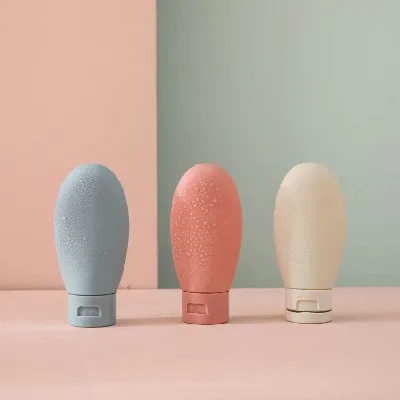
100ml/120ml Pet Plastic Bottles for Hair Care Shampoo Conditioner Travel Bottle
$0.03 - $0.30
MOQ: 10000 Pieces
Comprehensive Sourcing Guide
Travel Skin Care Shampoo Bottle Sourcing Guide
Procuring travel-sized shampoo bottles requires a strategic approach that balances portability with structural integrity, ensuring the packaging survives the rigors of transit while maintaining product freshness. The observed market data indicates a diverse range of options, from rigid plastic containers designed for hotel amenities to refillable units tailored for personal care brands. Buyers must navigate a landscape where materials like Polypropylene (PP) are standard, offering a balance of durability and lightweight characteristics essential for travel applications. The presence of specific model numbers such as YG-B28 and YG-B34 suggests that manufacturers offer distinct form factors, necessitating careful selection based on the intended volume and dispensing mechanism.
The commercial viability of these products often hinges on the customization capabilities of the supplier, particularly regarding branding and functional features. Listings reveal that customization is widely available, allowing for specific color schemes, logo printing, and surface finishes ranging from matte to glossy. This flexibility is critical for brands aiming to differentiate their travel kits, yet it introduces complexity in the sourcing process. Buyers must clearly define their requirements for features like pump-on closures or twist caps to ensure the final product aligns with user expectations for ease of use in confined spaces like hotel bathrooms or carry-on luggage.
Product Scope and Observed Listing Signals
The product scope for travel skin care shampoo bottles encompasses a variety of industrial uses, primarily targeting the household and personal care sectors. Observed listings highlight applications ranging from hotel amenity sets containing shampoo, bath gel, and conditioner to standalone units for hand sanitizer and body lotion. The materials identified are predominantly plastic, with specific mentions of PP types that are non-toxic, odorless, and corrosion-resistant. This material profile is essential for containing cosmetic formulations without reacting with the contents, ensuring the safety and stability of the product during storage and transport.
Listing signals indicate a strong emphasis on travel-friendly attributes, with many products described as refillable to support sustainability goals. The packaging formats vary from individual bottles packed in OPP bags to larger carton shipments, and in some cases, wooden cases for specialized orders. The observed price range of $0.03 to $4.98 reflects the diversity in scale and complexity, from simple 30ml hotel amenities to larger, customized containers. Buyers should note that while some listings specify "Hotel Amenity Set" components, the core product remains the bottle itself, which serves as the vessel for various liquid personal care items.
Technical Specifications to Verify
Verifying technical specifications is paramount when selecting a travel shampoo bottle, as the physical dimensions and closure mechanisms directly impact user experience. Key specifications to confirm include the model number, such as YG-15113 or WZT-260, which often dictate the specific shape, size, and capacity of the container. The observed data points to standard sizes like S, M, and L, with lengths varying between normal and lengthened profiles. Buyers must ensure the selected model matches the intended volume, whether it is a compact 30ml unit for hotel use or a larger 300ml to 1000ml option for retail travel kits.
The closure type and sealing method are critical technical factors that prevent leakage during transit. Listings frequently mention pump-on closures and twist caps, which offer different dispensing experiences and security levels. For travel applications, a secure seal is non-negotiable to avoid spills in luggage. Additionally, the surface finish, which can be glossy or matte, affects both the aesthetic appeal and the tactile feel of the bottle. Buyers should verify that the chosen surface treatment is compatible with the printing methods required for their branding, ensuring that logos and instructions remain legible and durable.
Compliance and Safety Documentation
Compliance and safety documentation for travel shampoo bottles must address the material safety and environmental impact of the packaging. The supplied facts indicate that the plastic materials used are non-toxic and odorless, which are baseline requirements for products intended for personal care. However, buyers should request specific test reports confirming that the materials meet international safety standards for cosmetic packaging, particularly regarding the migration of chemicals into the product. The mention of "Eco-Friendly" and "Biodegradable" attributes in some listings suggests a growing market demand for sustainable options, but these claims require verification through recognized environmental certifications.
Safety documentation should also cover the integrity of the sealing methods to ensure the product remains sterile and uncontaminated. For hotel amenities and travel kits, the risk of leakage or tampering is a significant concern, making the verification of the twist cap or pump-on closure mechanisms essential. Buyers must ensure that the supplier provides evidence of the bottle's ability to withstand pressure changes and temperature fluctuations typical of air travel. While specific standards are not universally listed in the provided data, the expectation is that all products will adhere to general safety protocols for cosmetic containers, protecting both the consumer and the brand reputation.
Cost Drivers and Commercial Terms
Cost drivers for travel shampoo bottles are influenced by the level of customization, material quality, and order volume. The observed MOQ range of 10 to 30,000 units indicates that suppliers cater to both small-batch startups and large-scale manufacturers. Higher customization levels, such as specific colors, logo printing, and unique surface finishes, typically increase the unit cost. Additionally, the choice of material, such as high-grade PP versus standard plastic, and the complexity of the closure mechanism, like a pump versus a simple cap, will significantly impact the final price. Buyers must balance these factors against their budget constraints to achieve the desired product quality.
Commercial terms, including lead times and packaging logistics, play a crucial role in the overall procurement strategy. Sample times are noted as 3-5 days, which allows for rapid prototyping and design validation before full-scale production. However, the lead time for mass production can vary based on the order size and the complexity of the customization. Packaging options range from OPP bags to cartons and wooden cases, each affecting the shipping cost and handling requirements. Buyers should negotiate clear terms regarding payment schedules, shipping responsibilities, and the handling of defects to mitigate financial risks associated with the procurement process.
Supplier Qualification and Quality Control
Supplier qualification for travel shampoo bottles requires a thorough assessment of their manufacturing capabilities and quality control systems. The observed data points to suppliers located in Zhejiang, China, a region known for its robust manufacturing infrastructure. Buyers should verify the supplier's experience in producing cosmetic packaging, specifically their ability to handle the specific model numbers and customization requests observed in the market. It is essential to confirm that the supplier has a proven track record of delivering products that meet the specified material and functional requirements, such as the non-toxic and corrosion-resistant properties of the plastic.
Quality control measures must be rigorous to ensure consistency across large production runs. Buyers should inquire about the supplier's inspection protocols, including checks for surface defects, closure integrity, and labeling accuracy. The ability to support both OEM and ODM customization suggests that the supplier has the flexibility to adapt to specific brand needs, but this also requires a robust quality assurance framework. Establishing a clear communication channel for quality feedback and implementing pre-shipment inspections can help ensure that the final products meet the buyer's expectations for durability and aesthetics.
Long-Term Procurement Checks
Long-term procurement checks for travel shampoo bottles involve monitoring the supplier's ability to maintain consistent quality and supply stability over time. As market trends shift towards more sustainable and refillable options, buyers must ensure that their suppliers can adapt to these changes without compromising on product performance. The observed features like "Refillable" and "Eco-Friendly" suggest a future-oriented market, and suppliers who can innovate in these areas will be valuable partners. Regular audits of the supplier's production lines and material sourcing practices can help identify potential risks and ensure compliance with evolving environmental regulations.
Continuous evaluation of the commercial relationship is also necessary to optimize costs and terms. Buyers should periodically review the pricing structure and MOQ requirements to ensure they remain competitive and aligned with market conditions. The ability to scale production up or down based on demand is a critical factor for long-term success, especially for brands with fluctuating sales volumes. By maintaining a proactive approach to supplier management and staying informed about industry developments, buyers can secure a reliable supply chain that supports their growth and brand objectives in the travel and personal care sectors.
FAQs
What materials are used for travel skin care shampoo bottles?
These bottles are primarily made from PP plastic, which is non-toxic, odorless, and corrosion-resistant. The material ensures durability and safety for personal care applications. Some listings also indicate biodegradable options for eco-friendly sourcing needs. The plastic type supports various finishes and customization requirements for brand identity.
Can I customize the appearance of these shampoo bottles?
Yes, customization is available for colors, logo printing, and surface finishes. Buyers can choose between matte or glossy finishes to match their brand aesthetic. The product supports OEM and ODM services to create unique packaging solutions. This flexibility allows for tailored designs that stand out in the market while maintaining functional integrity.
What is the typical MOQ for these travel bottles?
The MOQ varies by supplier, with observed ranges from 10 to 30,000 units. Specific listings indicate an MOQ of 5,000 pieces for certain models. Buyers should verify the exact minimum order quantity with the supplier before proceeding. Lower MOQs may be available for standard items, while custom designs often require higher volumes.
Which models are available for hotel amenity sets?
Available models include YG-B28, YG-B34, YG-B33, YG-15113, YG-B23, and WZT-260. These models support various applications such as shampoo, shower gel, and lotion. Some sets include items like 30ml bottles for hotel amenities. The models are designed for household and personal care use with refillable features.
How are these bottles packaged for shipping?
Bottles are typically packed in OPP bags and then placed in cartons. Some larger orders or specific models may be packed in wooden cases for added protection. The packaging ensures safe transit and minimizes damage during shipping. Buyers should confirm the packing method with the supplier to ensure it meets their logistics requirements.
What is the sample time for these products?
The sample time is generally 3-5 days for standard models. This allows buyers to evaluate quality and design before placing a bulk order. Custom samples may take longer depending on the complexity of the customization. Buyers should request samples early in the sourcing process to verify product suitability.