Source Truck Bar and Plate Water Pump Outlet for Heavy Duty, Mining, and Logistics
Find 30 listings for the Truck Bar and Plate Water Pump Outlet from verified suppliers. Buyers can compare specifications, certifications, and pricing for direct-flow radiators and water pumps used in heavy-duty trucks, mining equipment, and logistics fleets.
Key considerations
Products List


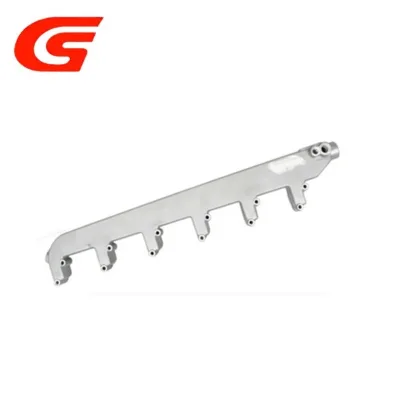
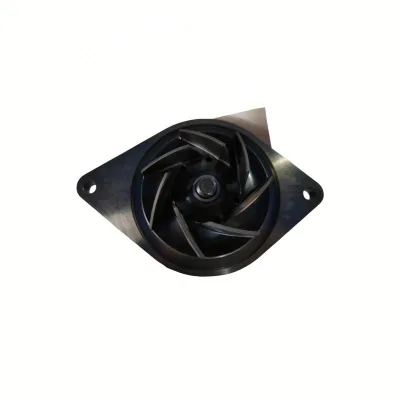
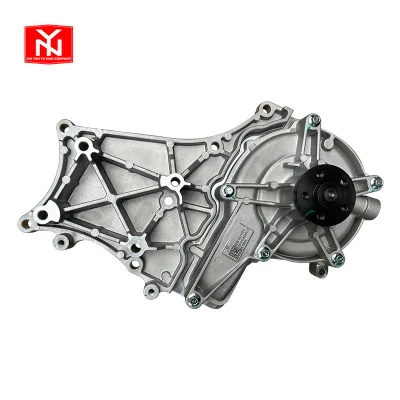
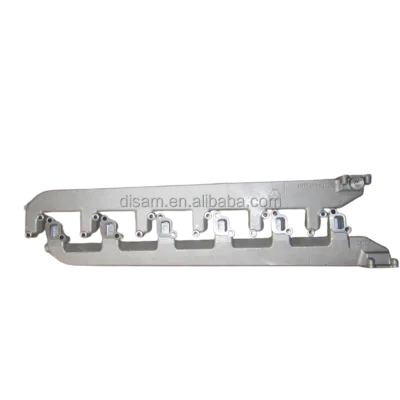
Truck Parts Outlet Auto Water Pump for Trucks OE Number 7c4957 9n5035
$146.00 - $150.00
MOQ: 10 Pieces







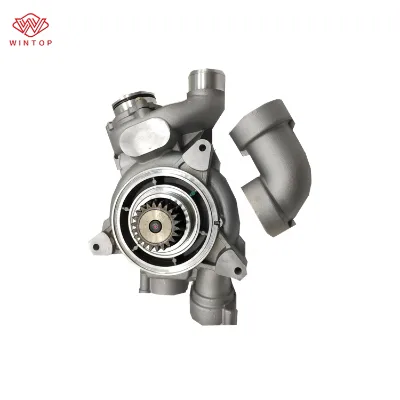


Hydraulic Oil Cooler with Flange Inlet and Outlet Plate Fin Heat Exchanger
$256.00 - $278.00
MOQ: 1 Pieces
Comprehensive Sourcing Guide
Strategic Sourcing Guide for Truck Bar and Plate Water Pump Outlets
Understanding Technical Specifications and Component Architecture
When sourcing a Truck Bar and Plate Water Pump Outlet, the primary objective is to identify components that align with the specific thermal management requirements of heavy-duty commercial vehicles. The core keyword indicates a specific radiator architecture known as "bar and plate," which is distinct from tube-fin designs often found in lighter applications. This construction method involves alternating layers of corrugated fins and flat tubes, creating a robust structure capable of withstanding high vibration and pressure differentials typical in truck environments.
Based on observed product attributes, the component is frequently categorized under "Truck Spare Parts" with a specific "Radiator Core Type" of "Bar and Plate." This design choice is critical for maintaining cooling efficiency in high-load scenarios. The "Water Pump" is identified as a key component within this assembly, suggesting that the outlet serves as a critical junction for fluid dynamics within the cooling system. The "Structure" of these units varies, with observations noting both "Sealed Type" and "Open Type" configurations. Buyers must verify which structure is required for their specific truck model, as a sealed unit offers different maintenance and leak-prevention characteristics compared to an open design.
The material composition is another vital technical parameter. While the general product category lists "Steel" as a primary material, specific listings for these components highlight "Aluminium" or "Aluminum" for the body material. This distinction is significant because aluminum offers superior thermal conductivity and weight reduction, which is often preferred for the radiator core and outlet housing, whereas steel may be used for structural reinforcements or mounting points. The "Technics" employed in manufacturing these parts include "Casting," a process that ensures dimensional accuracy and structural integrity for complex shapes like water pump outlets.
Furthermore, the "Cooling Fluid Type" and "Brand" are specific operational variables. Observed data indicates the use of "Alcohol" as a cooling fluid type in certain configurations, with brands such as "Great Wall" and "TOTAL" mentioned in relation to fluid compatibility. The "Water Temperature Sensor Type" also varies between "Digital Type" and "Switch Type," which impacts how the engine management system monitors and regulates temperature. A mismatch in sensor type or fluid compatibility can lead to inaccurate readings or system failure. The "Radiator Type" is specified as "Direct-flow," which implies a specific flow path design that minimizes pressure drop and maximizes heat exchange efficiency.
Compliance Verification and Certification Standards
Navigating the compliance landscape for truck spare parts requires a rigorous verification of certifications and standards. The global market for automotive components is heavily regulated, and buyers must ensure that suppliers adhere to recognized quality management systems. The supplied data highlights several key certifications, including "ISO 9001" and "TS 16949" (often referred to as TS in the data). These are not merely marketing terms but represent adherence to specific international standards for quality management and automotive production. ISO 9001 ensures a consistent quality management system, while TS 16949 is specifically tailored for the automotive industry, focusing on defect prevention, variation reduction, and continuous improvement in the supply chain.
In addition to quality management, environmental and safety certifications are increasingly important. The data lists "COP" and "ISOCE" as certifications, alongside "RoHS" and "TSCold Style:Water-cooled" in various product entries. RoHS (Restriction of Hazardous Substances) compliance is essential for ensuring that the component does not contain restricted hazardous materials, which is a legal requirement in many export markets. The presence of "COP" and "ISOCE" suggests specific regulatory approvals, though buyers should verify the exact scope of these certifications with the supplier to ensure they cover the specific product model being purchased.
The "Standard Component" status and "OEM" references, such as "3520211," indicate that these parts are designed to meet original equipment manufacturer specifications. When sourcing, buyers should cross-reference the "prod_model" numbers, such as "WP," "7c4957 9n5035," "1944842 2104575," and "22902431," against their vehicle's service manual. The "prod_standard" field often contains dimensional data like "460330270mm" or "312617.5cm," which serves as a verification point for physical fitment. It is crucial to note that while "Many" standards are listed, specific numerical standards must be confirmed for each order to avoid compatibility issues.
Cost Drivers and Pricing Dynamics in the Market
The pricing of truck bar and plate water pump outlets is influenced by a complex interplay of material costs, manufacturing complexity, and market positioning. The observed price range in the market spans from $1 to $1,650 USD, a wide variance that reflects differences in component size, material grade, and brand reputation. Lower-priced items often correspond to standard, high-volume production runs with minimal customization, while higher-priced units may involve specialized alloys, complex casting processes, or proprietary designs.
Material costs are a primary driver, particularly the price of aluminum versus steel. As noted in the product attributes, the body material is often aluminum, which is more expensive than steel but offers performance benefits. The "Technics" of casting also add to the cost; high-precision casting requires specialized tooling and quality control, which increases the unit price. Additionally, the "Cooling Fluid Brand" compatibility can influence pricing, as components certified for specific fluids like "TOTAL" or "Great Wall" may command a premium due to the testing and validation required for those specific formulations.
The "Business Type" of the supplier, described as "Factory and Trading Company," also impacts pricing. Direct factory sales often offer more competitive pricing by eliminating middlemen, whereas trading companies may add a margin for their logistics and sourcing services. The "Customization" availability is another factor; while "Customization: Available" and "Customized: Yes" are listed, custom orders typically incur higher costs due to the setup of new molds and production lines. The "Price" attribute is described as "Competitive Price," suggesting that the market is price-sensitive, and buyers should expect to negotiate based on volume and long-term partnership potential.
Typical Applications and Vehicle Compatibility
The application of truck bar and plate water pump outlets is primarily focused on heavy-duty commercial transport. The "Application" attribute is explicitly listed as "Truck," indicating that these components are designed for the rigorous demands of long-haul logistics, construction vehicles, and agricultural machinery. The "Type" is categorized as "Truck Spare Parts," reinforcing their role in maintenance and repair scenarios rather than initial assembly for consumer vehicles.
Specific model numbers such as "1353072 1450153," "3762000001," and "4222000701" suggest compatibility with a wide range of truck makes and models. Buyers must match these part numbers to their fleet's requirements to ensure proper fitment. The "Structure" variations, such as "Sealed Type" versus "Open Type," dictate the application environment. Sealed units are often preferred for modern trucks with integrated cooling systems where leak prevention is critical, while open types might be used in older models or specific industrial applications where maintenance access is prioritized.
The "Color" of the component is listed as "Silver," which is typical for aluminum radiators and outlets due to the natural finish of the metal or specific anti-corrosion coatings. This visual characteristic can help in identifying genuine parts versus counterfeit alternatives, although color alone is not a definitive quality indicator. The "Packing" methods, ranging from "Box" to "Natural Packing" and "Neutral Packing," also reflect the intended distribution channel. "Box" packing is common for retail or direct replacement, while "Natural Packing" or "Neutral Packing" is often used for bulk industrial shipments to reduce packaging costs.
Supplier Evaluation and Business Model Assessment
Evaluating a supplier for truck spare parts requires a holistic approach that goes beyond the product specifications. The "Business Type" is identified as "Factory and Trading Company," which presents a unique dynamic. A factory-based supplier offers direct control over the manufacturing process, ensuring consistency in "Technics" like casting and material selection. A trading company, on the other hand, may offer a broader range of products from multiple factories, providing flexibility in sourcing different part numbers.
Buyers should verify the "Condition" of the products, which is listed as "New." This is a critical baseline for any procurement, as used or refurbished parts may not meet the performance standards required for heavy-duty truck applications. The "Feature" attributes, including "Durable," "High Efficiency," and "Long Service Life," are claims that must be substantiated by the supplier's track record and quality control processes. While these features are listed, they should be treated as observations of the product line rather than guaranteed performance metrics for every individual unit.
The "Origin" of the products is consistently listed as "China," which is a major hub for automotive component manufacturing. Buyers should be aware of the logistical implications of sourcing from this region, including shipping times and potential tariffs. The "Standard Component" status and "OEM" references suggest that these parts are designed to replace original equipment, but buyers should confirm that the supplier has the necessary authorization or licensing to produce OEM-equivalent parts.
Quality Control and Long-Term Procurement Considerations
Ensuring the quality of truck bar and plate water pump outlets is paramount for maintaining fleet reliability. The "Quality" attribute is described as "Best Quality," but this is a general statement that requires verification through the supplier's quality control protocols. Buyers should request documentation related to the "TS 16949" and "ISO 9001" certifications to confirm that the supplier follows rigorous quality management systems. The "Certification" list, including "ISOCE," "RoHS," and "TSCold Style:Water-cooled," provides a starting point for compliance checks, but specific test reports for each batch should be requested.
Long-term procurement considerations involve establishing a relationship with a supplier who can provide consistent quality and support. The "Customization" availability suggests that suppliers are willing to adapt to specific needs, which is valuable for fleet managers with unique requirements. The "MOQ" (Minimum Order Quantity) range of 1 to 100 indicates flexibility for both small-scale repairs and large fleet replenishment. Buyers should consider the "Lead Time" and "Packing" options when planning their inventory strategy. "Box" packing is suitable for individual replacements, while "Neutral Packing" or "Netural Package" (noting the typo in the source data) is ideal for bulk storage.
The "Water Temperature Sensor Type" and "Cooling Fluid Type" compatibility are long-term operational factors. Ensuring that the sensor is the correct "Digital Type" or "Switch Type" and that the fluid is compatible with the "Great Wall" or "TOTAL" brands prevents premature failure. The "Standard" dimensions, such as "312617.5cm" or "460330270mm," must be verified against the vehicle's specifications to avoid installation issues.
Comparative Analysis of Component Variants
To assist buyers in making informed decisions, the following table summarizes the key variations observed in the product data. This comparison highlights the differences in model numbers, certifications, and structural types that are critical for selection.
| Feature Category | Variant A | Variant B | Variant C | Variant D |
|---|---|---|---|---|
| Product Model | WP | 7c4957 9n5035 | 1944842 2104575 | 22902431 |
| Radiator Core Type | Bar and Plate | Bar and Plate | Tube-fin | Bar and Plate |
| Structure | Sealed Type | Open Type | Open Type | Standard Component |
| Certification | COP, ISOCE | ISOCE, RoHS, TS | ISOCE | ISOCE, TS |
| Cooling Fluid | Alcohol (Great Wall) | Alcohol (TOTAL) | Alcohol | Alcohol |
| Sensor Type | Digital Type | Switch Type | Switch Type | Digital Type |
| Body Material | Aluminium | Aluminium | Aluminium | Aluminum |
| Packing | Box | Natural Packing | Neutral Packing | Netural Package |
| Standard | Many | 460330270mm | 312617.5cm | OEM |
This table illustrates that while the core application remains consistent, the specific technical attributes vary significantly. Buyers must carefully match these attributes to their operational needs. For instance, a fleet requiring "Tube-fin" radiators should avoid the "Bar and Plate" variants listed in Variant A, B, and D. Similarly, the choice between "Digital" and "Switch" sensor types will depend on the truck's existing engine management system.
Final Procurement Recommendations
Sourcing truck bar and plate water pump outlets requires a meticulous approach that balances technical specifications, compliance, and cost. The wide range of available models, from "WP" to "4222000701," offers flexibility but demands careful verification. Buyers should prioritize suppliers who can demonstrate adherence to "TS 16949" and "ISO 9001" standards, as these are critical for ensuring the durability and reliability of the components. The "Aluminium" body material and "Bar and Plate" core design are standard features that should be confirmed for every order.
When evaluating suppliers, consider the "Business Type" and the "Customization" capabilities. A factory-direct approach may offer better pricing and quality control, while a trading company might provide a broader selection. The "Price" range of $1 to $1,650 USD necessitates a clear understanding of the value proposition for each unit. High-cost items should be justified by superior materials, advanced certifications, or specialized customization.
Finally, long-term success in procurement depends on establishing a partnership with a supplier who understands the specific needs of the trucking industry. By focusing on "Durable," "High Efficiency," and "Long Service Life" features, and by rigorously checking certifications like "RoHS" and "ISOCE," buyers can ensure that their fleet remains operational and efficient. The "Origin" in China is a significant factor, and buyers should be prepared to manage logistics and quality assurance accordingly. With the right due diligence, the Truck Bar and Plate Water Pump Outlet can be a reliable component that supports the demanding requirements of modern heavy-duty transport.
FAQs
What certifications do truck bar and plate water pump outlets have?
These parts commonly hold ISO 9001 and TS 16949 certifications for quality management. Some listings also include COP, ISOCE, and RoHS approvals to ensure compliance with environmental and safety standards for automotive components.
Which material is used for the body of these water pump outlets?
The body material is typically aluminum, offering superior thermal conductivity and weight reduction. While steel is listed for the general category, specific product attributes highlight aluminum for the core and outlet housing construction.
Can I find customized truck bar and plate water pump outlets?
Yes, customization is available and many products are marked as customized. Buyers can request specific modifications, though custom orders may involve different lead times and pricing compared to standard OEM components.
What is the origin of these truck spare parts?
The products originate from China, which is a major hub for automotive component manufacturing. Buyers should consider logistical implications and shipping times when sourcing these parts from this specific region.
How are these water pump outlets packaged for shipment?
Packaging options include boxes, natural packing, and neutral packing depending on the order type. Box packing is common for retail replacement, while neutral or natural packing is often used for bulk industrial shipments to reduce costs.
What cooling fluid types are compatible with these units?
Observed configurations support alcohol as a cooling fluid type with brands like Great Wall and TOTAL. The system also features water temperature sensors in digital or switch types to monitor thermal performance accurately.