Source Truck Brake Master Cylinder for Trucks, Trailers, and Machinery
Explore 30 listings for the Truck Brake Master Cylinder from verified Chinese manufacturers. Buyers can compare specifications, certifications, and delivery times to find suitable components for truck trailer brake systems and general machinery parts.
Key considerations
Products List


Auto Parts Brake Master Cylinder 8943134382 Brake Master Cylinder for Isuzu
$8.00 - $8.50
MOQ: 300 Pieces


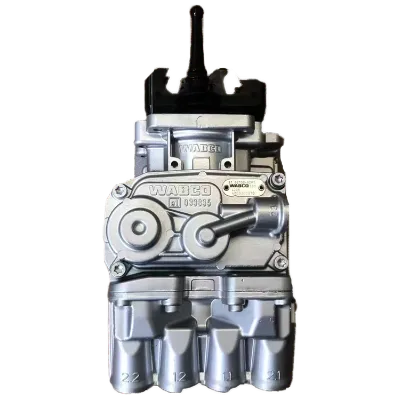


Truck Brake Part Clutch Master Cylinder 41285355 for European Truck Ivc Truck
$35.00 - $80.00
MOQ: 10 Pieces

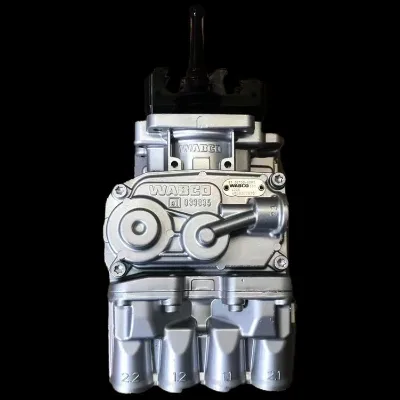
Good Quality Truck Brake Parts Clutch Master Cylinder Me670290 41600-8c600
$5.00 - $8.00
MOQ: 10 Pieces



Comprehensive Sourcing Guide
Strategic Sourcing Guide for Truck Brake Master Cylinders
Understanding Technical Specifications and Material Composition
When sourcing a Truck Brake Master Cylinder, the primary objective is to identify components that ensure hydraulic integrity under heavy load and variable operating conditions. The core technical specifications for these units often vary based on the specific truck model and the manufacturer's engineering requirements. In the current market, buyers encounter a diverse range of model numbers, such as 8943134382, 8970382480, 8943134380, and 8943134381, which indicate compatibility with various vehicle architectures. Additionally, specific part identifiers like 241-02903, 241-02904, 47160-2452, and 1-48100740-3 are frequently observed in listings for heavy-duty applications.
Material composition is a critical differentiator among available products. The supply chain offers master cylinders constructed from Steel, Aluminum, and Iron. Steel and Iron variants are often selected for their durability and resistance to high-pressure deformation, making them suitable for heavy-duty truck trailer brake systems. Conversely, Aluminum components may be preferred for applications where weight reduction is a priority without sacrificing structural integrity. The manufacturing process often involves CNC Machining, which ensures precise tolerances for the internal bore and piston fitment. This precision is vital for maintaining consistent hydraulic pressure and preventing fluid leakage. Buyers should verify that the specific unit they are sourcing matches the required material standard, such as Cast Iron, to ensure compatibility with the existing brake system architecture.
Compliance and Certification Verification
Navigating the certification landscape is essential for ensuring that a Truck Brake Master Cylinder meets international safety and quality standards. The market presents a complex array of certifications that suppliers may claim. Commonly observed certifications include ISO/TS16949, which is specifically noted for automotive usage, and IATF-ISO, reflecting adherence to international automotive quality management systems. Other significant certifications found in the sector include DOT (Department of Transportation), ISO9001, CE, HACCP, GMP, GSV, FSC, and AMECA.
It is important to note that certification claims can vary significantly between different product listings. Some entries list certifications in conjunction with specific market focuses, such as ISO/TSISOISOISOBSCI, while others may combine certifications with main market data. For a procurement specialist, the presence of ISO/TS16949 is a strong indicator of automotive-grade quality control, particularly for vehicles operating in North America, Europe, and Asia. However, buyers must verify that the certification is current and applicable to the specific batch of goods. The standard specifications for these components often reference "Standard Specifications" or specific material standards like Cast Iron. Buyers should request valid certification documents from the supplier to confirm that the product has undergone the necessary testing protocols for brake system safety.
Cost Drivers and Pricing Dynamics
The pricing structure for truck brake master cylinders is influenced by several variables, including material costs, manufacturing complexity, and order volume. The observed price range in the market spans from $1 to $299 USD. This wide disparity suggests that the market includes both basic replacement units and highly specialized, precision-engineered components. The lower end of the spectrum likely corresponds to standard, off-the-shelf parts, while the higher end may reflect custom-engineered solutions or those with advanced material properties.
Minimum Order Quantity (MOQ) is another significant factor affecting the total cost of acquisition. Listings indicate an MOQ range from 1 to 300 units, with a specific observation of 50 PCS as a common threshold. Suppliers offering an MOQ of 50 PCS may provide a balance between inventory flexibility and cost efficiency. For buyers requiring large-scale procurement, negotiating a lower unit price based on volume is a standard practice. Additionally, the customization options available, such as specific packaging or branding, can influence the final cost. Buyers should consider the total cost of ownership, which includes not only the unit price but also shipping, potential duties, and the cost of any required custom packaging, such as Wooden Packages after mandatory treatment or Neutral Packing.
Typical Applications and Market Distribution
Truck brake master cylinders are integral to the safety systems of various commercial vehicles, primarily serving truck trailer brake systems. The application scope is broad, extending to general machinery parts where hydraulic braking is required. The product attributes indicate that these cylinders are designed for the "Front" position in many configurations, though specific applications may vary. The versatility of these components allows them to be used across a wide geographic spectrum. The main markets for these products include South America, North America, Eastern Europe, the Middle East, Southeast Asia, Africa, Western Europe, Eastern Asia, Northern Europe, Oceania, Southern Europe, Central America, South Asia, and the Domestic Market.
This global distribution suggests that the supply chain is robust and capable of meeting diverse regulatory and environmental demands. For instance, a supplier targeting the North American market must comply with DOT standards, while those serving Eastern Europe may need to adhere to specific ECE regulations. The "as Picture Show" color attribute and options for Blue, Yellow, or Red painting based on drawings indicate that visual identification and customization are part of the product offering. Buyers should ensure that the selected master cylinder is compatible with the specific truck model and the regional safety regulations of the intended operating area.
Supplier Evaluation and Origin Analysis
Evaluating potential suppliers requires a careful examination of their origin and production capabilities. The primary origins for these components are identified as China, with specific hubs in Shandong and Ningbo. These regions are known for their manufacturing prowess in automotive parts. The production capabilities include CNC Machining and the ability to produce parts with specific Dy Numbers, such as Zs8557, 2273, 2270, 2277, 1271, and 2292. These identifiers can serve as a reference for tracking specific production batches or design revisions.
Suppliers also offer various packaging solutions, ranging from Carton and Plastic Bag to HD-Jkc Packages or Customer Customized Packaging. The availability of OEM (Original Equipment Manufacturer) services is a key indicator of a supplier's flexibility and capability to meet specific client requirements. When evaluating a supplier, buyers should look for evidence of their ability to handle custom orders, such as the "Available" customization status and the provision of OEM services. Furthermore, the delivery time is a critical metric; observed lead times include "with 10 Days Lf on Stock" and "7-15 Days or Discuss." Buyers should prioritize suppliers who can demonstrate a reliable track record of meeting these delivery windows, especially for urgent procurement needs.
Quality Control and Long-Term Procurement Considerations
Ensuring long-term reliability of truck brake master cylinders requires a rigorous quality control (QC) framework. The condition of the products is typically listed as "New," but this should be verified through physical inspection or third-party testing. The use of materials like Steel, Aluminum, and Iron, combined with CNC Machining, suggests a high level of precision, but ongoing QC is necessary to detect any manufacturing defects. The standard specifications often reference "Standard Specifications," but buyers should confirm that these align with their internal quality standards.
For long-term procurement, establishing a relationship with suppliers who offer consistent quality and reliable lead times is crucial. The ability to discuss delivery times and negotiate MOQs can provide flexibility in managing inventory levels. Additionally, the availability of custom packaging, such as Wooden Packages after mandatory treatment, ensures that products arrive in optimal condition, reducing the risk of damage during transit. Buyers should also consider the environmental and safety certifications, such as ISO9001 and CE, as indicators of a supplier's commitment to quality and safety. By focusing on these factors, buyers can mitigate risks and ensure a steady supply of high-quality brake master cylinders for their truck fleets.
Comparative Analysis of Product Attributes
To facilitate informed decision-making, the following table summarizes key attributes observed in the market for truck brake master cylinders. This comparison highlights the diversity in specifications, materials, and certifications available to buyers.
| Attribute Category | Observed Options | Notes for Procurement |
|---|---|---|
| Material | Steel, Aluminum, Iron | Select based on load requirements and weight constraints. |
| Certifications | ISO/TS16949, DOT, ISO9001, CE, IATF-ISO | Verify current validity and relevance to target market. |
| Packaging | Carton, Plastic Bag, Wooden Package, Neutral | Consider shipping costs and protection needs. |
| Origin | China (Shandong, Ningbo) | Verify specific factory capabilities and export compliance. |
| Lead Time | 10 Days (Stock), 7-15 Days | Confirm availability and potential for expedited shipping. |
| MOQ | 1 to 300 PCS (Commonly 50 PCS) | Negotiate based on volume to optimize unit cost. |
| Customization | Available (OEM, Packaging, Color) | Leverage for branding and specific application needs. |
| Model Numbers | 8943134382, 241-02903, 4777898, etc. | Cross-reference with vehicle manufacturer specifications. |
This table serves as a reference point for buyers to compare different product offerings and identify the most suitable options for their specific procurement needs. By systematically evaluating these attributes, buyers can make data-driven decisions that align with their operational requirements and budget constraints.
FAQs
What certifications do truck brake master cylinders typically have?
Many units carry ISO/TS16949 for automotive use, along with DOT and ISO9001. Some listings also include IATF-ISO, HACCP, and GMP certifications. Buyers must verify that specific documents match the batch and target market regulations before purchasing.
Which materials are used for truck brake master cylinders?
Products are commonly made from Steel, Iron, or Aluminum depending on the application. Steel and Iron variants offer durability for heavy loads, while Aluminum reduces weight. The material standard often aligns with Cast Iron specifications for compatibility with existing systems.
Can I get custom packaging for these brake cylinders?
Yes, customization is available for packaging options like cartons, plastic bags, or wooden packages. Some suppliers offer HD-Jkc packages or neutral packing upon request. Buyers should confirm if custom branding or specific treatment is needed for their logistics requirements.
How long is the delivery time for these parts?
Lead times vary between 7 to 15 days or can be discussed for custom orders. Some stock items are available with delivery within 10 days. Buyers should confirm specific availability and potential delays based on the supplier's current inventory and location.
What is the minimum order quantity for these cylinders?
The minimum order quantity ranges from 1 to 300 units, with 50 pieces being a common threshold. Buyers can often negotiate lower unit prices for larger volumes. It is essential to check the specific MOQ with the supplier before finalizing the order.
Where are these truck brake master cylinders manufactured?
Primary manufacturing origins are in China, specifically in Shandong and Ningbo regions. These hubs are known for producing automotive parts with CNC machining capabilities. Buyers should verify the specific factory location to ensure compliance with export regulations.
Which specifications are available for these brake cylinders?
Available models include 8943134382, 241-02903, and 4777898 for various truck architectures. Specific part identifiers like Dy Numbers help track production batches. Buyers must cross-reference these model numbers with their vehicle manufacturer's requirements to ensure proper fitment.