Source Truck Nitrogen Oxygen Sensor for Mercedes Benz, Exhaust Systems, and Fuel Regulators
Find 30 listings for Truck Nitrogen Oxygen Sensor compatible with diesel engines and automotive exhaust systems. Buyers can compare specifications like displacement, emission standards, and delivery times from verified suppliers in China.
Key considerations
Products List


High Perfomance Nox Sensor 8983528480 Nitrogen Oxygen Sensor for Trucks Euro VI
$70.00 - $80.00
MOQ: 1 Pieces

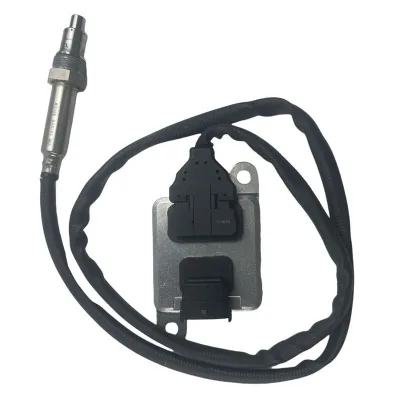
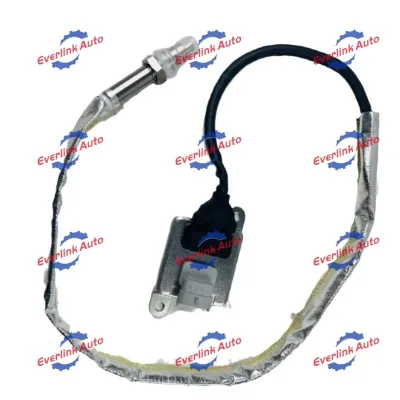
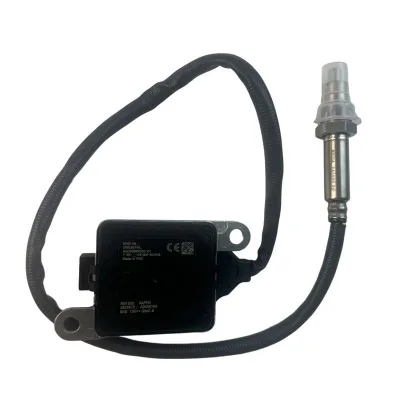


Truck Parts Sensor Nox Sensor 5wk9 6717b 22219283 Nitrogen Oxide Sensor
$145.00 - $155.00
MOQ: 5 Pieces

Truck Parts Sensor Nox Sensor 5wk9 6717b 22219283 Nitrogen Oxide Sensor
$145.00 - $155.00
MOQ: 5 Pieces


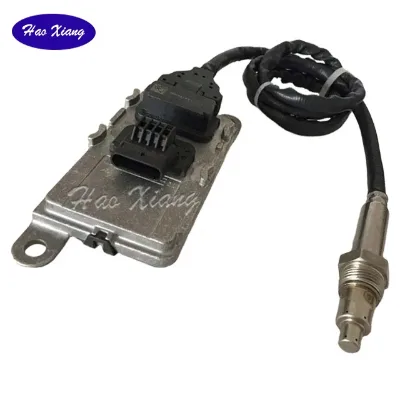


Comprehensive Sourcing Guide
Strategic Sourcing Guide for Truck Nitrogen Oxygen Sensors
Navigating the global market for truck nitrogen oxygen sensors requires a disciplined approach that separates verified product attributes from marketing generalizations. For procurement professionals, the core challenge lies in identifying components that meet specific emission standards while ensuring compatibility with heavy-duty diesel engines. The available market data indicates a diverse range of offerings, from specific OEM replacements to generic aftermarket solutions. This guide synthesizes observed product facts and industry standards to provide a framework for evaluating suppliers, verifying technical specifications, and managing procurement risks for these critical emission control components.
Technical Specifications and Component Identification
The foundation of any successful sourcing strategy begins with precise technical identification. In the current market, nitrogen oxygen sensors are often categorized by their specific application, such as the automotive exhaust system, and their compatibility with specific engine models. Buyers must verify the engine model compatibility, as the data shows listings associated with heavy-duty models like the KTA50. The physical and functional specifications vary significantly between listings. For instance, some units are described with a displacement range of 3.1-4.0 L, while others are tailored for six-cylinder configurations.
Dimensional data is critical for ensuring the sensor fits within the existing exhaust architecture. Observed product standards indicate a wide variance in packaging and physical dimensions. Some listings specify a single package size of 10x6x7 cm, while others list dimensions of 25x8x7 cm. The weight of the component itself is another key differentiator; observed data points to weights ranging from 0.4 kg to 0.5 kg, with some entries listing a gross weight of 1 kg. These discrepancies suggest that buyers must not rely on a single data point but must cross-reference the specific part number with the physical constraints of their truck fleet.
The material composition of the sensor body is also a vital technical parameter. While some listings indicate a steel body, others specify an alloy construction. This distinction impacts the sensor's durability and resistance to thermal stress in high-temperature exhaust environments. Furthermore, the starting mechanism and fuel type are relevant for the broader system integration. Most observed units are designed for diesel fuel systems and utilize an electric start for the associated engine control modules. The OEM numbers serve as the primary identifier for compatibility, with specific references such as 2871974 and 2894945 appearing in the market data. Procurement teams must match these exact numbers against their fleet's service records to avoid installation errors.
Compliance, Emission Standards, and Certification Verification
Compliance with environmental regulations is non-negotiable in the heavy-duty trucking sector. The market data explicitly references emission standards, with some listings citing Euro V compliance. This is a critical benchmark for trucks operating in regions with strict air quality laws. However, buyers must exercise caution, as not all listed products may satisfy the same regulatory requirements. The presence of an "Emission Standard" attribute in product descriptions does not guarantee universal compliance; it merely indicates the manufacturer's claim.
Certification status further complicates the verification process. While some product entries mention ISO TS (International Organization for Standardization Technical Specification) for components, the data does not confirm a blanket ISO 9001 certification for all suppliers. The "machinery test report" field in the provided data is marked as "Not Available" for several listings, which is a significant red flag for quality assurance. Procurement officers should not assume that a supplier has passed rigorous third-party testing unless a valid report is provided.
When evaluating compliance, buyers should prioritize suppliers who can provide documentation for the specific Euro number mentioned. If a truck is registered in a jurisdiction requiring Euro V or higher, the sensor must be verified against that specific standard. The absence of a test report or a generic "High-Quality" label is insufficient proof of compliance. Buyers must request specific certification documents that align with the local regulatory environment of the truck's operation. Relying on unverified claims can lead to fines, failed inspections, and operational downtime.
Cost Drivers and Pricing Structure Analysis
Understanding the cost structure of nitrogen oxygen sensors is essential for budgeting and total cost of ownership (TCO) analysis. The observed price range in the market is extremely broad, spanning from 8 USD to 5000 USD. This vast disparity indicates that price is not a reliable indicator of quality or compatibility on its own. The lower end of the spectrum likely represents generic sensors or basic replacement units, while the higher end may include specialized components for specific engine models or those with extended warranties.
Several factors drive these cost variations. The complexity of the sensor technology, such as the inclusion of oxygen enrichment features or specific carburettor types like horizontal draught, can influence the price. The brand name associated with the component, such as "runxi," may also command a premium if the brand has established a reputation for reliability. Additionally, the warranty period is a significant cost driver; listings with a 6-month warranty may be priced higher than those with no warranty or shorter coverage periods.
Packaging and logistics also contribute to the final cost. Some suppliers offer neutral packaging, which can reduce costs, while others may include custom branding or specialized protective packaging. The lead time is another variable; products with a delivery time of 7 days may carry a premium compared to those with a 5-20 working day window. Buyers should calculate the total landed cost, including shipping and potential customs duties, rather than focusing solely on the unit price. The minimum order quantity (MOQ) is another financial consideration, with observed ranges from 1 PC to 20 units. Smaller MOQs offer flexibility for testing but may result in higher per-unit costs.
Typical Applications and Engine Compatibility
The application of nitrogen oxygen sensors is primarily within the automotive exhaust system, specifically for diesel-powered trucks. The data highlights compatibility with specific engine models, such as the KTA50, and mentions applications for Mercedes Benz vehicles. This specificity underscores the importance of matching the sensor to the exact engine architecture. A sensor designed for a six-cylinder engine may not function correctly in a multi-cylinder configuration, or vice versa.
The fuel type is a critical compatibility factor. All observed listings for this component specify diesel fuel, which is the standard for heavy-duty trucking. However, the specific fuel system design, such as the fuel pressure regulator or the carburettor type, must align with the truck's existing setup. The "Fuel Saver Type" attribute, noted as "Oxygen Enriched Type" in some listings, suggests that certain sensors may offer performance benefits beyond simple emission monitoring. Buyers should verify if these features are necessary for their specific operational needs.
Furthermore, the physical integration of the sensor into the exhaust system requires careful planning. The single package size and the overall dimensions of the sensor must allow for proper installation without modifying the exhaust piping. The weight of the component, ranging from 0.4 kg to 1 kg, also affects the mounting requirements. Procurement teams should consult with their maintenance departments to ensure that the selected sensor can be installed and maintained within the existing workflow.
Supplier Evaluation and Reliability Assessment
Evaluating suppliers requires a rigorous assessment of their capabilities and transparency. The origin of the products is a key factor, with the majority of observed listings indicating a place of origin in China, specifically Hubei. While this region is a major hub for automotive components, buyers must verify the specific factory's capacity and reputation. The "brand name" listed on the product, such as "runxi," should be cross-referenced with the actual manufacturer to ensure there is no confusion between trading companies and production facilities.
Reliability is often indicated by the availability of test reports and the clarity of product specifications. The "machinery test report" being "Not Available" for many listings is a warning sign. Buyers should prioritize suppliers who can provide detailed test data, including performance under various load conditions and emission levels. The warranty period is another indicator of supplier confidence; a 6-month warranty suggests a higher level of assurance than a product with no warranty.
Lead time consistency is crucial for supply chain stability. The observed delivery times range from 7 days to 5-20 working days. Suppliers who consistently meet their stated delivery times are more reliable partners. Buyers should also consider the flexibility of the supplier regarding order quantities. The ability to fulfill an MOQ of 1 PC is beneficial for initial testing, while the capacity to handle larger orders of 20 units or more is essential for fleet-wide replacements.
Quality Control and Long-Term Procurement Strategy
Implementing a robust quality control (QC) process is vital for mitigating the risks associated with purchasing nitrogen oxygen sensors. Given the variance in product attributes, such as body material (steel vs. alloy) and packaging (neutral vs. branded), a standardized QC checklist is necessary. This checklist should include visual inspections for physical damage, verification of OEM numbers, and testing of electrical continuity.
For long-term procurement, buyers should establish a relationship with suppliers who offer consistent quality and reliable support. The "Condition" of the product, typically listed as "New," should be verified upon receipt to ensure no refurbished or used parts are being sold as new. The "Quality" attribute, often described as "High-Quality," is subjective and must be validated through performance testing in the field.
Developing a long-term strategy involves balancing cost, quality, and availability. Relying on a single supplier for all sensor needs can be risky if that supplier faces production delays or quality issues. Diversifying the supplier base, while maintaining strict quality standards, can provide a buffer against supply chain disruptions. Additionally, tracking the performance of sensors over time will help identify which models and suppliers offer the best value and reliability for the specific truck fleet.
Comparative Analysis of Product Attributes
To facilitate decision-making, the following table summarizes the key observed attributes for nitrogen oxygen sensors in the current market. This comparison highlights the variability in specifications that buyers must navigate.
| Attribute | Observed Range / Options | Relevance to Procurement |
|---|---|---|
| Emission Standard | Euro V, Euro Number of Cylinders: Six | Critical for regulatory compliance; verify against local laws. |
| Engine Model | KTA50, 5KW9-7102A, 5WK96720A | Must match specific truck engine architecture. |
| OEM Number | 2871974, 2894945 | Primary identifier for compatibility; exact match required. |
| Body Material | Steel, Alloy | Affects durability and thermal resistance. |
| Weight | 0.4 kg, 0.5 kg, 1 kg | Impacts mounting and logistics costs. |
| Package Size | 10x6x7 cm to 25x8x7 cm | Determines storage and shipping requirements. |
| Warranty | 6 Months, Not Specified | Indicates supplier confidence and risk mitigation. |
| Delivery Time | 7 Days, 5-20 Working Days | Affects inventory planning and operational readiness. |
| MOQ | 1 PC to 20 Units | Influences initial order costs and flexibility. |
| Origin | China (Hubei) | Common origin; verify specific factory capabilities. |
This table serves as a reference point for buyers to ensure they are comparing apples to apples when evaluating different suppliers. The wide range of values for each attribute underscores the need for detailed due diligence before placing any order. By systematically verifying these parameters against the specific needs of their fleet, procurement professionals can secure high-quality nitrogen oxygen sensors that ensure compliance, performance, and operational efficiency.
FAQs
What emission standards do these sensors meet?
Some listed units comply with Euro V emission standards. Buyers must verify specific certification documents for their region, as not all products guarantee universal compliance without a valid test report.
Which engine models are compatible with these sensors?
The sensors are designed for heavy-duty diesel engines like the KTA50 model. Compatibility varies by cylinder count, so matching the OEM number to the specific engine architecture is essential.
Can I order a single unit for testing?
Yes, the minimum order quantity is 1 PC for many listings. This allows buyers to test the component before committing to larger fleet orders, though lead times may vary between 7 and 20 days.
How long is the delivery time for these parts?
Delivery times range from 7 days to 5-20 working days depending on the supplier. Buyers should confirm the specific lead time with the vendor to ensure it aligns with their operational schedule.
What materials are used for the sensor body?
Observed listings indicate the body material is either steel or alloy. This distinction affects durability and thermal resistance, so buyers should request material specifications to match their exhaust system requirements.
Are these sensors new or refurbished?
The product condition is listed as new for the available items. Buyers should verify the condition upon receipt to ensure no refurbished parts are sold as new, especially given the lack of test reports.
What is the warranty period for these components?
Some suppliers offer a 6-month warranty on the nitrogen oxygen sensors. This warranty period serves as an indicator of supplier confidence, though buyers should confirm coverage terms before purchasing.