Source Truck Rod for Suspension, Steering, and Engine Systems
Find 30 Truck Rod listings from verified suppliers offering control arms, torque rods, and connecting rods. Compare specifications, materials, and prices to source parts for heavy trucks, cars, and industrial machinery efficiently.
Key considerations
Products List




Comprehensive Sourcing Guide
Strategic Sourcing Guide for Heavy-Duty Truck Rod Components
Understanding the Technical Landscape of Truck Rods
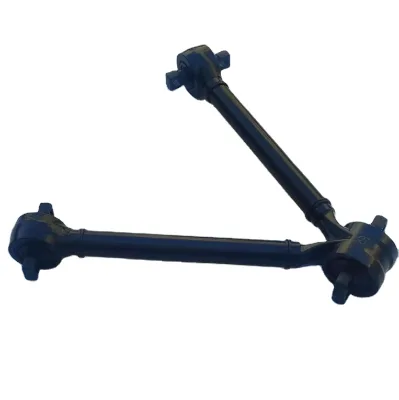
The procurement of truck rods requires a precise understanding of the diverse technical specifications that define these critical suspension and drivetrain components. In the current market, the term "Truck Rod" encompasses a variety of parts, including control arms, torque rods, and connecting rods, each serving distinct mechanical functions. The observed product attributes indicate that these components are frequently designed for heavy-duty applications, such as heavy trucks, excavators, and tractors, where reliability under high stress is paramount.
A primary technical observation involves the material composition. The available data highlights the use of steel and iron as the primary materials for these components. This selection is driven by the need for high tensile strength and durability in environments subject to constant vibration and heavy loading. For instance, specific listings note a load capacity of 15 tons, which necessitates a robust metallurgical structure. The manufacturing processes identified include forging, casting, and billet machining. Each process offers different advantages; forging typically provides superior grain structure and strength for high-stress areas, while casting allows for complex geometries often required in suspension links.
Dimensions and standards vary significantly across the product pool. Buyers must verify specific length requirements, as observed standard lengths include measurements such as 660mm, 621mm, and 383820mm configurations. These dimensions are not universal; they are often tied to specific vehicle models or suspension architectures, such as the "america type" or specific OE numbers like 81432706076 and DZ97259526198. The "america type" designation suggests a specific geometric configuration that may differ from European or Asian standards, requiring careful cross-referencing with the original equipment manufacturer (OEM) specifications.
Furthermore, the functional application of these rods extends beyond simple suspension. Some listings identify the product as part of an "Active Suspension" system or a "Complete Suspension Kit," indicating that the rod may be an integral part of a larger, more complex assembly. The presence of "Compression Adjustable" attributes suggests that certain rods allow for tuning of the suspension geometry or ride height, a feature critical for heavy trucks carrying variable loads. Buyers must ensure that the specific rod they source matches the adjustability and installation type required for their fleet's operational needs.
Compliance and Certification Verification
In the B2B automotive and heavy machinery sector, compliance is not merely a formality but a critical risk mitigation strategy. The sourcing of truck rods must be validated against recognized quality management systems and industry standards. The data indicates that while some products carry ISO9001 certification, others are marked with ISO/TSOEM or TSCE, with a specific note that "ISO/TSOEM:No" appears in certain listings. This discrepancy highlights the importance of verifying the specific certification status for each batch or supplier, as the presence of a generic ISO mark does not guarantee adherence to automotive-specific technical standards.
Buyers should prioritize suppliers who can provide clear documentation for ISO9001, which certifies the quality management system, and TSCE or ISO/TS 16949 (often implied in automotive contexts), which addresses specific automotive production and service requirements. The absence of a specific certification, such as the noted "ISO/TSOEM:No," does not necessarily disqualify a product, but it requires a deeper technical audit. Procurement teams must request the actual certificate documents to confirm the scope of certification, ensuring it covers the specific manufacturing processes used, such as forging or casting.
Additionally, the origin of the product plays a significant role in compliance. The observed data points to origins in China, specifically locations like Jinan and Hebei. While these regions are major manufacturing hubs, buyers must verify that the suppliers operating in these locations adhere to international export standards and environmental regulations. The "Neutral Packing" observed in some listings suggests a focus on generic distribution, which can sometimes complicate traceability. Therefore, compliance checks should extend beyond the product itself to the supply chain transparency, ensuring that the raw materials (steel or iron) and the manufacturing processes meet the buyer's corporate sustainability and safety policies.
Cost Drivers and Pricing Dynamics
The pricing structure for truck rods is influenced by a complex interplay of material costs, manufacturing complexity, and order volume. The observed price range in the market spans from $0.20 to $45,000 USD, a variance that reflects the vast difference between a single small bushing or rod end and a complete suspension kit or a large batch of heavy-duty torque rods. This wide range underscores the necessity for buyers to define their specific requirements clearly to avoid misinterpreting unit costs against total project costs.
Material costs are a primary driver, particularly given the reliance on steel and iron. Fluctuations in global raw material markets directly impact the final price of forged or cast components. Furthermore, the manufacturing process significantly affects cost. Components produced via forging or billet machining generally command a higher price point than those produced through casting due to the higher energy consumption and labor intensity involved. The "america type" or specific custom designs may also incur higher tooling and setup costs, which are often amortized over the order quantity.
Order Volume and Minimum Order Quantity (MOQ) are critical factors in cost optimization. The observed MOQ range spans from 1 to 1,000 units. Suppliers offering an MOQ of 1 may charge a premium per unit to cover setup and handling costs, whereas bulk orders of 1,000 units can significantly reduce the unit price. Some listings specify an MOQ of 30 pieces for specific torque rods, indicating that smaller batches are feasible but may come with a higher per-unit cost. Buyers should analyze their inventory turnover rates to determine the optimal order size that balances cash flow with unit cost savings.
Packing methods also influence the final landed cost. The data shows variations in packaging, including "Pallets," "Carton Box," and "Pallets and Crates." Heavy-duty rods, especially those for 15-ton load capacity, often require robust crate packaging to prevent damage during transit. The cost of this specialized packaging and the associated freight weight must be factored into the total procurement budget. Additionally, the "Complete Suspension Kit" attribute suggests that some purchases may include multiple components, which could alter the pricing model from a per-part basis to a system-based quote.
Typical Applications and Vehicle Compatibility
Truck rods are integral to the operation of a wide array of heavy-duty vehicles and machinery. The observed applications include cars, trucks, motorbikes, boats, tractors, lawnmowers, and excavators. However, the primary focus for the "Truck Rod" keyword remains on heavy trucks and commercial transport vehicles. These components are essential for maintaining vehicle stability, absorbing road shocks, and transmitting forces within the suspension and drivetrain systems.
Specific applications identified in the data include the "Suspension System" and "Active Suspension" configurations. In heavy trucks, torque rods (such as the V Torque Rod with OE number DZ97259526198) are critical for controlling the angular movement of the axle relative to the chassis. This ensures that the vehicle remains stable under heavy loads and during cornering. The "Rear" position attribute indicates that many of these rods are designed for the rear axle, a common location for torque rods in heavy-duty configurations.
Compatibility is a major concern for buyers. The data lists specific car makes such as Volvo and Benz, alongside generic "america type" and "Trucks" designations. This suggests that while some rods are OEM-specific, others are designed to fit a broader range of vehicles based on standard dimensions. The "OE Number" 81432706076 serves as a critical identifier for matching parts to specific vehicle models. Buyers must cross-reference their fleet's VIN and suspension specifications with these OE numbers to ensure a perfect fit. The "for replace/repair" purpose attribute confirms that a significant portion of the market is driven by maintenance and replacement needs rather than original equipment manufacturing.
The diversity of applications also implies that the same rod design might be adapted for different machinery. For example, a rod designed for a heavy truck might share similar dimensions with those used in excavators or tractors, provided the load capacity and mounting points align. However, the "15 tons" load capacity specification highlights that not all rods are suitable for all applications. Buyers must carefully match the load rating of the rod to the specific vehicle or machine to prevent premature failure or safety hazards.
Supplier Evaluation and Origin Analysis
Evaluating suppliers for Truck Rod components requires a rigorous assessment of their capabilities, location, and production history. The data indicates that the majority of suppliers are located in China, with specific mentions of Jinan and Hebei. These regions are known for their robust manufacturing infrastructure and experience in producing automotive and heavy machinery parts. However, the presence of multiple suppliers in these regions necessitates a detailed due diligence process to identify those with the highest quality standards.
Key evaluation criteria should include the supplier's ability to provide the specific certifications mentioned, such as ISO9001 or TSCE. Buyers should request proof of these certifications and verify their validity with the issuing bodies. Additionally, the "Customization: Available" attribute suggests that many suppliers offer tailored solutions. Buyers should assess the supplier's engineering capabilities to determine if they can accommodate custom dimensions, such as the 660mm or 621mm standards, or specific packing requirements like "Pallets and Crates."
The manufacturing process is another critical evaluation point. Suppliers utilizing "Forging, Casting, Billet" processes should be assessed for their quality control measures during these stages. The "Heat Treatment: Yes" attribute indicates that heat treatment is a common step, which is essential for improving the mechanical properties of the steel or iron. Buyers should inquire about the specific heat treatment protocols and whether they are documented and controlled.
Furthermore, the "Warranty: 24 Months" attribute provides a benchmark for supplier confidence. A supplier offering a two-year warranty is likely to have higher quality control standards than one offering a shorter or no warranty. However, buyers must read the warranty terms carefully to understand what is covered, such as material defects or workmanship issues. The "Brand Name: OEM" listing suggests that some suppliers operate as original equipment manufacturers for other brands, which can be a positive indicator of their capability to meet strict automotive standards.
Quality Control and Long-Term Procurement Strategy
Ensuring the long-term reliability of Truck Rod components requires a proactive approach to quality control and strategic procurement planning. The observed attributes, such as "Honing" for holes and "New" condition, provide baseline quality indicators, but buyers must implement their own verification processes. Incoming quality control (IQC) should include dimensional checks against the specified standards (e.g., 660mm, 621mm) and material verification to confirm the use of steel or iron as specified.
For long-term procurement, establishing a partnership with suppliers who offer "Customization" and consistent quality is essential. The "Complete Suspension Kit" attribute suggests that buying in bundles or as a system can simplify logistics and ensure component compatibility. Buyers should consider negotiating long-term contracts that lock in pricing and ensure supply continuity, especially given the potential for raw material price fluctuations.
The "Neutral Packing" observed in some listings may pose challenges for brand-specific procurement strategies. Buyers should discuss packaging requirements with suppliers to ensure that the products are clearly labeled and traceable, facilitating easier inventory management and warranty claims. Additionally, the "24 Months" warranty period should be leveraged as a metric for supplier performance. Regular audits of supplier quality and adherence to the warranty terms can help identify potential issues before they escalate into fleet-wide problems.
Finally, buyers should maintain a dynamic understanding of the market. The wide range of applications and the diversity of standards (from "america type" to specific OE numbers) mean that the market is constantly evolving. Staying informed about new technologies, such as "Active Suspension" systems, and updating procurement specifications accordingly will ensure that the fleet remains competitive and reliable. By combining rigorous quality control with strategic supplier relationships, buyers can secure a steady supply of high-quality truck rods that meet the demanding requirements of heavy-duty transportation.
FAQs
What certifications are available for truck rods?
Some truck rods carry ISO9001 certification, while others may have TSCE or ISO/TSOEM marks. Buyers must verify specific certification status for each batch as some listings explicitly note ISO/TSOEM is not available.
Which materials are used to manufacture truck rods?
Truck rods are primarily manufactured using steel and iron to ensure high tensile strength. These materials are selected for their durability in heavy-duty environments subject to constant vibration and significant loading.
Can truck rods be customized for specific needs?
Yes, customization is available for many Truck Rod products. Buyers can request tailored solutions for specific dimensions or packing requirements like pallets and crates to match their operational needs.
What is the typical load capacity for heavy truck rods?
Specific heavy-duty truck rods listed have a load capacity of 15 tons. This high capacity is necessary for applications involving heavy trucks, excavators, and tractors where reliability under stress is critical.
How are truck rods typically packaged for shipment?
Packaging options include pallets, carton boxes, and pallets with crates. Heavy-duty components often require robust crate packaging to prevent damage during transit, especially for items with high load ratings.
Which car makes are compatible with these truck rods?
The rods are compatible with specific makes such as Volvo and Benz, as well as generic truck models. Buyers should cross-reference OE numbers like 81432706076 to ensure a perfect fit for their fleet.