Source Truck Outside Mirror with Heater for Fleet, Logistics, and Construction
Compare 30 listings for Truck Outside Mirror with Heater featuring manual or electrical control, glass or aluminum plating materials, and various certifications like CE and ISO. Buyers can evaluate options for fleet, logistics, and construction applications with customizable sizes and logos.
Key considerations
Products List


Aftermarket Car Mirrors, Side View Mirrors, Truck Mirrors and Car Mirrors.
$2.00 - $5.00
MOQ: 50 Pieces


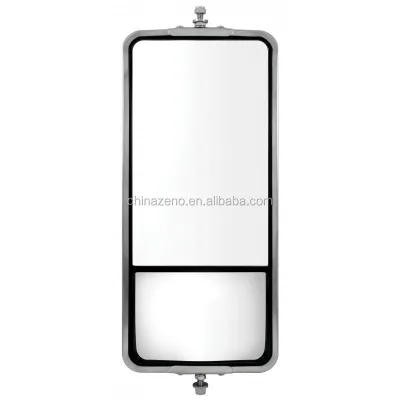


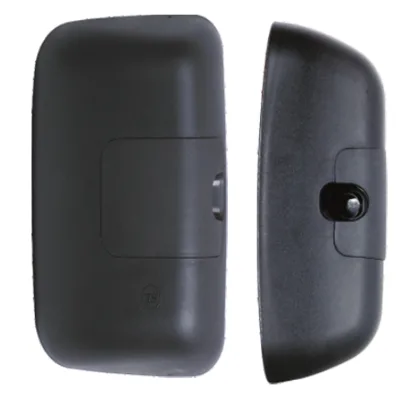
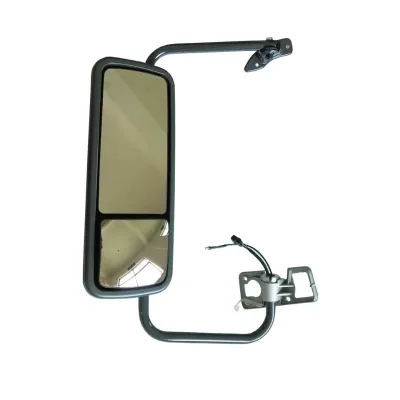
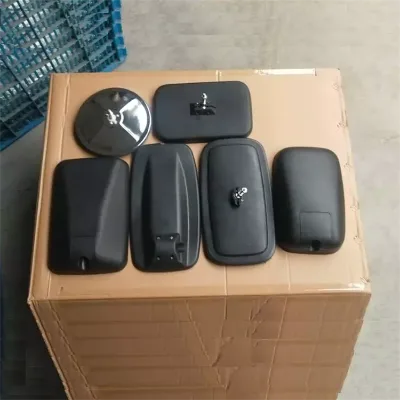
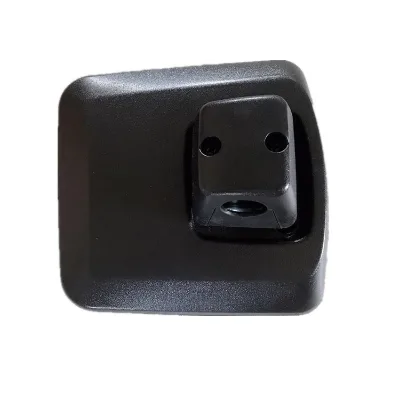


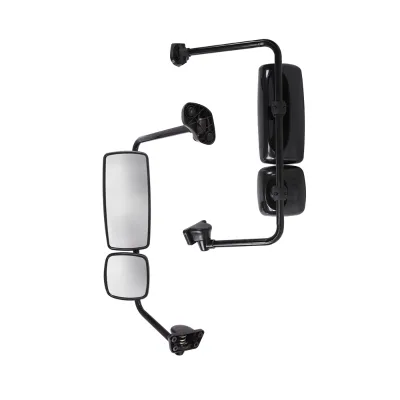

Rearview Side Mirror Car Rear Mirror Side Mirror Cheap Price High Quality for Buses / Trucks / Cars
$1.98 - $10.00
MOQ: 100 Square Meters


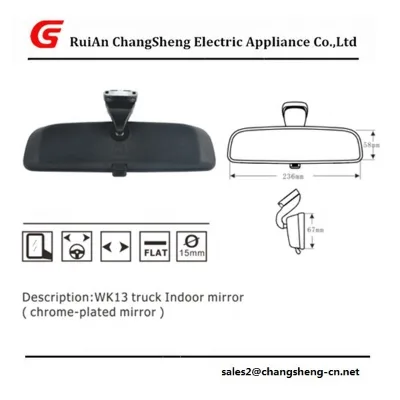
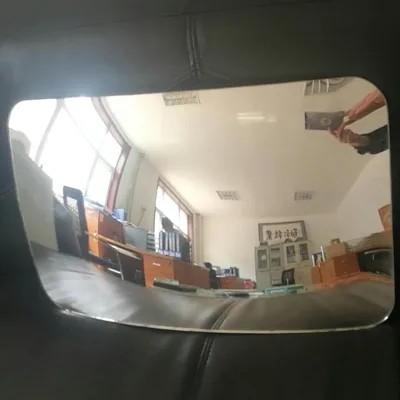

Comprehensive Sourcing Guide
Strategic Sourcing Guide for Truck Outside Mirrors with Heater
The global commercial transport sector relies heavily on the reliability of visibility systems, particularly for heavy-duty trucks operating in diverse climatic conditions. When sourcing a Truck Outside Mirror with Heater, buyers must navigate a complex landscape of technical specifications, regulatory compliance, and supply chain logistics. The core requirement involves a component that not only provides a wide field of view but also actively manages condensation, fog, and ice accumulation to ensure driver safety. This guide outlines the critical factors for evaluating potential suppliers and products, grounded in verified market data and industry standards.
Technical Specifications and Functional Requirements
The fundamental engineering of a Truck Outside Mirror with Heater centers on the integration of heating elements within the mirror assembly without compromising structural integrity or optical clarity. When reviewing product attributes, buyers should look for specific configurations regarding the mirror type and controlling mechanisms. The market offers variations ranging from manual to electrical controlling types. For a heated mirror, the electrical controlling type is the standard, as it facilitates the activation of the heating element via the vehicle's power system.
A critical technical parameter is the voltage rating. Verified product data indicates that certain heavy-duty mirror assemblies operate at 24V, which aligns with the standard electrical systems of most commercial trucks and buses. Buyers must verify that the specific unit's voltage matches the vehicle's electrical architecture to prevent short circuits or insufficient heating performance. Furthermore, the mirror material plays a significant role in durability and heat distribution. Common materials observed in the market include glass for the reflective surface and aluminum plating or chrome-plated plastic for the housing. The choice of material affects the mirror's resistance to corrosion and its ability to withstand the thermal stress of the heating element.
The viewing angle is another vital specification. While standard mirrors may offer a 120° view, advanced models designed for heavy transport often feature a 360° view angle or double curvature mirrors to eliminate blind spots. The double curvature design is particularly valuable for trucking applications where peripheral visibility is crucial for maneuvering in tight spaces. Additionally, the size of the mirror glass, typically ranging from 2.0 inches to 2.5 inches in various configurations, must be selected based on the specific mounting requirements of the truck model. The controlling type must be explicitly confirmed as electrical to ensure the heater function is operational.
Compliance and Certification Verification
In the commercial vehicle sector, regulatory compliance is non-negotiable. Buyers must rigorously verify that the supplier provides valid certifications that meet the destination market's legal requirements. The most common certifications observed in the global supply chain include CE, ISO, FCC, ECE, and DOT. The ECE (Economic Commission for Europe) and DOT (Department of Transportation) marks are particularly critical for vehicles operating in North America and Europe, as they certify that the mirror meets specific safety and performance standards regarding vibration resistance, optical quality, and heating efficiency.
Specific standards such as UL2273 are sometimes referenced in broader lighting and electrical contexts, but for mirrors, the primary focus should be on the ECE and DOT approvals. The certification status must be documented and verifiable; a supplier claiming compliance without providing the specific certificate number or issuing authority should be treated with caution. Additionally, some products may carry an Emark certificate, which is a specific type of ECE approval. Buyers should request copies of these certificates before finalizing any purchase order.
It is also important to distinguish between general product certifications and specific safety standards for the heating element. While general certifications like CE and ISO indicate a baseline of quality management, the specific safety of the electrical heating component should be cross-referenced with local vehicle safety regulations. The absence of a specific certification for the heating function does not necessarily mean the product is unsafe, but it requires additional due diligence to ensure the electrical system does not pose a fire hazard or interfere with other vehicle electronics.
Cost Drivers and Pricing Structures
The pricing of truck outside mirrors with heaters is influenced by a combination of material costs, manufacturing complexity, and order volume. The observed price range in the market spans from $0.20 to $220.00 USD. This wide variance reflects differences in product quality, brand reputation, and the level of customization required. Lower-priced items often correspond to basic manual mirrors or those with minimal heating capabilities, while the higher end of the spectrum typically includes premium models with advanced features such as double curvature, integrated turn signals, and robust heating elements designed for extreme weather.
The Minimum Order Quantity (MOQ) is a significant factor in the total cost of procurement. The market shows an MOQ range from 1 to 5,000 units. Suppliers offering an MOQ of 1 or a small order capability are ideal for replacement parts or small fleet expansions, though the unit price will likely be higher. Conversely, bulk orders of 5,000 units can significantly reduce the per-unit cost, making them attractive for large-scale fleet replacements or original equipment manufacturer (OEM) contracts. Buyers should calculate the total landed cost, including shipping and duties, rather than focusing solely on the unit price.
Customization is another major cost driver. Attributes such as customized logos, specific colors, and tailored sizes are available but often incur additional setup fees and higher per-unit costs. The standard sizes, such as 2.0 inches or 2.5 inches, are generally more cost-effective. When evaluating cost, buyers must also consider the packaging details. Options range from standard cartons to seaworthy packaging or wooden crates, which are necessary for long-distance international shipping to prevent damage. The choice of packaging can impact the overall shipping cost and the risk of product loss during transit.
Typical Applications and Operational Context
Truck outside mirrors with heaters are essential for commercial vehicles operating in regions with cold winters, high humidity, or frequent precipitation. The primary application is in heavy-duty trucking, where the large size of the vehicle creates significant blind spots that must be managed for safe operation. The heating function is critical for maintaining visibility during freezing temperatures, where ice and snow can quickly obscure the mirror surface. Without a heater, drivers may be forced to manually clear the mirrors, which is dangerous and time-consuming.
The versatility of these mirrors allows them to be used in various truck configurations, including semi-trailers, dump trucks, and delivery vans. The controlling type, whether manual or electrical, determines the installation complexity. Electrical mirrors are preferred for modern fleets as they integrate seamlessly with the vehicle's dashboard controls. The brand names observed in the market, such as TYPER, ZENOTRUX, and Haochen, indicate a competitive landscape with multiple manufacturers offering similar functional solutions.
Furthermore, the mirror type, such as spherical or double curvature, influences the specific application. Double curvature mirrors are often used in high-risk environments where maximum visibility is required. The position of the mirror, typically outside the vehicle, exposes it to harsh environmental conditions, making the durability of the housing material, such as chromed plastic or aluminum plating, a key consideration. Buyers should match the mirror specifications to the specific operational demands of their fleet, ensuring that the heating element is robust enough to handle the local climate conditions.
Supplier Evaluation and Quality Control
Evaluating suppliers requires a systematic approach to verifying their capabilities and reliability. The origin of the product is a primary indicator of supply chain stability. Most verified products originate from China, with specific hubs like Qingdao, Shandong, and Jiangsu being prominent manufacturing centers. The port of dispatch, often Tianjin or Shanghai, is relevant for logistics planning. Buyers should verify the supplier's supply ability, which can range from 20,000 pieces per month to higher volumes, to ensure they can meet demand spikes.
Quality control is paramount when sourcing heated mirrors. Buyers should request detailed product specifications, including the mirror material, pixel count (which may refer to sensor resolution in smart mirrors, though standard mirrors rely on optical clarity), and the specific standard dimensions. The standard sizes observed include 230450, 305407, 360360, and 407407 millimeters. It is crucial to confirm that the supplier can consistently produce to these dimensions. The presence of certifications like CE, ISO, and ECE should be validated through third-party testing reports.
When assessing a supplier, buyers should also consider their packaging capabilities. Seaworthy packaging is essential for international shipments to prevent damage from moisture and vibration. The use of wooden crates for high-value or fragile items is a sign of a supplier that understands the risks of long-distance transport. Additionally, the availability of customization options, such as logo printing and color matching, indicates a flexible manufacturing process. Buyers should request samples to verify the quality of the heating element and the durability of the mirror housing before committing to a large order.
Long-Term Procurement Considerations
Sourcing truck outside mirrors with heaters is not a one-time transaction but a long-term partnership that requires ongoing management. Buyers should consider the lifecycle of the product, including the availability of replacement parts and the durability of the heating element. The controlling type, whether manual or electrical, should be compatible with future vehicle upgrades. The brand reputation and supply ability of the manufacturer are critical for ensuring a steady supply of parts over the years.
Logistics and lead times are also long-term considerations. While specific lead times may vary, the port of dispatch and the origin location influence the transit time. Buyers should plan for potential delays and maintain a buffer stock of critical components. The ability to offer small orders is a valuable feature for managing inventory levels and reducing storage costs. Furthermore, the customization options allow buyers to maintain brand consistency across their fleet, which can be a strategic advantage in the logistics industry.
Finally, buyers should monitor the regulatory landscape for changes in vehicle safety standards. As regulations evolve, the certification requirements for mirrors may change, necessitating a review of the current supplier's compliance status. Maintaining a relationship with a supplier who is proactive about regulatory updates and quality assurance will ensure that the fleet remains compliant and safe. By focusing on these long-term factors, buyers can build a resilient supply chain that supports the operational needs of their trucking fleet for years to come.
FAQs
What voltage do truck outside mirrors with heater typically operate at?
These mirrors typically operate at 24V to match commercial truck electrical systems. This voltage rating ensures the heating element functions correctly without short circuits or insufficient performance in heavy-duty applications.
Which certifications are required for truck outside mirrors with heater?
Required certifications often include CE, ISO, FCC, ECE, and DOT to meet global safety standards. Specific markets may require Emark certificates, so buyers must verify documentation before purchasing to ensure legal compliance.
Can I customize the logo and size for truck outside mirrors with heater?
Yes, customization for logos, sizes, and colors is available for many models. However, tailored specifications may incur additional setup fees and higher per-unit costs compared to standard sizes like 2.0 inches or 2.5 inches.
What is the minimum order quantity for truck outside mirrors with heater?
The minimum order quantity ranges from 1 to 5000 units depending on the supplier. Small order capabilities exist for replacements, while bulk orders of 5000 units significantly reduce the per-unit cost for fleet expansions.
How does the mirror type affect visibility for truck outside mirrors with heater?
Mirror types include spherical and double curvature designs to eliminate blind spots. Double curvature mirrors are preferred for heavy transport as they offer a wider view angle, often up to 360 degrees, for safer maneuvering.
Where are truck outside mirrors with heater typically manufactured and shipped from?
Most verified products originate from China, specifically hubs like Qingdao, Shandong, and Jiangsu. They are typically dispatched from ports such as Tianjin or Shanghai using seaworthy packaging or wooden crates for international transport.