Source Truck Skirt Piston for Excavator, Car, and Truck
Find 30 listings for the Truck Skirt Piston suitable for excavators, cars, and trucks. Buyers can compare specifications like engine type, material, and delivery times from verified suppliers offering new parts with warranty options.
Key considerations
Products List


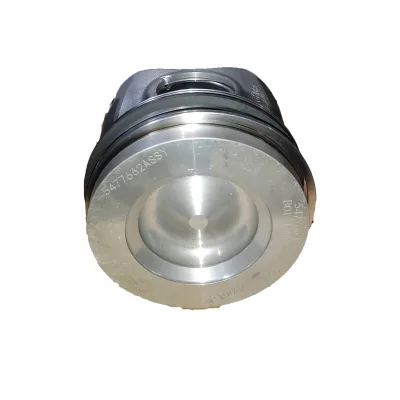


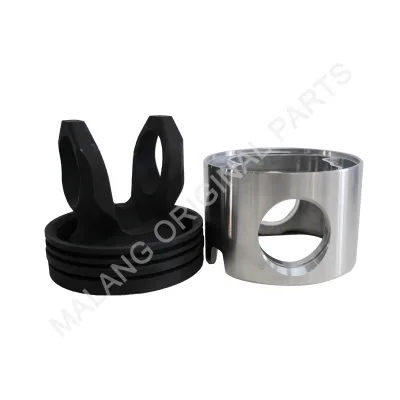


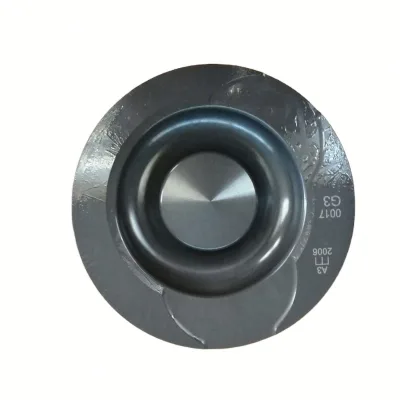


Comprehensive Sourcing Guide
Strategic Sourcing Guide for Truck Skirt Piston Components
Understanding Product Attributes and Technical Specifications
When initiating a procurement strategy for Truck Skirt Piston components, the buyer must first establish a precise understanding of the technical attributes that define the product category. The market data indicates a diverse range of specifications, suggesting that "Truck Skirt Piston" is a functional description rather than a single standardized part number. The observed product listings reveal that these components are primarily categorized under the "Pistons" type, with a specific focus on heavy-duty applications including excavators, cars, and trucks. This multi-application nature requires the buyer to verify the exact compatibility with their specific vehicle or machinery model before placing an order.
The technical landscape for these components includes specific engine types such as the S6d155 and Diesel variants, which are critical for matching the piston to the correct powertrain. The physical dimensions observed in the supply chain vary significantly, with specific listings noting lengths of 4.5 inches, heights of 4.75 inches, and weights around 4.11 lbs. These measurements are not universal; they represent specific models such as the 236-2736 330C/C-9 or the 130-0241 3400 series. Furthermore, the structural design varies, with some units described as having a semi-closed type structure and others featuring angular cylinder positions or series arrangements. For applications involving refrigeration or compressor systems, such as the Bitzer 4NFCY model, the cooling system may be air-cooled with a single-stage compression level and oil-free lubrication styles.
The material composition is another critical technical factor. While some listings specify cast iron as the primary material, the buyer must confirm that the material grade matches the operational stress requirements of the truck or excavator in question. The product models range from heavy machinery identifiers like the W12V190.05.01 to specific part numbers like 3923537/3247308. It is essential to treat these model numbers as unique identifiers rather than interchangeable equivalents. The presence of customization options in the supply chain suggests that buyers can request specific modifications, but this requires clear communication of the base technical requirements to the supplier.
Compliance, Certification, and Quality Standards
Navigating the compliance landscape for piston procurement requires a rigorous verification of standards and certifications. The available market data highlights that certain products adhere to ROHS and SGS standards, which are significant indicators of environmental compliance and quality assurance. However, these certifications are not guaranteed across all listings. Buyers must explicitly request proof of certification for the specific batch of pistons they intend to purchase, as the "general" standard is also noted in some contexts, implying a lower level of specific regulatory adherence.
Quality assurance is further supported by the "Made in China" origin of the majority of these components, with specific production hubs identified in Beijing and Ningbo. While the origin is a known variable, the quality control processes vary by manufacturer. The supply chain offers a "One-Stop Service" and post-sales support, which includes a mechanism for buyers to contact suppliers if questions arise. This support structure is vital for resolving compliance issues or technical discrepancies that may occur after delivery.
The warranty period is another critical compliance metric. The observed data indicates a standard warranty of 12 months for certain piston models. This warranty serves as a contractual guarantee of quality, but buyers must understand the terms and conditions associated with it. It is not sufficient to rely on the general claim of quality; the specific warranty coverage for defects, wear, and tear must be documented in the purchase agreement. Additionally, the "New" condition of the products is a standard observation, but buyers should verify that the "New" status implies unused, original manufacturing condition rather than refurbished or reconditioned units.
Cost Drivers and Pricing Dynamics
The pricing structure for truck skirt pistons is influenced by a complex interplay of factors, including the specific model, material composition, and customization requirements. The observed price range in the market spans from 1 to 1000 USD, a wide variance that reflects the diversity of the product offerings. This range suggests that basic, generic pistons may be available at the lower end, while specialized, high-performance, or customized units command prices at the higher end. The "Single item" selling unit structure indicates that pricing is often calculated per piece, but bulk purchasing may influence the final unit cost.
Material costs play a significant role in the final price. Components made from cast iron or those requiring specific engineering for high-pressure applications will naturally carry a higher price tag. The inclusion of advanced features, such as specific cooling systems or oil-free lubrication styles, also adds to the cost. Furthermore, the customization availability allows for price differentiation based on the complexity of the requested modifications. Buyers should be aware that the "general" standard products may be more affordable but could lack the durability or performance of those meeting specific ROHS or SGS standards.
The packaging method is another subtle cost driver. Listings mention "Neutral Packing," "Te Packing," and "Standard Package." While these may seem like minor logistical details, specialized packaging can add to the overall cost, particularly if it involves protective measures to prevent damage during transit. The shipping method, which includes options like DHL, UPS, and FedEx, also impacts the total landed cost. Buyers must factor in these logistics expenses when comparing the base price of the piston against the total cost of ownership.
Typical Applications and Compatibility Verification
The versatility of the Truck Skirt Piston is evident in its wide range of applications. The core keyword suggests a focus on truck components, but the data confirms that these pistons are also integral to excavators and other heavy machinery. Specific models are linked to distinct machine types, such as the D155A-1 excavator or various truck configurations. This overlap requires the buyer to perform a rigorous compatibility check before procurement. The model numbers, such as 129-0358 for the 3306 engine or 155-5271, serve as the primary verification points for matching the piston to the correct machinery.
For applications involving refrigeration or compressor systems, the piston's role shifts to maintaining pressure and efficiency in air-cooled or single-stage systems. The Bitzer 4NFCY model, for instance, is designed for specific compressor applications, highlighting the need for precise matching in these specialized sectors. The "Angular" cylinder position and "Series Arrangement" are technical details that must align with the engine block design of the target vehicle or machine. Mismatching these specifications can lead to catastrophic engine failure or reduced operational efficiency.
The "Car, Truck, Excavator" application list underscores the importance of verifying the specific use case. A piston suitable for a light-duty car engine may not withstand the stress of a heavy-duty truck or an excavator. Buyers should consult the engine type, such as the S6d155 or Diesel variants, to ensure the piston is rated for the specific torque and power output requirements of their application. The "Sufficient Stock" observation suggests that availability is generally high, but the specific model availability for niche applications should be confirmed to avoid delays.
Supplier Evaluation and Operational Reliability
Evaluating suppliers for Truck Skirt Piston components requires a focus on operational reliability and service capabilities. The supply chain data indicates that many suppliers offer "One-Stop Service," which implies a comprehensive approach to procurement, including sourcing, logistics, and after-sales support. The ability to contact the supplier for questions is a critical indicator of responsiveness and transparency. Buyers should prioritize suppliers who demonstrate a clear communication channel and a willingness to provide detailed technical documentation.
The delivery time is a key performance indicator for supplier reliability. The observed range of "1-3 Working Days After Get Your Payment" and "We Will Send at Once After Get Your Payment" suggests a high level of logistical efficiency. However, buyers must verify if these timelines apply to all models or only to items in "Sufficient Stock." The "Neutral Packing" and "Standard Package" options also reflect the supplier's attention to detail in product presentation and protection.
The origin of the products, primarily from China with specific hubs in Beijing and Ningbo, is a known variable. While this origin is consistent, the quality of manufacturing can vary between different facilities. Buyers should request evidence of the manufacturing process and quality control measures employed by the specific supplier. The "Made in China" attribute is a general classification, and the specific factory's reputation and track record should be investigated. The "New" condition of the products is a standard expectation, but buyers should ensure that the supplier has a clear policy for handling any discrepancies in product condition upon receipt.
Quality Control and Long-Term Procurement Considerations
Implementing a robust quality control strategy is essential for long-term procurement success. The "12 Months" warranty period provides a baseline for quality assurance, but buyers should supplement this with their own inspection protocols. Given the wide range of specifications and the potential for customization, a pre-shipment inspection is highly recommended to verify dimensions, material composition, and overall workmanship. The "ROHS SGS" standards mentioned in the data provide a benchmark for environmental and quality compliance, but these should be verified for each specific order.
Long-term procurement considerations involve building a sustainable relationship with suppliers who can consistently meet quality and delivery standards. The "Customization" availability suggests that suppliers are willing to adapt to specific buyer needs, which is a positive indicator for long-term partnerships. However, buyers must ensure that the customization process is well-documented and that the modified components meet the required performance standards. The "After Service" support, including the ability to contact the supplier for questions, is a critical component of long-term reliability.
The "Sufficient Stock" observation indicates that the supply chain is generally stable, but buyers should maintain a buffer stock for critical components to mitigate any potential disruptions. The variety of shipping methods, including DHL, UPS, and FedEx, offers flexibility in logistics, but buyers should establish clear shipping terms and conditions to ensure timely delivery. Finally, the "General" standard products should be evaluated carefully to ensure they meet the specific operational requirements of the buyer's fleet or machinery. By combining rigorous quality control with strategic supplier evaluation, buyers can secure a reliable supply of Truck Skirt Piston components that meet their operational needs.
FAQs
What engine types are compatible with these truck skirt pistons?
These pistons are compatible with S6d155 and Diesel engine types. They are designed for specific machine models like the D155A-1 excavator and various truck configurations, ensuring precise fitment for heavy-duty applications.
Which certifications do the pistons meet for quality assurance?
Some products meet ROHS and SGS standards for environmental and quality compliance. Buyers must verify specific batch certifications as general standards also exist, ensuring the material and manufacturing processes align with operational requirements.
How long is the delivery time after payment confirmation?
Delivery typically occurs within 1-3 working days after payment is received. Some listings indicate immediate shipment once payment is confirmed, provided the item is in sufficient stock, ensuring rapid fulfillment for urgent procurement needs.
Can buyers request customization for specific piston specifications?
Yes, customization is available for specific buyer requirements. Buyers must communicate clear technical details to the supplier to ensure the modified components meet the necessary performance standards and fit the intended machinery or vehicle model.
What warranty period is provided for these piston components?
A standard warranty of 12 months is provided for certain piston models. This warranty serves as a guarantee against defects, but specific terms regarding wear and tear must be documented in the purchase agreement for full coverage.
Which shipping methods are available for international delivery?
Shipping methods include DHL, UPS, and FedEx for international delivery. The choice of method impacts the total landed cost, so buyers should factor in logistics expenses when comparing the base price against the final cost of ownership.
What materials are used to manufacture these truck skirt pistons?
Cast iron is the primary material specified for these components. Buyers must confirm the material grade matches the operational stress requirements of their specific truck or excavator to ensure durability and performance under heavy loads.