Source Engraved Metal Pin Badge with Butterfly Clutch for Souvenirs
Compare 30 options for Engraved Metal Pin Badge with Butterfly Clutch from verified suppliers. These items feature die casting and stamping techniques, available in heart shapes with soft enamel logos, suitable for souvenirs, gifts, and decoration; compare the available evidence and request quotations based on your requirements.
Key considerations
Products List


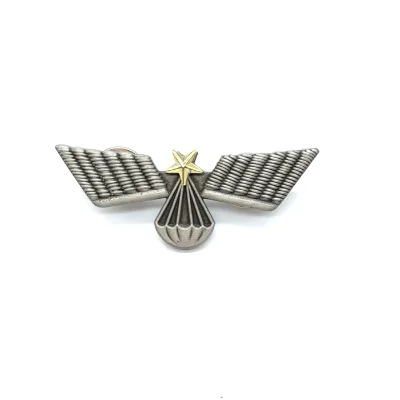


Metal Brass Cheap 12mm Butterfly Clutch Lapel Pin Back with Pin for Badges
$0.01 - $0.02
MOQ: 5000 Pieces


Comprehensive Sourcing Guide
Engraved Metal Pin Badge with Butterfly Clutch Sourcing Guide
Sourcing engraved metal pin badges with butterfly clutch attachments requires a clear understanding of the intersection between aesthetic customization and functional durability. These items are frequently utilized as corporate souvenirs, promotional gifts, or decorative accessories for uniforms and bags. The butterfly clutch mechanism provides a secure, non-damaging attachment method that is preferred for delicate fabrics, distinguishing it from simpler safety pin fittings. Buyers must evaluate the balance between the visual impact of the engraving and the structural integrity of the metal substrate to ensure the final product meets both branding and practical usage standards.
The procurement process involves navigating a wide array of material options, plating finishes, and production techniques such as die casting or stamping. While the core keyword emphasizes engraving, many suppliers offer soft enamel or hard enamel finishes that complement the metallic base. It is critical to verify whether the "engraved" aspect refers to a recessed design filled with color or a purely metallic debossed effect. Understanding these manufacturing nuances allows buyers to request accurate samples and avoid miscommunication regarding the final appearance, ensuring the ordered badges align precisely with the intended brand identity and quality expectations.
Product Scope and Observed Listing Signals
The observed market signals indicate a diverse range of metal badges available from suppliers, primarily originating from Guangdong, China. Listings frequently highlight attributes such as nickel plating, gold finishes, and specific shapes like hearts or national emblems. The net weight of these items typically ranges from 6g to 9g per piece, suggesting a substantial feel that conveys quality. Buyers should note that while some products are described as "soft enamel badges," others are labeled simply as "metal badges" or "lapel pins," indicating that the term "engraved" may be part of a broader customization service rather than a strict technical specification for every listed item.
Customization is a dominant feature across the observed listings, with suppliers offering color-filled logos, custom sizes, and various fitting options. The butterfly clutch is listed alongside safety pins and magnets as a standard attachment method, providing flexibility for different application needs. Pricing signals in the observed data are extremely low, ranging from $0.01 to $2, which often reflects bulk pricing for high-volume orders rather than unit costs for small batches. Buyers must interpret these price ranges with caution, recognizing that they likely correspond to the lower end of the observed MOQ range of 50 to 5000 pieces, and should expect higher per-unit costs for smaller, more customized orders.
Technical Specifications to Verify
When verifying technical specifications, buyers must confirm the exact production technique, as listings mention both die casting and stamping processes. Die casting typically yields heavier, more detailed badges with a solid metal feel, while stamping is often used for thinner, more cost-effective pieces. The plating finish, such as nickel or gold, significantly impacts both the aesthetic appeal and the corrosion resistance of the badge. It is essential to request physical samples to assess the thickness of the metal and the precision of the engraving or enamel filling, as visual representations on product pages may not accurately reflect the tactile quality or dimensional accuracy of the final product.
The attachment mechanism is another critical specification to verify. While the butterfly clutch is a popular choice for its secure hold, buyers should confirm the material and construction of the clutch itself to ensure it does not tarnish or break easily. Additionally, the size of the badge should be explicitly defined, as some listings mention customized sizes while others provide standard dimensions like 5x5cm. The net weight is also a key indicator of quality; heavier badges generally use more material and feel more premium. Buyers should specify these parameters in their requests for quotation to ensure that the supplier provides an accurate comparison based on identical technical criteria.
Compliance and Safety Documentation
Compliance with international safety standards is paramount, especially for products that may come into contact with skin or be used by children. Listings frequently reference SGS and REACH certifications, which are critical for ensuring that the materials used, including the metal alloys and enamel paints, are free from harmful substances like lead and cadmium. Buyers should request valid test reports from accredited laboratories to verify that the badges meet the specific regulatory requirements of their target market. This documentation not only mitigates legal risks but also enhances the brand's reputation for safety and responsibility.
In addition to material safety, buyers should inquire about the durability of the plating and the adhesion of any enamel or color fills. While not always explicitly stated in standard certifications, these factors are crucial for long-term product performance. Some listings mention TUV standards for metal badges, which may include additional testing for mechanical strength or chemical resistance. It is advisable to clarify which specific standards apply to the ordered product, as compliance requirements can vary significantly between different regions and end-use applications. Ensuring that the supplier can provide up-to-date compliance documentation helps prevent customs delays and ensures the product is suitable for its intended market.
Cost Drivers and Commercial Terms
The cost of engraved metal pin badges is influenced by several key factors, including the complexity of the design, the choice of material, and the quantity ordered. Complex designs with multiple colors or intricate engraving details require more time and precision, leading to higher production costs. The choice of plating and the weight of the metal also directly impact the material cost. Buyers should be aware that the observed MOQ range of 100 to 5000 pieces suggests that significant cost savings are achievable through larger orders, but they must balance this with inventory holding costs and storage constraints.
Commercial terms such as packaging and shipping methods also play a role in the total landed cost. Listings indicate that badges are typically packed in OPP bags or polybags, with 100 pieces per big bag, which is a standard and efficient packaging method for bulk shipments. Buyers should clarify whether the quoted price includes packaging materials and if any additional fees apply for custom packaging or labeling. Payment terms, lead times, and shipping costs should be negotiated clearly to avoid hidden expenses. Understanding these commercial dynamics allows buyers to make informed decisions that optimize both budget and supply chain efficiency.
Supplier Qualification and Quality Control
Supplier qualification is a critical step in ensuring the reliability of the supply chain. Buyers should verify the supplier's manufacturing capabilities, including their experience with die casting and stamping processes. Requesting references or case studies from previous clients can provide insight into the supplier's consistency and ability to meet deadlines. It is also important to assess the supplier's quality control processes, including in-line inspections and final random inspections, to ensure that the produced badges meet the agreed-upon specifications. A robust quality control system minimizes the risk of receiving defective or non-conforming products.
Communication and responsiveness are also key indicators of a reliable supplier. Buyers should evaluate how quickly and clearly the supplier responds to inquiries and technical questions. A supplier that provides detailed information and proactive suggestions is more likely to deliver a high-quality product. Additionally, buyers should consider the supplier's flexibility in handling custom requests and their willingness to accommodate changes or corrections. Establishing a strong relationship with a qualified supplier can lead to better pricing, improved service, and a smoother procurement process over time.
Long-Term Procurement Checks
Long-term procurement success depends on continuous monitoring of supplier performance and product quality. Buyers should establish key performance indicators (KPIs) such as on-time delivery rate, defect rate, and responsiveness to issues. Regular audits or periodic quality checks can help identify potential problems early and ensure that the supplier maintains consistent standards. It is also important to stay updated on changes in regulations and market trends that may affect the product, such as new safety standards or shifts in consumer preferences for sustainable materials.
Building a diversified supplier base can mitigate risks associated with single-source dependency. Buyers should consider qualifying additional suppliers for similar products to ensure continuity of supply in case of disruptions. Regularly reviewing and updating the procurement strategy based on market conditions and supplier performance can help optimize costs and improve product quality. By maintaining a proactive approach to supplier management and quality assurance, buyers can ensure a stable and efficient supply chain for engraved metal pin badges with butterfly clutch attachments.
FAQs
What customization options are available for these metal badges?
Customization is available for these metal badges, allowing buyers to specify unique designs. The products support color-filled soft enamel logos and can be tailored to specific shapes like hearts. Buyers can request custom sizes and fitting options such as safety pins or butterfly clutches to meet their exact souvenir or gift requirements.
Which fittings are included with the engraved metal pin badges?
The engraved metal pin badges come with multiple fitting options including safety pins, butterfly clutches, and magnets. These fittings allow for versatile wearing methods on various garments or accessories. The butterfly clutch is a standard attachment, ensuring secure fastening while providing a professional finish for lapel pins and national emblem styles.
How is the net weight of the metal badge determined?
The net weight of the metal badge varies by specific model, ranging from 6 grams to 9 grams per piece. This weight depends on the chosen size, material thickness, and whether the badge features a soft enamel or stamped process. Buyers should verify the exact weight for their selected model to ensure accurate shipping and handling calculations.
Can I order these badges with specific certification standards?
Yes, these badges can be produced with specific certification standards such as SGS, REACH, and TUV. These standards ensure the metal products meet safety and environmental requirements for international markets. Buyers seeking compliance for souvenirs or gifts should confirm that the supplier adheres to these documented standards before placing an order.
What is the minimum order quantity for custom metal pins?
The minimum order quantity for custom metal pins typically starts at 100 pieces, though some listings show ranges up to 5000. This MOQ allows for cost-effective production of customized designs with color-filled enamel. Buyers should check specific supplier requirements as the exact quantity may vary based on the complexity of the customization and the chosen fitting type.
Which production techniques are used for these enamel badges?
These enamel badges are produced using die casting, stamping, and enamel techniques. The process involves creating a metal base followed by color filling to achieve the desired soft enamel or stamped finish. This combination of techniques ensures durability and high-quality detailing for items used as souvenirs, decorations, or collectibles.
How are the metal badges packaged for shipment?
The metal badges are packaged individually in OPP bags or polybags, with 100 pieces packed into a larger big bag. This packaging method protects the items during transit while keeping them organized for bulk distribution. Buyers can expect this standard packing configuration unless they request alternative packaging solutions for their specific sourcing needs.