Source Turtle Starfish Fridge Magnet for Home Decor and Souvenirs
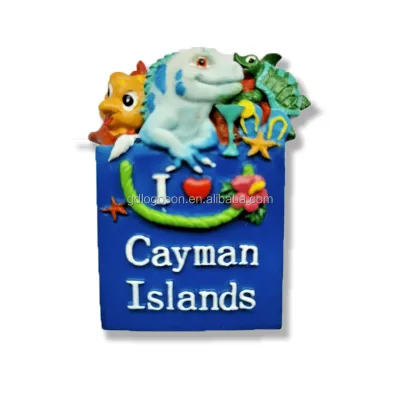
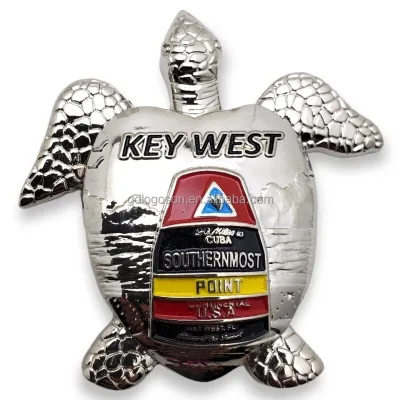
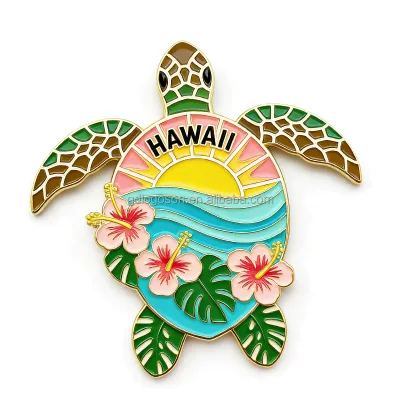
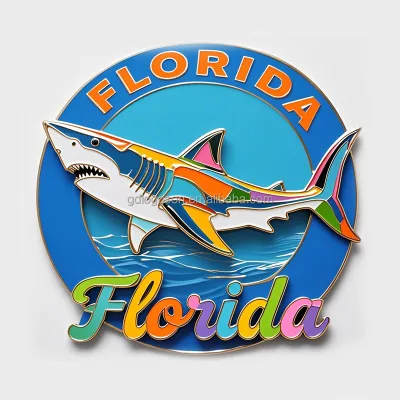
Explore 30 listings for Turtle Starfish Fridge Magnet options made from MDF and resin. Buyers can compare customized shapes, designs, and MOQs from suppliers in Zhejiang and Guangdong, China, for wholesale home decoration and souvenir gifts.
Key considerations
Products List
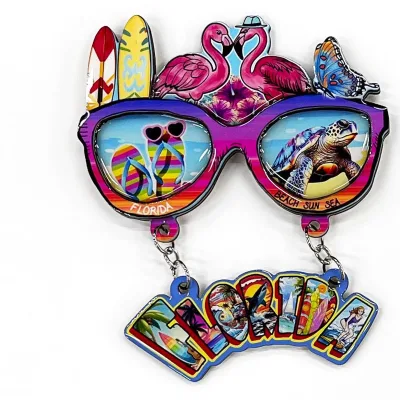
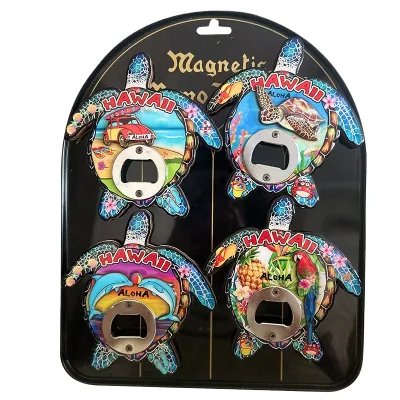
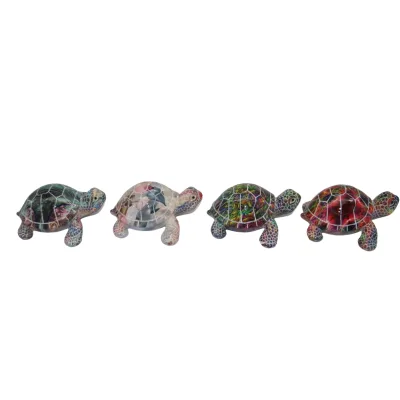
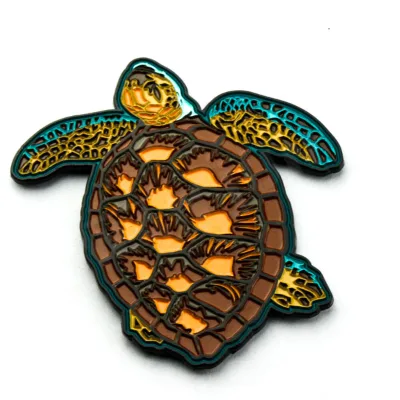
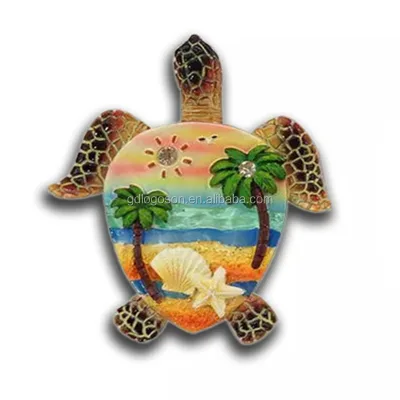
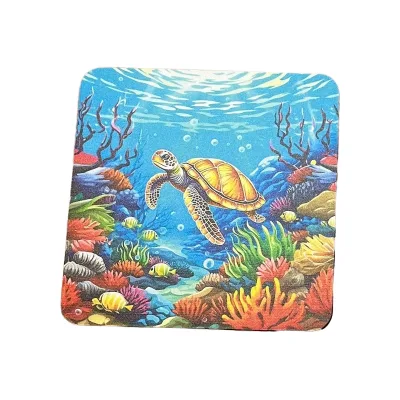
Ocean Turtle Beautiful Design Color OEM/ODM Welcomed Hot Sale For Sea City Souvenir
$0.27 - $0.33
MOQ: 1440 pieces
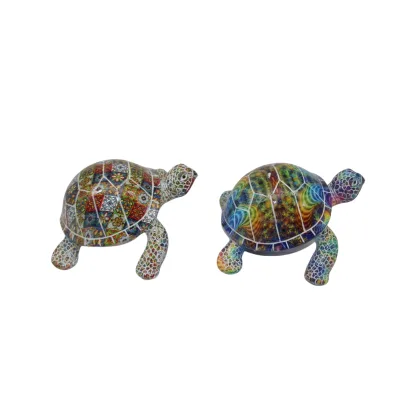






Comprehensive Sourcing Guide
Strategic Sourcing Guide for Turtle and Starfish Fridge Magnets
Procuring decorative magnetic items, specifically those featuring marine motifs like turtles and starfish, requires a nuanced understanding of material science, manufacturing capabilities, and supply chain logistics. The market for these items is diverse, ranging from simple promotional giveaways to high-end home decor souvenirs. Buyers must navigate a landscape where product attributes vary significantly between suppliers, even when the core visual theme remains consistent. This guide provides a disciplined approach to sourcing these items, focusing on verified technical specifications, material integrity, and supplier evaluation criteria based on current market observations.
Material Composition and Structural Integrity
The foundation of any successful procurement strategy for fridge magnets lies in the selection of raw materials. The observed market data indicates a clear divergence in material choices, primarily between MDF (Medium Density Fiberboard) and Resin. Each material offers distinct advantages regarding durability, weight, and aesthetic finish.
MDF-based magnets are frequently cited as the standard for custom-shaped items. The observed specifications highlight that MDF products often feature a "Customized Size" and "Custom Shape," allowing for intricate designs such as sea turtles or starfish. These items are typically described as having a "Handmade" feature, suggesting a level of craftsmanship that can enhance the perceived value. The single gross weight for these MDF units is observed around 0.500 kg per piece, which is substantial enough to ensure they stay attached to metallic surfaces without sliding. The material is noted for being "Eco-Friendly," a critical selling point for modern buyers concerned with sustainability.
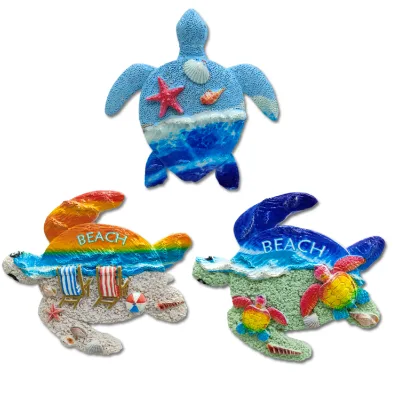
In contrast, resin-based options present a different profile. While the observed data lists resin as a material for similar decorative items, the specifications often point toward "Multi-piece Package" configurations and different weight profiles. Resin magnets can offer a glossy, three-dimensional finish that mimics the texture of real shells or coral, making them ideal for "Ocean Beach Souvenirs." However, buyers must verify the specific resin formulation, as some may be more brittle than others. The "Design Style" for resin items often leans toward "Coastal" or "Ocean" themes, aligning with the turtle and starfish motif.
When comparing these materials, the decision often rests on the intended application. MDF is generally preferred for flat, printed designs or laser-cut shapes that require a matte or painted finish. Resin is superior for items requiring depth, translucency, or a heavy, premium feel. The "Single package size" for MDF items is often larger (e.g., 10x10x10 cm) compared to resin counterparts (e.g., 7x5x0.3 cm), which impacts shipping costs and storage efficiency.
Technical Specifications and Customization Capabilities
Customization is the primary driver of value in the fridge magnet sector. The core keyword "Turtle Starfish Fridge Magnet" implies a need for specific shapes that are rarely off-the-shelf. The observed product data confirms that "Custom Shape" and "Customized Size" are standard attributes. Buyers should expect suppliers to offer "Customized Designs" and "Customized Color" options to match brand guidelines or thematic requirements.
The "Model Number" serves as a critical identifier for these custom configurations. For instance, specific models like FY-A256163 or FY-127 are associated with distinct design styles, such as "Turtle Shape MDF Fridge Magnet Bottle Opener" or "Ocean Beach Souvenirs." This indicates that suppliers often integrate functional elements, such as bottle openers, into the magnetic design, expanding the utility of the product beyond simple decoration. The "Magnetic Sticker Style" is noted as "Shape," confirming that the magnet itself is cut to the outline of the turtle or starfish rather than being a rectangular sticker with a printed image.
Packaging specifications are equally important for logistics planning. The data shows a split between "Single-piece Package" and "Multi-piece Package" configurations. Some items are packed as "1pc/opp Bag," while others may come in bulk packs. The "Sheet Size" is described as "Medium," which suggests that the raw material is cut to a standard dimension before being processed into the final shape. Buyers must verify if the "Single gross weight" aligns with their shipping budget, as the 0.500 kg weight for MDF items can accumulate quickly in large orders.
Cost Drivers and Minimum Order Quantity Analysis
Understanding the cost structure of these products is essential for budgeting. The observed price range in the market spans from 0.18 to 1.85 USD. This wide variance is driven by several factors, including material type, complexity of the shape, and the level of customization required. MDF items with complex cutouts and custom printing may fall toward the higher end of this spectrum, while simpler resin or standard sticker options may be closer to the lower bound.
Minimum Order Quantity (MOQ) is a significant constraint for buyers. The observed MOQ range is extensive, spanning from 1 to 1440 units. This discrepancy highlights the difference between suppliers catering to small businesses or individual buyers versus those serving large-scale distributors. Some suppliers list an MOQ of 50 pcs, making them accessible for small promotional campaigns. Others, particularly those specializing in high-volume MDF production, may require an MOQ of 1000 or 1440 pcs. The "MOQ" of 1000 pcs is frequently associated with custom MDF designs, while the 1440 pcs figure appears linked to specific resin or promotional models.
Buyers must also consider the "Selling Units," which are often listed as "Single item." This implies that the unit price is calculated per piece, but the total order must meet the supplier's MOQ threshold. The "Wholesale" feature is a common attribute, suggesting that volume discounts are likely available once the MOQ is met. However, buyers should not assume a specific discount structure without explicit confirmation from the supplier. The "Design" aspect, particularly "Customized Designs," often incurs a setup fee or a higher per-unit cost, which should be factored into the total cost of ownership.
Compliance, Certification, and Safety Standards
While the provided data does not list specific certification numbers, the "Eco-Friendly" feature of MDF products suggests a potential alignment with environmental standards. Buyers sourcing these items for export, particularly to markets like the European Union or North America, must verify compliance with local safety regulations.
For MDF products, the primary concern is the presence of formaldehyde and other volatile organic compounds (VOCs). Although the material is described as eco-friendly, buyers should request documentation proving that the adhesive and resin binders used in the MDF sheet meet relevant standards, such as CARB Phase 2 or E1/E0 emission standards. The "Handmade" attribute implies manual labor, which raises questions about worker safety and fair labor practices. Buyers should inquire about the supplier's adherence to labor standards, especially given the "Wholesale" nature of the production.
For resin-based magnets, the focus shifts to chemical safety and lead content. Resin items intended for children or as souvenirs must be free from toxic substances. The "Coastal" and "Ocean" design styles often appeal to families, making safety a critical factor. Buyers should verify that the paint and coating used on the magnets are non-toxic and lead-free. The "Single package size" and "Packing" details should also be checked to ensure that the packaging materials themselves do not violate plastic bans or recycling mandates in the destination country.
Supplier Evaluation and Geographic Considerations
The geographic origin of the supplier plays a pivotal role in lead times and communication. The observed data identifies two primary manufacturing hubs: Zhejiang, China, and Guangdong, China. Zhejiang is often associated with a wide range of paper and wood-based products, aligning with the MDF magnet specifications. Guangdong, on the other hand, is a major hub for resin and plastic goods, which correlates with the resin magnet data.
When evaluating suppliers, buyers should look for "OEM/ODM" acceptance. The data confirms that "Acceptabe" OEM/ODM services are available, meaning suppliers can produce items based on buyer-provided designs or create new designs from scratch. The "Logo" attribute, listed as "Accept Customized Logo," is a key differentiator for branded merchandise. Buyers should verify the supplier's capacity to handle logo placement, ensuring that the printing or embossing quality meets their standards.
Shipping logistics are another critical evaluation point. The observed "SHIPPING" options include major carriers like DHL, UPS, TNT, FedEx, and EMS. This indicates that suppliers are equipped to handle international logistics. However, buyers must confirm the specific lead times associated with these shipping methods. The "place of origin" will influence the transit time; for example, shipping from Guangdong may be faster to certain ports than from Zhejiang, depending on the destination.
Quality Control and Long-Term Procurement Strategy
Maintaining consistent quality is paramount when sourcing decorative magnets. The "Feature" list includes "Handmade" and "Wholesale," which can introduce variability in the final product. Buyers should implement a robust quality control (QC) protocol that includes pre-production samples and in-process inspections. For MDF items, checking the edge quality and the adhesion of the magnetic strip is essential. For resin items, inspecting for bubbles, color consistency, and structural integrity is necessary.
The "Usage" of these magnets extends beyond simple decoration to include "Home Decoration," "Souvenir Gift," "Promotion," and "Beer Bottle Opener." This versatility means that the product must withstand different handling conditions. A magnet intended as a bottle opener must have a strong magnetic hold to prevent accidental detachment during use. The "Design Style" of "Ocean" or "Coastal" should be consistent across the batch to ensure brand cohesion.
Long-term procurement considerations involve building a relationship with a supplier who can scale with demand. The wide range of MOQs suggests that some suppliers are flexible, while others are rigid. Buyers should aim to partner with suppliers who can accommodate both small test orders and large volume runs. The "Model Number" system used by suppliers (e.g., FY-24937, FY-24942) indicates a structured product catalog, which can simplify future reordering. However, buyers should ensure that the specific model numbers they select remain in production and are not subject to sudden discontinuation.
Application Scenarios and Market Positioning
The "Occasion" for these magnets is diverse, ranging from "Anniversary" and "congratulations" to general "Decoration" and "Souvenirs." This versatility allows buyers to target multiple market segments. For instance, "Turtle Shape MDF Fridge Magnet Bottle Opener" items are ideal for beach resorts, bars, and souvenir shops. The "Design" of "Ocean Beach Souvenirs" positions these items as travel mementos, which often command a higher price point due to their emotional value.
The "Color" attribute, listed as "Customized" or "Colorful," allows for market segmentation. Bright, vibrant colors may appeal to children and tourist markets, while muted, natural tones might suit home decor enthusiasts. The "Sticker Type" of "Magnetic Sticker" or "Single-page Sticker" indicates that the product can be used as a flat adhesive or a freestanding magnet, depending on the backing material.
In conclusion, sourcing turtle and starfish fridge magnets requires a careful balance of material selection, customization needs, and logistical planning. By focusing on the verified attributes of MDF and resin, understanding the MOQ constraints, and rigorously evaluating supplier capabilities, buyers can secure high-quality products that meet their specific market demands. The key to success lies in maintaining clear communication regarding specifications and ensuring that all compliance and quality standards are met before finalizing any large-scale orders.
FAQs
What materials are used for turtle starfish fridge magnets?
These magnets are primarily made from MDF or Resin. MDF options offer eco-friendly, handmade customization with a single gross weight of 0.500 kg, while resin variants provide a glossy, coastal design suitable for ocean-themed souvenirs.
Can I customize the shape and color of these magnets?
Yes, suppliers accept customized shapes and colors for these items. You can request specific designs like sea turtles or starfish with unique color schemes, and many vendors also allow adding a customized logo for branding purposes.
What is the minimum order quantity for these magnets?
The minimum order quantity varies significantly by supplier and material type. Some vendors require as few as 50 pieces, while others specializing in MDF or specific resin models may set the MOQ at 1000 or 1440 pieces.
Where are these magnets manufactured?
Manufacturing locations are primarily in Zhejiang and Guangdong, China. Zhejiang suppliers often produce MDF-based items, whereas Guangdong is a key hub for resin products, influencing shipping times and logistics for international buyers.
How much do turtle starfish fridge magnets cost?
The observed price range spans from 0.18 to 1.85 USD per unit. Costs depend on material selection, customization complexity, and order volume, with simpler designs typically falling at the lower end of this spectrum.
Are these magnets suitable for promotional gifts?
Yes, they are widely used for home decoration, souvenirs, and promotional gifts. Their versatility allows them to serve as bottle openers or decorative items for occasions like anniversaries, making them ideal for corporate branding campaigns.