Source Two-in-One Headband Sunglasses Bangle for Gifts, Parties, and Engagement
Compare 30 listings for the Two-in-One Headband Sunglasses Bangle from verified suppliers. This page details materials like crystal and silver, sizes, and shipping options for bulk orders.
Key considerations
Products List
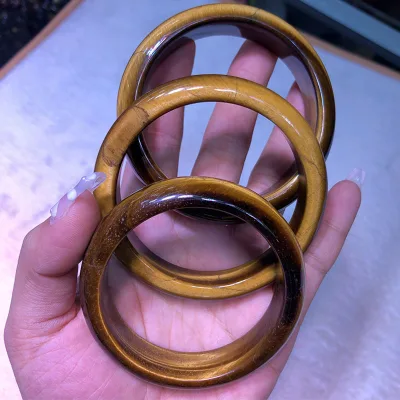
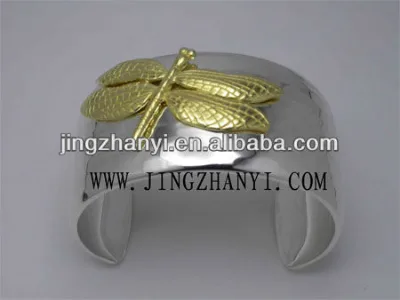
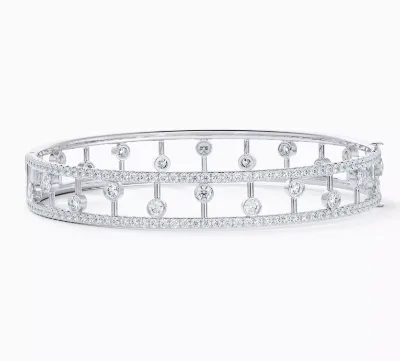
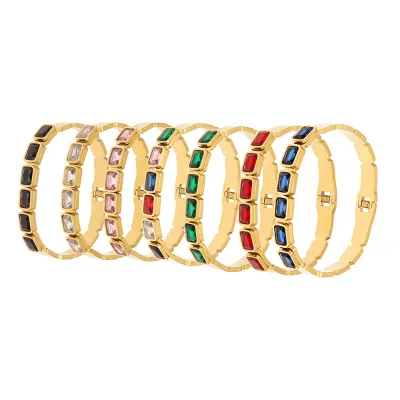
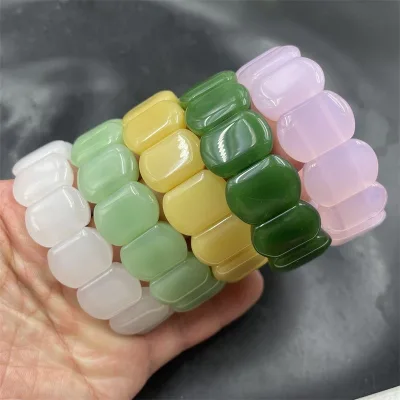


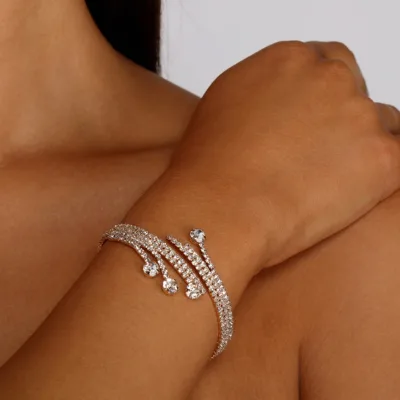


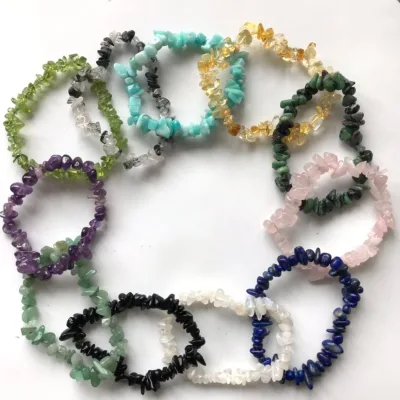


Comprehensive Sourcing Guide
Strategic Sourcing Guide for Multi-Functional Headband Sunglasses and Bangle Assemblies
Understanding the Product Category and Functional Convergence
The core keyword "Two-in-One Headband Sunglasses Bangle" represents a complex intersection of eyewear, wearable accessories, and jewelry. In the B2B procurement landscape, this category often refers to products where optical components are integrated into a headband structure, or where the headband itself functions as a decorative bangle when removed from the face. Buyers must first distinguish between functional eyewear with integrated headbands and purely decorative bangles that mimic the aesthetic of sunglasses. The supplied product data indicates a market heavily populated by items labeled as "Yellow tiger eye bangle" or "Silver/Brass" jewelry, which suggests that many listings under this keyword may be fashion accessories rather than functional optical devices.
When sourcing this specific convergence, the primary technical challenge is the integration of lenses or lens frames into a flexible or rigid bangle structure. The observed product attributes reveal a diverse range of materials, including "Crystal," "Silver," "Brass," and "Glass stone." This material diversity implies that the "two-in-one" functionality might be achieved through modular designs or aesthetic mimicry rather than a single monolithic optical unit. Procurement teams must verify whether the product offers actual UV protection and optical clarity or if it serves primarily as a fashion statement where the "sunglasses" element is decorative. The presence of "Polished" techniques and "Antique plating" in the data suggests a focus on surface finish and aesthetic longevity, which are critical for jewelry-grade items but secondary to optical performance in eyewear.
Technical Specifications and Material Composition Analysis
A rigorous evaluation of technical specifications is essential when dealing with hybrid products that blend jewelry and eyewear. The supplied data highlights specific model numbers such as "b022" and "ORDER-11330BA," alongside size ranges like "53-53 mm" to "61-62 mm." These dimensions likely refer to the internal diameter of the bangle or the width of the headband. For a functional "two-in-one" product, the structural integrity of the bangle must support the weight of any attached optical components without deformation.
Material composition is a primary driver of both cost and performance. The data lists "Crystal," "Silver," "Brass," and "Glass stone" as primary materials. Crystal and glass stones offer high clarity and a premium aesthetic but may be brittle compared to metal alloys. Silver and brass provide structural durability and are often used for the frame or the bangle band itself. The "Plating" attribute, specifically "antique plating," indicates a surface treatment intended to create a vintage look or prevent tarnishing. Buyers should verify the thickness of this plating, as thin layers on brass can wear off quickly, exposing the base metal and compromising the product's appearance.
Furthermore, the "Single package size" of "10X10X10 cm" and "10X7X0.5 cm" suggests that these items are compact and lightweight, with a "Single gross weight" of "0.05 kg." This low weight is advantageous for shipping but requires careful engineering to ensure that the "two-in-one" mechanism does not fail under the stress of wearing. The "Technique" is listed as "Polished," which is a standard finishing process for metal and stone to enhance luster. However, for eyewear components, the polish must not interfere with the optical surface quality. Buyers must request detailed specifications on the lens material, if applicable, as the provided data focuses heavily on the bangle and jewelry aspects rather than optical properties.
Compliance, Certification, and Safety Verification
Compliance is a critical area for products that come into contact with the human body, particularly when they involve eyewear. The supplied background information mentions standards such as "EN 166" and "ISO 12312," which are relevant to eyewear safety. EN 166 covers personal eye protection, specifying requirements for impact resistance, optical quality, and durability. ISO 12312 relates to sunglasses and related eyewear, focusing on UV protection and lens quality.
However, the provided product facts do not explicitly confirm that any specific listed item meets these standards. The data includes attributes like "Feature: Fashion Trend" and "quality: high," but these are marketing terms rather than certified compliance statements. Procurement teams must treat these attributes as observations and not as guarantees of safety. When sourcing "Two-in-One Headband Sunglasses Bangle" products, buyers must explicitly request certification documents proving that the optical components meet EN 166 or ISO 12312 standards. This is especially important if the product is marketed as functional sunglasses rather than purely decorative jewelry.
Additionally, jewelry components must comply with regulations regarding heavy metals and allergens. The use of "Silver" and "Brass" raises questions about nickel content, which can cause allergic reactions. Buyers should verify that the supplier adheres to relevant REACH regulations or local safety standards regarding heavy metal content in jewelry. The "Packing" attribute mentions "Safe Package" and "OPP bags+ Scratch resistant protective film," which indicates a focus on preventing physical damage during transit, but this does not equate to compliance with safety standards for the product itself.
Cost Drivers and Pricing Structure Analysis
The observed price range of "0.1-5931.43" USD indicates a massive variance in product value, likely driven by material quality, brand positioning, and the complexity of the "two-in-one" mechanism. The lower end of the spectrum, around $0.10, suggests mass-produced fashion accessories made from base metals and synthetic stones. The upper end, exceeding $5,000, likely corresponds to high-end jewelry pieces featuring precious metals, genuine gemstones, or intricate engineering.
Key cost drivers include the "Material/type" and the "Brand Name." Products branded as "DS" or "Jingzhanyi" or "SC-Jewelry" may command higher prices due to brand equity, though the data does not confirm the market value of these specific brands. The "MOQ" (Minimum Order Quantity) ranges from "1" to "2000," influencing the unit cost. Higher MOQs typically result in lower per-unit costs due to economies of scale. The "Supply Ability" of "3000 pieces per Month" suggests that suppliers can handle moderate to large orders, but buyers must confirm lead times for custom designs.
The "Plating" and "Technique" also affect cost. "Antique plating" and "Polished" finishes require additional processing steps compared to raw metal or stone. The "Feature: the color can keep forever" claim, while marketing-oriented, implies a higher cost for durable plating or high-quality materials that resist fading. Buyers should analyze the cost breakdown between the bangle component and the sunglasses component, as the latter may require specialized optical manufacturing that significantly increases the overall price.
Typical Applications and Market Positioning
The "Usage" and "Occasion" attributes provide insight into the intended market for these products. The data lists "Gifts," "Engagement," "Party," and "Business Services" as key occasions. This suggests that the "Two-in-One Headband Sunglasses Bangle" is positioned as a versatile accessory suitable for various social and professional settings. The "Style" attributes, including "Love," "Business Services," and "Folk Art," indicate a broad appeal across different consumer demographics.
In the context of "Processing," the product is likely intended for retail distribution rather than industrial use. The "Gender: Unisex" attribute expands the potential market, making the product suitable for a wide range of customers. The "Application: Processing" tag is somewhat ambiguous but may refer to the manufacturing process or the intended use in a retail environment.
The "Color" options, ranging from "Yellow" to "White" and various "glass stone" combinations, allow for customization based on market trends. The "Feature: Fashion Trend" confirms that these products are driven by seasonal fashion cycles. Buyers should consider the target demographic when selecting specific models. For instance, "Engagement" occasions might favor more elegant designs with "Silver" and "Diamond Cut" attributes, while "Party" occasions might favor bolder colors and "Antique plating."
Supplier Evaluation and Quality Control Protocols
Evaluating suppliers for this niche category requires a multi-faceted approach. The "Place of Origin" data lists "Donghai," "Guangdong, China," and "Zhejiang, China." These regions are known for jewelry and eyewear manufacturing, but the specific capabilities of each location may vary. Donghai is renowned for crystal and gemstone processing, while Guangdong and Zhejiang are hubs for metalworking and assembly.
Buyers should verify the "Supply Ability" and "Port of dispatch" (e.g., "shenzhen") to ensure logistical feasibility. The "Shipping way" options, including "DHL," "UPS," "EMX," "TNT," and "Fedex," indicate that suppliers are equipped for international logistics. However, buyers must confirm that the chosen shipping method aligns with the product's fragility, especially for items with "Crystal" or "Glass stone" components.
Quality control protocols should focus on the "Technique" and "Material" consistency. The "Polished" finish and "Antique plating" must be uniform across all units in an order. Buyers should request pre-shipment samples to verify the "Single gross weight" and "Single package size" against the specifications. The "Packing Details" of "OPP bags+ Scratch resistant protective film" are standard, but buyers should ensure that the packaging is robust enough to prevent damage during transit.
Long-Term Procurement and Sustainability Considerations
Long-term procurement strategies for "Two-in-One Headband Sunglasses Bangle" products must account for market volatility and sustainability. The "Feature: the color can keep forever" claim, while appealing, requires verification to ensure it is not a marketing exaggeration. Buyers should assess the durability of the plating and the stability of the materials over time.
Sustainability is becoming increasingly important in the jewelry and eyewear sectors. Buyers should inquire about the sourcing of "Silver," "Brass," and "Crystal" to ensure they are ethically sourced. The "Brand Name" and "Model Number" can help track product lines and ensure consistency in future orders. The "MOQ" flexibility allows buyers to test the market with smaller orders before committing to larger volumes, reducing the risk of inventory obsolescence.
Finally, the "Selling Units: Single item" attribute suggests that these products are often sold individually, which may impact packaging and shipping costs. Buyers should optimize their order quantities to balance the "MOQ" constraints with their inventory needs. By focusing on technical specifications, compliance, and supplier reliability, buyers can navigate the complex landscape of hybrid headband sunglasses and bangle products effectively.
FAQs
What materials are used for the bangle components?
The bangle components are made from Crystal, Silver, Brass, and Glass stone. Some listings specify Yellow tiger eye as the material type, while others use silver or brass as the main jewelry material.
Which sizes are available for the bangle models?
Available sizes range from 53-53 mm up to 61-62 mm in increments of one millimeter. Specific models like b022 offer this full range of internal diameters for different wrist sizes.
Can buyers find suppliers with a low minimum order quantity?
Yes, some suppliers offer a minimum order quantity of just 1 piece. Other listings require a minimum of 10 pieces, providing flexibility for small trial orders or bulk purchasing needs.
Where are the manufacturing locations for these products?
Products originate from Donghai, Guangdong, and Zhejiang in China. These regions are known for crystal processing and jewelry manufacturing, with shipping ports often located in Shenzhen.
What packaging details are provided for safe shipping?
Items are packed in Safe Packages, OPP bags, and scratch-resistant protective films. The single package size is typically 10x10x10 cm or 10x7x0.5 cm with a gross weight of 0.05 kg.
Which finishing techniques are applied to the jewelry?
The jewelry undergoes polishing and antique plating techniques to enhance appearance. Some products claim the color can keep forever, though this is a feature observation rather than a certified guarantee.
What is the supply capacity for monthly orders?
One listed supplier has a supply ability of 3000 pieces per month. This capacity supports moderate to large orders, but buyers should verify lead times for specific custom designs.