Source two-mouth chemical experiment reaction flask for labs
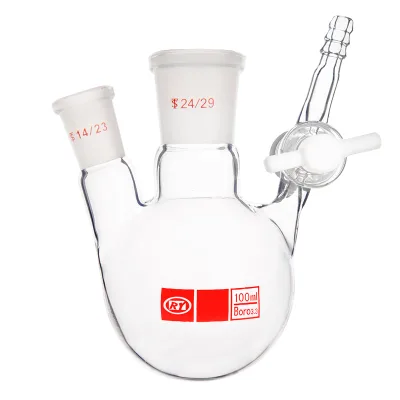
Compare 30 two-mouth chemical experiment reaction flask options from verified Chinese manufacturers. Browse transparent glass flasks with high vacuum valves and PTFE joints in capacities from 50ml to 3000ml with OEM support.
Key considerations
Products List


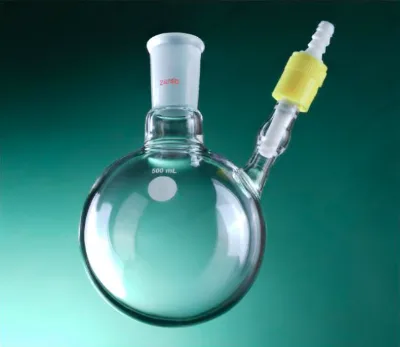
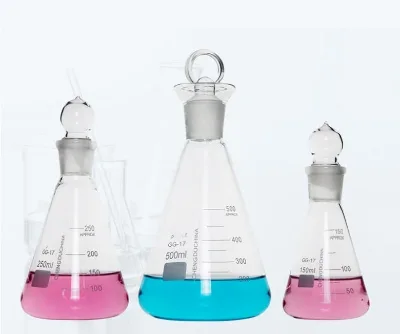
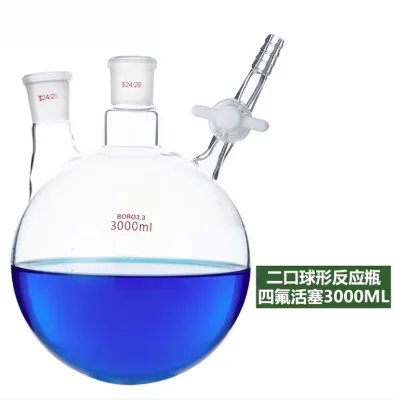
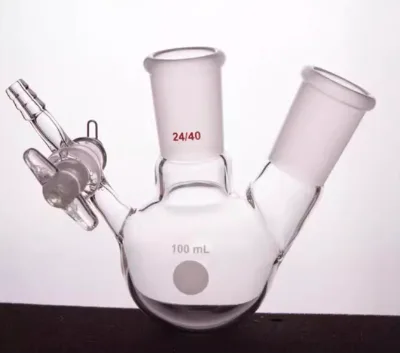
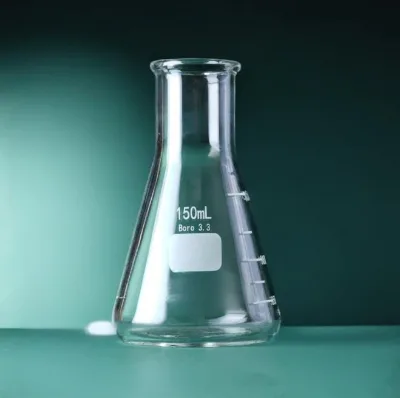
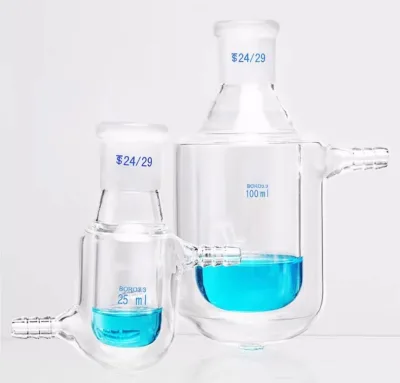


Non-Stick Sample, PTFE Three-Neck Flat Bottom Flask for Sample Digestion
$332.00 - $1198.00
MOQ: 3 Pieces


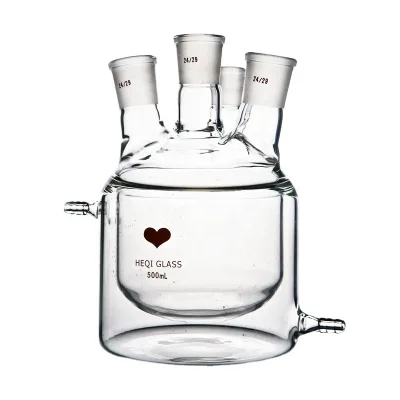
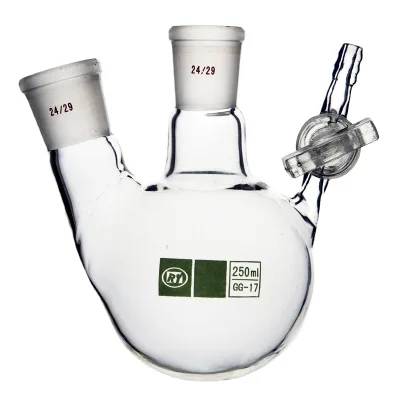
Comprehensive Sourcing Guide
Strategic Sourcing Guide for Two-Mouth Chemical Experiment Reaction Flasks
Understanding Product Architecture and Technical Specifications
The two-mouth chemical experiment reaction flask represents a specialized category of laboratory glassware designed for complex synthesis, distillation, and reflux operations where simultaneous reagent addition and gas venting are required. Unlike standard single-neck flasks, these units feature two distinct ports, typically configured with standardized ground glass joints to ensure airtight connectivity with condensers, dropping funnels, or vacuum lines. The primary material composition for these vessels is high-borosilicate glass, selected for its thermal shock resistance and chemical inertness, which are critical for maintaining integrity during exothermic reactions or vacuum filtration processes.
In the current market, these flasks are available in a wide range of capacities, spanning from small-scale 50ml units to large-volume 3000ml industrial reactors. The physical dimensions vary significantly based on capacity; for instance, a 50ml unit typically measures approximately 115mm in width and 65mm in height, whereas a 1000ml variant can reach dimensions of 230mm by 129mm. Some configurations include specific features such as a high vacuum valve with a vent hole, designed to manage pressure differentials safely during operation. The joint specifications are equally critical, with common configurations including 24/40 and 19/22 standard tapers. Buyers must verify that the joint numbers on the flask match the corresponding adapters and stopcocks in their existing inventory to prevent leakage or assembly failure.
The structural design often includes a short neck variant or a wide-mouthed conical shape to facilitate the addition of solid reagents or the cleaning process. Specific models may feature a "Two-port PTFE joint gate" mechanism, allowing for precise flow control without the need for traditional glass stopcocks, which can be prone to seizing. The packaging dimensions also reflect the fragility of the product; a single 50ml flask might be packed in a 10.0x7.0x7.0 cm carton, while larger 2000ml units require significantly more robust packaging, often exceeding 25cm in length and width to prevent breakage during transit.
Compliance Framework and Certification Verification
When sourcing laboratory glassware, particularly for chemical processing, verifying compliance with international safety and quality standards is paramount. The supplied data indicates that products in this category frequently carry certifications such as RoHS (Restriction of Hazardous Substances), ISO (International Organization for Standardization), and CE (Conformité Européenne). These certifications suggest that the manufacturing process adheres to specific environmental guidelines regarding hazardous materials and meets European safety requirements for equipment.
However, buyers should not assume that every listed product automatically satisfies all certification criteria without direct verification. The presence of a "RoHS" tag on a product listing implies compliance with the directive regarding the restriction of lead, mercury, cadmium, and other hazardous substances in electrical and electronic equipment, but for glassware, this often relates to the glazes or coatings used. ISO certification typically refers to the quality management system of the manufacturer (e.g., ISO 9001), ensuring consistent production processes, rather than a specific product performance standard. Similarly, the CE mark indicates that the product meets EU health, safety, and environmental protection requirements.
Buyers must request current, valid certificates from the supplier rather than relying solely on marketing claims. It is essential to confirm the specific version of the ISO standard and the scope of the CE declaration. For chemical applications, additional verification regarding the thermal stability and chemical resistance of the glass itself is necessary. While the material is identified as glass, the specific borosilicate grade (e.g., DIN 7080 or ASTM E438) should be confirmed to ensure it can withstand the temperature ranges and chemical exposures of the intended experiment. The absence of explicit mention of specific chemical resistance standards in the provided data means buyers must request material safety data sheets (MSDS) or technical data sheets (TDS) to validate performance claims.
Cost Drivers and Pricing Structure Analysis
The pricing for two-mouth reaction flasks is influenced by a complex interplay of factors, including capacity, joint complexity, customization requirements, and packaging logistics. The observed market price range is extensive, spanning from $0.20 to $10,000. This wide variance reflects the difference between small, standard 50ml laboratory flasks and large, custom-engineered industrial reactors with specialized valve systems. The lower end of the spectrum typically covers basic, non-customized units with standard joint configurations, while the higher end encompasses large-volume flasks with integrated high vacuum valves, custom branding, or specialized PTFE fittings.
Minimum Order Quantity (MOQ) is another significant cost driver. The data shows an MOQ range from 1 to 5000 units. Purchasing a single unit for prototyping or small-scale research will incur a higher per-unit cost compared to bulk orders. Suppliers often offer tiered pricing structures where the unit price decreases as the order volume increases. For instance, an order of 5000 units may trigger a significant discount compared to an order of 100 units. Buyers should also consider the "Selling Units" designation; if the product is sold as a single item, the base price applies directly. However, if the product is sold in sets or packs, the effective unit cost must be calculated based on the contents of the package.
Customization is a major factor in cost escalation. The availability of OEM (Original Equipment Manufacturer) and ODM (Original Design Manufacturer) services allows buyers to brand the flasks with their own logo or modify dimensions. While the data confirms that customization is available and OEM support is offered, these services invariably add to the production cost and may increase the lead time. The lead time is noted as 10 days after payment for standard orders, but custom orders may require additional time for mold creation or design approval. Packaging costs also contribute to the final price; the transition from a single item to a carton-packed unit involves additional material and labor costs, which are reflected in the "Single gross weight" and "Single package size" metrics.
Typical Applications and Operational Context
Two-mouth reaction flasks are indispensable in various scientific and industrial settings where controlled chemical reactions are necessary. The primary application is in organic synthesis, where one mouth is used for the addition of reagents via a dropping funnel, and the other is connected to a condenser for refluxing or distillation. This configuration allows for the continuous addition of reactants while maintaining a closed system to prevent the loss of volatile solvents or the ingress of atmospheric moisture.
In pharmaceutical research, these flasks are used for small-batch production of active ingredients, where precise temperature control and pressure management are critical. The high vacuum valve feature mentioned in the product data is particularly useful in applications requiring reduced pressure, such as vacuum distillation or solvent removal, allowing for the safe venting of gases without compromising the vacuum seal. The wide-mouthed conical variants are often preferred for reactions involving solid reagents or precipitates, as the wider opening facilitates easier mixing and cleaning.
Industrial applications may utilize the larger capacity flasks (e.g., 1000ml to 3000ml) for pilot-scale testing before full-scale production. The "Two-port PTFE joint gate" configuration is ideal for processes requiring frequent flow adjustments without the risk of glass stopcocks breaking or seizing. The transparency of the glass allows for visual monitoring of the reaction progress, color changes, and phase separation, which is essential for quality control in both research and manufacturing environments. The non-disposable nature of these flasks ensures they can be sterilized and reused, making them a cost-effective solution for long-term laboratory operations.
Supplier Evaluation and Procurement Strategy
Evaluating suppliers for two-mouth reaction flasks requires a rigorous assessment of their manufacturing capabilities, quality control processes, and logistical reliability. The data indicates that the products originate from Jiangxi, China, a region known for its glassware manufacturing industry. Buyers should verify the specific factory location and production capacity to ensure the supplier can meet demand fluctuations. The availability of OEM and ODM services suggests that the supplier has the flexibility to adapt to specific buyer requirements, but this should be confirmed through a detailed discussion of design specifications and intellectual property rights.
Key evaluation criteria include the supplier's response time, the clarity of their technical documentation, and their ability to provide samples for testing. The "10 Days After Payment" delivery time is a standard metric, but buyers should clarify if this applies to stock items or custom orders. For custom orders, a more extended lead time should be expected. The warranty period of 1 year is a significant factor in supplier reliability, indicating confidence in the product's durability. However, buyers must understand the terms of the warranty, including what constitutes a defect versus normal wear and tear, and the process for claiming replacement or repair.
The "Customization" attribute implies that the supplier can offer tailored solutions, but buyers should assess the complexity of the customization process. Simple branding may be straightforward, while structural modifications require engineering validation. The "Single gross weight" and "Single package size" data points are useful for calculating shipping costs and storage requirements. Buyers should request a detailed packing list to ensure that the packaging is sufficient to prevent breakage during transit, especially for fragile glassware. The "Carton" packing method is standard, but the quality of the carton and the internal cushioning materials should be verified to minimize the risk of damage.
Quality Control and Long-Term Procurement Considerations
Maintaining high quality standards for two-mouth reaction flasks involves a multi-stage quality control process. Upon receipt, buyers should inspect the glass for defects such as bubbles, cracks, or uneven grinding of the joints. The standardization of the ground glass joints is critical; any deviation from the specified taper (e.g., 24/40) can lead to leakage or difficulty in assembly. Buyers should perform a fit-test with standard adapters to ensure compatibility before integrating the flasks into their production lines.
Long-term procurement considerations include the consistency of the product quality over time. Suppliers should demonstrate a commitment to maintaining consistent standards across batches, which is often indicated by ISO certification. The "1 Year" warranty provides a safety net, but proactive quality management is essential to prevent disruptions. Buyers should establish a relationship with the supplier that includes regular communication about production schedules and any potential changes in materials or processes.
The non-disposable nature of the flasks means that their longevity is a key performance metric. Buyers should assess the thermal and chemical resistance of the glass to ensure it can withstand repeated use and cleaning cycles. The "High vacuum valve with vent hole" feature should be tested for durability and ease of operation. Over time, the PTFE components may degrade, and the supplier should be able to provide replacement parts or guidance on maintenance.
In conclusion, sourcing two-mouth chemical experiment reaction flasks requires a balanced approach that considers technical specifications, compliance, cost, and supplier reliability. By carefully evaluating the product attributes, verifying certifications, and establishing clear communication channels with suppliers, buyers can secure high-quality glassware that meets their specific experimental and industrial needs. The extensive range of capacities and configurations available in the market allows for tailored solutions, but the responsibility lies with the buyer to ensure that the selected products align with their operational requirements and safety standards.
FAQs
What certifications do two-mouth chemical experiment reaction flasks have?
These flasks typically carry RoHS, ISO, and CE certifications. Buyers should verify the specific version of the ISO standard and the scope of the CE declaration to ensure compliance with environmental and safety requirements for laboratory use.
How long is the delivery time for standard orders?
The standard delivery time is 10 days after payment. This timeline applies to stock items, while custom orders with OEM support may require additional time for mold creation or design approval before shipment.
Which capacities are available for these reaction flasks?
Available capacities range from 50ml to 3000ml, including specific sizes like 100ml, 250ml, 500ml, and 1000ml. The physical dimensions vary significantly based on capacity, with larger units requiring more robust packaging to prevent breakage.
Can I customize the flasks with my own brand?
Yes, OEM and ODM customization services are available for these flasks. Buyers can request branding or specific modifications, though these customizations will likely increase the unit cost and may extend the lead time beyond the standard 10 days.
What is the warranty period for the glass flasks?
The product comes with a 1-year warranty period. This indicates confidence in the product's durability, but buyers must understand the specific terms regarding defects versus normal wear and tear to ensure valid claims.
How are the flasks packaged for shipping?
Flasks are packed in cartons with dimensions varying by size, such as 10.0x7.0x7.0 cm for smaller units. The packaging is designed to prevent breakage during transit, with larger units requiring significantly more robust carton protection.