Source type-c ceramic wired earbuds for Mobile Phone, Computer, and Portable Media Player
Find 30 listings for type-c ceramic wired earbuds with wired communication and USB-C connectors. Buyers can compare specifications like wire material, jack type, and usage scenarios across multiple suppliers in Shenzhen, China.
Key considerations
Products List


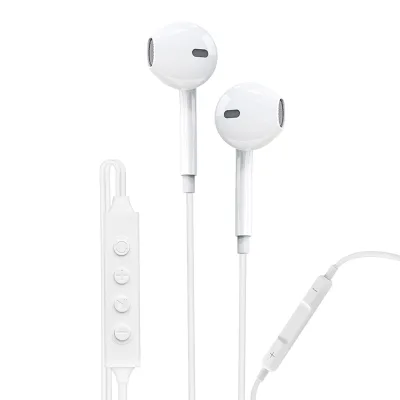
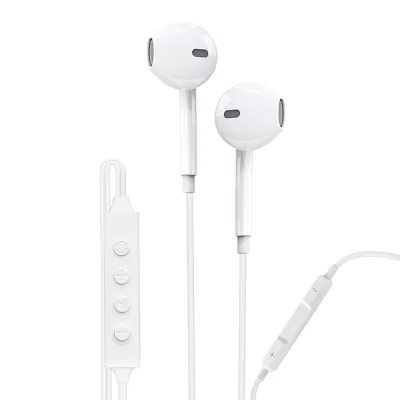


Comprehensive Sourcing Guide
Type-C Ceramic Wired Earbuds Sourcing Guide
Sourcing type-c ceramic wired earbuds requires a nuanced understanding of the intersection between modern connectivity standards and traditional acoustic materials. The core keyword highlights two distinct product attributes: the USB-C connector interface and the ceramic housing material. Buyers must recognize that "wired" in this context refers to the physical connection to the device, while the "type-c" designation specifies the digital or analog audio transmission protocol. This guide provides evidence-based procurement strategies for sourcing these specific audio peripherals, focusing on technical verification, material integrity, and commercial due diligence. The following sections detail the critical decision points for procurement professionals evaluating suppliers in this niche market.
Product Scope and Observed Listing Signals
The observed market signals indicate a diverse range of product configurations under the broad category of USB-C audio accessories. Listings frequently display models identified as "USB-C Earbuds" or "USB-C Earphone," with origins predominantly traced to Shenzhen, China. The product scope extends beyond simple mobile phone usage to include compatibility with computers, portable media players, and even specialized applications like aviation and home theatre systems. Buyers should note that while the core function is audio playback, some listings claim additional functionalities such as noise-cancelling, multimedia support, and even RF or infrared capabilities, which may indicate hybrid or multi-functional devices rather than standard passive earbuds.
Material composition is a critical differentiator in this segment, with observed listings citing various wire materials including TPE, OCC (Oxygen-Free Copper), PVC, and TPC. The ceramic aspect of the keyword suggests a premium housing material, often chosen for its acoustic properties and aesthetic appeal, though buyers must verify if the ceramic is used for the earbud housing, the cable jacket, or both. Packaging varies from retail boxes to simple unit packaging, and customization options are widely available, allowing for branding and structural modifications. The presence of "Line-Control" attributes in some listings suggests that certain models include in-line microphones and controls, adding a layer of complexity to the wiring and connector requirements.
Technical Specifications to Verify
Verifying the electrical and physical specifications of USB-C earbuds is paramount to ensuring compatibility and performance. The USB-C connector can support both analog and digital audio signals, and the internal Digital-to-Analog Converter (DAC) implementation varies significantly between suppliers. Buyers must confirm whether the earbuds contain an integrated DAC chip, as this affects compatibility with devices that lack native USB-C audio support. Additionally, the jack type is listed as both "USB" and "Plug-in" in various contexts, requiring clarification on the exact pinout and protocol support. The earpad size is observed in both "Medium" and "One Size" variants, necessitating careful selection based on the target user demographic to ensure comfort and proper acoustic sealing.
The structural design and acoustic principles also require rigorous verification. Listings indicate a "Closed" structure and "Capacitive" principles, which may refer to the touch control mechanism or the driver type, though "Moving-Iron Headphones" are also cited, suggesting a mix of dynamic and balanced armature drivers in the market. The appearance is consistently described as "in-Ear," which impacts noise isolation and fit stability. Buyers should request detailed schematics or sample testing to confirm the frequency response and impedance matching. Furthermore, the wire material, whether TPE for flexibility or OCC for conductivity, directly influences durability and signal integrity, making material specification a key technical checkpoint during the sourcing process.
Compliance and Safety Documentation
While specific certification statuses are not uniformly confirmed across all listings, buyers must insist on comprehensive compliance documentation for electronic audio products. The presence of CE and RoHS certifications in background data suggests that reputable suppliers in this category typically adhere to European safety and environmental standards. However, procurement teams should not assume compliance based on general market trends; instead, they must request valid test reports for each batch or model. This includes verifying that the USB-C connector meets the relevant USB-IF specifications to prevent damage to the host device’s port. Safety standards for electrical components, particularly those involving integrated DACs and potential power draw from the host device, must be clearly documented.
Environmental and material safety is equally critical, especially given the use of ceramic and various polymers like TPE, PVC, and TPC. Buyers should verify that the materials used in the earbud housing and cable jacket are free from hazardous substances, aligning with RoHS directives. Additionally, if the products are marketed for use in aviation or home theatre systems, specific industry standards may apply. The "Waterproof" attribute mentioned in some listings requires verification of the IP rating through independent testing, as this claim significantly impacts the product’s durability and warranty terms. Ensuring that all safety and environmental claims are backed by third-party laboratory reports is essential for mitigating liability and ensuring market access in regulated regions.
Cost Drivers and Commercial Terms
The cost structure for type-c ceramic wired earbuds is influenced by several key factors, including the complexity of the USB-C interface, the quality of the internal DAC, and the material composition of the housing and cable. The observed price range of 0-25 USD indicates a highly competitive market with significant variation based on feature sets and build quality. Buyers should analyze the cost breakdown to understand the premium associated with ceramic materials versus standard plastic housings and the additional cost of integrated audio processing chips. The MOQ (Minimum Order Quantity) ranges from 1 PC to 2000 units, offering flexibility for both small-scale testing and large-volume production runs, which can impact unit pricing and negotiation leverage.
Commercial terms such as shipping methods, delivery times, and warranty policies are critical components of the total cost of ownership. Listings indicate a variety of shipping options, including DHL, UPS, FedEx, air cargo, sea freight, and train transport, allowing buyers to optimize for speed versus cost. The observed delivery time of 3 days suggests rapid turnaround capabilities for some suppliers, which is advantageous for just-in-time inventory management. Warranty periods of 1 year and 24-hour service support are common, but buyers must clarify the scope of these services, including return policies and repair procedures. Drop shipping acceptance is also noted, providing an option for retailers looking to streamline their fulfillment processes without holding inventory.
Supplier Qualification and Quality Control
Qualifying suppliers for type-c ceramic wired earbuds requires a thorough assessment of their manufacturing capabilities and quality control processes. Given the concentration of suppliers in Shenzhen, China, buyers should verify the supplier’s production capacity, factory audits, and history of exporting to target markets. The availability of customization services, including logo printing and packaging design, indicates a level of manufacturing flexibility that should be evaluated against the supplier’s ability to maintain consistent quality across customized orders. Buyers should request samples to assess the build quality, fit, and acoustic performance before committing to larger orders, paying close attention to the durability of the USB-C connector and the integrity of the ceramic housing.
Quality control measures should include incoming material inspections, in-process checks, and final product testing. Buyers should inquire about the supplier’s testing protocols for electrical safety, audio performance, and mechanical durability. The "Compatible Brand: All" claim suggests broad compatibility, but buyers must verify this through testing with various devices, including smartphones, tablets, and computers. Additionally, the "Customized" and "Non-Customized" options indicate that suppliers may offer both standard and bespoke products, requiring distinct quality assurance protocols for each. Establishing clear acceptance criteria and inspection procedures in the purchase agreement is essential to ensure that the delivered products meet the specified technical and aesthetic requirements.
Long-Term Procurement Checks
Long-term procurement success with type-c ceramic wired earbuds depends on continuous monitoring of market trends, technological advancements, and supplier performance. The USB-C standard is evolving, and buyers must stay informed about changes in audio protocol support and device compatibility to avoid obsolescence. Regular reviews of supplier performance, including on-time delivery rates, product defect rates, and responsiveness to issues, are necessary to maintain a reliable supply chain. Buyers should also consider the lifecycle of the product, including the availability of spare parts and the potential for future upgrades or variations in design.
Sustainability and ethical sourcing practices are increasingly important in the electronics industry, and buyers should evaluate their suppliers’ commitment to environmental responsibility and labor standards. This includes verifying the sourcing of raw materials, such as copper and ceramics, and ensuring that manufacturing processes minimize waste and energy consumption. Building a long-term partnership with suppliers who share these values can enhance brand reputation and mitigate supply chain risks. Finally, maintaining open communication with suppliers regarding feedback from end-users and market demands will enable continuous improvement and innovation in product offerings, ensuring that the sourced earbuds remain competitive and relevant in the evolving audio accessory market.
FAQs
What customization options are available for these earbuds?
Customization is available for these products, allowing buyers to request specific modifications. The listing confirms that customized options exist, though specific details depend on the supplier's capabilities and order volume requirements.
Which communication methods do these earbuds support?
These earbuds support both wired and wireless communication methods depending on the specific model selected. Some listings indicate wired connections via USB or USB-C, while others mention wireless functionality for mobile phones and computers.
Can I order a single unit of these earbuds?
Yes, you can order a single unit as the minimum order quantity is listed as 1 piece for some models. This low MOQ allows buyers to test the product before committing to larger bulk orders.
What materials are used for the wire construction?
The wire material varies by model and includes options like TPE, OCC, PVC, and TPC. Buyers should verify the specific material composition with the supplier to ensure it meets their durability and performance needs.
How long is the delivery time for these products?
The delivery time can be as short as 3 days for certain items, though this varies by supplier. Shipping methods include DHL, UPS, FedEx, and air or sea cargo depending on the urgency and destination.
What is the origin location of these earbuds?
The products originate from Shenzhen, China, or generally from China as a manufacturing hub. This location is a common source for electronics and allows for efficient logistics to international buyers.
Which brands are compatible with these earbuds?
These earbuds are compatible with all brands, including specific mentions of iPhone compatibility for certain models. They are designed to work with mobile phones, computers, and portable media players across various operating systems.