Source Warm Knitted Winter Hat for Outdoor, Sports, and Daily Wear
Compare 30 Warm Knitted Winter Hat options from verified Chinese suppliers. Buyers can evaluate materials like acrylic and cotton, customization features, and pricing details for winter, spring, and autumn use.
Key considerations
Products List


Knitted Beanie Knitted Hat Warm Hat Winter Hat with Embroidery Logo NTD014
$0.79 - $2.50
MOQ: 50 Pieces


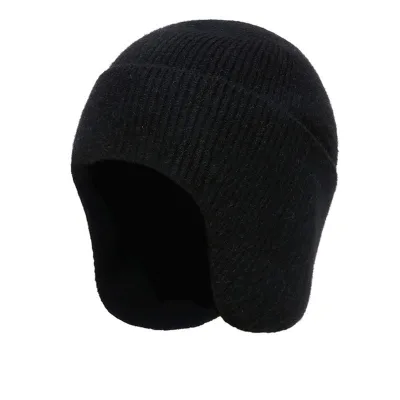


High Quality Outdoor Winter Warm Wool Knit Cap Beanie Warm Cap Knitted Hat
$0.95 - $2.86
MOQ: 100 Pieces


Comprehensive Sourcing Guide
Strategic Sourcing Guide for Warm Knitted Winter Hats
Navigating the global market for warm knitted winter hats requires a disciplined approach that balances aesthetic appeal with rigorous technical verification. The core product category, often categorized under winter headwear, encompasses a diverse range of designs from simple beanies to complex, feature-rich caps. For procurement professionals, the primary challenge lies in distinguishing between generic descriptions and verifiable product attributes. This guide outlines the essential steps for sourcing these items, focusing on material integrity, compliance standards, cost structures, and supplier reliability based on observable market data and established industry practices.
Technical Specifications and Material Integrity
The foundation of a successful procurement strategy for winter hats begins with a precise understanding of material composition and construction. In the current market, the dominant material for knitted winter hats is 100% acrylic. This synthetic fiber is favored for its ability to mimic the warmth and texture of wool while offering superior durability and resistance to shrinkage. However, buyers must also be aware of alternative material profiles, such as 100% cotton, which may appear in specific listings but often serve different seasonal or stylistic purposes. When evaluating a supplier's catalog, the distinction between "100% Acrylic" and generic "Acrylic" blends is critical, as the former ensures consistent thermal properties.
Construction details further define the product's utility. A common specification for winter beanies is the "Without Brim" design, which allows for a snug fit and maximum ear coverage. Conversely, some listings indicate "With Brim" configurations, which may offer sun protection or a specific stylistic flair but reduce the overall warmth retention in extreme cold. The crown structure is another vital technical parameter; while most winter hats feature a "With Crown" design for volume and insulation, some variations exist with "Without Crown" profiles, which are less common for heavy winter use.
Fit and sizing are equally important. The market standard for these items often revolves around the "One Size Fits Most" concept, typically accommodating head circumferences between 54cm and 60cm. Specific model data indicates a standard cap around of 54-60cm, with some products explicitly stating a 58cm standard while noting that other sizes are acceptable upon customization. Buyers should verify the exact "Hats Lengths" specification, as dimensions like 24cm can significantly impact the drape and coverage of the hat. Weight is another observable metric; a standard unit weight of approximately 105g suggests a medium-density knit that balances warmth without excessive bulk.
Compliance, Certification, and Safety Standards
In the B2B apparel sector, compliance is not merely a formality but a prerequisite for market access and brand safety. While many suppliers may claim general quality, specific certifications provide tangible evidence of adherence to safety and environmental standards. For instance, the SGS certification is a recognized standard in the industry, indicating that the product has undergone third-party testing for various quality and safety parameters. Buyers should explicitly request proof of such certifications before finalizing orders, particularly when sourcing from regions with varying regulatory enforcement.
Beyond specific certifications, the product's standard classification often includes terms like "54-60CM" or "One Size Fits Most," which serve as internal quality benchmarks for fit consistency. However, these are not substitutes for international safety standards. When sourcing from origins such as Qingdao, China, or Guangdong (Mainland), it is essential to verify that the manufacturing processes meet the destination country's textile regulations. This includes checking for restricted substances in the dyes and fibers, ensuring that the "100% Acrylic" or "100% Cotton" claims are accurate and not misleading.
The "Special Features" listed in product descriptions, such as "Water Resistant," "Moisture Wicking," and "Radiation-blocking," require careful scrutiny. While these attributes are observed in the market, they are often marketing terms rather than guaranteed performance metrics unless backed by specific test reports. For example, a "Water Resistant" claim should be validated against actual hydrostatic head ratings if the hat is intended for wet weather use. Similarly, "Radiation-blocking" claims need verification against established electromagnetic or UV protection standards. Buyers should treat these features as observations to be confirmed through sampling and testing rather than as inherent guarantees.
Cost Drivers and Pricing Dynamics
Understanding the cost structure of knitted winter hats is essential for budgeting and negotiation. The observed price range in the market spans from $0.70 to $10.00 USD per unit. This wide variance is driven by several factors, including material quality, customization complexity, and order volume. The lower end of the spectrum typically corresponds to basic, unbranded acrylic beanies with minimal customization, while the higher end reflects premium materials, intricate embroidery, or specialized features like reversible designs and ponytail holes.
Minimum Order Quantity (MOQ) is a significant cost driver. The market observes an MOQ range of 10 to 1000 units, with specific listings indicating an MOQ of 100 pieces. Lower MOQs offer flexibility for startups or small businesses but often come with a higher unit cost due to the fixed costs of setup and production. Conversely, larger orders can leverage economies of scale to reduce the per-unit price. Buyers should also consider the impact of customization on pricing. While "Customization" is available, the complexity of the design—such as "Flat Embroidery" versus "Heat Transfer Printing"—will influence the final cost. Simple designs may qualify for free samples, but complex customizations will incur additional charges and longer lead times.
Typical Applications and User Demographics
The versatility of warm knitted winter hats makes them suitable for a broad range of applications. The primary demographic is adults, with the product categorized as "Unisex." This broad appeal allows for mass-market distribution across various retail channels, from department stores to specialty outdoor gear shops. The "Character" pattern theme and "Embroidered" or "Plain Dyed" styles cater to diverse consumer preferences, ranging from playful designs for children's lines to sophisticated solid colors for adult fashion.
Specific applications are often dictated by the hat's special features. Hats with "Ear Warmer" capabilities and "Moisture Wicking" properties are ideal for active winter sports or outdoor work environments. Those featuring "Sun Protection" and "With Brim" designs are better suited for transitional seasons like Spring/Autumn or for use in high-altitude environments with strong UV exposure. The "Reversible" feature adds value for consumers seeking multiple looks in a single product, while "Adjustable" elements ensure a secure fit for varying head sizes. Understanding these applications helps buyers align their procurement with specific market segments, whether targeting the general public, athletes, or fashion-conscious consumers.
Supplier Evaluation and Operational Capabilities
Selecting the right supplier involves more than just comparing prices; it requires a thorough evaluation of their operational capabilities and reliability. The origin of the product is a key indicator of supply chain stability. Major manufacturing hubs like Qingdao and Guangdong (Mainland) in China are known for their textile expertise and established logistics networks. Buyers should verify the specific location of the factory to ensure it aligns with their logistical preferences and risk tolerance.
Sample availability and lead times are critical operational metrics. The market offers "Free Ready Samples" for simple designs, which allows buyers to assess quality before committing to large orders. However, the sample lead time typically ranges from 5 to 7 workdays. For custom designs, sample charges may apply, and lead times could extend. Buyers must also consider the "prod_packing" options, which range from "Buyer's Option" to standard "Carton" packaging with specific configurations like "25PCS/Polybag, 200PCS/Carton." Consistent and protective packaging is vital to prevent damage during transit, especially for knitted items that can easily lose their shape.
Quality Control and Long-Term Procurement Strategies
Effective quality control (QC) is the backbone of a sustainable procurement strategy. Given the variability in "Special Features" and material claims, buyers should implement a rigorous QC protocol. This includes verifying the "100% Acrylic" or "100% Cotton" content through lab testing, checking the consistency of the "Flat Embroidery" or "Heat Transfer Printing," and ensuring the "One Size Fits Most" standard holds true across the batch. The "Wrinkle Free" attribute, while desirable, should be confirmed through physical inspection to ensure the knit structure maintains its integrity after washing and wearing.
For long-term procurement, building a relationship with suppliers who offer flexible customization and consistent quality is paramount. The availability of "Customization" allows buyers to differentiate their products in a crowded market. However, this requires clear communication regarding design specifications, color accuracy, and material blends. Buyers should also monitor the "prod_standard" to ensure that the "54-60CM" or "58CM" sizing remains consistent across production runs. Establishing a clear quality agreement that outlines acceptable tolerances for weight, dimensions, and color fastness will help mitigate risks and ensure that the final product meets the buyer's expectations.
Conclusion
Sourcing warm knitted winter hats is a complex process that demands attention to detail across technical, compliance, and operational dimensions. By focusing on verified material compositions like 100% acrylic, understanding the nuances of certification such as SGS, and carefully evaluating cost drivers and supplier capabilities, buyers can navigate the market effectively. The wide range of available styles, from plain dyed to character-themed, offers significant opportunities for market segmentation. However, success relies on a disciplined approach to quality control and a clear understanding of the specific needs of the target demographic. As the market continues to evolve, maintaining a focus on verified facts and avoiding unproven claims will ensure a robust and reliable supply chain for winter headwear.
FAQs
What materials are used for warm knitted winter hats?
The primary material is 100% acrylic, which offers durability and warmth. Some listings also feature 100% cotton for specific styles, though acrylic remains the dominant choice for thermal properties in winter headwear.
Can I get free samples for custom designs?
Free ready samples are available if the design is simple. For complex customizations, sample charges may apply, and the lead time typically ranges from 5 to 7 workdays for preparation.
Which certifications verify product safety and quality?
SGS certification is a recognized standard observed in the market for these hats. Buyers should request proof of such third-party testing to ensure compliance with safety and environmental regulations before ordering.
How do MOQ and pricing affect my order?
Minimum Order Quantities range from 10 to 1000 units, with specific listings showing an MOQ of 100 pieces. Prices vary between 0.7 and 10 USD, influenced by material quality, customization complexity, and order volume.
What are the standard sizing options for these hats?
Most products follow a One Size Fits Most standard, accommodating head circumferences of 54 to 60 cm. Specific models may list a 58 cm standard, with other sizes often available upon customization request.
Where are these hats manufactured and shipped from?
Manufacturing origins include Qingdao and Guangdong in China, known for textile expertise. These locations provide established logistics networks, though buyers should verify specific factory locations for supply chain stability.