Source Ubuntu Industrial HMI Panel PC for Medical and Manufacturing
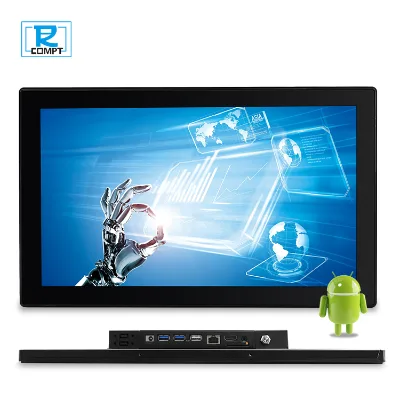
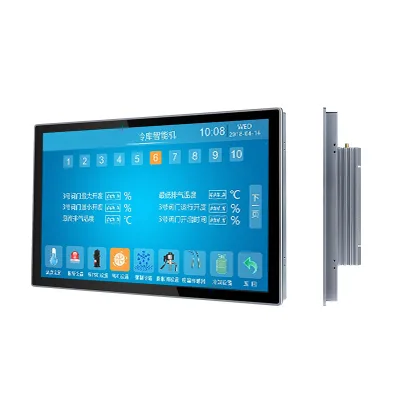
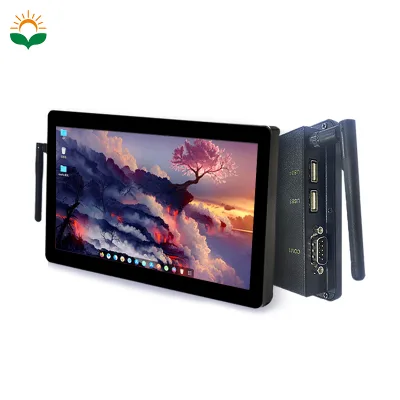
Find and compare 30 Ubuntu Industrial HMI Panel PC options featuring capacitive touch, fanless cooling, and IP65 ratings. These rugged computers support wall-mounted, desktop, and embedded installations for reliable industrial automation, medical devices, and commercial displays.
Key considerations
Products List

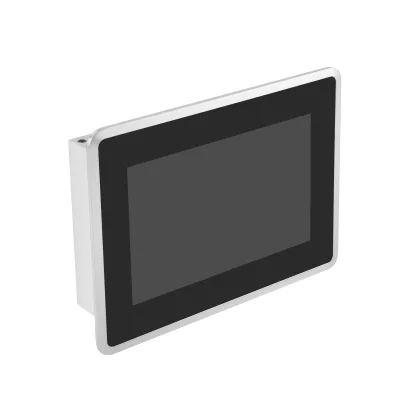
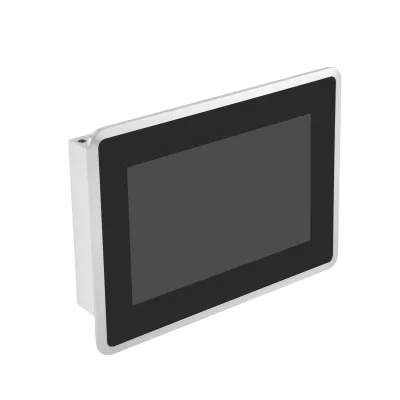
Small Size Capacitive Touch Screen Industrial Embedded Industrial Panel HMI PC
$265.00 - $285.00
MOQ: 20 Pieces




Comprehensive Sourcing Guide
Ubuntu Industrial HMI Panel PC Sourcing Guide
Selecting the right industrial Human-Machine Interface (HMI) panel PC running Ubuntu requires a careful balance of hardware durability, processing power, and software compatibility. Ubuntu is a popular choice for industrial automation due to its open-source nature, robust security updates, and extensive library of drivers, making it ideal for environments where customization and long-term support are critical. However, the hardware must be specifically engineered to withstand harsh industrial conditions, including dust, moisture, and temperature fluctuations, which standard consumer-grade PCs cannot handle. Buyers must prioritize devices that offer fanless designs and high ingress protection ratings to ensure reliability in continuous operation scenarios.
The procurement process involves verifying that the selected unit supports the specific Ubuntu version required by your software stack, whether that is a standard LTS release or a specialized industrial variant. It is essential to confirm that the hardware architecture, such as Intel Core processors, is fully compatible with the intended Ubuntu distribution. Mismatches between the operating system and the underlying hardware can lead to performance bottlenecks or driver failures. Therefore, sourcing guides must emphasize the importance of validating the software-hardware integration before placing bulk orders, ensuring that the Ubuntu environment runs smoothly on the specific industrial panel PC model.
Product Scope and Observed Listing Signals
The market for industrial HMI panel PCs running Ubuntu typically includes a range of screen sizes, from compact 10.4-inch displays to larger 21.5-inch and 23.6-inch units. Observed listings indicate a diverse product scope, with models like the SK-10GB, SK-21.5, and GFACEH series representing different form factors and performance tiers. These units often feature capacitive touch technology, supporting multi-touch gestures that enhance user interaction in control rooms or factory floors. The presence of various screen types, including LED and TFT displays, suggests that buyers can choose based on visibility requirements, with brightness levels ranging from 250 to 700 nits to accommodate different ambient lighting conditions.
Price points for these devices vary significantly, reflecting differences in processor generation, screen size, and build quality. Listings show a wide range, from entry-level units around $65 to high-performance models exceeding $1800. This variance is often driven by the inclusion of advanced features such as 12th Gen Intel Core i7 processors or specific connectivity options like Wi-Fi and HDMI. Minimum Order Quantities (MOQ) also fluctuate, typically ranging from single units for prototyping to larger batches for deployment. Buyers should analyze these signals to determine whether they are looking for a single pilot unit or a scalable solution for widespread industrial adoption, keeping in mind that higher MOQs may offer better per-unit economics.
Technical Specifications to Verify
When evaluating technical specifications, the processor type is a critical factor, with Intel Core processors being a common choice for Ubuntu-based systems. Buyers should verify the specific generation of the CPU, as newer generations offer improved performance and power efficiency. For instance, some models feature 10th or 12th Gen Intel Core i3 or i7 processors, which provide the necessary computational power for complex industrial applications. Additionally, the system expansion slots and memory configuration should be checked to ensure that the unit can handle the required software load and future upgrades. A full-size CPU card or embedded installation design often indicates a more robust and compact form factor suitable for integration into existing machinery.
Connectivity and interface options are equally important for seamless integration into industrial networks. Look for units that offer a comprehensive set of ports, including USB, HDMI, VGA, and Ethernet, to support various peripherals and network configurations. Some models also include Wi-Fi capabilities, which can be useful for wireless data transmission in flexible manufacturing environments. The touch technology, typically capacitive, should support multi-point touch for intuitive user interaction. Furthermore, the display resolution and viewing angles should be verified to ensure clarity and visibility from multiple positions, with some models offering resolutions like 1024x768 or higher for detailed data visualization.
Compliance and Safety Documentation
Compliance with international standards is crucial for industrial equipment, particularly when deploying HMIs in regulated environments. Buyers should request documentation confirming that the panel PCs meet relevant safety and electromagnetic compatibility standards, such as CE and ROHS certifications. These certifications indicate that the device adheres to strict guidelines regarding electrical safety and environmental impact, which is essential for legal operation in many markets. Additionally, ISO9001 certification for the manufacturing process can provide assurance of consistent quality control and reliable production practices.
Ingress Protection (IP) ratings are another key compliance aspect, especially for industrial applications where dust and water exposure are common. Many industrial HMI panel PCs are designed with IP65 or higher waterproof ratings, ensuring that the front panel is protected against dust ingress and low-pressure water jets. This feature is vital for maintaining functionality in harsh environments, such as food processing plants or outdoor installations. Buyers should verify the specific IP rating for the front panel and the overall enclosure to ensure it matches the environmental conditions of the deployment site. Proper documentation of these ratings should be included in the product datasheets to facilitate compliance audits.
Cost Drivers and Commercial Terms
Several factors influence the total cost of ownership for Ubuntu industrial HMI panel PCs, with the processor and screen size being primary drivers. Higher-end models with advanced processors and larger, high-brightness screens command premium prices. Additionally, the level of customization available, such as specific mounting options or pre-installed software, can affect the cost. Buyers should consider the long-term value rather than just the initial purchase price, as durable, fanless designs with robust heat dissipation systems may reduce maintenance costs over time. The packaging type, whether wooden box or foam carton, can also impact shipping costs and protection during transit.
Commercial terms, including payment methods and warranty policies, should be clearly defined in the procurement agreement. Suppliers may offer different MOQs, which can influence the unit price and negotiation leverage. It is important to clarify the lead times for production and delivery, especially for customized orders. Buyers should also inquire about the availability of spare parts and technical support, as these factors contribute to the overall reliability of the investment. Understanding the full scope of commercial terms helps in budgeting accurately and avoiding unexpected costs during the deployment phase.
Supplier Qualification and Quality Control
Selecting a reliable supplier is paramount for ensuring the quality and consistency of industrial HMI panel PCs. Buyers should verify the supplier’s manufacturing capabilities, including their production facilities in regions like Guangzhou, China, which is a known hub for electronics manufacturing. It is advisable to request samples for rigorous testing before committing to large orders. These tests should include environmental stress screening, touch responsiveness checks, and software compatibility verification with the intended Ubuntu version. A supplier’s ability to provide detailed technical documentation and responsive customer support is also a strong indicator of their professionalism and reliability.
Quality control processes should be transparent and well-documented. Suppliers should have established procedures for inspecting incoming materials, monitoring production lines, and conducting final quality checks. Buyers may consider implementing their own quality assurance protocols, such as third-party inspections or factory audits, to ensure that the products meet their specific requirements. Additionally, suppliers that offer customization services should demonstrate their ability to adapt the hardware to unique industrial needs without compromising quality. Building a strong relationship with a qualified supplier can lead to better pricing, priority support, and continuous improvement in product offerings.
Long-Term Procurement Checks
Long-term procurement success depends on the supplier’s ability to provide ongoing support and product updates. Buyers should assess the supplier’s track record for delivering consistent quality and their responsiveness to technical issues. It is important to establish a clear communication channel for addressing any post-deployment problems, such as software glitches or hardware failures. Suppliers that offer regular firmware updates or software patches for Ubuntu compatibility can add significant value, ensuring that the HMIs remain secure and functional over time.
Furthermore, buyers should monitor the lifecycle of the products to plan for future replacements or upgrades. Industrial equipment often has a long operational life, but technological advancements may necessitate periodic updates. Maintaining a relationship with a supplier who can provide compatible upgrades or newer models ensures that the industrial infrastructure remains modern and efficient. Regular reviews of the procurement process, including performance metrics and cost analysis, can help identify areas for improvement and optimize future purchasing decisions. By focusing on long-term partnerships and continuous evaluation, buyers can maximize the return on their investment in Ubuntu industrial HMI panel PCs.
FAQs
What CPU types are available in these industrial HMI panels?
These panels feature Core Duo processors and Intel Core 10th or 12th Gen options. Specific models like SK-10GB and GFACE19'' utilize these processors to ensure reliable performance for demanding industrial applications.
Which screen sizes can be selected for the HMI panel?
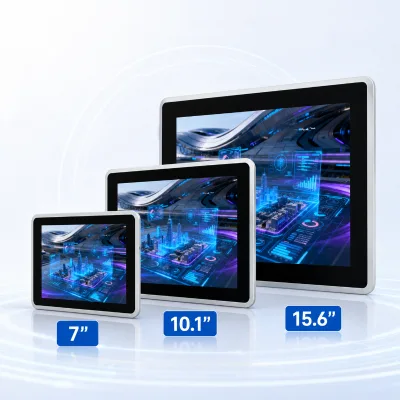
You can choose from 10.4, 12.1, 15, 17, 19, and 21.5-inch LED screens. The 15.6-inch and 23.6-inch options are also available depending on the specific model configuration required for your project.
How is the touch functionality implemented on these units?
The units support 10-point capacitive touch technology with a response time of less than 5ms. This ensures precise input control suitable for complex industrial interfaces and medical applications.
Can these panels be installed in wall-mounted or embedded setups?
Yes, the installation methods include wall mounting, desktop placement, and embedded configurations. This flexibility allows the panels to fit seamlessly into various control room or machinery environments.
What is the waterproof rating for the industrial HMI panels?
The panels offer IP65 waterproof protection to withstand harsh industrial environments. This rating ensures resistance against dust and water jets, making them suitable for demanding outdoor or washdown applications.
Which packaging options are provided for shipping these units?
Packaging includes wooden boxes, foam cartons, or custom wooden cases depending on the model. These options ensure safe transport and protection of the sensitive electronic components during international shipping.
What connectivity ports are included on the HMI panel?
Connectivity options include Wi-Fi, VGA, USB, HDMI, and Ethernet ports. These interfaces allow for versatile integration with various industrial networks, displays, and peripheral devices.