Source Underfloor Heating Suitable Engineered Flooring for Household, Commercial, Outdoor
Find 30 listings of Underfloor Heating Suitable Engineered Flooring featuring multi-layer construction and waterproof properties. Buyers can compare specifications including thickness, wear layer ratings, and locking systems for household, commercial, and outdoor applications.
Key considerations
Products List


High Quality Oak Engineered Wood Flooring for Heating (engineerd wood flooring)
$9.20 - $45.00
MOQ: 500 Square Meters
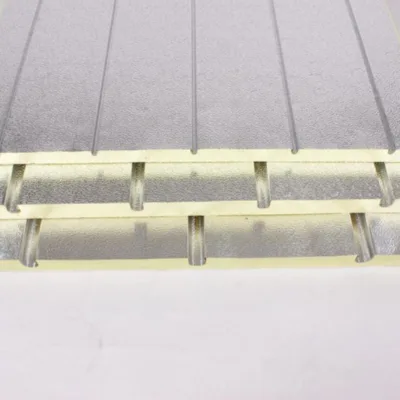


Engineered Wood Flooring High Dimensional Stability Performance
$15.00 - $35.00
MOQ: 300 Square Meters

Waterproof Underfloor Heating Pine Wood Laminate Floor Engineered Wood Flooring
$12.84 - $14.51
MOQ: 20 Square Meters

Underfloor Heating-Specific & Stable New Three-Layer Engineered Wood Flooring
$4.60 - $8.60
MOQ: 500 Square Meters

Underfloor Heating-Specific, Stable & Deformation-Resistant New Three-Layer Engineered Wood Flooring
$4.60 - $8.30
MOQ: 500 Square Meters


Durable Multilayer Engineered Wood Flooring for Stylish Interiors
$21.00 - $39.00
MOQ: 20 Square Meters


Best Price EU/Us Standards Stable/Durable Engineered Wood Flooring for Underfloor Heating
$6.50 - $8.10
MOQ: 100 Square Meters
Comprehensive Sourcing Guide
Sourcing Underfloor Heating Compatible Engineered Flooring
Technical Specifications for Thermal Compatibility
When sourcing engineered flooring designed for underfloor heating systems, the primary technical constraint is the dimensional stability of the product under fluctuating thermal conditions. The core construction must effectively manage heat transfer while resisting warping, cupping, or gapping caused by expansion and contraction. Based on observed market data, viable options typically feature a multi-layer engineered construction. This architecture is critical because the cross-grain layering of the core material counteracts the natural tendency of wood to expand and contract along the grain.
The core material composition is a decisive factor in thermal performance. Sourcing guides indicate that high-performance units often utilize Birch Plywood or Eucalyptus Plywood as the core substrate. These hardwood plywood cores offer superior structural integrity compared to softwood alternatives, ensuring the floor remains flat under the stress of heating cycles. The total thickness of the flooring plays a significant role in thermal resistance. While standard engineered planks may range from 8.0mm to 12.0mm, specific models suitable for high-efficiency heating systems are observed at 15mm or even 20mm thickness. Thicker planks generally provide better thermal mass, though the thermal conductivity must be balanced against the speed of heat response.
The wear layer, or top veneer, thickness is another critical specification. Data suggests available options range from 1.2mm to 4.0mm. For underfloor heating applications, a minimum of 2.0mm is often recommended to allow for potential sanding and refinishing over the product's lifecycle, although 1.2mm is observed in specific multi-layer configurations. The type of wood species in the top veneer also influences performance; Oak, Birch, and Acacia are common types observed in the market. These species possess natural density and grain structures that respond predictably to temperature changes.
The locking system is equally important for maintaining integrity during thermal expansion. The 5g Gravity Click Locking system is a prevalent specification in modern engineered flooring. This mechanism allows for a floating installation that accommodates slight dimensional shifts without compromising the joint integrity. Additionally, the presence of a 4-sided micro-bevel is noted as a feature that aids in trip-hazard prevention while allowing for necessary expansion gaps. The surface finish must also be compatible with heat; products labeled with "Water-Based Underfloor Heating Compatible" attributes are the primary candidates for this application.
Compliance and Certification Verification
Navigating the compliance landscape for engineered flooring requires a rigorous verification of certifications and environmental standards. Buyers must ensure that the product meets specific safety and environmental criteria before finalizing a procurement order. The supply chain data highlights several key certifications that serve as indicators of quality and safety. The CE mark is a fundamental requirement for products entering the European market, indicating conformity with health, safety, and environmental protection standards. Similarly, ISO certification is frequently observed, suggesting that the manufacturer adheres to international management system standards for quality and consistency.
Environmental standards are paramount when selecting flooring for residential and commercial spaces, particularly those with heating systems that may off-gas volatile organic compounds (VOCs) when heated. The observed data references an "E" function environmental standard, which buyers should verify against specific regional regulations such as E1 or E0 for formaldehyde emissions. It is essential to request test reports that confirm the product's emissions remain within safe limits when subjected to elevated temperatures.
Moisture resistance is a non-negotiable attribute for flooring installed over underfloor heating. The heating process can alter the relative humidity of the subfloor, and the flooring must be able to withstand these fluctuations without degrading. Products explicitly marked with "Moisture Resistance: Yes" and "Waterproof" functions are preferred. However, buyers should distinguish between water-resistant and fully waterproof claims, as the latter implies a higher level of protection against liquid intrusion, which is beneficial in environments where humidity control is challenging.
The construction of the flooring must also align with specific usage standards. While some products are rated for "Household" and "Commercial" use, others extend to "Outdoor" applications. For underfloor heating, the focus should remain on indoor-rated products that have been specifically tested for thermal cycling. The "Modern" and "European" style attributes observed in the market often correlate with stricter adherence to contemporary building codes and design standards, but these aesthetic labels should not replace technical verification.
Cost Drivers and Pricing Dynamics
Understanding the cost structure of engineered flooring is essential for budgeting and value assessment. The observed price range in the market spans from $2.6 to $99 per unit, a wide variance driven by material quality, construction complexity, and brand positioning. Several key factors influence where a specific product falls within this spectrum. The thickness of the wear layer is a primary cost driver; planks with a 4mm top veneer will command a significantly higher price than those with a 1.2mm layer due to the higher volume of premium timber used.
The core material composition also dictates pricing. Birch and Eucalyptus plywood cores are generally more expensive than standard softwood cores due to their superior strength and stability. Products featuring a "Multi Layers" construction, as opposed to a simple 3-layer design, often carry a premium price tag because of the additional manufacturing steps and material costs involved. The "Customization" availability is another variable; orders requiring specific dimensions, edge profiles, or custom finishes will incur higher costs due to the setup and production adjustments required.
Minimum Order Quantity (MOQ) requirements significantly impact the effective unit cost. The observed MOQ range is between 20 and 3000 units. Buyers purchasing smaller quantities may face higher per-unit costs, while those able to meet the higher MOQ thresholds can often negotiate better pricing. The packaging method, whether "Standard Packaging" or "Carton & Pallet," also affects logistics costs. Palletized shipping is more efficient for large orders but requires more handling and storage space.
Additional cost considerations include the inclusion of free samples. While the product itself has a cost, the availability of free samples allows buyers to verify quality without immediate financial commitment, reducing the risk of costly errors in large orders. The origin of the product, specifically from regions like Shandong, China, can influence pricing due to local labor costs, raw material availability, and export logistics. Buyers should weigh the initial purchase price against the long-term durability and thermal performance to determine the true cost of ownership.
Typical Applications and Usage Scenarios
Engineered flooring suitable for underfloor heating is versatile and can be deployed across a variety of settings. The observed usage categories include "Household," "Commercial," and "Outdoor" environments, though the latter requires careful verification of thermal compatibility. In residential settings, these floors are ideal for living rooms, bedrooms, and kitchens where comfort and warmth are priorities. The "Modern" and "European" styles observed in the market align well with contemporary interior design trends, making them suitable for high-end residential projects.
Commercial applications are equally common, with the flooring rated for "Commercial" and "Heavy Commercial" traffic. The "Abrasion Class" ratings, ranging from AC3 for residential use to AC5 for heavy commercial traffic, provide a clear guide for selecting the appropriate product for different footfall levels. Offices, retail spaces, and hospitality venues benefit from the durability and thermal efficiency of these engineered planks. The "Multi-Layer Engineered" construction ensures that the floor can withstand the wear and tear of high-traffic areas while maintaining its aesthetic appeal.
The "Wood Grain" pattern and "Brown" color options observed in the market offer a natural, warm aesthetic that complements various interior schemes. The "Micro Bevel" and "Square Edge" profile options allow for design flexibility, enabling buyers to create seamless or distinct visual separations between planks. The "Customized" nature of the product allows for tailored solutions in unique architectural projects, such as curved walls or non-standard room shapes.
However, buyers must be cautious when considering "Outdoor" usage. While some products list this attribute, underfloor heating systems are typically designed for indoor environments. The transition from indoor to outdoor spaces requires specific engineering to handle weather exposure, which may not be compatible with standard underfloor heating protocols. Therefore, the primary application focus should remain on indoor residential and commercial spaces where the thermal environment is controlled.
Supplier Evaluation and Quality Control
Evaluating suppliers requires a focus on their ability to consistently deliver products that meet the stringent requirements of underfloor heating compatibility. The origin of the product, specifically from "Shandong, China" or general "China" origins, indicates a concentration of manufacturing capabilities in these regions. Buyers should verify the supplier's track record in producing "Multi-layer solid wood flooring" and "engineered wood flooring" models. The presence of specific product models, such as "BM" or generic "engineered flooring" designations, can help in identifying consistent product lines.
Quality control processes should be a central part of the supplier evaluation. Buyers should request documentation regarding the "Environmental Standard" and "Certification" (CE, ISO) to ensure compliance. The "Free Sample Available" attribute is a positive indicator, suggesting the supplier is confident in their product quality and willing to allow physical verification. When assessing quality, buyers should examine the "Top Veneer Thickness" consistency and the "Core Material" quality. Inconsistent veneer thickness or core density can lead to performance issues under thermal stress.
The "Locking System" quality is another critical area for inspection. The "5g Gravity Click Locking" system must be precise to ensure a tight fit that prevents gaps from forming during thermal expansion. The "Bevel" quality, specifically the "4-Sided Micro-Bevel," should be inspected for uniformity to ensure it meets the "Trip-Hazard Prevention" standards. Packaging integrity is also vital; the "Carton & Pallet" or "Packed in Carton, Then in Pallets" methods must protect the flooring during transit to prevent damage that could compromise the installation.
Suppliers should also demonstrate flexibility in meeting "Customized" requirements. The ability to produce specific dimensions, such as the observed "1900x190" or "1217x197" sizes, indicates a robust manufacturing capability. Buyers should inquire about the supplier's quality assurance protocols, including how they handle defects and their return policies. A supplier that offers clear specifications and transparent communication regarding their "Grade" (ABC, Abcd, Character, Rustic) is more likely to deliver a reliable product.
Long-Term Procurement Considerations
Sourcing engineered flooring for underfloor heating is a long-term investment that requires careful planning for maintenance and lifecycle management. The "Customization" and "Available" attributes suggest that buyers can tailor products to specific needs, but this also means that replacement parts or matching planks must be available in the future. Buyers should consider the "Grade" of the wood, as higher grades like "Character" or "Rustic" may have more natural variations that could make matching future repairs more challenging compared to uniform "ABC" grades.
The "Thickness" of the wear layer is a critical factor for long-term value. A 4mm wear layer offers the most potential for refinishing, extending the floor's life significantly. In contrast, a 1.2mm layer may have a shorter lifespan if the surface becomes damaged. Buyers should calculate the total cost of ownership, including potential refinishing costs, rather than focusing solely on the initial purchase price. The "Water-Based Underfloor Heating Compatible" attribute ensures that the floor will not degrade over time due to thermal cycling, but regular maintenance is still required to preserve the finish.
Environmental sustainability is an increasingly important consideration. The "E" environmental standard and "Waterproof" attributes contribute to a healthier indoor environment and reduced energy consumption. Buyers should verify that the supplier adheres to sustainable forestry practices and that the "Birch Plywood" or "Eucalyptus Plywood" cores are sourced responsibly. The "Standard Packaging" and "Pallet" logistics should also be optimized to minimize waste and carbon footprint during shipping.
Finally, buyers should plan for the "Lead Time" and "MOQ" constraints. The wide range of MOQs (20-3000) means that procurement strategies must be flexible. For large projects, meeting the higher MOQs can secure better pricing and ensure consistency across the entire installation. For smaller projects, buyers may need to coordinate with suppliers to meet the lower MOQ thresholds without compromising on quality. By considering these long-term factors, buyers can ensure a successful and durable installation of underfloor heating compatible engineered flooring.
FAQs
Can this engineered flooring be used with underfloor heating?
Yes, the product is compatible with water-based underfloor heating systems. It features a multi-layer engineered construction with birch or eucalyptus plywood cores to ensure dimensional stability during thermal cycling.
What thickness options are available for heating compatible floors?
Available thicknesses include 8.0mm, 10mm, 12mm, 15mm, and 20mm. Thicker planks like the 15mm and 20mm models offer better thermal mass while maintaining the necessary stability for heating applications.
Which certifications ensure safety for heated indoor environments?
The products carry CE and ISO certifications indicating conformity with safety and quality standards. They also meet environmental standards to minimize off-gassing when exposed to elevated temperatures.
How does the locking system handle thermal expansion?
The 5g Gravity Click Locking system allows for floating installation that accommodates dimensional shifts. This design prevents joint failure while the 4-sided micro-bevel aids in trip-hazard prevention.
What core materials provide the best stability for heating?
Birch plywood and eucalyptus plywood cores are used for superior structural integrity. These hardwood substrates resist warping and cupping better than softwood alternatives under fluctuating thermal conditions.
Which abrasion classes suit commercial spaces with heating?
AC4 and AC5 ratings are available for commercial and heavy commercial traffic. These classes ensure durability in high-traffic areas while maintaining compatibility with underfloor heating systems.